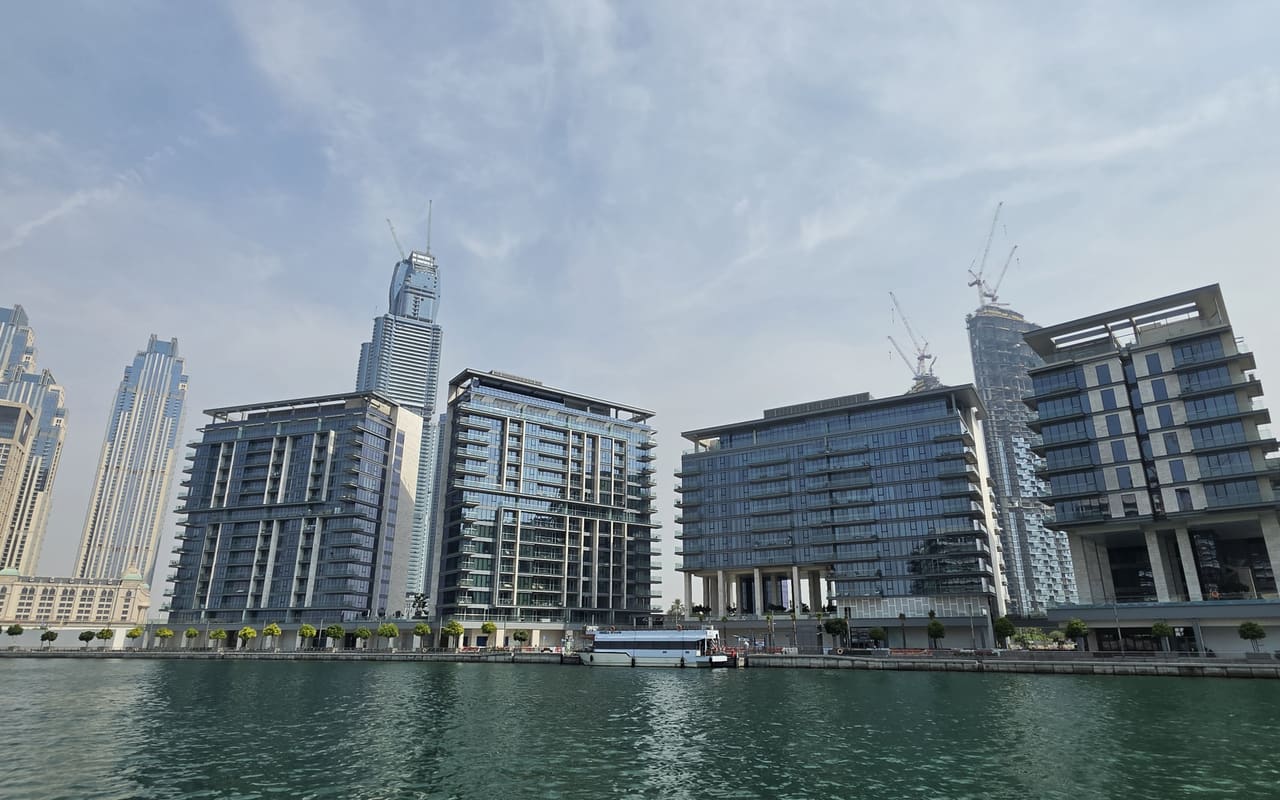
−21%
Al Wasl
Canal Front Residences 2 BR · Apartment
5,000,000 AED
6,300,000 AED
1,476 sqft Ready
Lot NP4-104938
 INSIDERrealestate — Home
 Rates are indicative. Contracts and DLD fees are always in dirhams.
Tap a district circle — every lot in it appears on the map.
3,346 live listings priced below the market for comparable property: direct owner sales, inherited estates, forced exits and bank repossessions. The badge on each card is computed automatically against the current sample. Listings are anonymised: full details on a specific lot go out on request.
Find something for my brief → 





Why through a form? Direct off-market property is a matter of trust with the seller. We do not publish it openly, because leaking the price to competitors and flippers raises the cost of the deal. Buyers are verified before anything is disclosed.
No flat is distressed in itself. What is distressed is the situation of the person who needs money faster than the market will pay full price for it. That is where the discount comes from: the buyer is paying for speed, not for a defect.
Five situations produce almost all of the flow. An urgent exit — the owner is leaving the country, has lost a job, or is closing a debt in another jurisdiction and needs funds by a date. An inherited estate — several heirs in several countries, for whom agreeing on a price is easier than holding the asset and paying service charges for years. A divorce, where both sides want a fast and uncontested conversion into cash. A bank repossession, where the lender sells through its own process rather than waiting for the market. And a mortgage default before repossession, where the owner sells while he still can — the most common and the most workable of the five.
Off-plan resale sits slightly apart. An investor who cannot fund the next instalment assigns the contract at a discount to the developer's current price. Strictly that is not a distressed property but a distressed payment plan: the lot is cheaper because the seller has run out of time, not because anything is wrong with the project.
The badge is the gap between this lot and the median price of comparable stock — same project or same class of building in the same district, same type, similar size — computed automatically against the current sample. Which is why the number has to be read together with what produced it.
In a large standard project with dozens of identical studios on the market at once, the comparison is solid: −20% really does mean the identical flat next door costs a fifth more. In a twenty-unit building with almost nothing to compare against, the same number is an estimate rather than a fact. The same applies to rare formats — penthouses, duplexes, one-off villa layouts compare badly by definition.
Three things the algorithm cannot see: the condition of the interior, the view and the floor. A unit facing the neighbouring tower's wall and one facing the canal in the same building legitimately trade at different prices, and part of a headline discount is sometimes explained by exactly that. A viewing is therefore not a formality — it tells you which part of the discount is real and which was always priced into that unit.
Service charge arrears. Property nobody has looked after for a few years often carries a debt to the management company. Without a clearance the developer will not issue the NOC, and without the NOC there is no transfer. It is solvable — the debt is settled out of the sale proceeds — but it must be quantified before signing, not after.
The seller's mortgage. Nothing transfers until the loan is discharged. Arrangements where the buyer settles the seller's loan ahead of transfer do exist and do work in Dubai, but they run through a registration trustee with the property blocked, never as a transfer to the seller's account on trust.
Court restrictions. Property caught in a divorce or an inheritance dispute can carry a restraint on disposal. It lifts, but not in weeks. Checking encumbrances at the Land Department is a required step, not caution.
The building itself. Sometimes the price is below market not because the seller is under pressure but because the building has poor management, permanently broken lifts, an owners' association in litigation and service charges twice the neighbours'. That kind of discount is not a one-off — it stays with you and reappears when you sell.
A distressed seller optimises for certainty and speed, not for the highest number. Between an offer 5% higher with a mortgage two months away and an offer in cash closing in three weeks, he takes the second almost every time. That is the real reason the discount does not go to whoever negotiated longest.
What has to be ready in advance: funds in an account, or somewhere they can move from in days rather than weeks; willingness to decide off a video viewing if you are not in Dubai; and a power of attorney for someone who can sign for you if travelling does not work out. Without that set you can view distressed stock but you cannot really buy it.
The corollary is not to hold one property "to think about" for a week. In this segment a week is enough for the market to move, and negotiating over yesterday's lot usually ends with it being gone.
A developer announcing "20% off at launch" is discounting a price he set himself. It is a sales instrument, and there is nothing to compare it against except the same developer's next price list.
A distressed resale is priced below what comparable property is actually trading at right now. The difference matters: in the first case you get a discount off an asking price, in the second off the real market.
Which also settles how to model the exit. You will resell at market price, not at the developer's price — so a discount to the market converts into a result, and a launch discount does not always.
When the property is illiquid. Buying 25% below market in a project where a deal closes once a quarter gives you a paper gain and a real problem on exit. Look at how many comparable units have actually sold in that project recently, not only at the entry price.
When the discount is explained by the unit: ground floor facing the service road, a bedroom without a window, a building with a reputation. That is not distress, that is what such a unit costs — and you will meet exactly the same thing when selling.
And when transaction costs eat it. Several per cent goes on fees at each end, so a property bought 7% below market and sold a year later returns the discount to the Land Department and the agencies. Distressed buying makes sense where the gap is substantial or the holding period is long.
A price below the market for comparable property with an identifiable reason on the seller's side: an urgent exit, an inherited estate, a division of assets, a mortgage default or a bank repossession. Stock priced below market without such a reason is listed too — the filter is the price, and the reason is established on the specific lot.
On completed property, roughly 10–20% below market shows up consistently; anything materially deeper is usually explained by the condition of the unit, a restriction on it, or a thin market with nothing to compare against. The badges are recalculated nightly against the live sample — read those rather than market averages.
Property taken back from a defaulting borrower and sold through the bank's process, often at public auction. The upside is price and a clean title afterwards. The downsides are rigid payment deadlines, a deposit at risk, sale on an as-is basis with no renegotiation on condition, and limited access for a proper viewing. It is not the best first transaction in Dubai.
Three documents: a clearance from the management company for service charges, the developer's NOC, and a Land Department record showing encumbrances. The seller obtains the first two; the third is verified at transfer. None of them substitutes for the other two.
Legally no, practically almost always yes. A seller working to a deadline picks a buyer with no bank approval in the chain. If you need a mortgage, get pre-approval in advance and accept that part of the list will be out of reach for you.
With your own funds and a clean title, two to four weeks from deposit to new title deed. A seller's mortgage adds one to two weeks, a buyer's mortgage three or more, and court restrictions can stretch it into months. Costs above the price are the same as on any resale: 4% Land Department fee plus administrative charges and 2% agency commission plus VAT (2025 reference).
Because publicity is exactly what a distressed seller is avoiding. A listing means a Trakheesi permit, calls, viewings and conversations in the building chat, when what he needs is one buyer and a fast close. Once the quiet sale fails the property does reach the portals — later, and usually at a higher price.
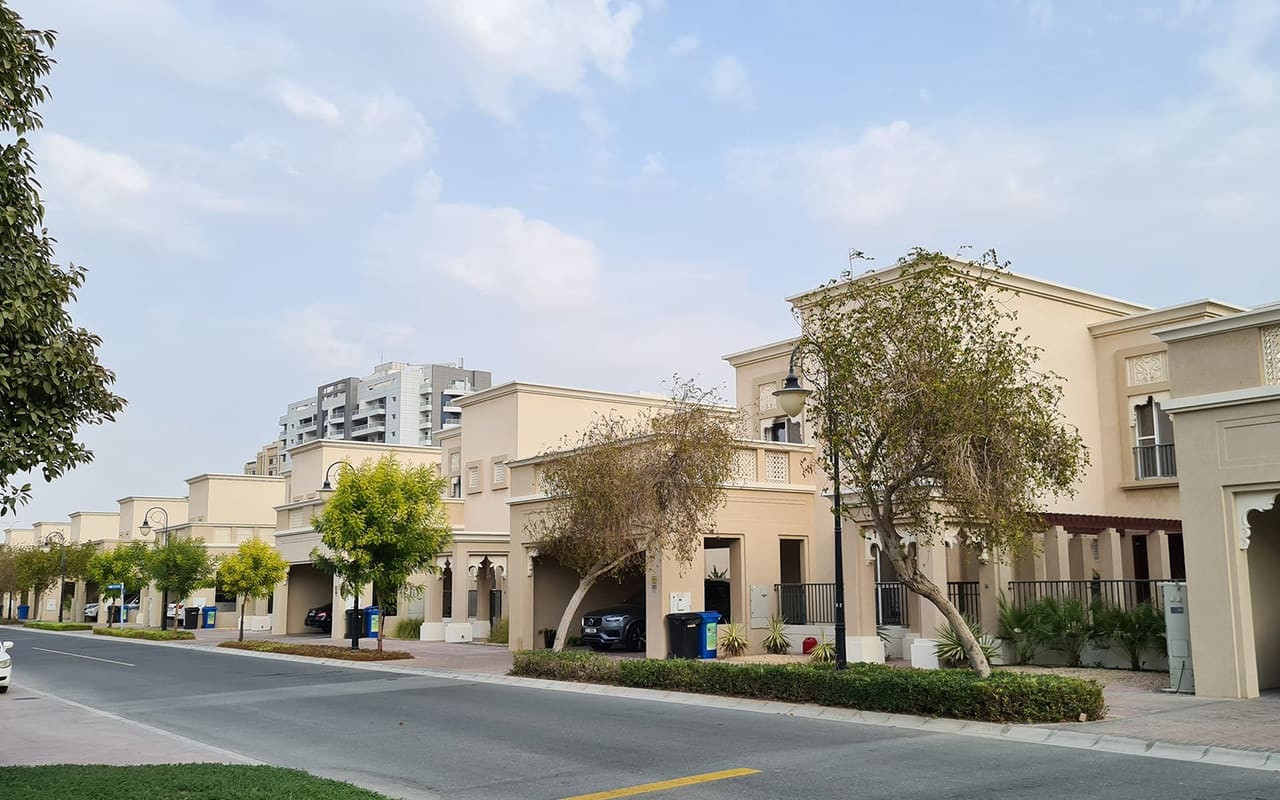
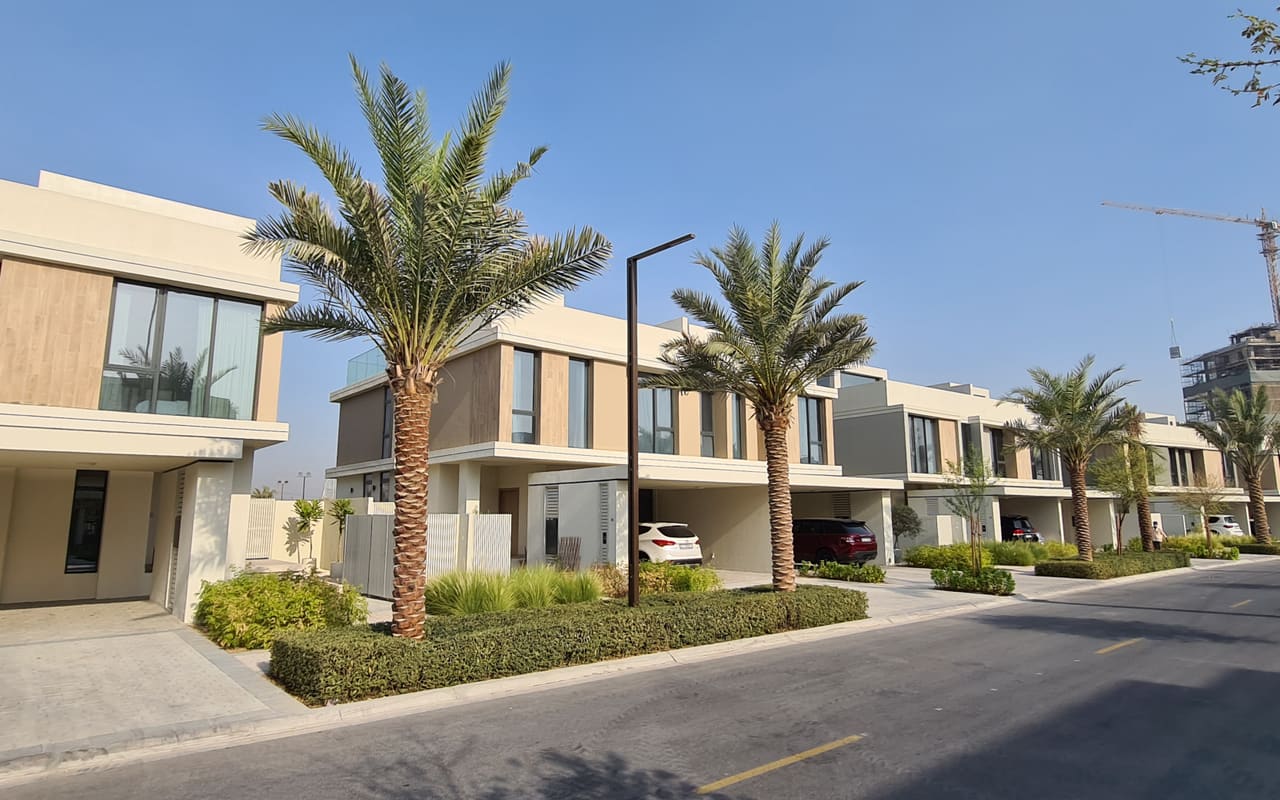
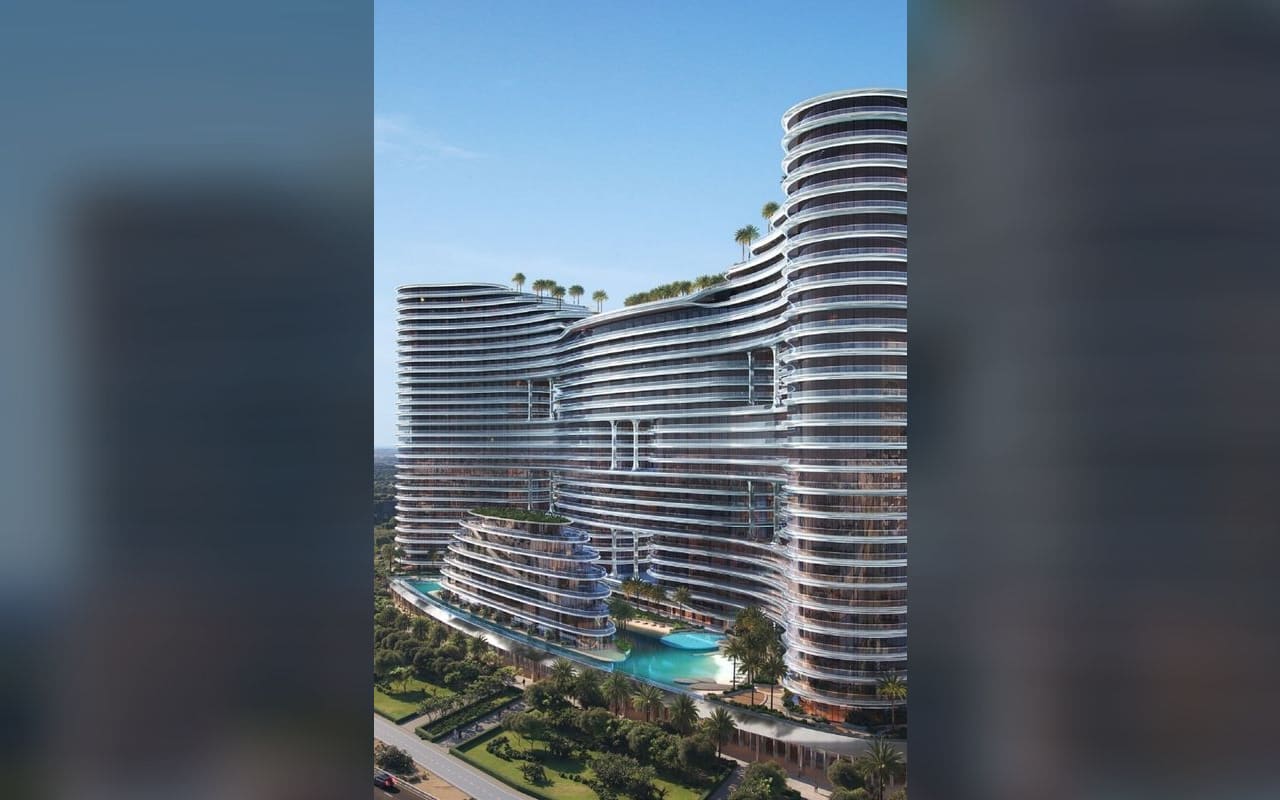
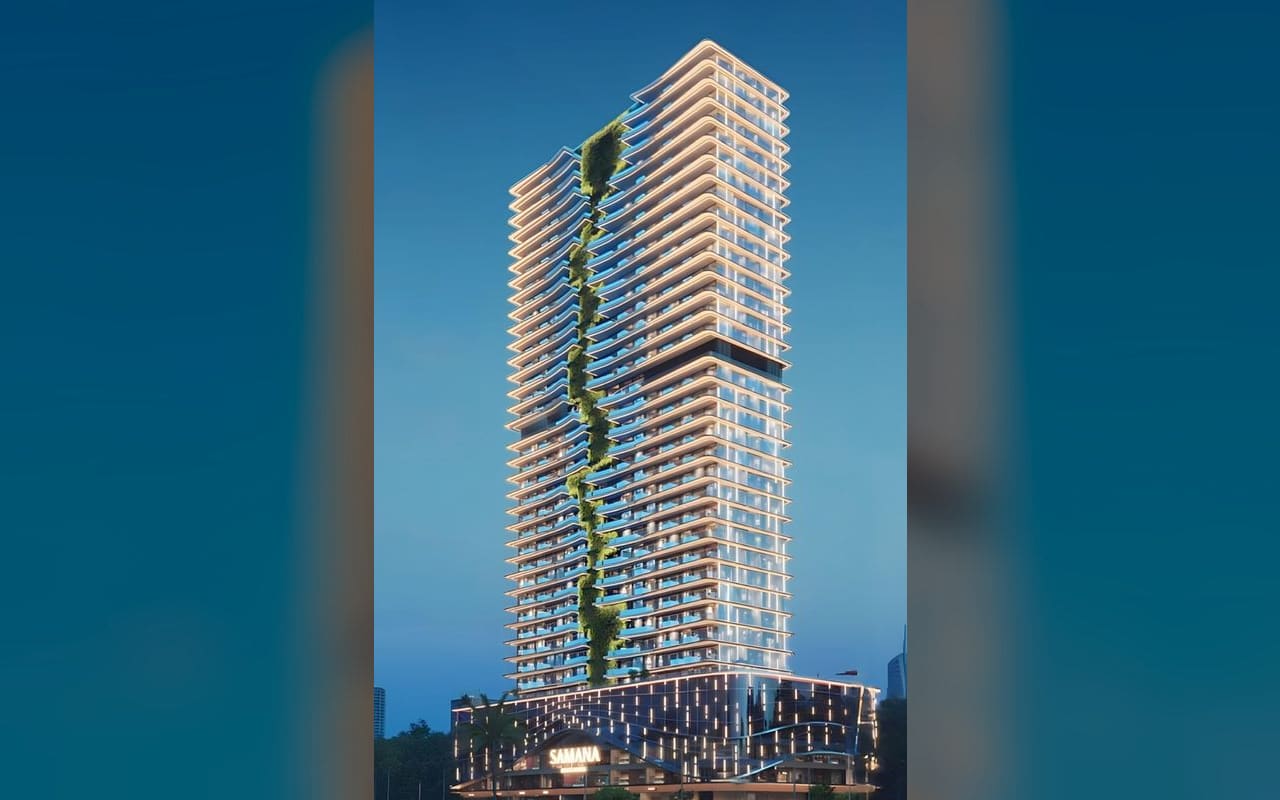
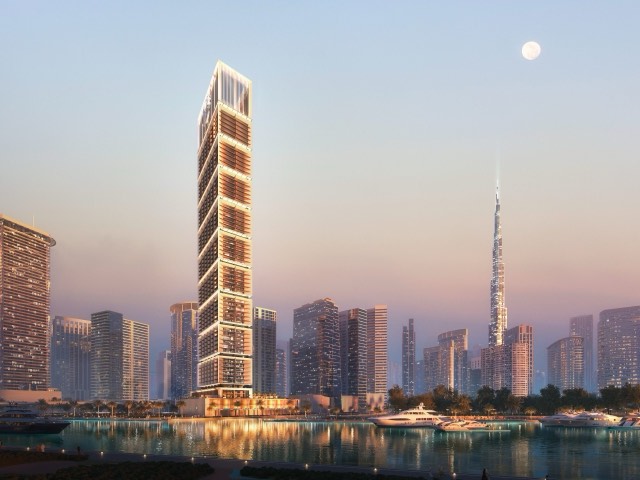
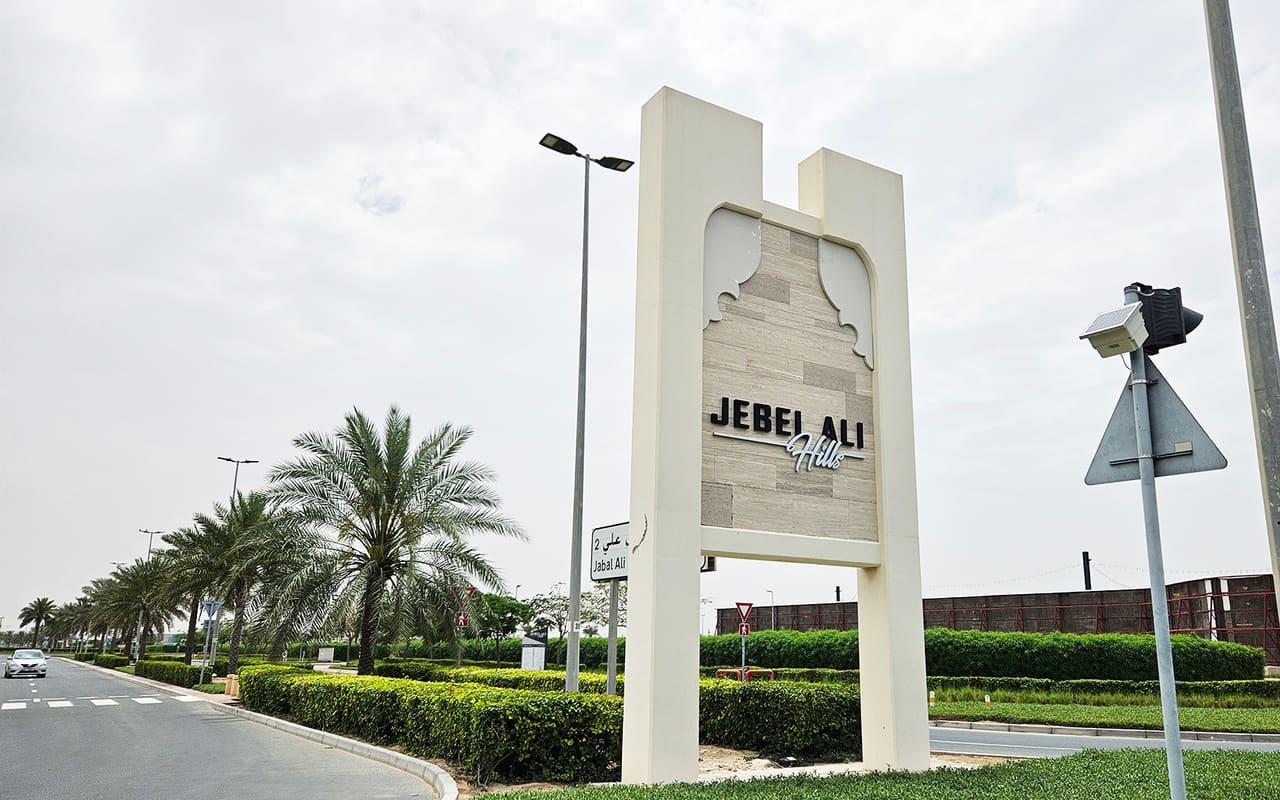
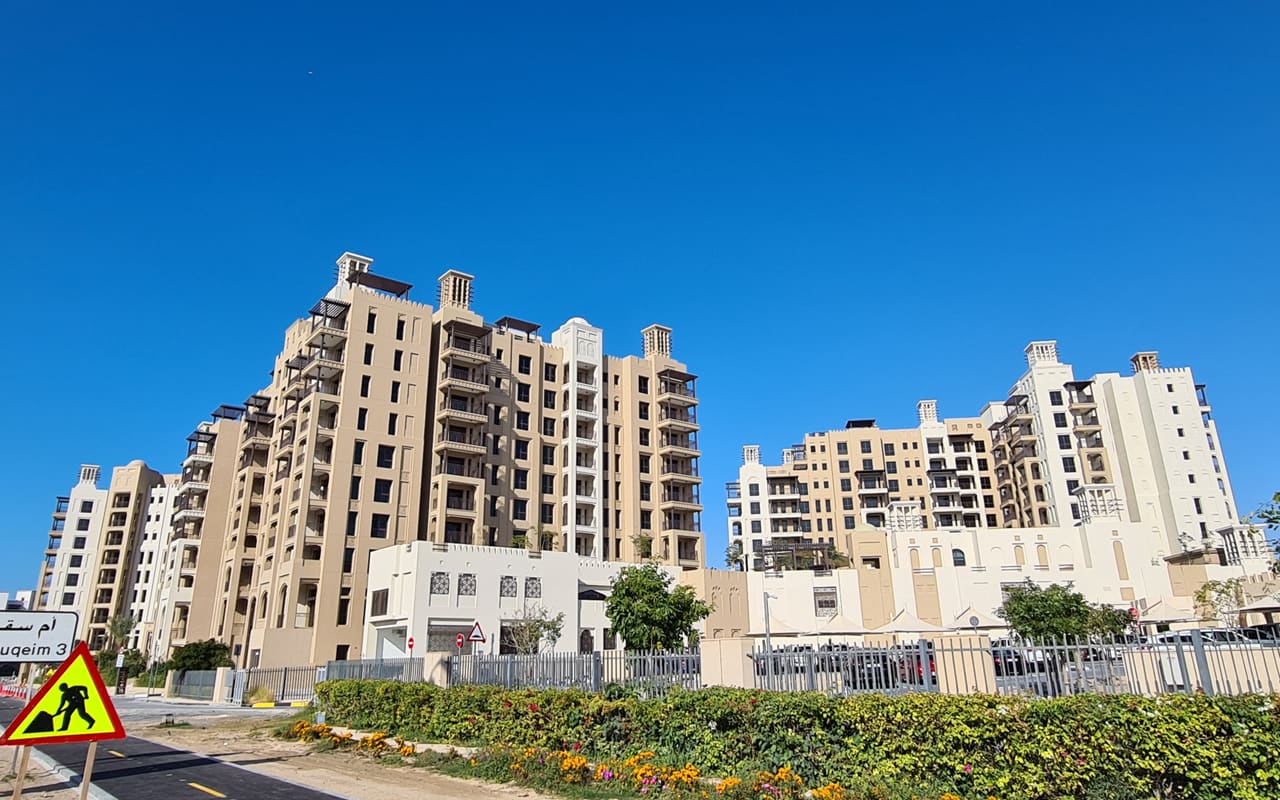
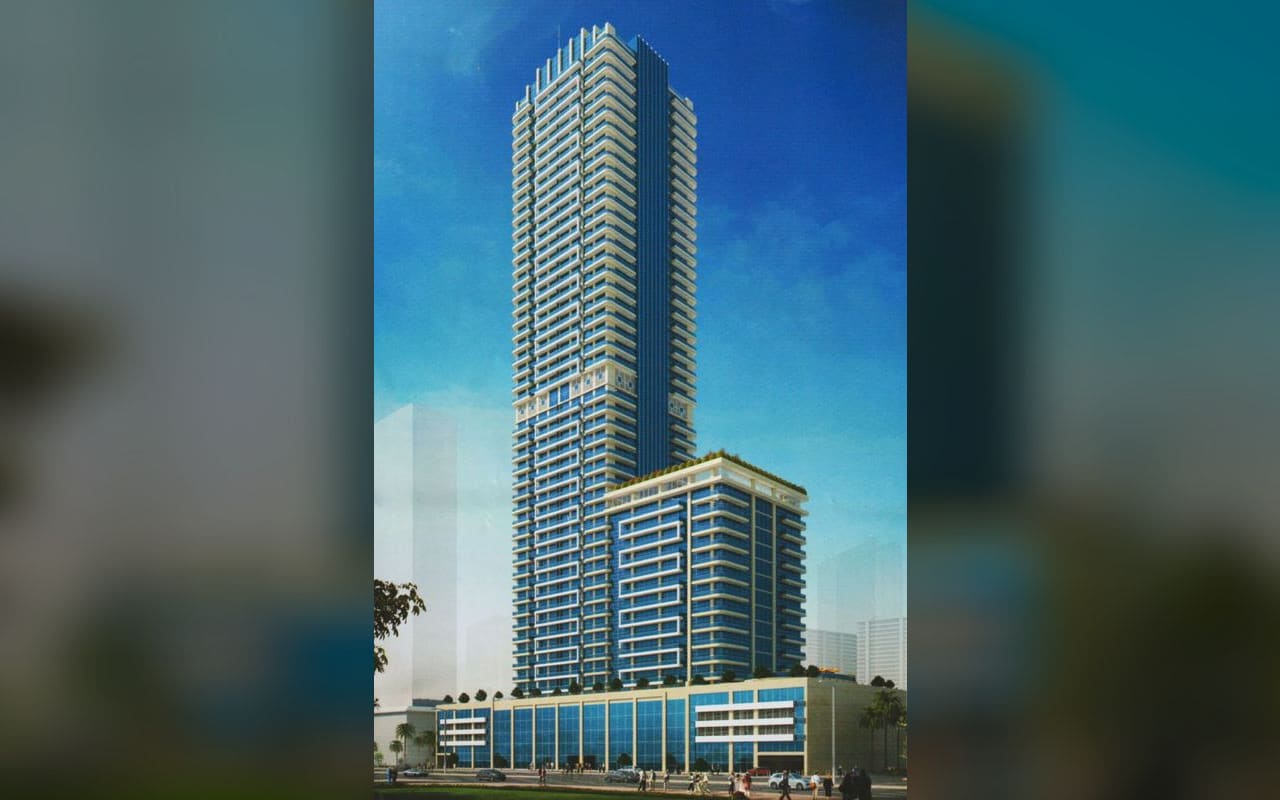
The base is aggregated from direct sources and refreshed daily; availability and prices are confirmed at the time of enquiry. Discounts are calculated against market value as confirmed by Property Finder and DLD transaction data at the time of publication; the final price is fixed in the SPA after negotiation with the seller. Cover images show the building or the community itself (source — Propsearch); where the building could not be identified, an illustrative photo is used and labelled as such. The photo shows the building, not the individual unit. Building specifications — storeys, unit counts, developer — per Propsearch and the Dubai Land Department. Insider Real Estate (Oleg Svyatenko) is a RERA-licensed broker (ORN 11899). This information is provided for information purposes and is not a public offer.