
The other emirate, where the yields are higher
Abu Dhabi is an hour down the road from Dubai and is routinely ignored by international buyers, which is exactly why the numbers there are more interesting. Entry prices are lower, gross yields are higher, and the market is far less crowded. Live price cuts across every district are gathered in the Abu Dhabi stock catalogue.
It is also a genuinely different jurisdiction. Foreign freehold ownership is permitted only inside designated investment zones, the regulator is the Department of Municipalities and Transport rather than the Dubai Land Department, and the rules are not interchangeable. Every guide below says which applies.
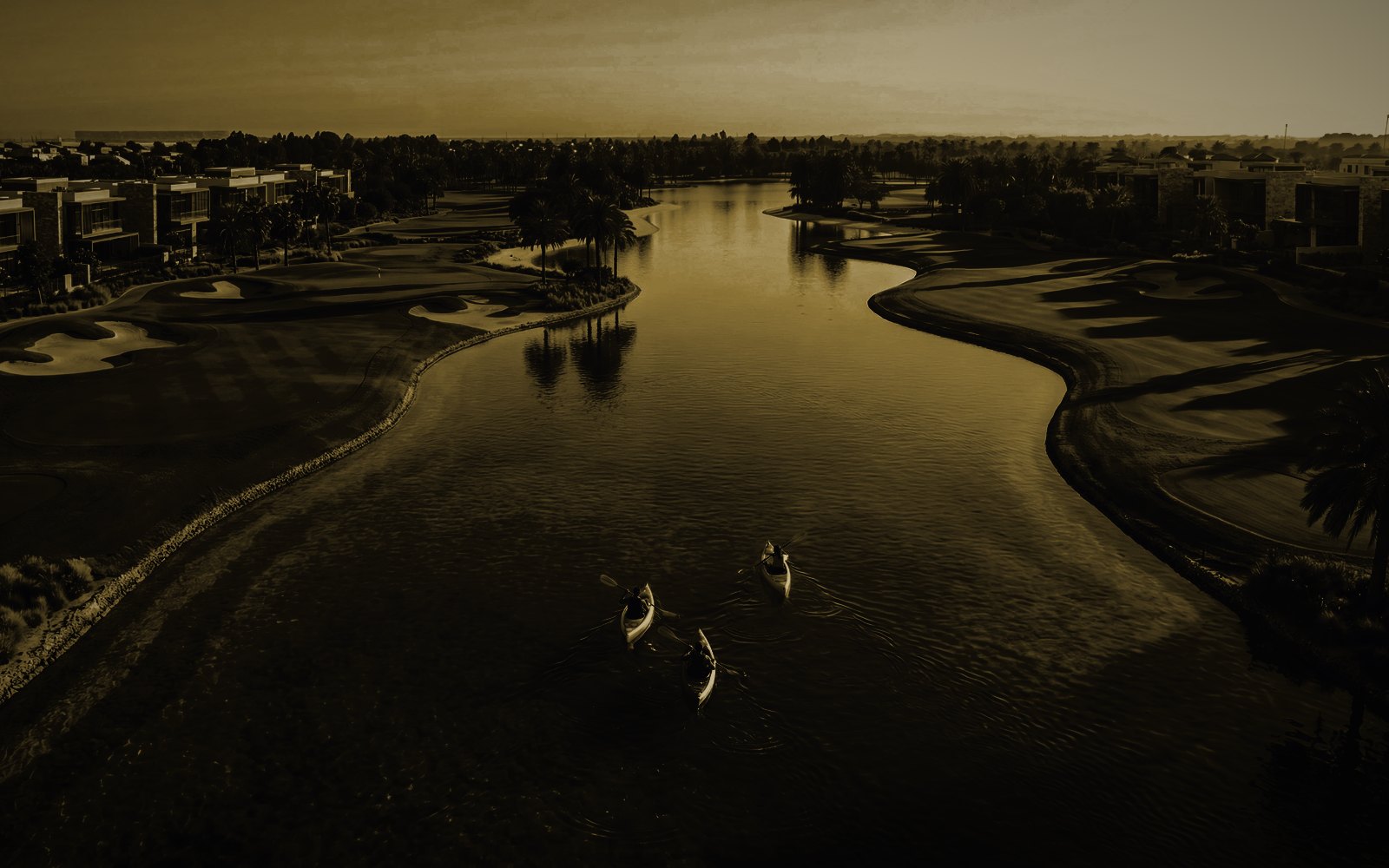
Mira Hills — land plots
A 55-million-square-foot master community on the road between Dubai and Abu Dhabi. Mira Development sells land here: AED 325 per foot, with the smallest plot at AED 22 million. The full breakdown covers the economics and the three ways in.
Read the breakdown →Apartments
Ordered by indicative gross yield.
Al Reef Downtown
9.4%From $176K for a studio
Masdar City
8.9%From $197K for a studio
Al Ghadeer
8.6%From $145K for a studio
Al Maryah Island
7.9%From $217K for a studio
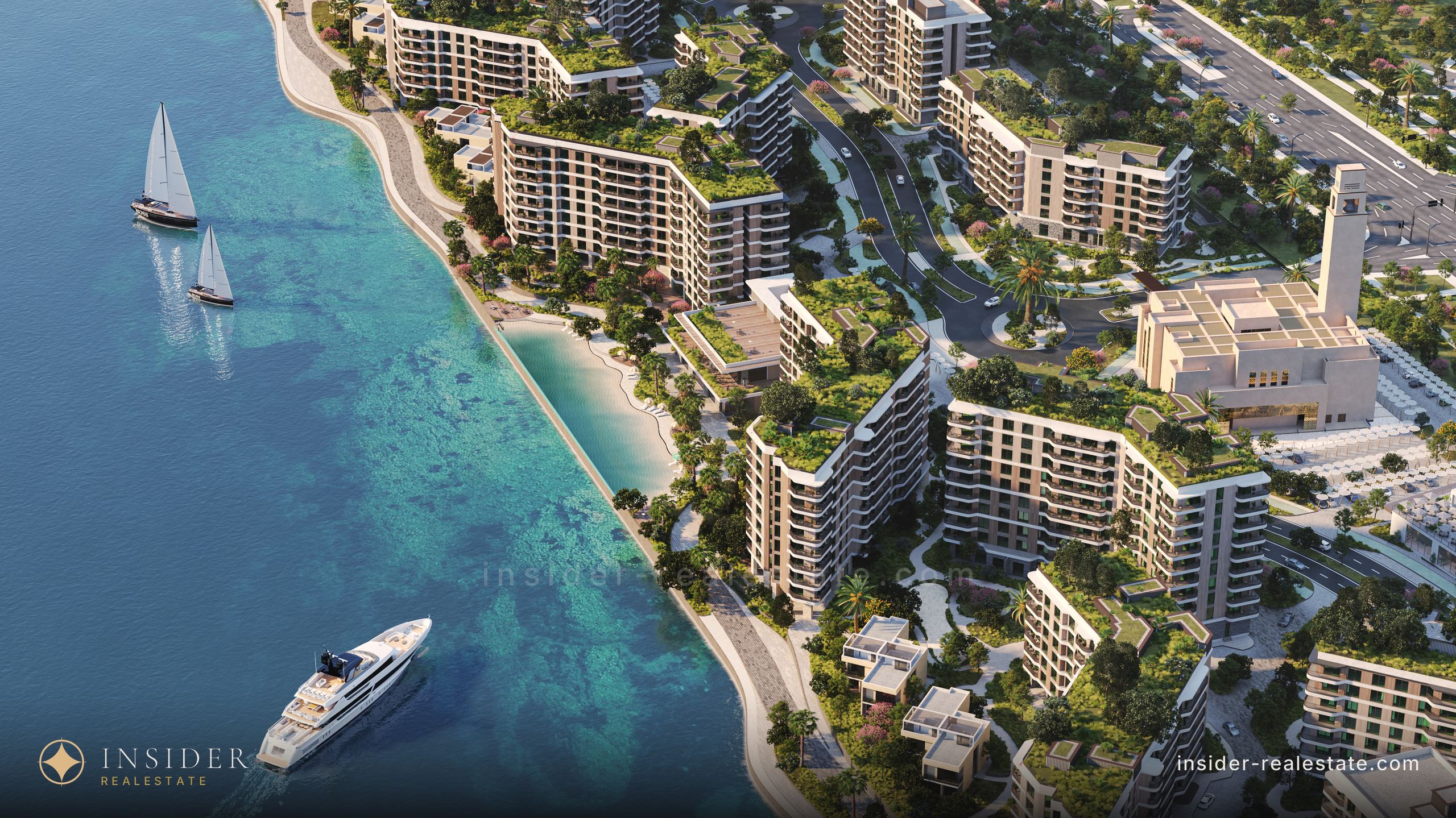
Al Reem Island
7.2%From $203K for a studio
Al Raha Beach
From $298K for a studio
Khalifa City
From $272K for a 1-bedroom apartment
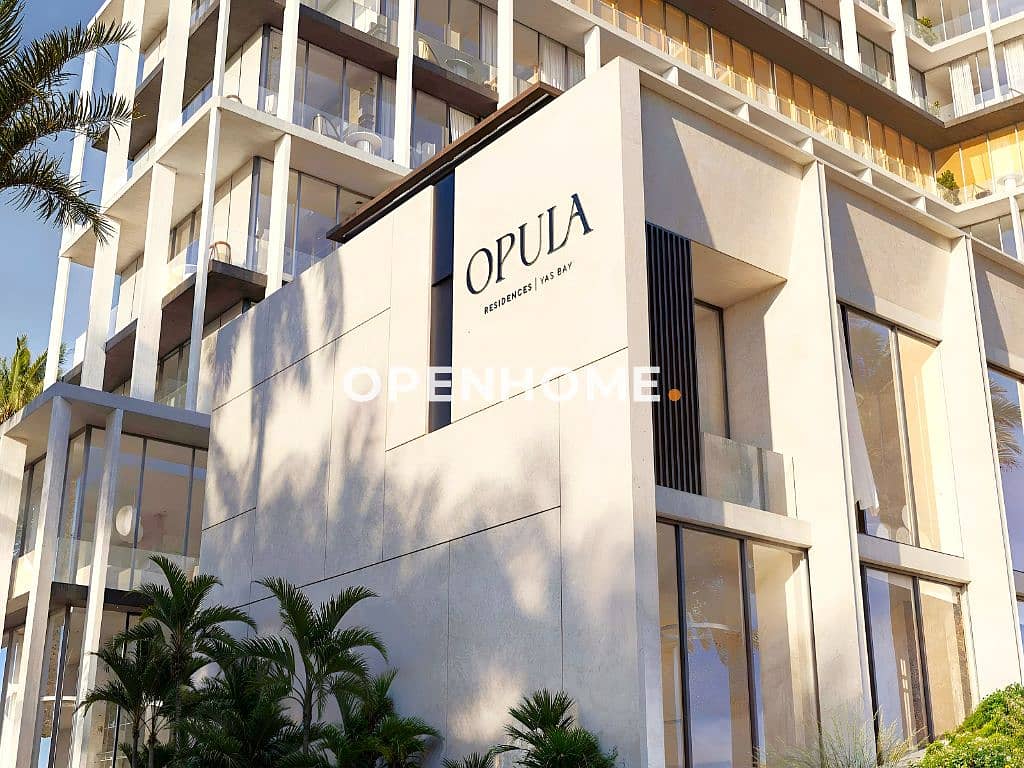
Yas Bay
From $191K for a studio
Saadiyat Island
6.5%From $199K for an apartment in the Cultural District
Fahid Island
From $511K for an apartment
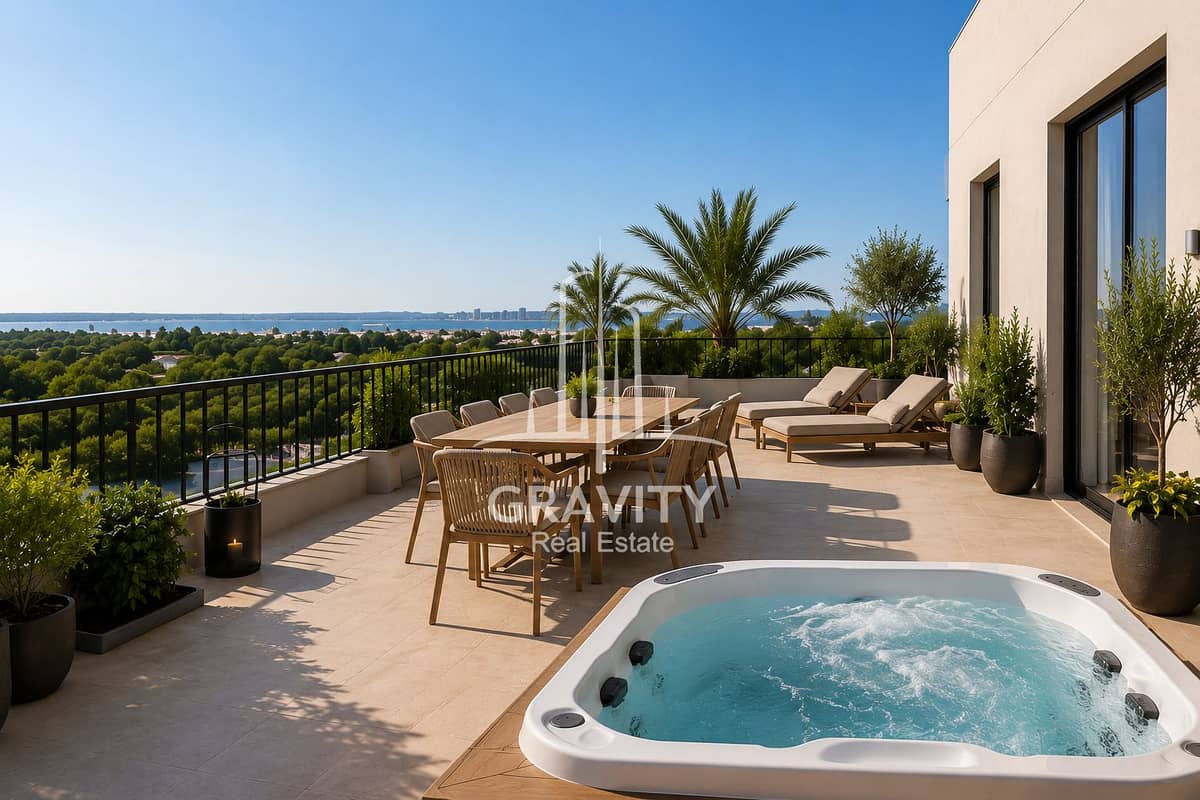
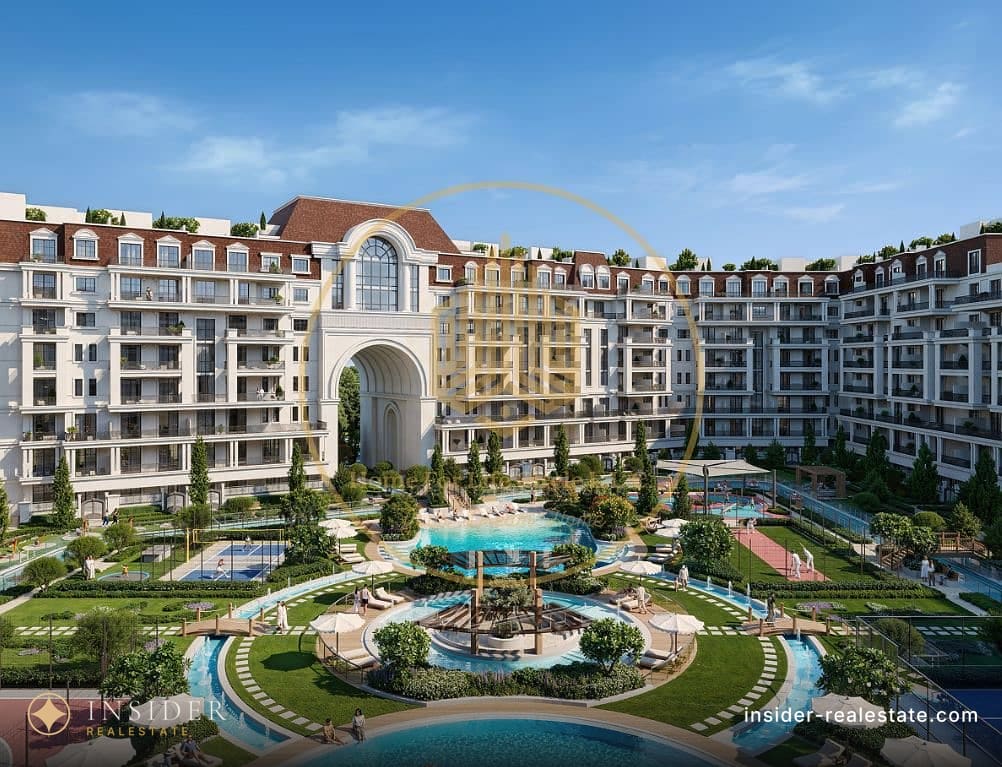
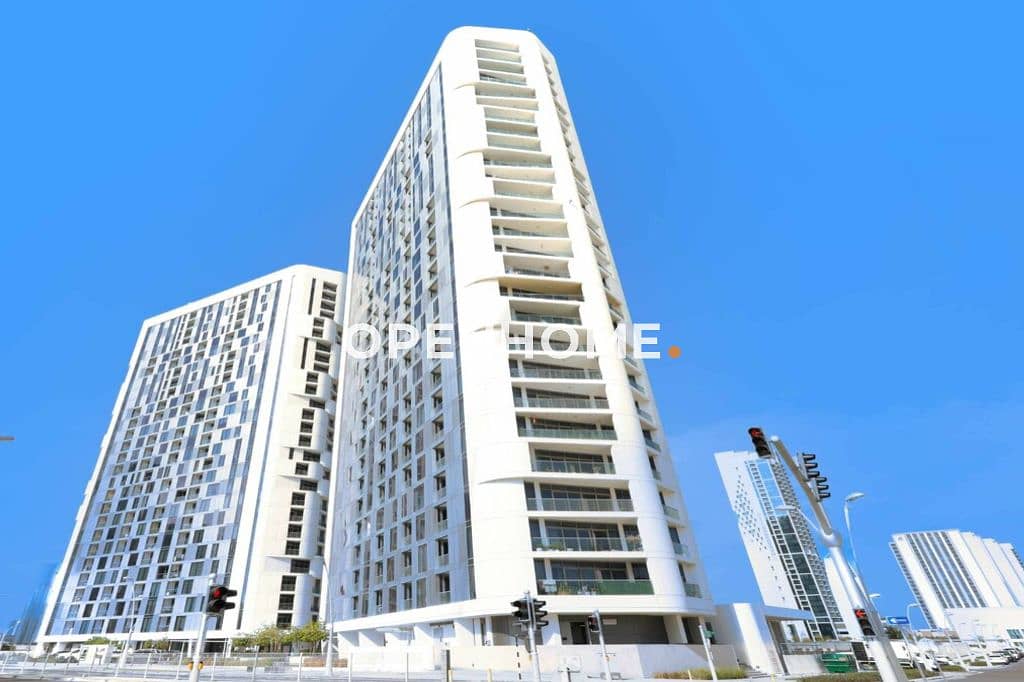

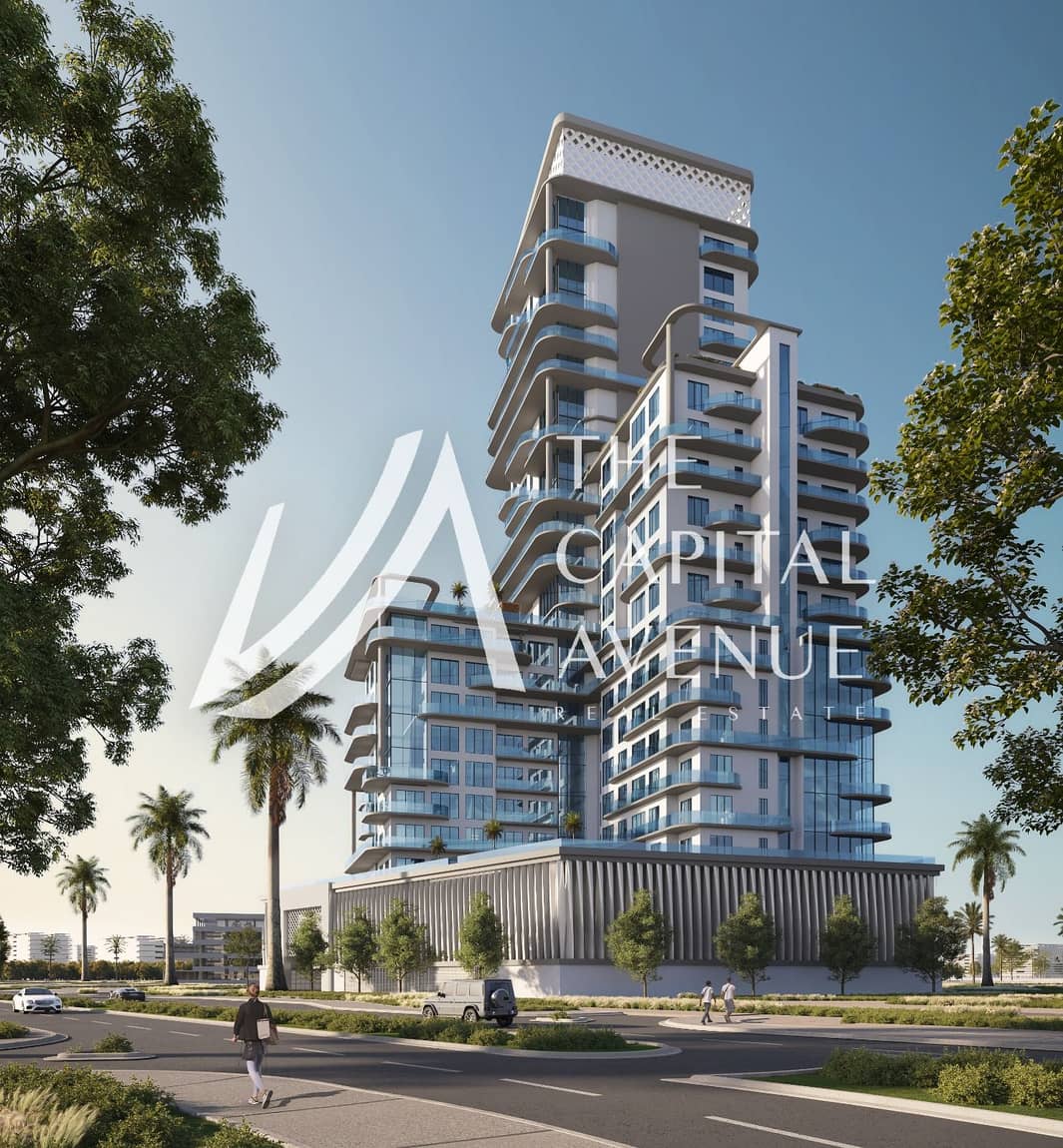
Villas and townhouses
Ordered by indicative gross yield.
Mohammed Bin Zayed City
6.5%From $2.1M for a 5-bedroom villa
Al Reef Villas
6.3%From $439K for a 2-bedroom villa
Al Raha Gardens
6%From $814K for a 3-bedroom villa
Rabdan
5.4%From $639K for a 2-bedroom villa
Yas Island
5%From $1.1M for a 2-bedroom villa
Zayed City
From $599K for a villa
Al Shamkha
From $790K for a 3-bedroom villa in Alreeman
Al Hudayriat Island
From $613K for an apartment
Al Jurf
From $817K for a beachfront villa
Ramhan Island
From $2.7M
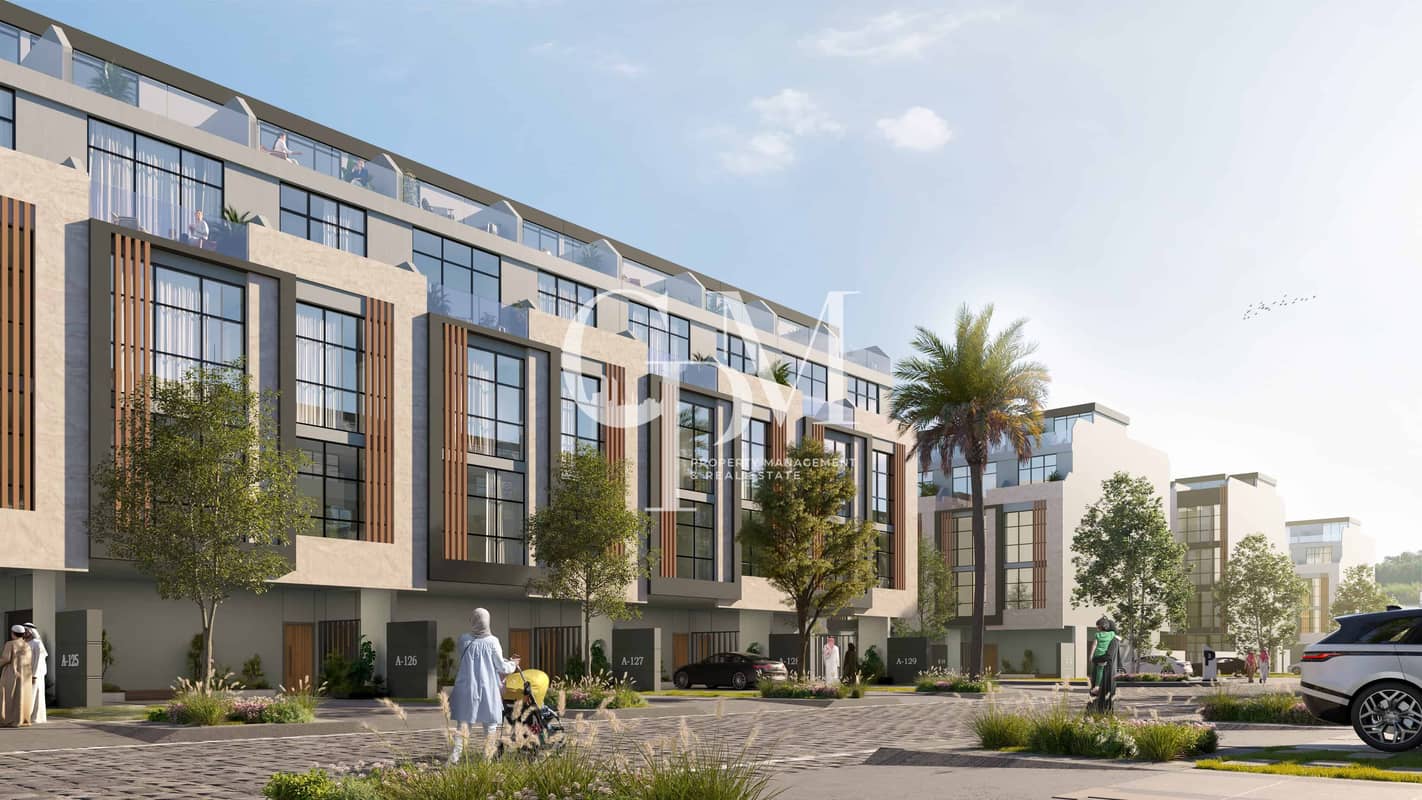
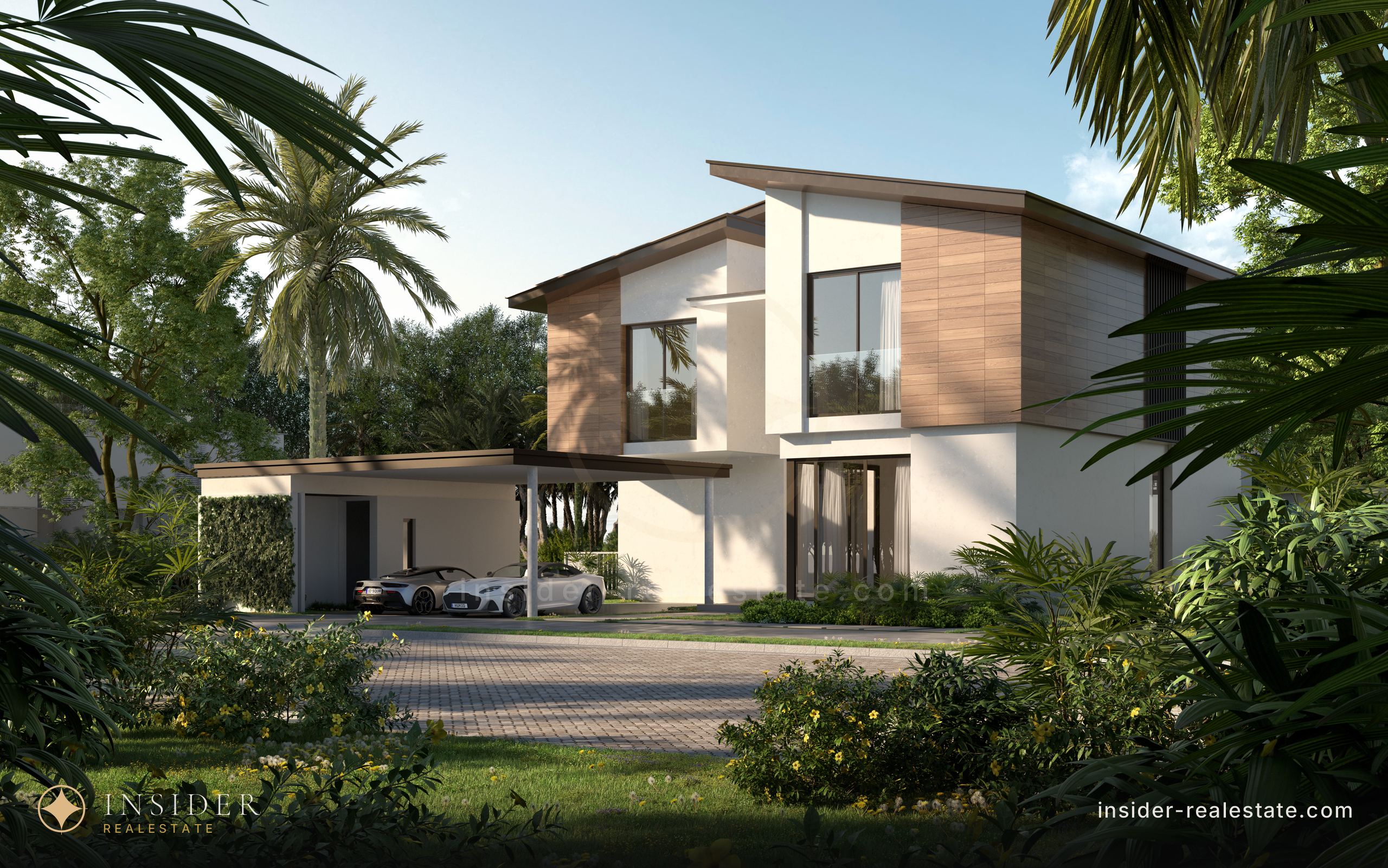
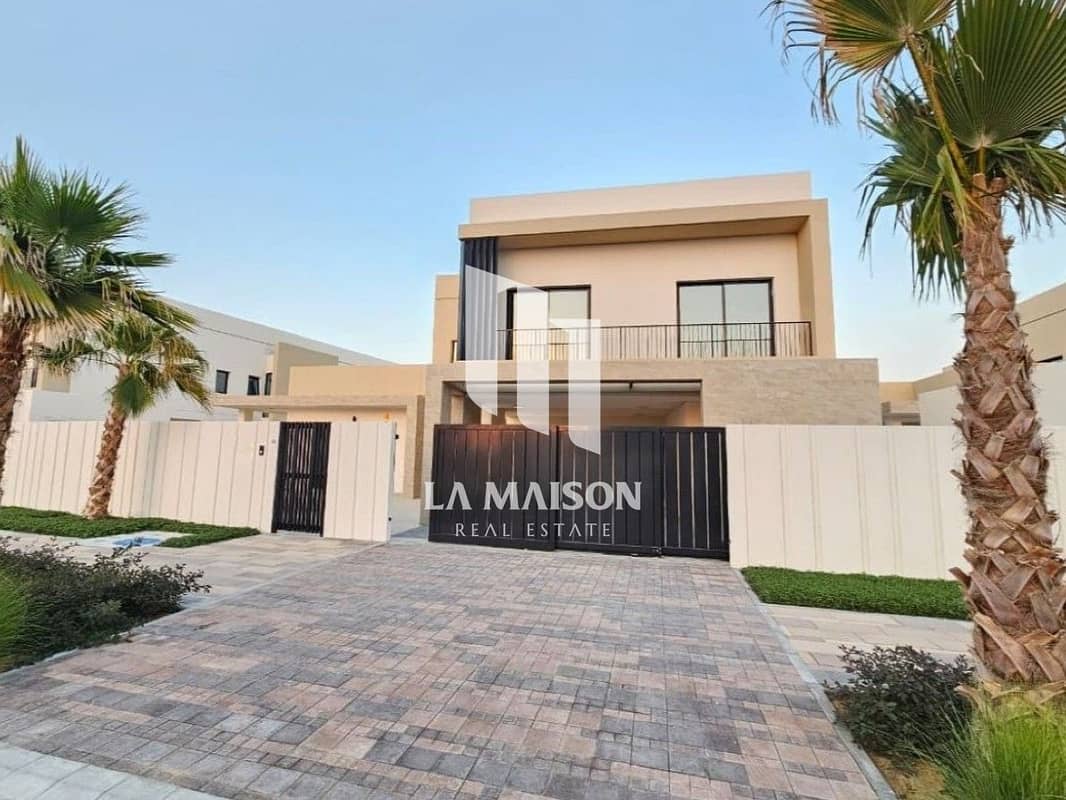


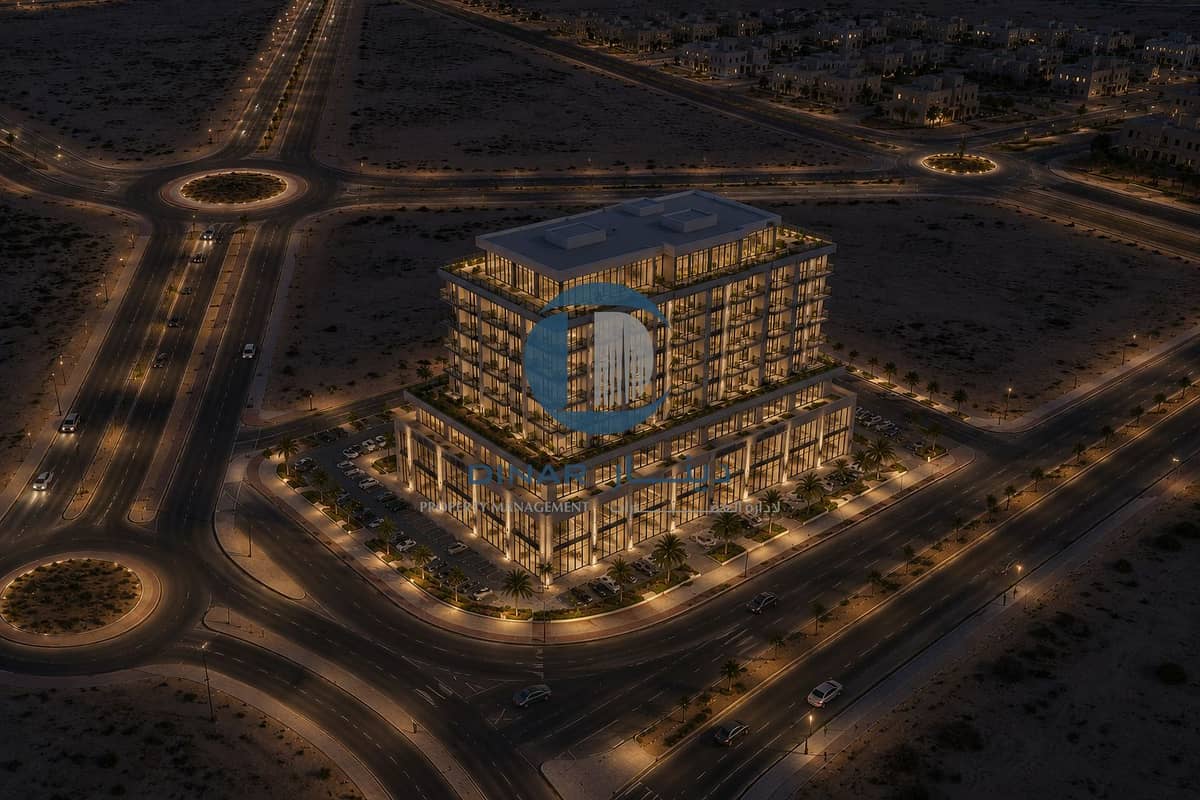
Abu Dhabi on camera
The whole set from the channel: the market and its prices, Saadiyat and the Louvre, the Aldar launches, mortgages, branded residences and the drive from Dubai. Each one has a written breakdown of its own here.


How Abu Dhabi differs from Dubai
Ownership is zoned. Foreign nationals can own freehold only inside designated investment zones — Al Reem Island, Yas Island, Saadiyat, Al Raha, Al Ghadeer, Masdar and others. Outside those zones, freehold is generally not available to non-GCC buyers, though long leasehold and usufruct arrangements exist. In Dubai, by contrast, the designated freehold areas cover most of the city an international buyer would consider.
The market is smaller and slower. Abu Dhabi registers a fraction of Dubai’s transaction volume. That means fewer comparable sales to price against, thinner published data and a longer time to sell. Higher yields are partly compensation for that illiquidity.
Demand is government and corporate led. Abu Dhabi’s economy is anchored by the government, ADNOC, the sovereign funds and the institutions around them, which produces a stable, well-paid, long-staying tenant base — but a narrower one than Dubai’s.
The figures on this page are indicative. They are drawn from market summaries as a guide to relative positioning, not calculated from our own stock the way the Dubai numbers are. Treat them as a way to rank districts against each other rather than as a valuation of any specific property.
Abu Dhabi property: questions and answers
Can a foreigner buy property in Abu Dhabi?
Yes, but under its own rules, not Dubai’s. Full purchase for a foreigner is possible in the investment zones — which include the districts in this guide: Al Reem, Saadiyat and Yas islands, Al Maryah, Masdar City, Al Reef, Al Ghadeer and others. Deals are registered by the emirate’s Department of Municipalities and Transport, not the Dubai Land Department, and the forms of title differ — the status of the specific property is checked before any deposit, and that is not a formality.
How much does an apartment in Abu Dhabi cost?
Indicative figures for 2026: apartments from $145,000, villas and townhouses from $439,000. These are market entry prices rather than numbers from our own base; the cards above break them down across ten districts together with gross yields, in dollars and dirhams. The entry point sits well below Dubai for comparable build quality — which is exactly why buyers look at Abu Dhabi.
How does the Abu Dhabi market differ from Dubai?
In three ways. The dynamics are calmer: less speculative activity, fewer sharp moves in either direction — good for predictability, bad for a bet on fast growth. Entry is lower and gross yield higher — in exchange liquidity is thinner: fewer buyers when you resell. And the market is more centralised: a large share of projects is run by Aldar, so build quality is more even than in Dubai districts with dozens of developers on one plot.
What yields does Abu Dhabi property produce?
Apartment districts run higher gross yields than villa districts — that is normal: a villa is paid for as a format, not a percentage. The specific percentages sit on the district cards above, sorted from the highest. Read them as market benchmarks before service charges, void periods, management costs and taxes in your country of residence — the net figure is always lower, and the gap is wider in the cheap segment.
Saadiyat or Yas — which one?
Two different products. Saadiyat is the museum and beach island: the Louvre Abu Dhabi, universities, the emirate’s most premium pricing and a buyer who pays for the address. Yas is the entertainment island: Ferrari World, the race circuit, parks and malls — hence a steady flow of short-term rental demand. The investor chasing percentage more often fits Yas or apartment districts like Al Reem; the buyer of capital and status — Saadiyat. Both have full guides behind the cards.
Does buying in Abu Dhabi qualify for a residence visa?
Yes: the Golden Visa for property investment is federal and works in Abu Dhabi exactly as in Dubai. The threshold is AED 2 million, about $545,000 (in force since 2022); the visa runs ten years, renews while you own the property and lets you sponsor your family. Note that properties in different emirates do not add up: two apartments at a million dirhams each in Abu Dhabi and Dubai do not qualify.
Do you hold stock in Abu Dhabi like in Dubai?
Almost none, and it is more honest to say so: our base of discounted lots lives in Dubai, and the figures in this section are market benchmarks, not calculations from our own stock. When lots in the emirate do appear, they show up right on this page in the “In stock now” block. For a specific Abu Dhabi brief I search manually — send the budget and the goal.
How do you get from Abu Dhabi to Dubai?
By car on the E11 — around an hour and a half between the centres, and plenty of people live in one city while working in the other. Public transport is weaker: there is no metro between the emirates and the bus is slower. On the horizon is the Etihad Rail passenger line, which is set to link the emirates with a journey under an hour; for the villa districts halfway along, such as Al Ghadeer and Al Jurf, that is the main future price factor.
Who is Abu Dhabi better for than Dubai?
Anyone choosing predictability and percentage over speed: income investors with a five-year-plus horizon; families — the city is calmer and cheaper to live in; buyers of premium for their own use — Saadiyat offers an address of a class that costs more in Dubai. Dubai remains the answer for those who need maximum liquidity and a live resale market. Send the budget and the goal — I will run both emirates against your brief and tell you where your option is.
Considering Abu Dhabi instead of Dubai?
Tell me the budget and what you want the property to do. I will give you the honest comparison — including the cases where Dubai is simply the better answer, which is more often than an Abu Dhabi page is supposed to admit.
Ask on WhatsAppAsk a question
Telegram is the fastest way — I answer personally.
Message on Telegram