Jumeirah International: living next to a convention centre
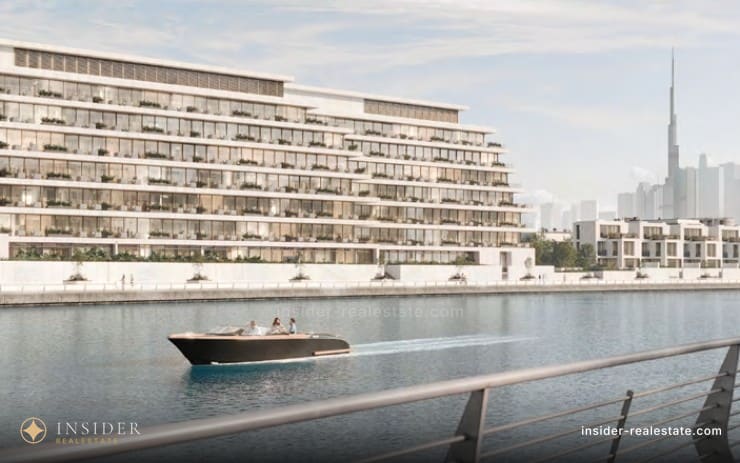
A developer with a serviced residence tower by the World Trade Centre. Event-driven districts have a demand pattern unlike anywhere else in the city, with the disruption to match.
A district built around an exhibition and convention centre runs on a calendar rather than on a weekly rhythm. For an owner that is both the opportunity and the drawback, and the two arrive on the same days.
How event demand behaves
- It is concentrated. Major exhibitions fill every hotel room and serviced apartment nearby, and rates during those weeks are multiples of the ordinary level.
- It is predictable. The calendar is published a year ahead, which is unusual — most rental demand cannot be scheduled.
- It is not year-round. Between events the same units compete on ordinary terms with the rest of central Dubai.
- It is corporate. Bookings come through companies and organisers, not individuals, which means different distribution and different standards.
The practical consequence: an annual average conceals a small number of very strong weeks and a majority of ordinary ones. Model it month by month, not as a yield.
What it costs to live there
- Traffic and access during major events, concentrated into a few days and severe while it lasts.
- Noise and crowds on the same schedule.
- A district that is quiet in between — business districts empty at weekends, which some residents like and others find bleak.
Serviced residences specifically
Where the building is operated as serviced apartments, the usual questions apply and matter more here because the model depends on them:
Talk to a licensed broker: 📲 +971 50 120 32 64 on WhatsApp, @dubai_oleg on Telegram
- Is your unit in a rental pool, and if so what is the split, the term and your permitted personal use?
- Can you let it independently, or is the operator the only route?
- What are the real distributions over recent years, net of all charges — not a projected yield?
- What does the operator provide, and what does that standard cost in the annual charge?
- Will a bank lend on it? Serviced and pooled units are financed differently from ordinary residential.
What else to check
- Service charge history and the reserve fund.
- Cost apportionment if the building mixes hotel, serviced and residential components.
- Metro proximity, which in this district is what makes it work on ordinary days.
- Resale evidence, since pooled units sell to a narrower buyer pool and take longer.
Based on the Dubai Land Department register and standard serviced-residence operating practice.
Video on this topic
The same subject on the English channel — each clip has a written version of its own.
 55:13Land plots and joint ventures in Dubai: how investors and developers split the profit9 October 2026
 51:14AI in Dubai real estate: what changes for brokers, investors and developers3 October 2026
 19:45Oceano on Al Marjan Island: the Luxe Developers project and the island being built around it14 August 2026
 12:00XXII Carat on Palm Jumeirah: 22 Mediterranean villas compared with Raffles and Zabeel Saray20 September 2023

In the news
Other write-ups on the site about the same thing.

Parshwa Holdings Ltd and Zabeel Investments: buying from a joint venture
A Palm Jumeirah building delivered by two companies together. Joint ventures are common in Dubai development and they change one thing that matters: who exactly owes you what.

How to choose a developer and a broker in Thailand: a market where agents need no licence
Estate agency in Thailand is unlicensed: someone who arrived a year ago can sell flats. How to spot a broker who knows the market, and the four signs by which to vet a developer.

Title deeds in Thailand: why the ownership document takes from 3 months to 5 years
Until the building is handed over, a buyer in Thailand holds the unit only under a contract with the developer. The title deed is issued after handover — in 3–8 months, or up to 5 years if the documents are pledged to a bank.

Thailand has no escrow accounts: what happens if a developer goes bankrupt and how to check the land
There are no escrow accounts for off-plan purchases in Thailand. If a developer goes bankrupt, contractors and suppliers are paid first. Checking the land in the registry and avoiding pre-sales reduce the risk.

Cash in Dubai property deals: the AED 55 000 limit and what gets checked
In May 2024 two of Dubai’s biggest master developers, with 30–40% of sales by value, capped cash at AED 55 000 per deal — the rest by bank transfer. The same threshold triggers mandatory broker reports on cash and crypto-funded deals.

Construction Week's Top 100 GCC Developers: UAE firms take more than half the list
Construction Week ranks the 100 largest developers in the Gulf by the value of completed and under-construction projects. UAE developers hold more than half the spots — from Emaar and Aldar to DAMAC and Danube. How to read the ranking, and what it tells a buyer.
Related services
Below market in Jumeirah right now
From the daily off-market feed. Availability and price are confirmed on request.
All below-market listings →