Seven Tides: hotel apartments on the Palm, and what you actually own
A developer whose Palm Jumeirah buildings are run by hotel operators. The difference between a serviced apartment, a hotel unit and a normal flat — and why it decides everything else.

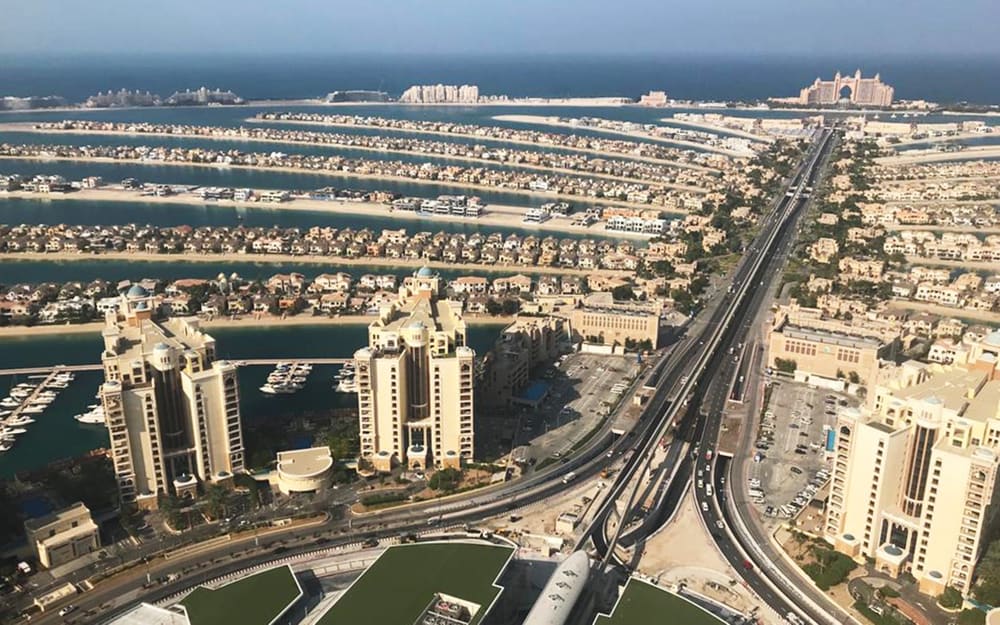
Seven Tides is best known for Palm Jumeirah buildings operated under hotel brands. That single fact — an operator in the building — changes the nature of the asset more than any other feature, and it is the thing buyers most often misunderstand.
Three different products that look alike
- A normal apartment. You own it, you let it to whomever you like, you choose the agent, you keep the rent.
- A serviced apartment in an operated building. You own the unit, but the building runs to hotel standards with hotel costs, and house rules may restrict how you let it.
- A hotel unit in a rental pool. Your income is a share of the pool's performance, not of your unit's. You may not be able to let it independently, and your own use of it can be limited by the agreement.
Establish which of the three is in front of you before discussing price. Everything — yield, financing, resale, even whether you can stay in it yourself — follows from that answer.
What operated buildings give
- Professional management and a maintained building, which on a beachfront site is real work.
- Access to short-stay demand through the operator's own distribution, which an individual owner cannot match.
- A furnished, standardised product that needs no involvement from you.
What they cost
- A high service charge. Hotel standards are expensive, and owners pay for them every year whether occupancy is good or not.
- The operator's margin, taken before your share.
- A narrower buyer pool on resale. Units tied to a rental pool sell to investors who accept that structure, and that market is thinner than the market for a plain apartment.
- Financing is harder. Banks treat hotel and pooled units differently from residential, and non-resident terms can be tighter still.
What to check
- The operating and rental-pool agreements in full — the split, the term, what happens at expiry, and what you can and cannot do with your own unit.
- Actual distributions over recent years, net of charges, rather than a projected yield.
- The service charge history.
- Building age and condition. Much of this stock trades on the secondary market and is well over a decade old — a survey and the reserve-fund position are worth their cost.
- Whether a bank will lend on it, before you rely on financing.
Who it suits
- An investor who wants income with no operational involvement and has read the pool agreement.
- Buyers who want a Palm address at a lower entry price than a private villa or a plain apartment of the same size.
- Not a buyer who wants control of the asset — control is precisely what is traded away here.
Based on the Dubai Land Department transaction register and standard hotel-residence operating practice.
Talk to a licensed broker: 📲 +971 50 120 32 64 on WhatsApp, @dubai_oleg on Telegram
Video on this topic
The same subject on the English channel — each clip has a written version of its own.
 13:04Seven Palm on Palm Jumeirah: an infinity pool, a rooftop bar and a hotel underneath8 May 2024
 34:38Interior design in Dubai: neuroarchitecture, longevity design and soulful luxury explained8 October 2026
 56:22Villa restoration in Dubai: what marble, wood and furniture repair costs in luxury homes4 October 2026
 12:00XXII Carat on Palm Jumeirah: 22 Mediterranean villas compared with Raffles and Zabeel Saray20 September 2023
 55:13Land plots and joint ventures in Dubai: how investors and developers split the profit9 October 2026

In the news
Other write-ups on the site about the same thing.

Parshwa Holdings Ltd and Zabeel Investments: buying from a joint venture
A Palm Jumeirah building delivered by two companies together. Joint ventures are common in Dubai development and they change one thing that matters: who exactly owes you what.

Taraf Development: a branded villa is not a branded apartment
A developer building branded homes on the Palm and branded villas in MBR City. Putting a fashion name on a house works differently from putting it on a tower, in three specific ways.

Scope Investment: a 2022 tower, and the first wave of resales
A Dubai Marina tower completed a few years ago. Buildings at this age go through a predictable event that shapes their prices — and it is a buying opportunity if you can see it.

Al Fattan Properties: when the developer still owns half the building
A family developer whose JBR towers date from 2006 and who retained a large share of them. A developer that stays as a major owner changes how the building is run — for better and worse.

Artar Real Estate Development: a small building in Downtown, where the landmarks are
A developer with a mid-size Downtown Dubai tower completed in 2018. What an ordinary building in an extraordinary district is worth, and how to price it honestly.

ETA Star: an engineering group that built apartments
The property arm of a large regional engineering and contracting group, with towers in the Marina and on the Palm. What an engineering parent means in a delivered building.
Related services
Below market in Palm Jumeirah right now
From the daily off-market feed. Availability and price are confirmed on request.
All below-market listings →