
Swiss Property: the first year of a newly delivered building
A developer whose branded residence on the creek completed recently. The year after handover has its own checklist — defects liability, association formation, and the charges nobody has tested yet.

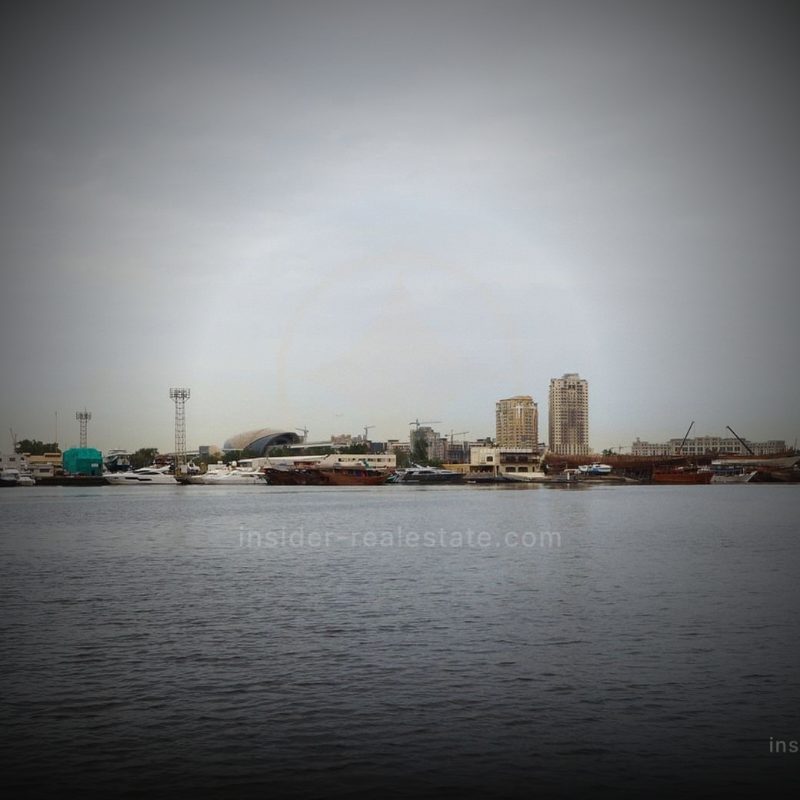
Swiss Property delivered a hotel-branded residence on the creek in 2025. A building in its first year is a specific moment to buy into — most construction risk is gone, and a different set of questions has just begun. Almost nobody asks them.
The first year has its own checklist
- The defects liability period is running. New buildings carry a period during which the developer must remedy defects, and structural elements typically carry a longer statutory protection. Establish what applies, how long is left, and how a claim is actually made.
- Snagging is still being worked through. Ask the building manager what the common defects have been. Recurring items across many units tell you about the build, not about bad luck.
- The owners' association is being formed. Until owners take control, the developer or its manager makes the decisions. Ask where that process stands.
- The service charge is an estimate that has never been tested. The first budget is projected, not measured. Second and third-year figures are frequently higher once real consumption is known — this is normal, and it should be expected rather than treated as a surprise.
- The reserve fund starts near zero. A new building has no history of contributions, so the pace at which it is being built up matters for the next decade.
What buying at year one gives
- No construction risk and no handover date — the largest off-plan risks have already resolved.
- You see the finished product — the actual view, the actual common areas, the actual quality.
- Income can start immediately.
- Remaining warranty protection, which a ten-year-old building no longer has.
The branded element
Where a hotel brand is attached, establish whether an operator actually runs services in the building or whether the arrangement is a design licence. The first creates ongoing value and an ongoing charge; the second creates neither. Ask for the agreement's term and what happens at expiry — a new building makes this easy to check while the paperwork is fresh.
What else to check
- Occupancy. A part-empty new building has thin comparables and untested running costs; count furnished balconies in the evening.
- Achieved rents in the building itself, now that some units are let.
- What remains unbuilt nearby, and what is approved on it.
- Parking allocation and short-let rules.
Who it suits
- A buyer who wants a new building without off-plan risk and will ask the first-year questions.
- Investors wanting income now with warranty protection still running.
- Not a buyer who assumes the first service-charge budget is the permanent one.
Based on the Dubai Land Department register and standard handover and owners' association practice.
Talk to a licensed broker: 📲 +971 50 120 32 64 on WhatsApp, @dubai_oleg on Telegram
Video on this topic
The same subject on the English channel — each clip has a written version of its own.
 29:32Mortgage for the final payment in Dubai: how to finance the handover instalment17 September 2026
 55:13Land plots and joint ventures in Dubai: how investors and developers split the profit9 October 2026
 51:14AI in Dubai real estate: what changes for brokers, investors and developers3 October 2026
 19:45Oceano on Al Marjan Island: the Luxe Developers project and the island being built around it14 August 2026
 2:35Object 1 in JVC: 1Wood, V1ter, Ra1n and Ozone, explained by the development director7 February 2024
In the news
Other write-ups on the site about the same thing.

Continental Investments: how to judge a central district nobody talks about
A developer building in Al Jaddaf, minutes from the centre and rarely mentioned. Overlooked districts are either an opportunity or a trap, and four checks tell you which.

UAE developers under S&P and Moody's review: liquidity, construction costs and handover dates in 2026
In March 2026 S&P saw no liquidity pressure at Emaar, DAMAC, Omniyat and PNC Investments. In July Moody's reported most UAE projects due in 2026–27 on schedule despite imported materials costing 20–25% more. What off-plan buyers should take from both.

MGS Development: setting up a property you have never visited
A developer building on the Dubai Islands. Between handover and the first tenant there is a list of connections and registrations, and every one of them needs someone on the ground.

Aras Development: how to inspect a new apartment at handover
A developer building in Majan. The handover inspection is the last moment at which defects are cheap to fix — and most buyers spend twenty minutes on it.

Dubai Creek Gardens: 1 400 homes in Al Jaddaf and the UAE’s first Westin and Renaissance Residences
Construction has started on Dubai Creek Gardens in Dubai Healthcare City Phase 2 (Al Jaddaf): an AED 3bn community of more than 1 400 homes on 127 000 sq m, 70% of it green, with the UAE’s first Westin and Renaissance residences. Completion 2030.
Dubai Healthcare City breaks ground on an AED 1.3bn phase one expansion
Dubai Healthcare City has started an AED 1.3bn ($354m) phase one expansion: the 13 000 m² PIXEL office building and the 5 800 m² IBN SINA+ medical complex. Ground was broken on 29 April 2026, with completion planned for 2027. What it means for homes in Al Jaddaf and Healthcare City Phase 2.