
Why the payment schedule matters more than the price: 40% against 80% halves the return
Attention goes to renders, location and the headline price. For an investor a different line comes first — and the arithmetic on it is unforgiving.

Looking through a developer's materials, attention goes to the renders, the location and the final price. For an investor a different line should come first: the payment schedule.
The arithmetic on a simple example
Say the property appreciates 10% during construction. Everything then turns on how much you have already paid in.
- 40% paid: a 10% gain on the full price produces 25% on the money you have deployed.
- 80% paid: the same gain produces 12.5%.
Same property, same market, twice the difference — purely because of the payment structure.
Talk to a licensed broker: 📲 +971 50 120 32 64 on WhatsApp, @dubai_oleg on Telegram
What follows
If the aim is resale before handover, a soft payment plan matters more than a discount. A 40/60 or 50/50 structure leaves the capital with you; 80/20 puts it into the construction.
Hence a non-obvious conclusion: the largest developers with the most reliable projects often hold hard schedules — 70/30 and 80/20. For an owner-occupier that is no problem; for an investor planning a resale it is a real constraint on flexibility. Reliability and return on deployed capital pull in different directions here.
How to calculate it properly
- Add up everything you pay before the keys, including the registration fee.
- Divide the expected gain by that sum, not by the price of the property.
- Check whether assignment is permitted and from what point: with some developers the window closes months before handover.
- Allow for the cost of exit: the assignment fee, the buyer's registration fee, commission.
And keep the other side in view: a soft payment plan usually means a higher price per foot. Projects have to be compared on both parameters at once, never on one.
Video on this topic
The same subject on the English channel — each clip has a written version of its own.
 10:22Australia vs Dubai property investment: 10/90 payment plans, tax and rental yield10 October 2026
 8:01Island Park at Dubai Creek Harbour: an Emaar tower that is almost finished9 August 2024
 1:38Binghatti Hills at Arjan: the volume play, examined10 September 2025
 1:31Binghatti Haven in Dubai Sports City: cheap for a reason, or cheap for a good reason?9 September 2025
 6:37Nautica by Select Group: the payment plan, the school and the 2-bedroom question22 September 2023

In the news
Other write-ups on the site about the same thing.

Dubai property investment mistakes: five errors that cost investors money, with the numbers
Five mistakes Dubai property investors repeat: trusting the 8% listing yield when the net is 6.7%, comparing prices instead of payment plans, buying the district not the building, entering with no exit plan, and believing a guaranteed 7%.

Mortgages for Resale Off-Plan Property in Dubai: An Exit From a Payment Plan You Can No Longer Afford
Dubai banks have started financing the purchase of under-construction units on the resale market. Conditions: building at least 50% complete, a limited developer list, and legal residency status. For an owner, it's a way to stay in the deal.
FALA by KASCO Al Jaddaf: prices, payment plan and location
FALA by KASCO is a 109-home waterfront building at Jaddaf Waterfront in Dubai by KASCO Developments. Studios from 419 sq ft up to three-bedroom homes, a 40/60 payment plan and handover in Q4 2028.
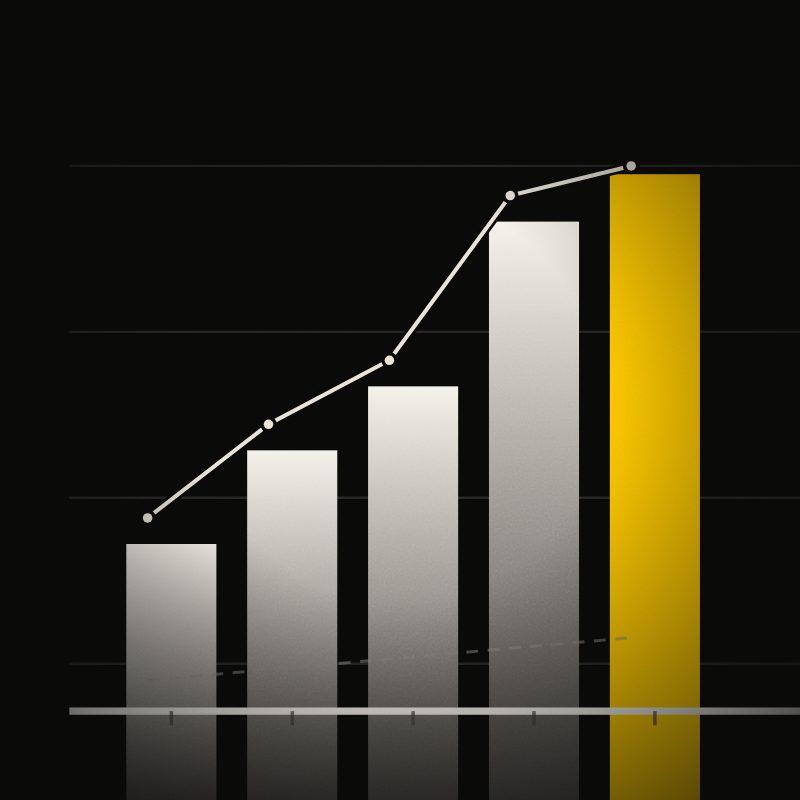
Resale or rental in Dubai: two investor strategies compared, plus a third — flipping
Selling before handover returns 25% on capital if prices rise 10% and you have paid 40%. Renting pays 5.5–6.5% net every year. Flipping a villa: buy at AED 12.5m, spend 3m, sell from 19m. Three Dubai strategies compared on cash, time and risk.

Kore by Imtiaz in Dubai Land Residence Complex: studios from AED 679,000, handover in Q4 2028
Imtiaz has launched Kore, a 17-storey residential building in DLRC: 406 sq ft studios from AED 679,000, one-bedrooms from AED 1.1m, 1,406 sq ft two-bedrooms from AED 1.55m. Handover in Q4 2028, on a 50/50 or 60/40 post-handover plan.
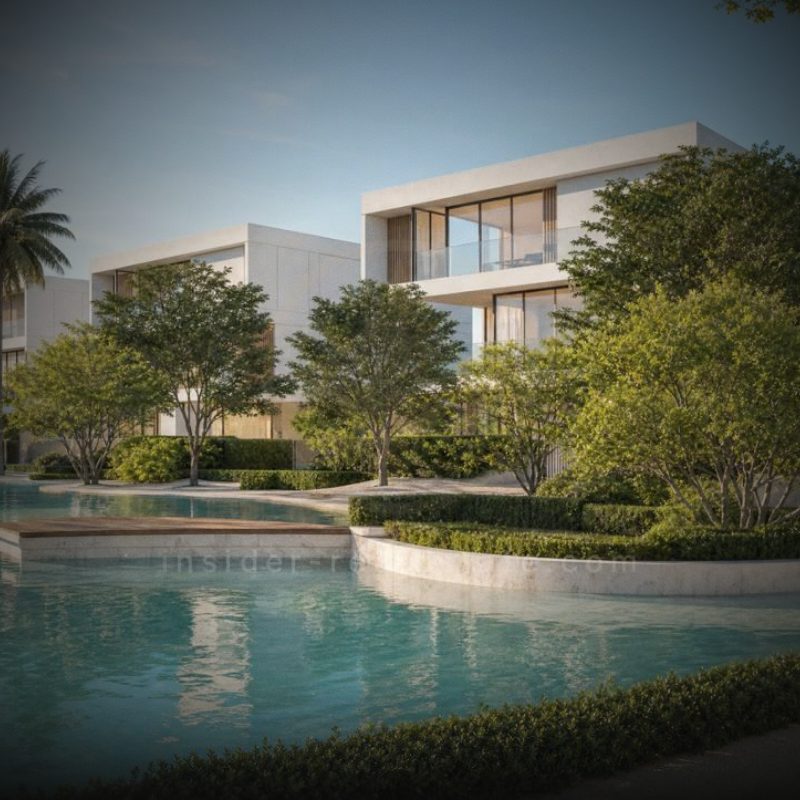
Post-handover payment plans in Dubai in 2026: how they work, and how they differ from paying on completion
Post-handover plans leave 25–50% of the price to be paid after you receive the keys, typically at 1% a month over two to three years. Examples from Tréppan Vision, RAW District and Altair 52, why Lunaya is a different structure, and what to check in the SPA.