
Earthquake safety and building codes in Turkey: what to check in a building before you buy
Since the 2023 earthquakes, structural quality in Turkey is no longer a theoretical question. The permit year, the code edition, compulsory DASK insurance, urban transformation status — what to look at in a specific building.
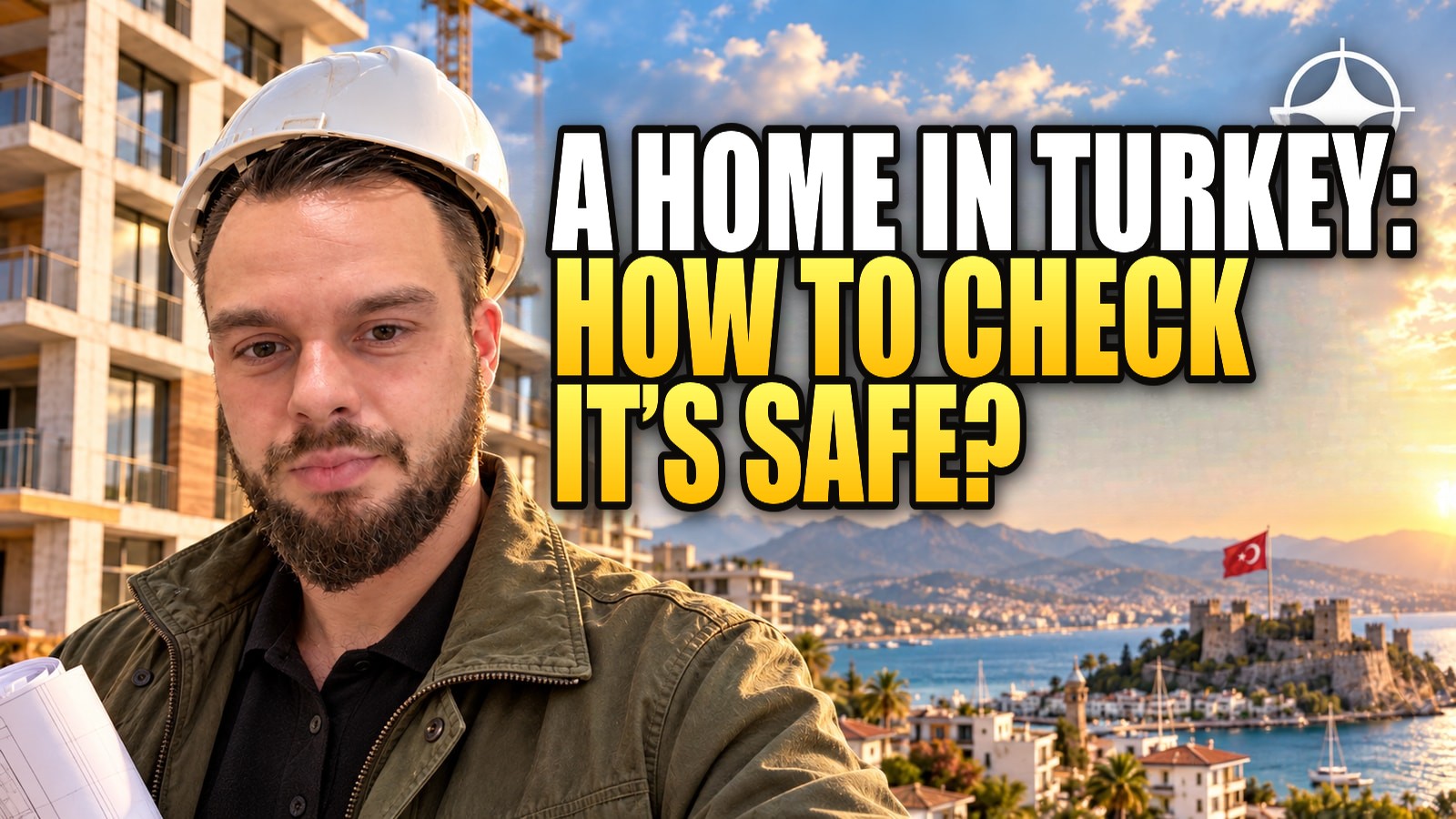
When foreign buyers talk about Turkish property, the conversation is usually about the view, the pool and the price per square metre. The February 2023 earthquakes in the south-east of the country brought back into that conversation the question buyers elsewhere ask first: how was the building built?
Why the construction year is the key number
Turkey's seismic codes have been revised several times, and each revision tightened the structural requirements substantially. A building designed under the current edition of the code and a building of the same height put up several decades ago are fundamentally different objects when it comes to how they behave in an earthquake.
- Don't ask "is the building new" — ask the year the building permit was issued and which edition of the code it was designed to.
- A refurbished facade does not change the structure. A renovated entrance and new windows tell you nothing about the load-bearing frame.
- Unauthorised alterations are a danger of their own. A load-bearing wall knocked out on the ground floor to make room for a shop is a classic story in older Turkish buildings.
Urban transformation
Turkey runs a programme to demolish and replace seismically unsafe buildings. For a buyer that means two different stories at once: an apartment in a building included in the programme may mean a new home in the future — or years of uncertainty, disputes between owners and no way to sell. Establish the building's status in the programme before the transaction.
Talk to a licensed broker: 📲 +971 50 120 32 64 on WhatsApp, @dubai_oleg on Telegram
Compulsory insurance
Earthquake insurance for homes in Turkey is compulsory (DASK); the policy is needed to connect utilities and is issued on the property. It is no substitute for checking the structure, but a seller without a valid policy is a reason to look at the property more closely.
What to check, specifically
- The building permit and the occupancy certificate — both documents, not just one.
- The design year and compliance with current codes.
- A structural condition report if the building is not new: an independent technical survey costs a fraction of the apartment.
- Ground conditions and location: in Istanbul, soil conditions differ significantly from one district to another.
- Status in the urban transformation programme.
- Whether the actual layout matches the documents — alterations to load-bearing walls.
How to think about it
Seismic risk is not an argument against Turkey — it is an argument against buying blind. The country has plenty of buildings built to modern codes with proper paperwork; the task is to tell them apart from the rest before the transaction, not after. This is exactly the case where an independent technical inspection is not excess caution but a mandatory part of the purchase budget.
Based on Turkish construction and seismic codes, the urban transformation programme and the compulsory earthquake insurance system for homes.
Related reading
Other write-ups on the site about the same thing.
Bali zoning: why a villa that is already built can still turn out to be illegal
A plot in an agricultural zone, no PBG building approval, letting without an accommodation licence, height limits. What to check in the documents before you pay — and why demolitions are real.

Turkey: revocations and what they teach about buying a citizenship
Turkish authorities have annulled grants made through the property route where the underlying transaction did not meet the conditions. The pattern is worth studying whatever programme you are considering.

Due diligence on the applicant: what is actually examined
Programmes commission background checks from specialist firms, and the process is more thorough than most applicants expect. Knowing the scope explains what to prepare.

Choosing a lawyer for a migration case
The difference between a lawyer and an agent is not seniority — it is regulation, liability and whose interests they act for. Only one of those is checkable.

Overseas recruitment traps: how they are built and how to spot one
Fraudulent job offers are the most common immigration-adjacent fraud in the world, and the ones aimed at professionals are more sophisticated than the obvious version.

Viewing trips and investment tours: how they are actually built
A subsidised trip to look at property is a sales instrument with a well-understood structure. It can still be useful, provided you know which parts are the product.