
 −15%
−15% Al Hamra Waterfront Tower E Al Hamra Village · Studio 1 404 000 AED 1 659 000
Ask about lot NP13-498888
The master developer that built an entire stretch of the Ras Al Khaimah coastline around a golf course — and unlike many resort masterplans, this company owns part of the hotel infrastructure surrounding its own homes, including properties run by Waldorf Astoria and The Ritz-Carlton.
8 lots in stock across 4 projects. Of the 8 with a known status: 5 ready, 3 under construction. By median price — 48th of 137.
Checkable facts about the developer itself. Unlike the figures above, these are not about our stock and do not move with what happens to be listed today.
Al Hamra Real Estate Development was founded in the early 2000s with the goal of turning one stretch of the Ras Al Khaimah coast into a complete resort direction — not standalone houses, but a district with its own waterfront, golf course, shopping centres and a network of international-standard hotels. The group is now led by Group CEO Benoy Kurien, and under his leadership it remains the largest name on this emirate's development map alongside RAK Properties.
What sets Al Hamra apart is vertical integration of the resort product: the company does not merely sell housing next to someone else's infrastructure, it owns part of that infrastructure itself, including hotels run by Waldorf Astoria and The Ritz-Carlton. A developer that is also a hotel operator in the same breath is not that common across Dubai and the northern emirates, and it fundamentally changes how its residential projects should be assessed.
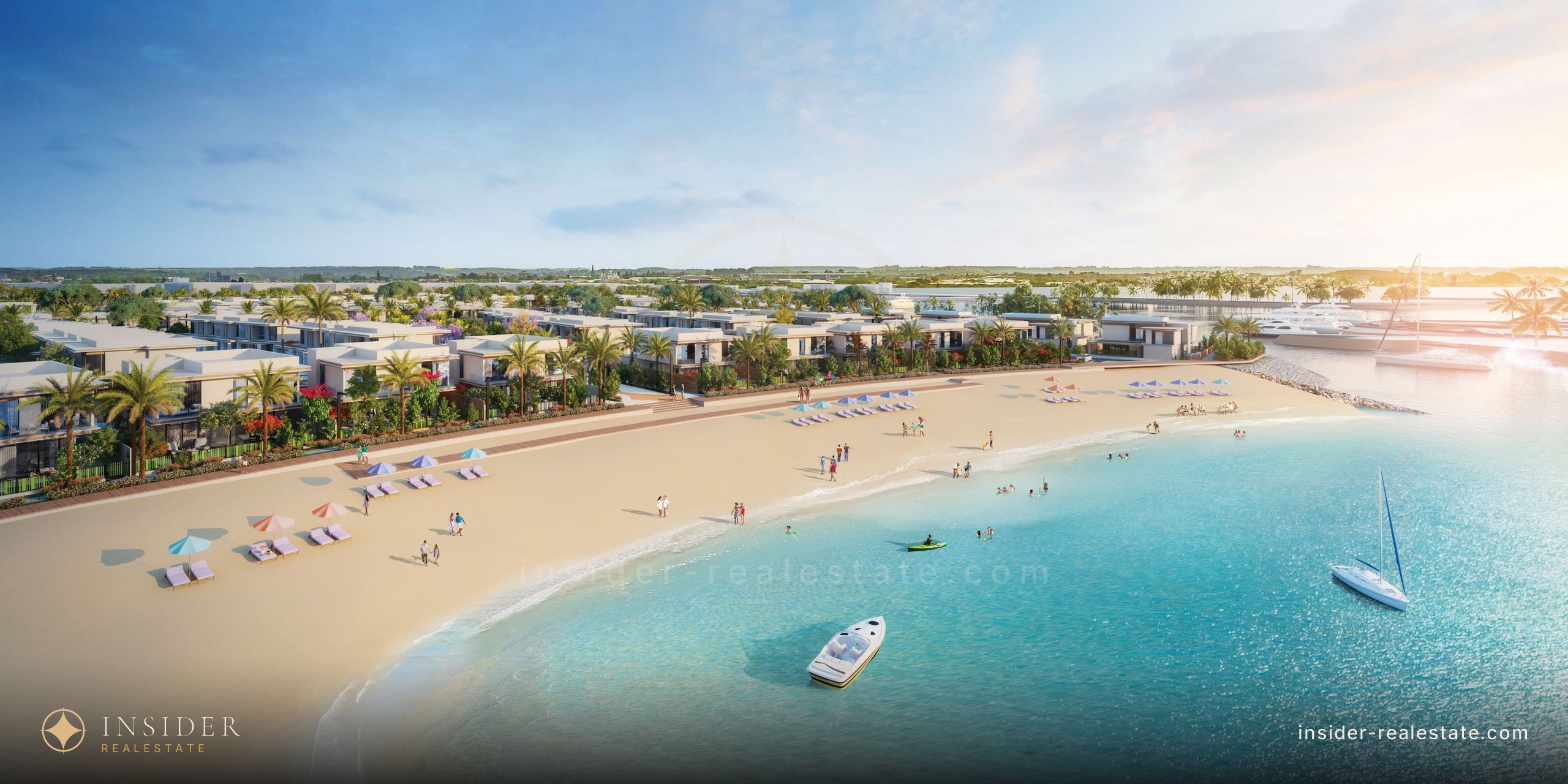
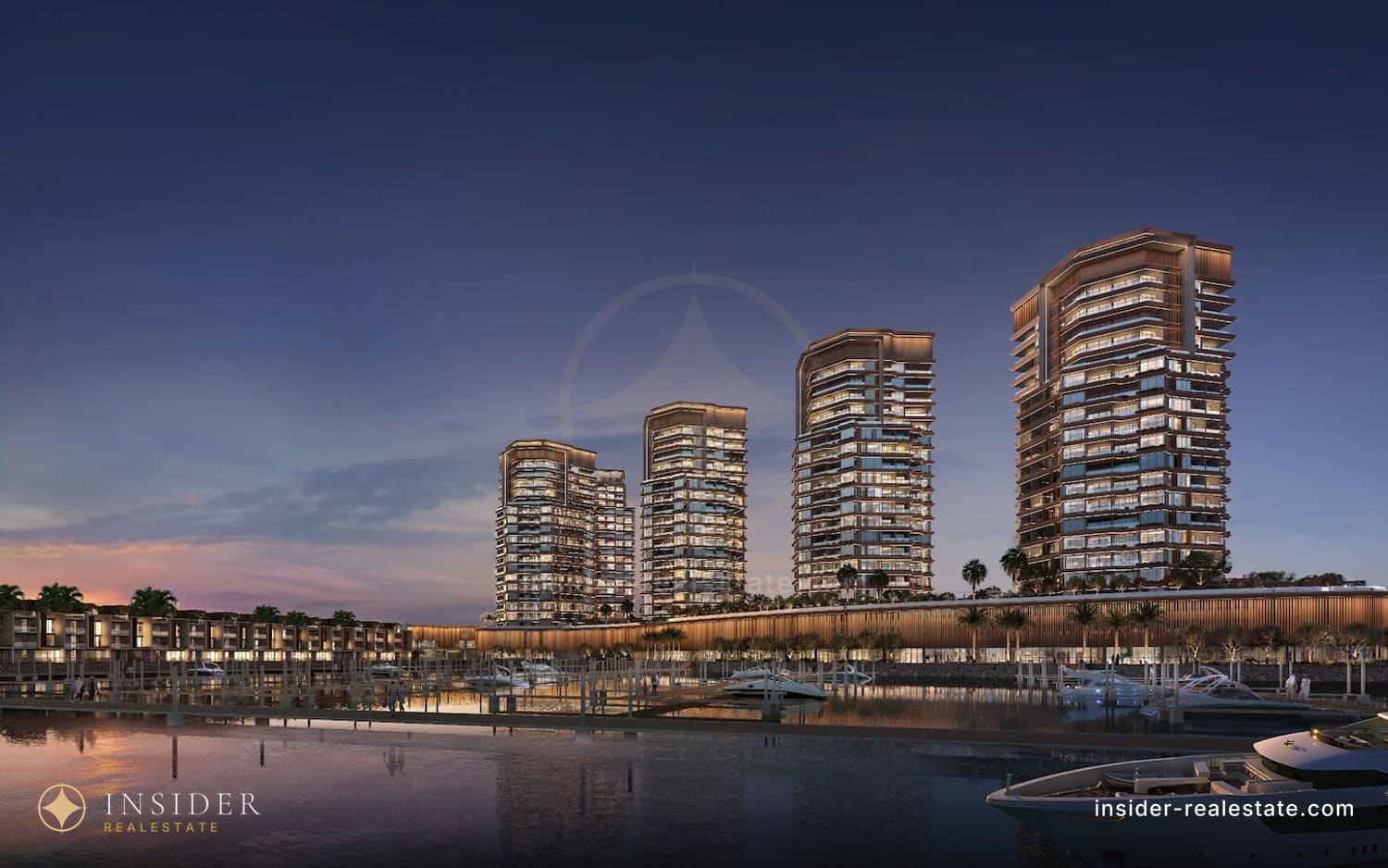
The flagship masterplan is Al Hamra Village, built out with villas and apartments around the Al Hamra Golf Club course and its own waterfront, Al Hamra Waterfront, lined with restaurants and cafes. Nearby is Falcon Island, a more compact villa-and-townhouse project on the water, plus two shopping centres, Manar Mall and Al Hamra Mall, serving the whole district rather than just residents of one complex.
The hotel portfolio is a separate but tightly linked part of the business: Waldorf Astoria Ras Al Khaimah, The Ritz-Carlton Ras Al Khaimah Al Hamra Beach and Al Hamra Village Hotel are already operating, while Sofitel Ras Al Khaimah Beach Resort is under construction. For the residential quarters nearby this is not a brochure flourish — it is real, international-standard hotel infrastructure within walking distance.
When a residential developer also owns the neighbouring hotels, the upkeep of shared grounds and the quality of the resort environment do not depend on a third-party operator's goodwill — the company has a direct stake in maintaining the standard, because its own hotel assets' value depends on it, not just apartment prices. That is a structural advantage over projects where the housing is sold by one developer and the hotel is run by an entirely unrelated company.
The same structure has a flip side: a residential quarter's reputation is tied to the hotel brand's reputation more tightly than in an ordinary project. A change of management at one of the hotels, or a shift in its service level, reflects on the whole direction, including the price and rental appeal of the residential buildings nearby — a risk worth keeping in mind precisely because the link is unusually close.
Like RAK Properties, Al Hamra has no direct competitor of comparable scale within this emirate, and price has to be benchmarked against the general level of resort real estate on this coastline rather than against a neighbouring developer. The market is smaller than Dubai's: fewer registered transactions to compare against, fewer buyers on the way out, and consequently a longer expected time to sell.
That is offset by the fact that the Al Hamra Village resort format is one of the most mature in the emirate: the district has been built out over many years, and its infrastructure is largely already in place rather than under construction in parallel with sales, as in newer projects on nearby reclaimed land.
Residents' rights to the hotel facilities and the golf course, in writing, not from what a viewing agent says — proximity does not automatically mean access. How shared-ground costs are split between the residential quarters and the hotel business is a separate question worth clarifying before signing, especially for complexes physically adjoining a hotel.
Service-charge history and the reserve fund for completed units, the escrow account and project registration number for off-plan — a standard check that is no different here from any other developer, regardless of the company's scale. Also confirm which masterplan phases are still unbuilt and how they sit relative to your building.
For clients looking for a resort lifestyle rather than yield alone, Al Hamra Village is often my first recommendation precisely because of the vertical integration — a rare chance to live in a quarter where upkeep and service standards are backed by the developer's own hotel business rather than an outsourced contract. For clients focused primarily on yield, I am equally direct about the longer exit horizon typical of the Ras Al Khaimah market as a whole.
On specific units I pull registered transactions in Al Hamra Village and Falcon Island specifically, going back several years — there is enough history there to lean on data rather than a forecast, which sets the company's mature quarters apart from many newer projects elsewhere in the emirate.
−15%  −15% −12% −11%
  −7%
−7% 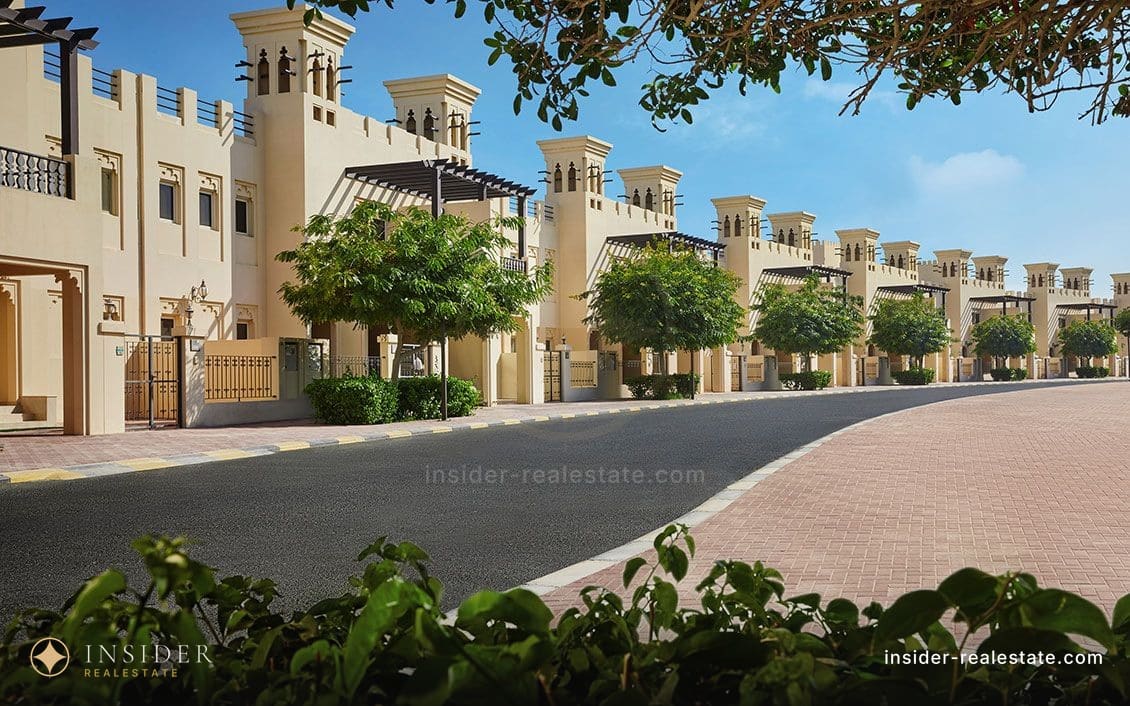 −6% −5% −3%
 Lots are matched to Al Hamra Real Estate Development by project name, since the base has no developer field. The numbers above therefore describe our stock rather than the company’s market share: a developer with a large completed portfolio can show fewer lots than one whose buildings are resold more often.
All prices are asking prices, not sales. For the building you pick I pull the registered Land Department transactions and show the prices deals really closed at.
The median across this developer's lots in our stock is $796K (AED 2 925 000), with entry from $382K. The median per square foot is $350. These are asking prices out of our own base, recalculated every night; they follow what the developer and its sellers actually have on the market, not the price list on a corporate site.
Right now the base holds 8 lots from this developer priced below the market, with the deepest cut at 15%. The discount comes from the seller on a resale or an assignment, not from the developer: they have their own reason to exit quickly. The size of the cut is computed against comparable property by an algorithm, not typed in by a broker.
Founded: 2003. Delivered: Al Hamra Village, Al Hamra Waterfront, Al Hamra Golf Club, Falcon Island, the Manar Mall and Al Hamra Mall shopping centres. Check Al Hamra Real Estate Development in the Land Department’s open register, not in the marketing: licence status, per-project construction progress and the registered escrow account are all there. Off-plan payments land in that escrow under RERA supervision and reach the developer only against verified construction milestones. The full dossier is further up the page.
Our catalogue holds 1 project by this developer, each with a building passport: storeys, unit count, handover date, the mix of bedrooms. The list is on this page. Under each project sit the lots on sale, where there are any.
Money-wise there is no difference: on off-plan the broker is paid by Al Hamra Real Estate Development, not by you, so calling the sales office direct saves nothing. What differs is the view — the developer’s sales team sells only its own buildings and will not mention that the same unit costs less next door or that this project hands over later. On resale and assignment the commission is the usual 2% plus VAT.
It depends what you are buying and why. Send me your budget and the job it has to do — I will tell you which of this developer's projects make sense right now and which I would walk past.
Ask on WhatsAppTelegram is the fastest way — I answer personally.
Message on Telegram