 −24%
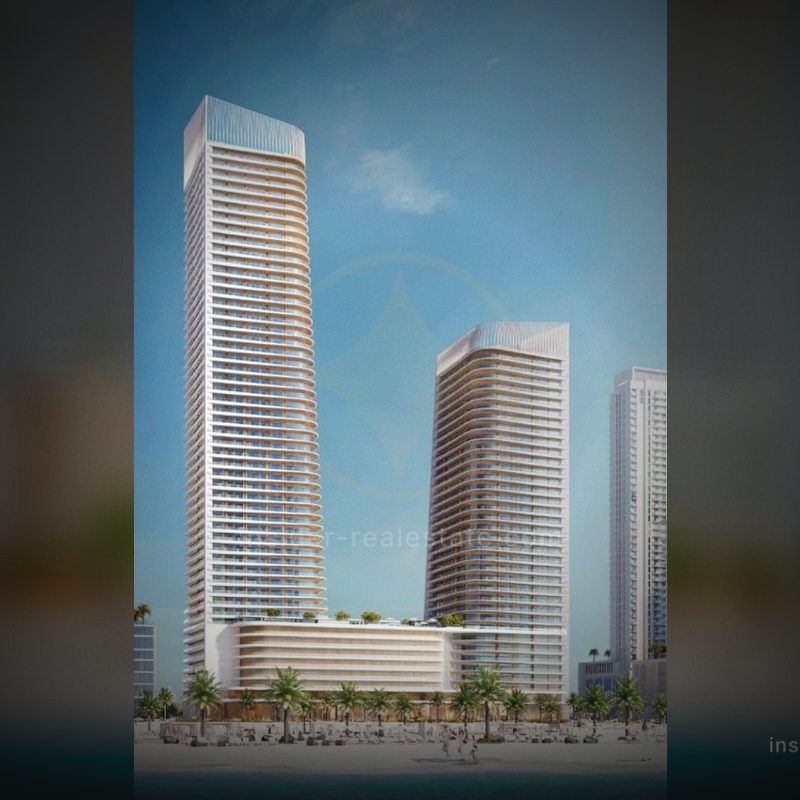
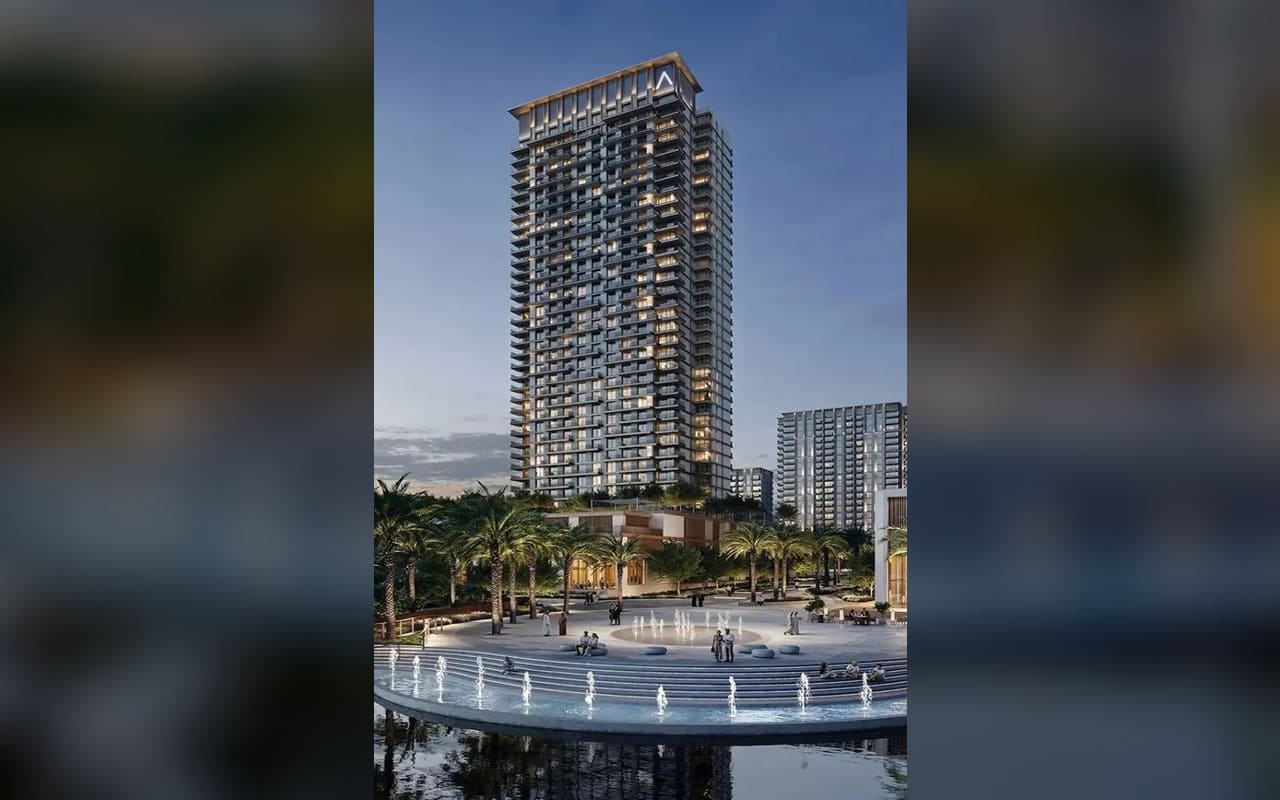
−24% Address Residences Dubai Creek Harbour · 1 BR · Apartment 1,550,000 AED 2,027,000
Ask about lot NP1-104522
 INSIDERrealestate — Home
Rates are indicative. Contracts and DLD fees are always in dirhams.
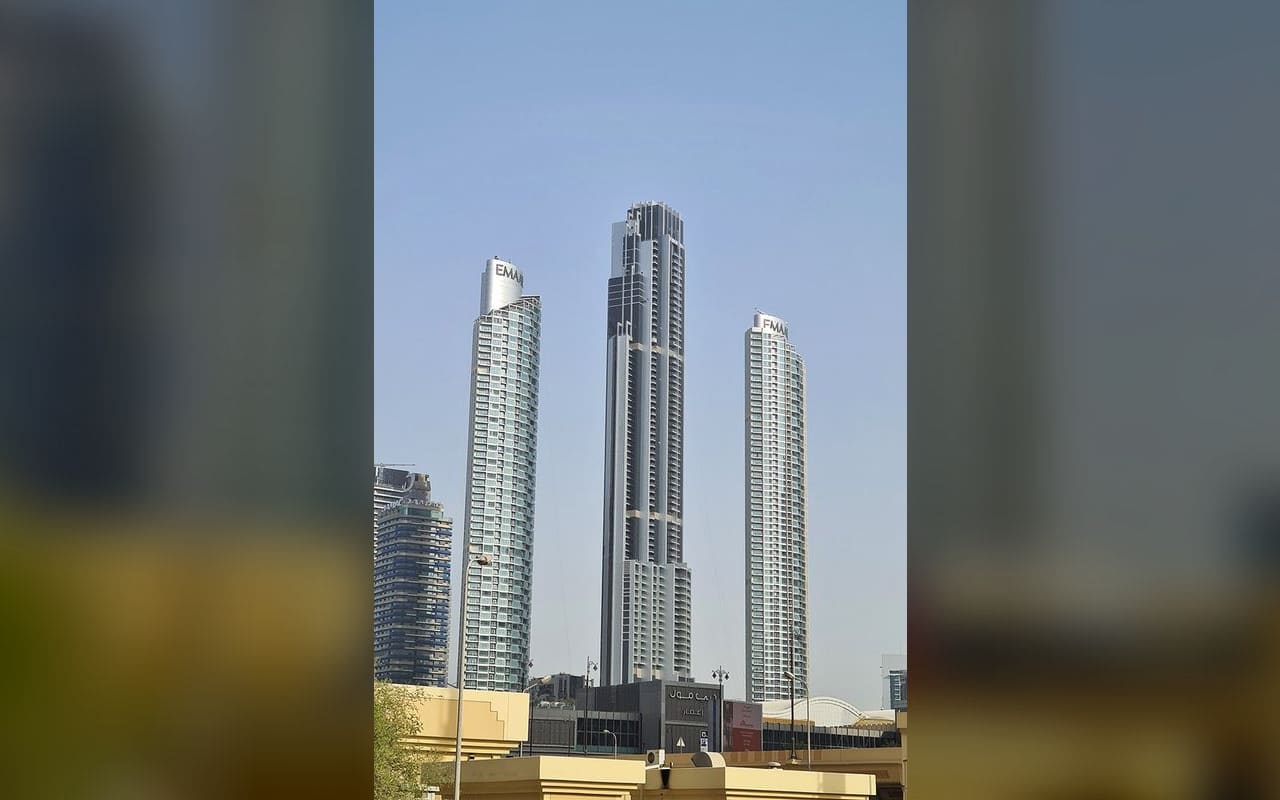
The company that physically built the Dubai you have seen in photographs: the Burj Khalifa, the Dubai Mall, Downtown, a large share of the Marina and half the villa communities you can name.
724 lots in stock across 376 projects. Of the 489 with a known status: 297 ready, 192 under construction. By median price — 41st of 152. The company was founded in 1997.
The districts where this developer has the most lots in our stock.
Checkable facts about the developer itself. Unlike the figures above, these are not about our stock and do not move with what happens to be listed today.
Emaar Properties was founded in 1997, is listed on the Dubai Financial Market, and a large stake sits with the emirate government’s investment arm. That is not trivia — it explains why the company behaves differently from a private developer. It has no need to extract the maximum from a single sales cycle; it has an obligation to a public market and a reputation welded into the city’s brand.
The practical consequence for a buyer is simple. When the market turns, a private developer can slow construction, quietly re-specify, push handover back a year. A listed company has almost no room for that: a delay is a disclosure, analyst questions and a share price move. Emaar’s record on delivery dates is therefore better than the market average, and that — not the marble in the lobby — is what the premium buys.
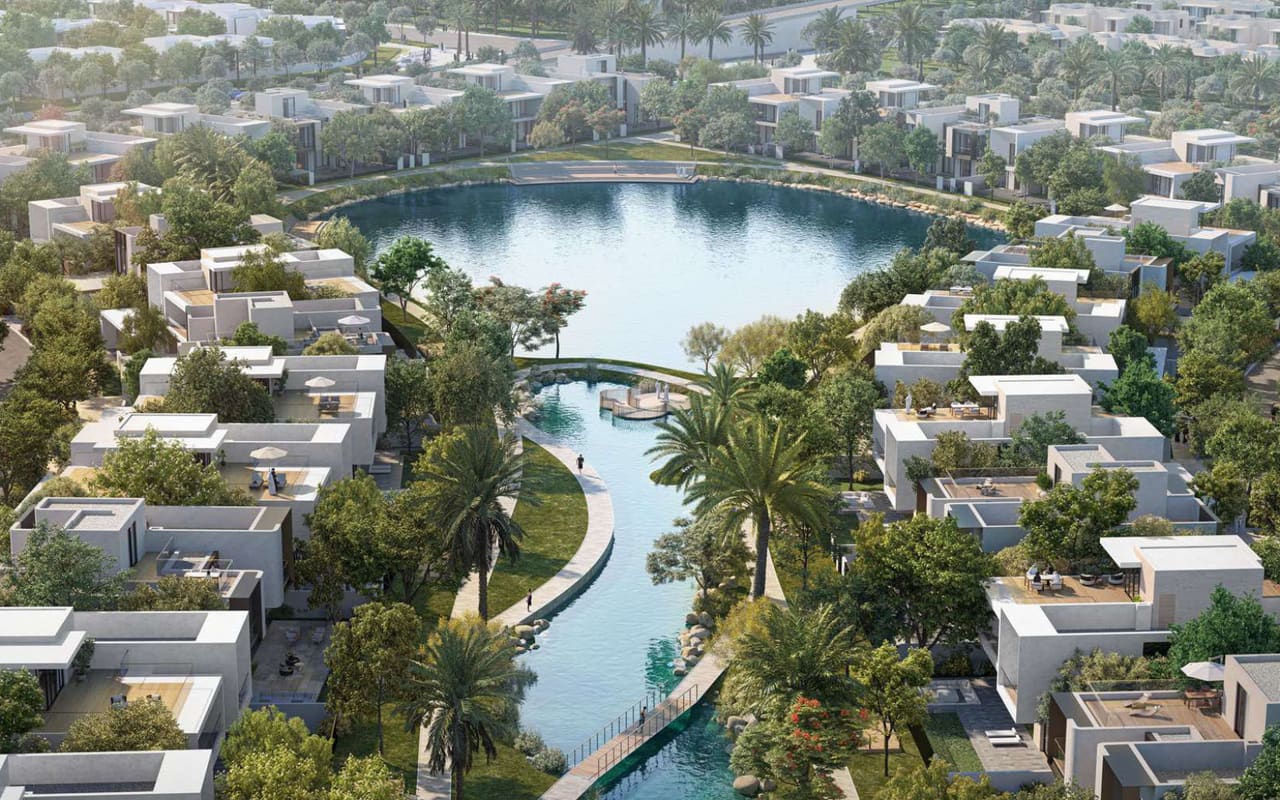
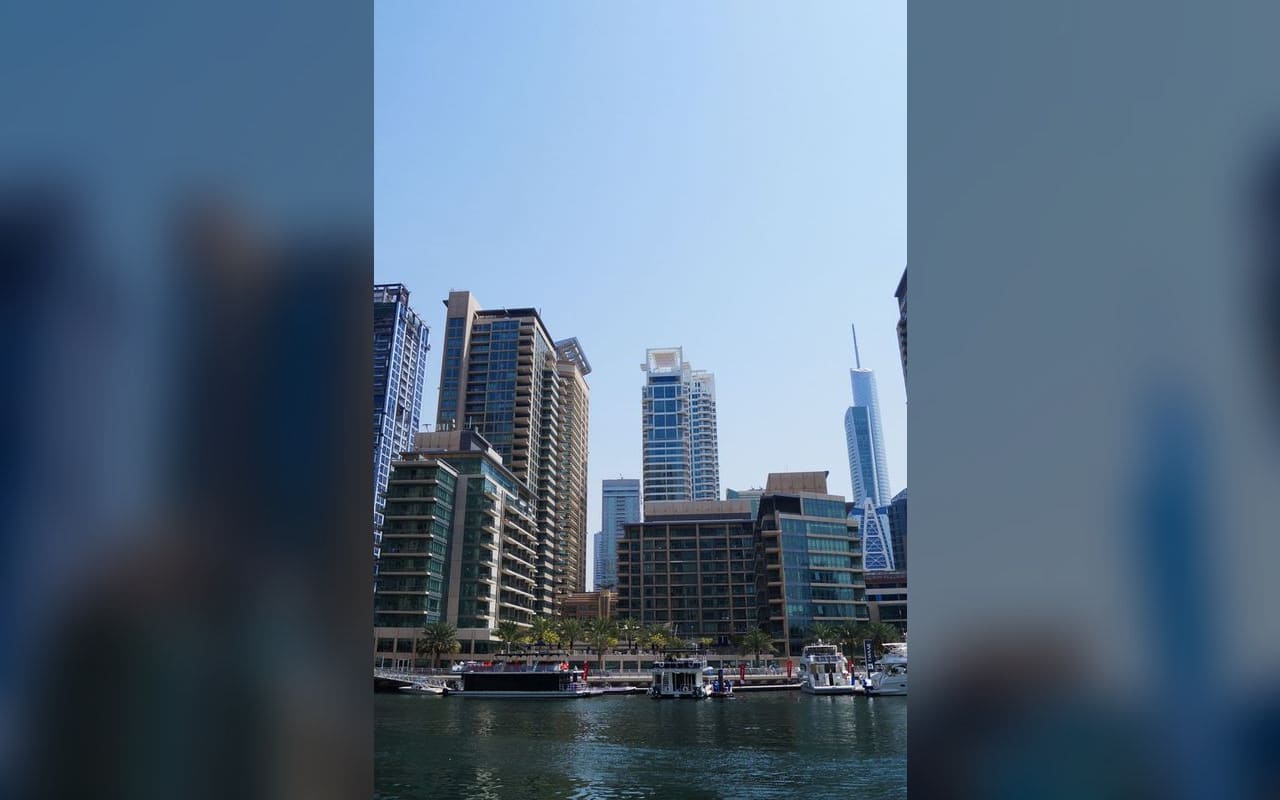
Downtown, with the Burj Khalifa and the Dubai Mall, is an entire district designed as one project. Dubai Marina — a substantial share of the front-line towers. Emirates Living, with the Springs, Meadows and Lakes communities and the golf courses. Three phases of Arabian Ranches. Dubai Hills Estate, built with Meraas, where the villas, the golf course, the park and the mall arrived together rather than a decade after the first residents.
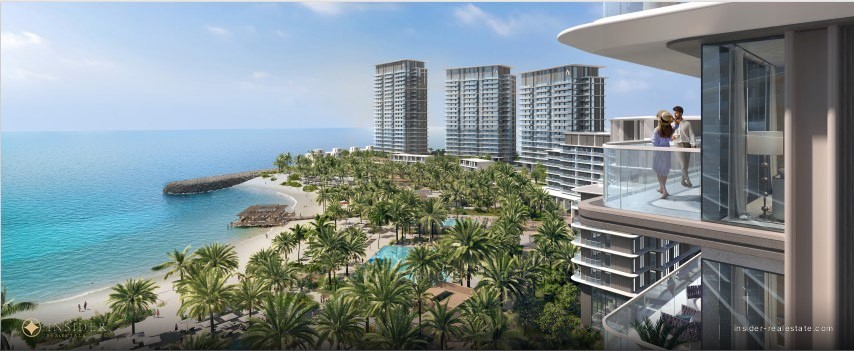
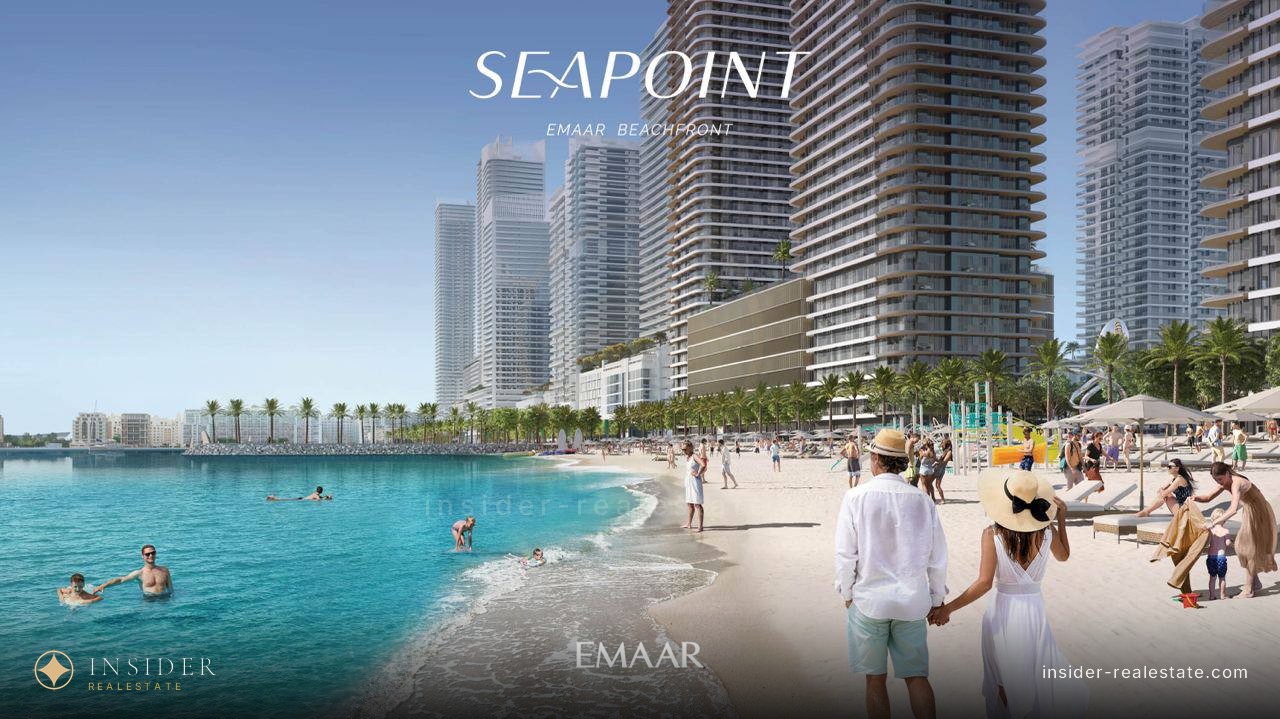
More recent work: Dubai Creek Harbour along the creek, Emaar Beachfront on the reclaimed peninsula beside the Marina, The Valley and The Oasis out towards Al Ain. A separate line is housing under the group’s own hotel brands — Address, Vida, Palace. These are not licensed names but Emaar Hospitality’s own hotels, which matters more for a rental model than the branding does: the operator and the developer are one legal entity, and getting a unit into the hotel pool is a shorter conversation.
The real difference shows up three years in, not at the viewing. Common areas in Emaar buildings age more slowly: lifts are replaced on schedule, lobbies are refurbished, landscaping is watered. The reason is unglamorous — the owners’ associations in Emaar projects collect the service charge reliably and spend it on what it was collected for. Where the association is weak, the same charge turns into an argument about who should fix the pump, and in five years the building looks ten.
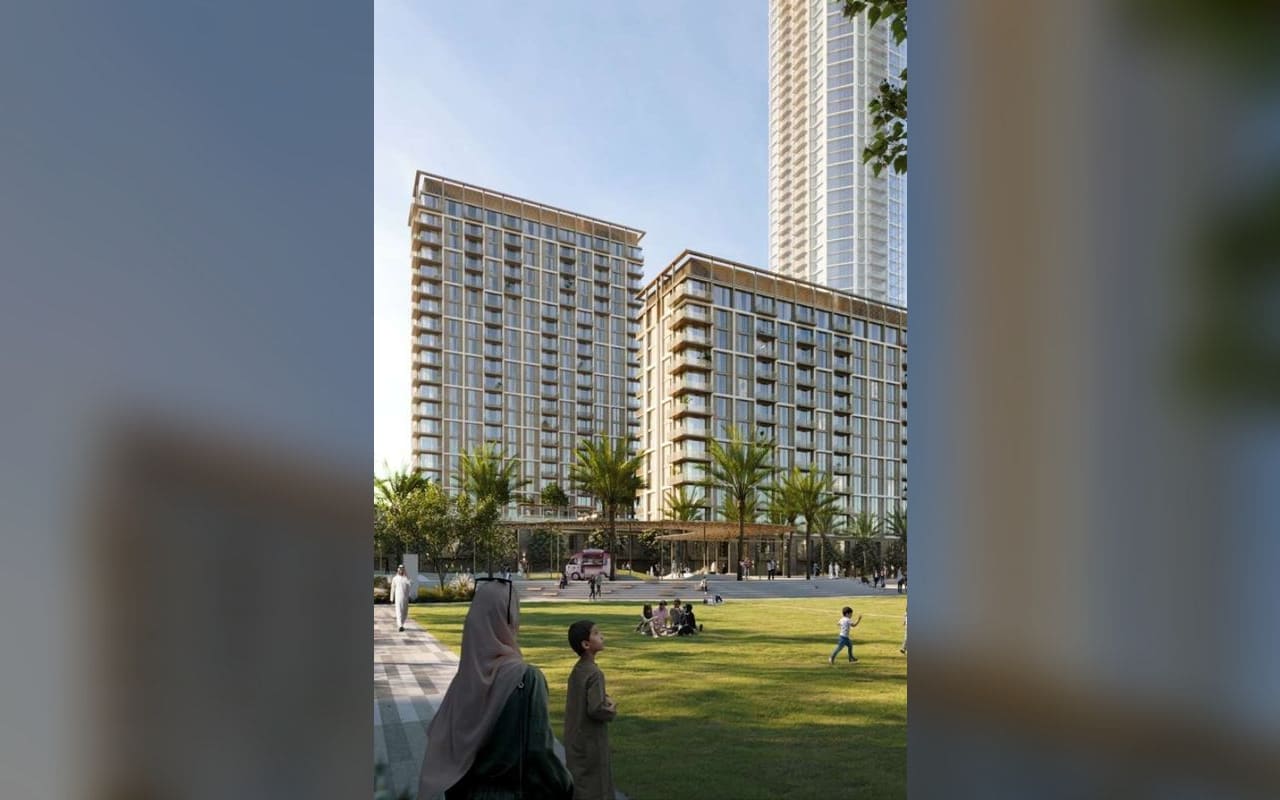
Infrastructure in their districts arrives with the homes rather than after them. That follows from the scale: the company is not putting a tower on a bought plot, it is building a quarter with a school, a park and a mall, and the school opens as people move in. For a family that is the difference between "this will all be here in two years" and "it is here". For a landlord it is the difference between letting in a week and letting in a quarter, at a discount.
Emaar’s payment plans are more conservative than the market’s. The typical structure is roughly a tenth down, the bulk spread across construction milestones, the balance at handover; sometimes a short tail afterwards. The company deliberately stays out of the aggressive schemes — tiny monthly instalments and an enormous final payment — used to pull buyers into the middle segment. That protects you from arriving at a balloon payment you cannot mortgage, and it means you need more capital to get in at all.
Liquidity is the strongest argument for the company and the reason I recommend it for a first purchase. Emaar stock has a deep transaction history: for any building in Downtown, the Marina or Dubai Hills there are enough registered sales to establish what a square foot actually trades at rather than what a seller hopes. That changes the mechanics of negotiation — you arrive with a Land Department printout instead of an impression.
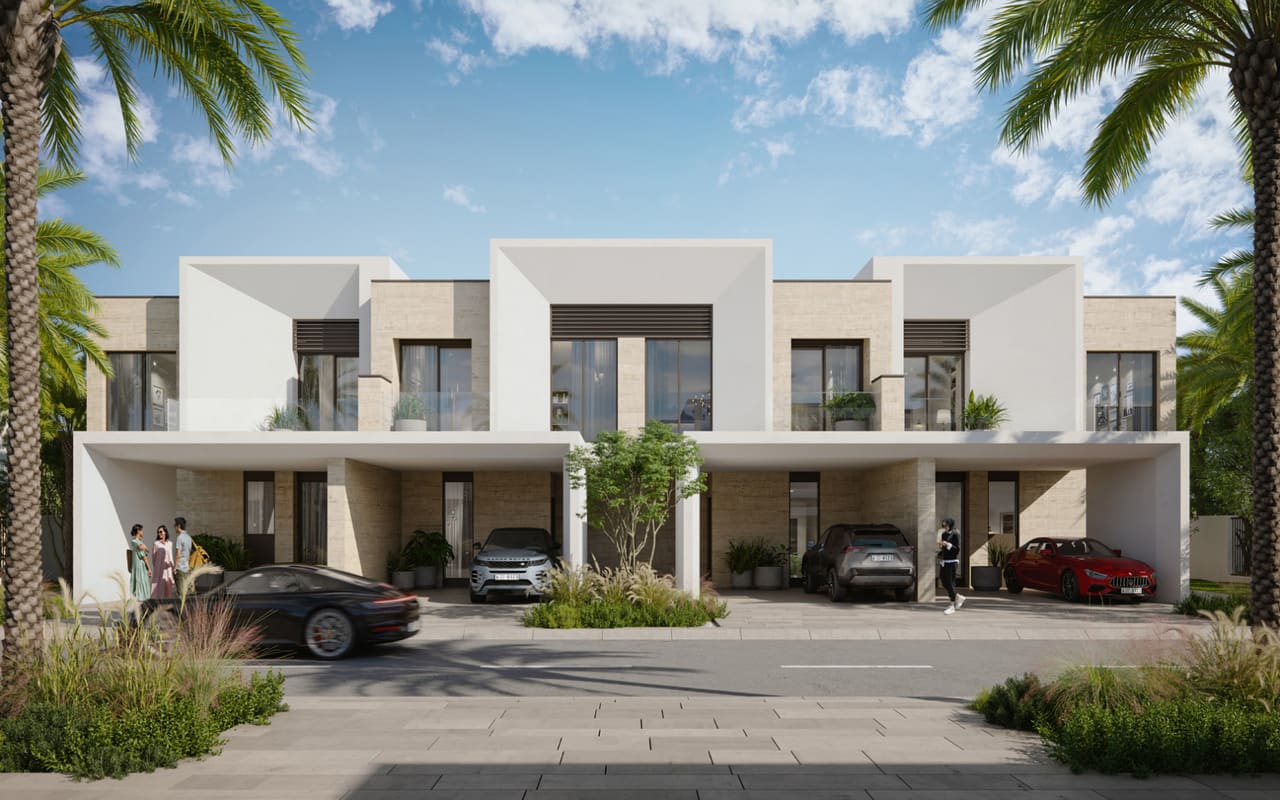
 −24%
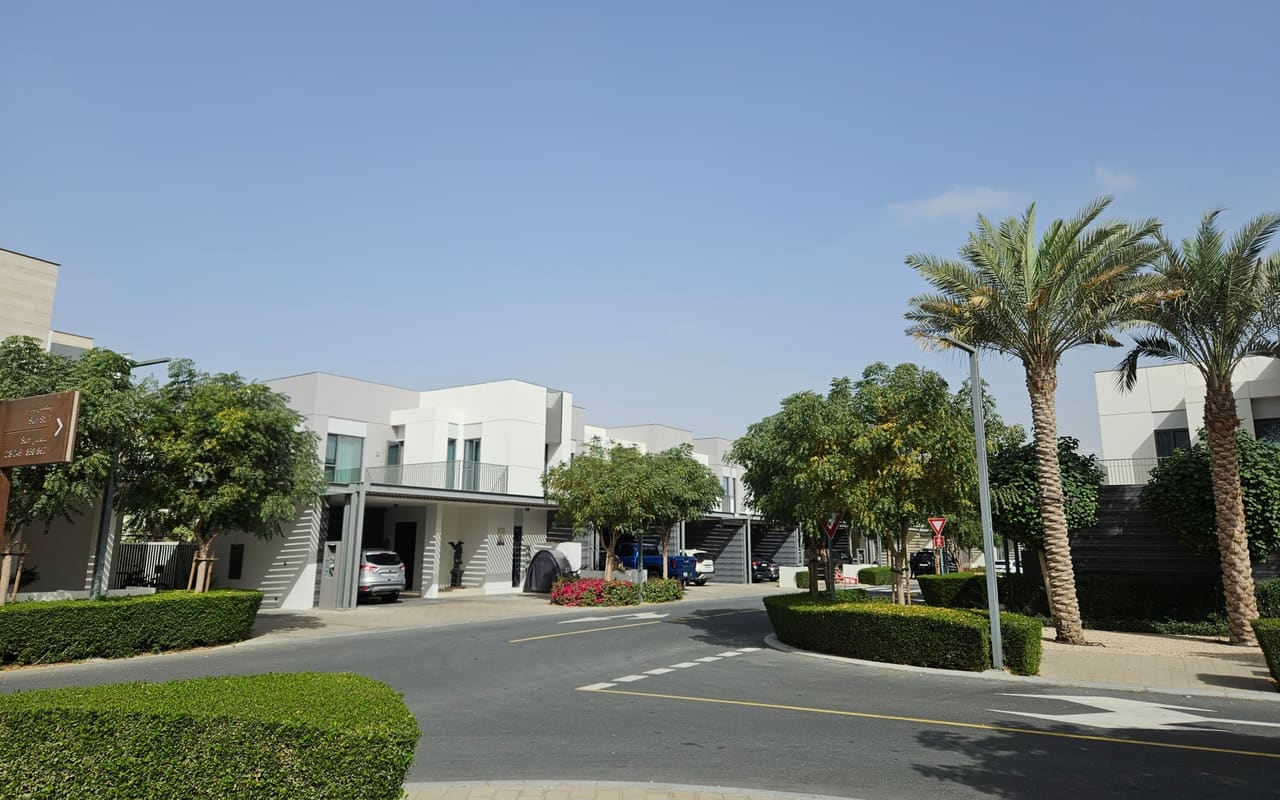
−24% 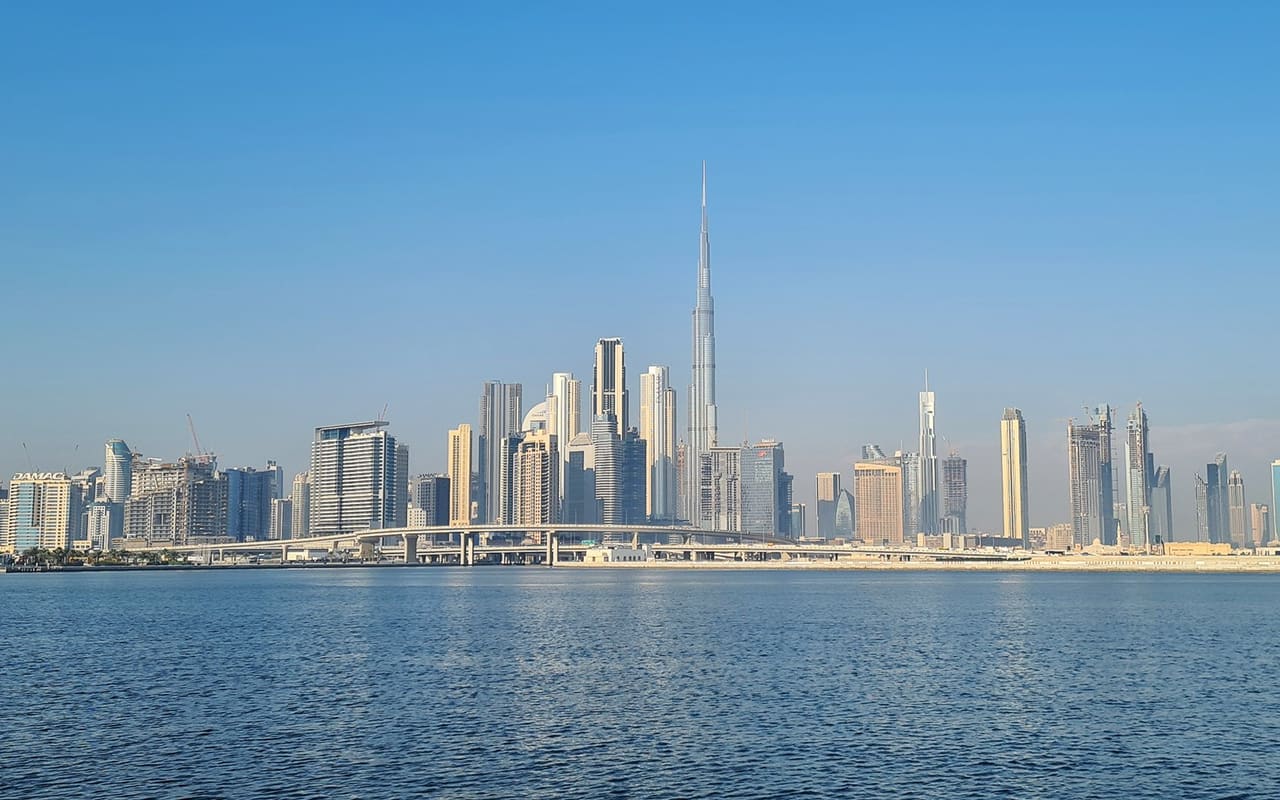 Photo of the community −23%
 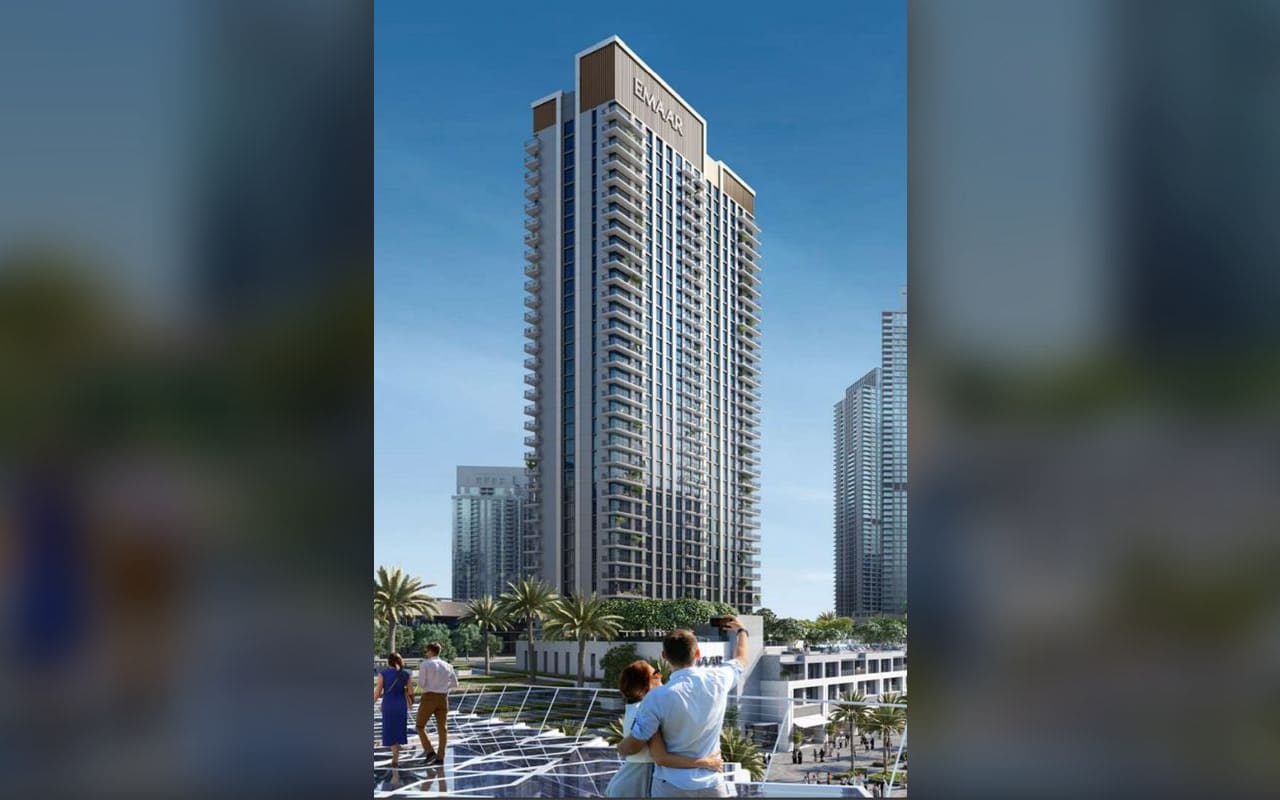 −23%
−23% 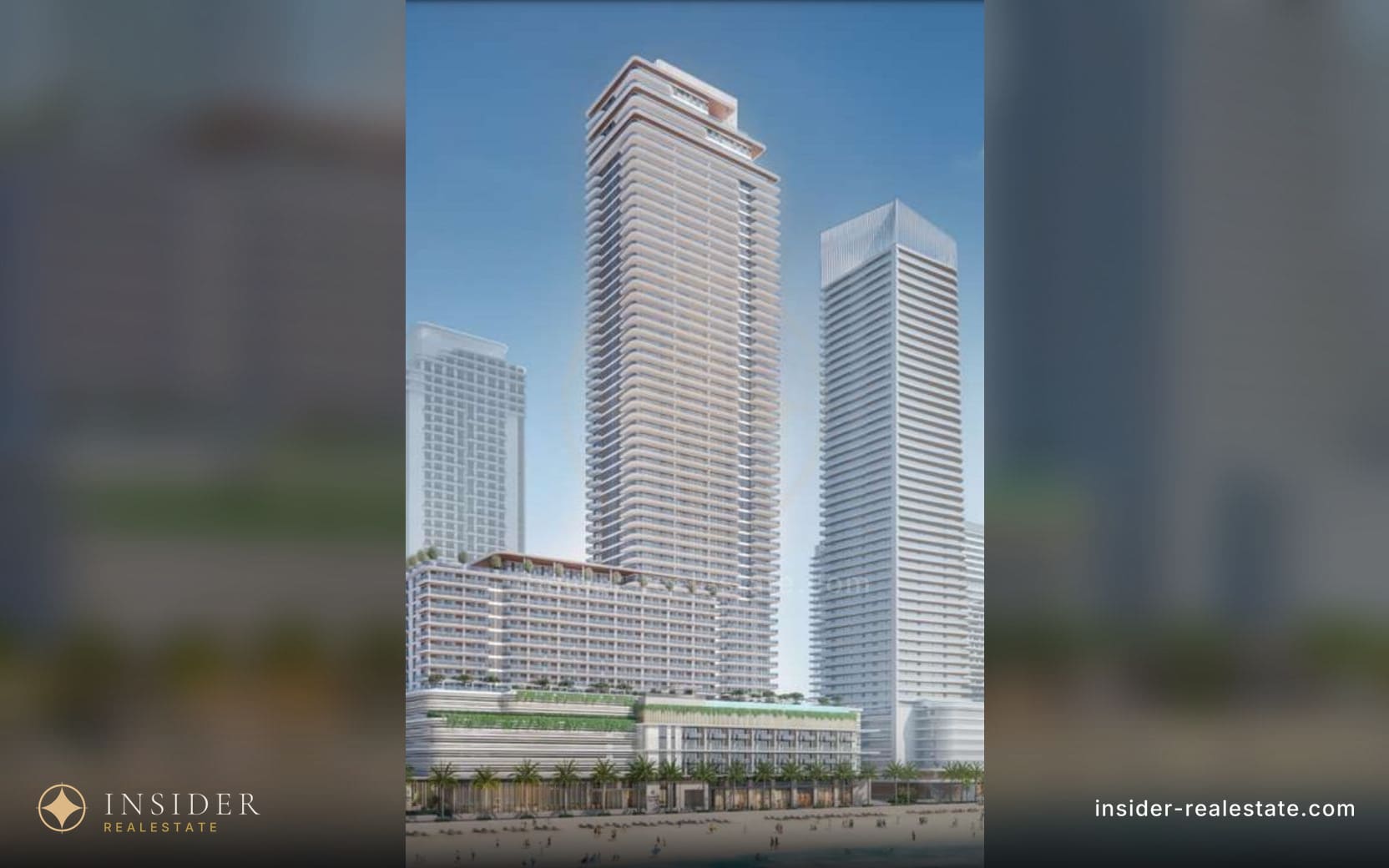 −22% −22%
  −21%
−21% 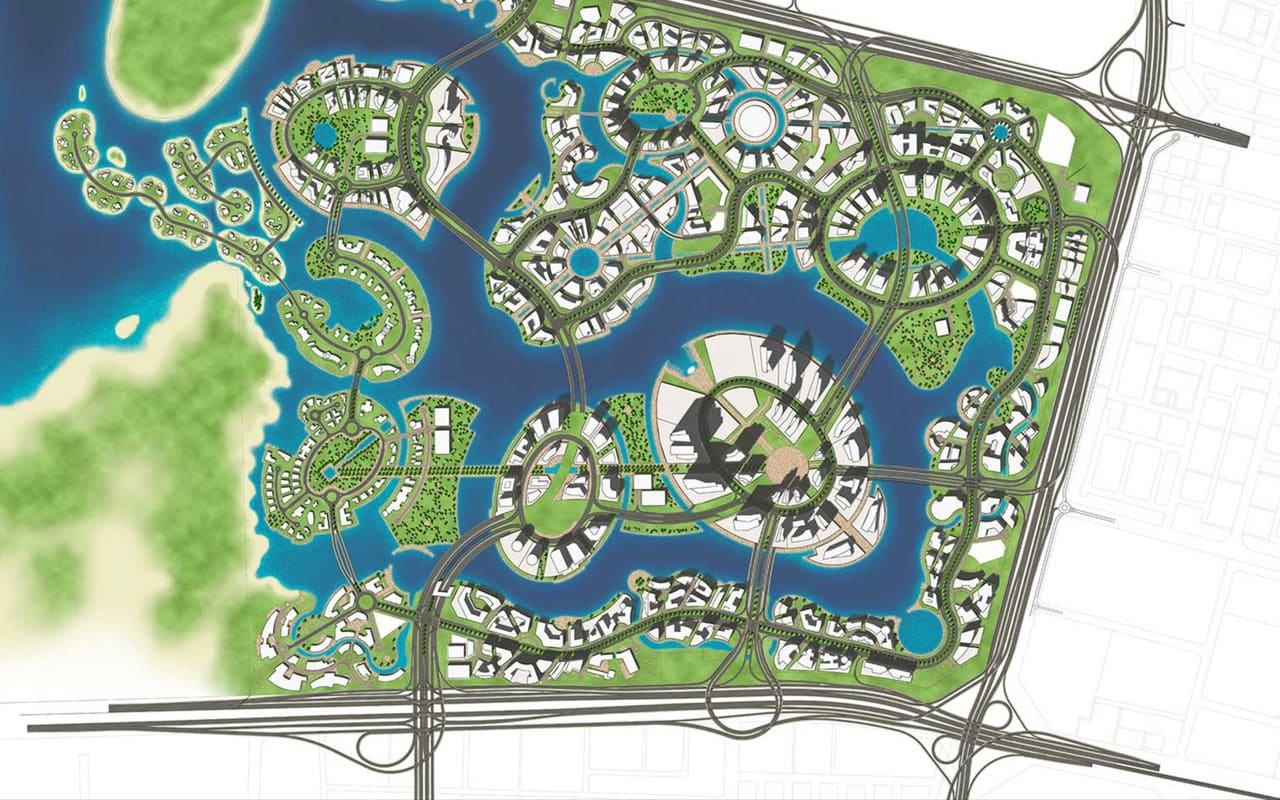 −21%
−21%  −21%
−21%  Illustrative photo −20% −20%
  Illustrative photo −20%
  Illustrative photo −19%
 Sold AED 30.6bn worth over seven months across 5,550 transactions — first place by money, and by almost double over the second. The average ticket is around AED 5.5m, twice the average of the top ten developers. The top end is the telling part: 387 of its deals were above AED 15m — one in fourteen — and they brought in AED 8.4bn, more than a quarter of the total. 150 projects are under construction at once; nine were handed over in the period, 3,819 homes.
The average ticket and the segment shares are our own arithmetic on the revenue and the transaction count — the source summaries do not carry them. Transaction data for January–July 2026 (the top ten developers together: 36,808 transactions worth AED 86.8bn), checked 24 August 2026. This is the whole market, not our stock.
There is no “developer” column in the base — a lot is attributed by its project name. The figures on this page speak about our stock, not about the company’s share of the Dubai market: a large developer with a big completed portfolio may appear smaller than one whose units come up for resale more often.
Prices come from listings, not from closed deals. For a particular building I retrieve the registered Land Department sales and show the real closing prices.
Project breakdowns from the English channel. Every clip has a written version on a page of its own.
 8:01Island Park at Dubai Creek Harbour: an Emaar tower that is almost finished9 August 2024
 5:41Vida Residence Downtown: ready apartments beside the Burj14 June 2024
 8:54Address Sky View: the twin towers with the bridge, reviewed properly31 May 2024
 3:26Il Primo penthouses: the top of the Downtown market16 May 2024
 13:08Two-bedroom apartments in Mina Rashid: reading the layouts properly10 October 2023
 13:00Socio by Emaar in Dubai Hills: buying a whole floor, and skipping the 2% commission4 October 2023
Majid Al Futtaim is spending AED 5bn on Mall of the Emirates: about 20,000 m² and 100 new stores. Emaar is adding 240 shops and restaurants to Dubai Mall for AED 1.5bn and building Dubai Square in Creek Harbour. How malls move home values in Al Barsha, Downtown and by the creek.
Construction Week ranks the 100 largest developers in the Gulf by the value of completed and under-construction projects. UAE developers hold more than half the spots — from Emaar and Aldar to DAMAC and Danube. How to read the ranking, and what it tells a buyer.
Three hotel-branded schemes in Dubai Hills: Mallside Residences with Curio Collection by Hilton next to the mall (sold out, due Q4 2026), Emaar’s Address Residences Dubai Hills (December 2024, from AED 1.9m, due Q1 2029) and the completed Address Villas Hillcrest, from AED 20.95m in our stock.
The Heights Country Club — 81 million sq ft, an estimated AED 55bn, near Al Maktoum Airport, launched May 2024 with townhouses from ~AED 2.4m and handover around 2028. Grand Polo Club & Resort in Dubai Investments Park 2 followed in 2025: three polo fields, Chevalia Estate villas from AED 7.88m,…
In March 2026 S&P saw no liquidity pressure at Emaar, DAMAC, Omniyat and PNC Investments. In July Moody's reported most UAE projects due in 2026–27 on schedule despite imported materials costing 20–25% more. What off-plan buyers should take from both.
In May 2026 Dubai Holding took ICD's 22.27% of Emaar for AED 23.9bn, lifting its stake to 29.73%. Mubadala raised its Aldar holding from 26.26% to 28.03% between March and August. What the reshuffle means for buyers of the UAE's two flagship developers.
Emaar sold about AED 65.8bn in Dubai in 2025, DAMAC AED 35.9bn, Sobha about AED 30bn and Binghatti AED 26bn. Meanwhile 258 developers launched 648 projects with 167,000 units. What that mix of concentration and crowding means for buyers.
Emaar has announced its largest masterplan ever: AED 200bn, 4.5 million m² of floor area, about 150,000 residents, five zones and a promised metro link. The name and site are still not official. Separately, it bought land in Ras Al Khor for AED 2.9bn. What it means for buyers.
Market commentary puts the premium for a direct sea or marina view at roughly 15–60% over an equivalent unit without one, depending on the building and floor. When that premium pays off in yield, when it only pays off on resale, and how to judge a view from a floor plan before the tower exists.
The median across this developer's lots in our stock is $1.27M (AED 4,650,000), with entry from $60K. The median per square foot is $897. These are asking prices out of our own base, recalculated every night; they follow what the developer and its sellers actually have on the market, not the price list on a corporate site.
Right now the base holds 360 lots from this developer priced below the market, with the deepest cut at 24%. The discount comes from the seller on a resale or an assignment, not from the developer: they have their own reason to exit quickly. The size of the cut is computed against comparable property by an algorithm, not typed in by a broker.
Founded: 1997; listed on the Dubai exchange. Delivered: 76,000+ homes in Dubai alone. The register of the Land Department is the source that matters, not the brochure: it lists the licence, each project’s progress in per cent and the escrow account. On off-plan the buyer’s money sits in that account under RERA control and is paid out as construction stages are verified. The complete dossier is in the write-up above.
The site catalogue covers 12 projects by Emaar, each with a building passport — storeys, units, handover date and bedroom mix. They are listed above, and the “Where they build” block shows the districts with the most of its lots. Any lots on sale appear directly beneath their project.
For an off-plan buyer the price is identical, because the developer covers the broker’s commission. Going straight to Emaar is therefore no cheaper, and the choice there is limited to its own projects — you will not get a comparison with neighbouring buildings or a candid read on handover dates. On resale and assignment the commission is standard: 2% plus VAT.
The answer depends on the purpose. Send your budget and goal — I will go through which Emaar projects are worth considering now and which I would skip.
Ask on WhatsAppTelegram is the fastest way — I answer personally.
Message on Telegram