
Swiss mortgage for non-residents: why a low interest rate does not mean an easy loan
Swiss rates are among the lowest in the world, but a bank lends a non-resident less and asks for more. The deposit, amortisation down to two-thirds of value, the affordability rule and the first mortgage nobody repays.

A Swiss mortgage looks tempting: rates have historically been low and the banking system is sound. For a non-resident buying a home in a resort, the picture is considerably stricter — and the rate is not the reason.
How much a bank will lend
For a resident's own home, Swiss practice is financing of up to 80% of the value against a deposit of at least 20%, part of which must be the buyer's own money rather than pension savings. For a non-resident buying a second home in a resort area the requirements are tougher: the share of own funds is higher, and the bank looks harder at income and its source outside Switzerland.
The affordability rule
The defining feature of the Swiss approach is that the burden of the loan is tested not at the actual rate but at a notional one, set considerably higher. Maintenance costs and amortisation are added on top, and the total must not exceed a set share of the borrower's income. The idea is that the loan stays serviceable if rates rise. The practical consequence: approval depends more on income than on the value of the property, and today's low rate plays no part in the calculation.
Talk to a licensed broker: 📲 +971 50 120 32 64 on WhatsApp, @dubai_oleg on Telegram
Two mortgages and amortisation
- The first mortgage covers up to roughly two-thirds of the property's value. It does not have to be repaid, and Swiss owners traditionally carry it for decades.
- The second mortgage is the portion above that share, and it must be paid down within a set period.
- Hence the habit of never clearing the mortgage: the tax system takes account of interest and of the notional income from living in your own home, so paying the loan off early is not always worthwhile.
What makes it harder for a non-resident
- Income in another currency — the bank prices in the currency risk.
- A property in a resort area is valued more conservatively, because the bank knows the market is narrow.
- Letting restrictions mean rental income is not treated as a source of repayment.
- Compliance: the origin of funds has to be documented, in detail.
- Not every bank works with non-residents at all, and cantonal banks are often focused on local borrowers.
The practical takeaway
- Plan for a larger deposit than general articles on Swiss mortgages would suggest.
- Run the numbers at the bank's notional rate, not at today's rate.
- Remember that a loan does not turn Swiss property into an income asset: letting is restricted, and repayments come out of your own income.
- Find out the bank's position before you choose the property — otherwise you risk signing a preliminary contract on the strength of financing that never materialises.
Based on Swiss banks' mortgage lending practice and regulatory affordability requirements; specific terms must be confirmed with the bank at the time of the transaction.
Video on this topic
The same subject on the English channel — each clip has a written version of its own.
 0:15
0:15 Apartments in Switzerland bought with crypto
Fifteen seconds on a Swiss development accepting cryptocurrency, and the two things that actually decide whether a foreign buyer can complete there.
WatchRelated reading
Other write-ups on the site about the same thing.

What a Dubai mortgage costs beyond the interest rate
A mortgage adds roughly another one and a half per cent to a transaction, and one of those items is payable whether or not the loan is approved. The four costs, the insurance the bank will require, and why they are not financed.

Income needed for a mortgage in Dubai, and how the approval process works step by step
Salaried UAE residents typically need AED 15,000+ a month to clear most banks’ first screen; the self-employed face a higher bar; non-residents earning abroad face a separate, stricter set of terms. The one constant: total debt payments cannot exceed 50% of income.

UAE bank accounts in 2026: what residents get, and what non-residents actually get
Non-residents can open savings accounts with minimum balances from about AED 25,000; a current account with a chequebook requires an Emirates ID, with no exceptions. Which banks still take non-residents, and what they ask about the source of funds.

Residency in Switzerland: the lump-sum arrangement and what it does not include
Switzerland does not sell residence. It negotiates it, canton by canton, through an agreed annual tax on a notional basis — and the agreement is with a specific commune, not with a country.
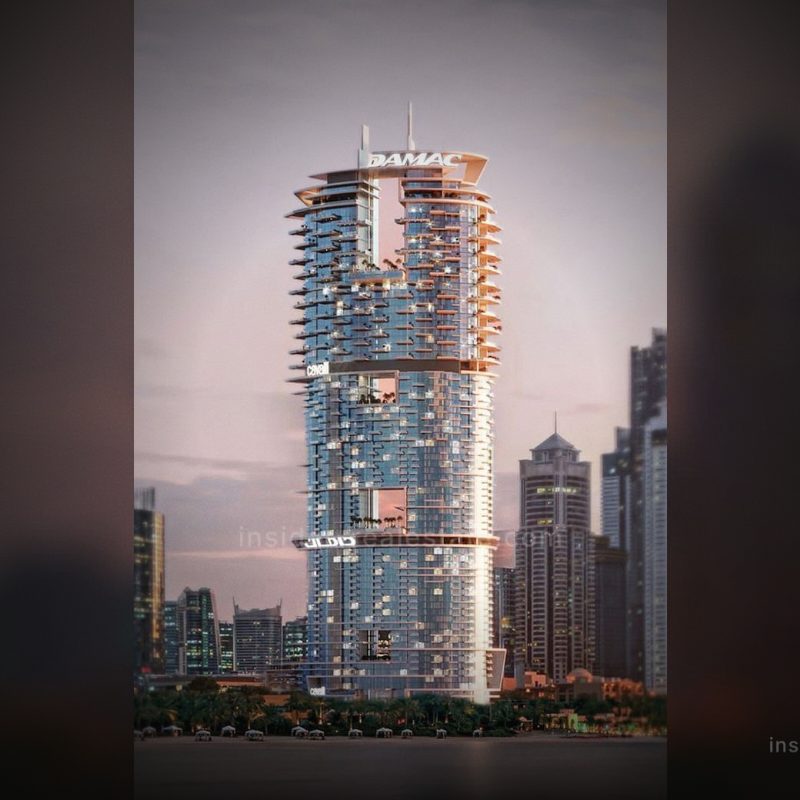
Off-plan mortgage in Dubai: which banks and developers now lend before handover
Damac and ADIB opened finance on projects 35% built once the buyer has paid 50% (March 2025). In 2026 Emirates NBD launched a scheme for Meraas, Nakheel and Dubai Properties from 30% completion, and ADCB a 12-month pre-approval from 3.49%.

Selling a mortgaged apartment in Dubai: payoff process, the early-settlement fee, and full costs
A UAE mortgage cannot transfer to a new property — selling always means paying it off in full, either with the seller’s own cash or the buyer’s funds at closing. Early settlement is capped at 1% of the balance or AED 10,000. Here is what a seller actually pays.