
Trump Tower in Jeddah, Saudi Arabia
Trump Tower is coming to Jeddah. The building itself is less interesting than what it signals about where the Saudi property market is going.
Why this matters more than the tower
Saudi Arabia has been progressively opening its property market to foreign buyers as part of the broader Vision 2030 programme, and international branded residences are one of the visible markers of that. A US-branded tower on the Jeddah waterfront is a signal that the regulatory groundwork has moved far enough for that kind of capital.
For a Gulf property investor, the relevant question is not whether the tower is good. It is whether Saudi becomes a market you should have exposure to before the pricing reflects it — the same question Dubai posed twenty years ago and Ras Al Khaimah posed two years ago.
The honest answer today: the rules are still moving. Foreign ownership rights in Saudi are narrower and newer than in the UAE, and the resale market is effectively untested. That is the definition of early, with everything good and bad that implies.
Talk to a licensed broker: WhatsApp +971 50 120 32 64 · Telegram
What is actually changing in Saudi Arabia
Saudi Arabia has moved to permit foreign ownership of residential property in designated zones as part of the Vision 2030 diversification programme. Details, zones and thresholds have been phased in and continue to evolve.
This matters because of scale. Saudi Arabia is by far the largest economy and population in the Gulf, and its property market has been effectively closed to international buyers.
The comparison people reach for is the UAE's 2002 freehold decree, which created the Dubai property market as it exists today. Whether Saudi Arabia replicates that depends on execution, regulation and how much international demand actually materialises.
Confirm the current rules and the specific zone before committing to anything, because the framework is still being written.
How the Saudi market differs from the UAE
Domestic demand is enormous and largely unmet, which means the market is not dependent on foreign buyers the way parts of Dubai's is. That is a source of underlying strength rather than weakness.
Regulatory maturity for foreign ownership is at the beginning rather than the middle. Dubai has two decades of case law, escrow practice, dispute resolution and published transaction data; Saudi Arabia is building that infrastructure now.
The expatriate population profile is different — larger in absolute terms but with different composition and housing patterns.
And the tourism and lifestyle proposition that drives a large part of Dubai's short-let market is at a much earlier stage.
The branding question, which is the same everywhere
A recognisable brand on a tower in a newly opening market does two things: it reassures international buyers who know nothing about local developers, and it commands a premium.
The first is genuinely useful. The second should be interrogated: establish whether the brand is operating the building or licensing its name, because only the former reliably holds value at resale.
Operated branded residences internationally hold a twenty to forty percent premium over unbranded stock in the same location. Licensed ones depend on the aesthetic staying current.
That test applies identically in Jeddah, Dubai, Miami or anywhere else, and it is answerable from the operating agreement before you commit.
What I would do about it
Watch rather than rush. Early entry into a newly opened market can be extremely rewarding, and it can also mean discovering the regulatory gaps personally.
The first cohort of foreign buyers in any market pays for the education of the second, and there is rarely a prize for being first.
If you do look, prioritise projects by established developers with international track records, inside the designated zones, with clear title documentation and clear exit mechanics for a foreign owner.
And keep the core of a Gulf property position in the market with twenty years of precedent, deep liquidity and published data. That is the UAE, and it will remain so for some time.
Jeddah as a market
Jeddah is Saudi Arabia's commercial port city on the Red Sea and its second largest, historically the gateway for pilgrims travelling to Mecca and Medina — which gives it a permanent, non-cyclical source of visitor demand that few cities anywhere can claim.
The waterfront corniche has been the focus of substantial redevelopment, and the city is a designated area within the Vision 2030 tourism and real-estate programmes.
Domestic demand is the market's foundation: a large, young, growing population that is under-housed by regional standards, with government programmes specifically aimed at raising home ownership.
For a foreign buyer the practical question is which parts of that market are actually open, in which designated zones, and on what terms — and those answers are still being finalised.
What to watch before committing anywhere in Saudi Arabia
The final form of the foreign ownership regulations: which zones, what thresholds, what restrictions on resale and on leasing to third parties.
Whether an escrow regime for off-plan comparable to Dubai's Law No. 8 of 2007 is established and enforced, because that single mechanism is what made Dubai off-plan investable at scale.
Whether a public transaction register emerges. Without published comparables, pricing any purchase is guesswork, and guesswork favours the seller.
And whether the mortgage market opens to non-residents, since financing availability determines the depth of the buyer pool you will eventually sell into.
Frequently asked
Can foreigners buy property in Saudi Arabia?
Increasingly, but within a narrower and newer framework than the UAE. Foreign ownership has been progressively opened under Vision 2030, with specific rules by location and buyer status. Take local legal advice — this is not a market where you can apply Dubai assumptions.
✍️ Message me on WhatsApp for a free consultation — off-market stock, payment plans and honest numbers on any of the projects covered here.
✅ Subscribe on YouTube — investment, property, business and relocation in the UAE and beyond.


Related reading
The same subject in writing — analysis and news related to this video.

The Gulf neighbours: Qatar, Oman, Saudi Arabia and Bahrain compared
Every Gulf state now has a property-linked residence of some kind. They differ in what they cost, what they permit and how deep the market behind them is.

Your own Red Sea island: Saudi Arabia opens sales on Laheq Island from $1.6 million
Saudi Arabia real estate is going global: Laheq Island, a 400-hectare private island on the Red Sea, offers villas from SAR 17.6 million and apartments from SAR 5.9 million. Who is building it, what the masterplan includes and whether buying property in Saudi Arabia makes sense yet.

Saudi Arabia opens its property market to foreigners from 2026
From January 2026 foreign investors may own property in Saudi Arabia with few restrictions. Individuals, companies, funds and SPVs qualify; Mecca and Medina keep a special regime. What it means for competition with Dubai.
Who bought off-plan property in Dubai in 2025: India, the UK, China, Saudi Arabia
Indian nationals are the largest group of foreign off-plan buyers. The shares of British and Chinese buyers grew noticeably, Gulf states were active, and Russian demand concentrated in the premium segment.

Renting in Dubai with a dog or cat in 2026: which districts and homes actually work for pet owners
Written landlord permission for a pet in Dubai is mandatory — a verbal agreement is not enough. Keeping a dog in Downtown or Business Bay is close to impossible, while a villa in Arabian Ranches or Al Furjan solves the walking problem by design.
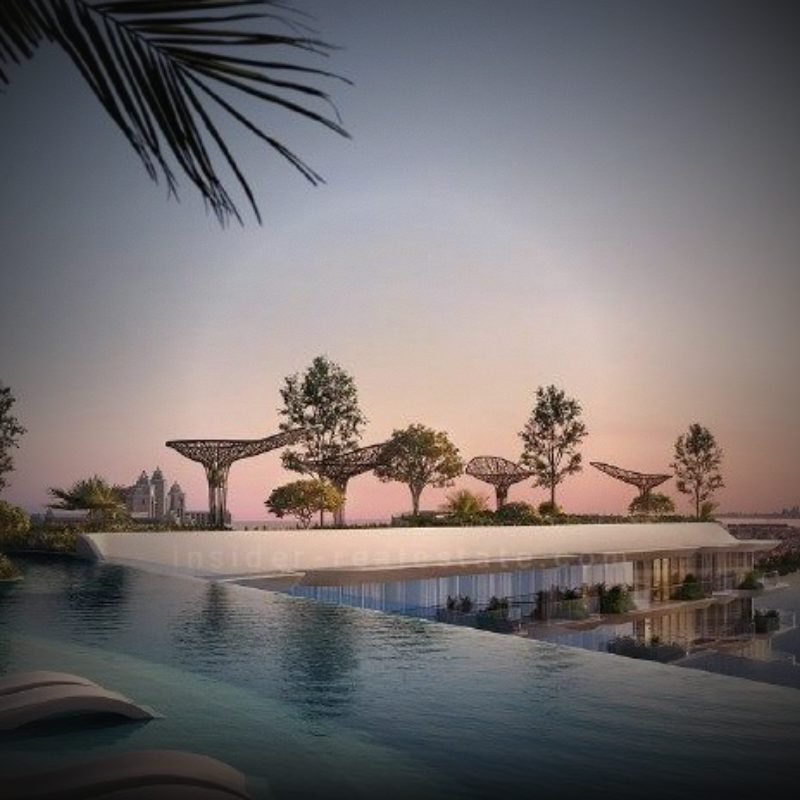
BEYOND: three projects, three Dubai districts — and three very different buyer profiles
PASSO on Palm Jumeirah, Arancia Yards in City of Arabia and Soulever in Dubai Maritime City are all built by the same developer, BEYOND, yet each draws a different kind of investor. Why one brand does not mean one buyer profile.