
Dubai Reef: the 600 sq km artificial reef project and what it means for coastal property in 2026
Dubai Reef plans 20,000 concrete reef modules over roughly 600 sq km by the end of 2027. By September 2025, about 39% of the modules were manufactured and around 3,600 were already on the seabed, with fish biomass up eightfold on pilot sites since 2021.
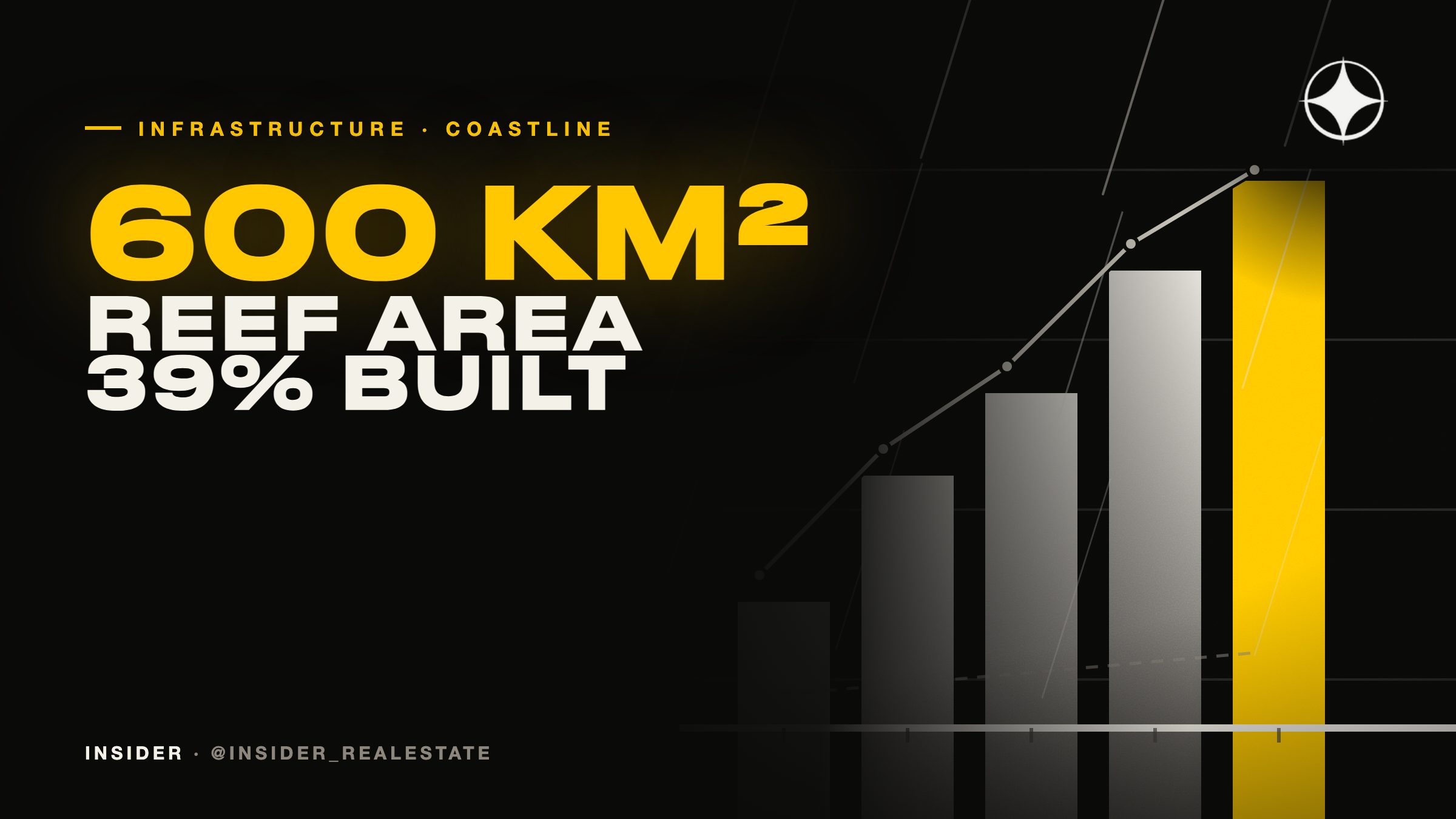
In April 2024, Dubai's Crown Prince Sheikh Hamdan launched Dubai Reef with a scuba dive alongside American investor Ray Dalio. The project is pitched as the world's largest marine-restoration programme: 20,000 concrete reef modules laid across roughly 600 sq km of seabed, adding up to 400,000 cubic metres of artificial reef by the end of 2027. Two and a half years on, there is enough built to talk about early results rather than renderings.
Two similarly named projects, easily confused
Coverage from 2023–2024 often blurs two separate things. Dubai Reef is the government programme under the Dubai Can initiative, a public-private partnership with government funding covering roughly 10% of the cost — these are the concrete modules actually being lowered into the water. Dubai Reefs, a similarly named concept from developer URB, is a floating eco-settlement with a marine institute, eco-lodges, vertical farms, a billion corals and 100 million mangroves across about 200 sq km. URB contributed design work, but the floating city remains a concept: no construction, no sales.
So the shorthand "world's biggest reef with floating eco-homes by 2027" is inaccurate — 2027 is the reef's deadline, not housing on water.
Talk to a licensed broker: 📲 +971 50 120 32 64 on WhatsApp, @dubai_oleg on Telegram
What is actually in the water
The latest published figures date to September 2025:
- about 39% of the planned modules manufactured;
- roughly 3,600 modules already placed on the seabed;
- six module types, from low "canopy" shapes around 1.7 metres tall to six-metre "ocean castles" set at depths beyond 25 metres;
- low-carbon reinforced concrete rated for a service life of more than a century.
Monitoring on pilot sites reported fish biomass up roughly eightfold against 2021 levels, biodiversity up about 10%, and 15 native species — including groupers, snappers and barracuda — recorded at the modules. The programme is still past the halfway point to its 20,000-module target for end-2027, and production pace is the number to watch in future updates.
What it changes for property
A reef does not move price per square foot directly — nobody sees it from a balcony. But it supports the same thesis the whole coastal segment is built on: clean water, marine life, diving and a settled shoreline. Dubai is expanding its public beaches in parallel — a fivefold increase is planned by 2040, which we covered in Dubai's beaches to grow fivefold. The artificial reef is the underwater half of the same programme.
For owners of beachfront villas and apartments — on Jumeirah, at Dubai Harbour, on the islands — the effect is indirect but durable: a stronger tourism draw, snorkelling and diving as part of the short-let pitch, and lower ecological risk alongside the emirate's large-scale land reclamation. Palm Jebel Ali is a separate case worth flagging: the island sits next to protected marine zones, and the environmental brief there is part of the permitting, not decoration — more in Palm Jebel Ali: 5,200 hectares and 90 kilometres of coastline.
What to watch next
Three checkpoints matter: the share of modules manufactured and placed in the programme's next report, the launch of diver-focused tourism routes, and whether URB's floating structures ever leave the concept stage. For now there is no developer with a permit and no escrow account behind the floating settlement — nothing there to buy or sell yet.
If sea access matters to your search, start by comparing coastal districts: Jumeirah and the new public beaches offer different trade-offs, and Palm Jebel Ali runs on its own timeline, covered in our explainer on the island's coastline.
Video on this topic
The same subject on the English channel — each clip has a written version of its own.
 ShortThe Jebel Ali coast: Dubai's last big stretch of undeveloped shoreline2 September 2025
 ShortDubai 2040: the masterplan that tells you where demand goes next28 August 2025
 ShortFour cities, four bets on the future: Dubai, New York, London, Tokyo4 September 2025
 ShortAir taxis in Dubai: what eVTOL would change, and what it would not1 September 2025
 ShortDubai is learning to walk: the 20-minute city and what it does to rent27 August 2025
 ShortThe world's largest solar park, and why a property buyer should care25 August 2025
In the news
Other write-ups on the site about the same thing.
Al Mamzar floating bridge and Jebel Ali Beach: what Dubai has actually built on its coastline by 2026
Khor Al Mamzar Beach reopened in May 2026 after a AED 500m upgrade: the region's first floating pedestrian bridge, a 3.6km swimming line, a 300-metre night beach and 5.5km of trails. The Al Mamzar corniche is still finishing, while the 6.6km Jebel Ali Beach is being delivered in phases.
Dubai’s beaches to grow fivefold: from 21 to 105 kilometres by 2040
One of the most-quoted lines in the 2040 master plan. Where the extra 84 kilometres come from — and why more coastline is not unambiguously good news for a waterfront owner.
Business Bay overtakes Palm Jumeirah in prime deals in August 2026, even as Dubai's wider market cools
Business Bay recorded 14 prime transactions in August 2026 against Palm Jumeirah's 10 — while Dubai-wide transaction volume fell 37% year-on-year and value fell 44%. Rental search demand rose 44% over the same period. What these seemingly contradictory numbers actually mean.
Dubai Healthcare City breaks ground on an AED 1.3bn phase one expansion
Dubai Healthcare City has started an AED 1.3bn ($354m) phase one expansion: the 13,000 m² PIXEL office building and the 5,800 m² IBN SINA+ medical complex. Ground was broken on 29 April 2026, with completion planned for 2027. What it means for homes in Al Jaddaf and Healthcare City Phase 2.
Dubai prime property 2022–2024: how the city became the world’s busiest $10m home market
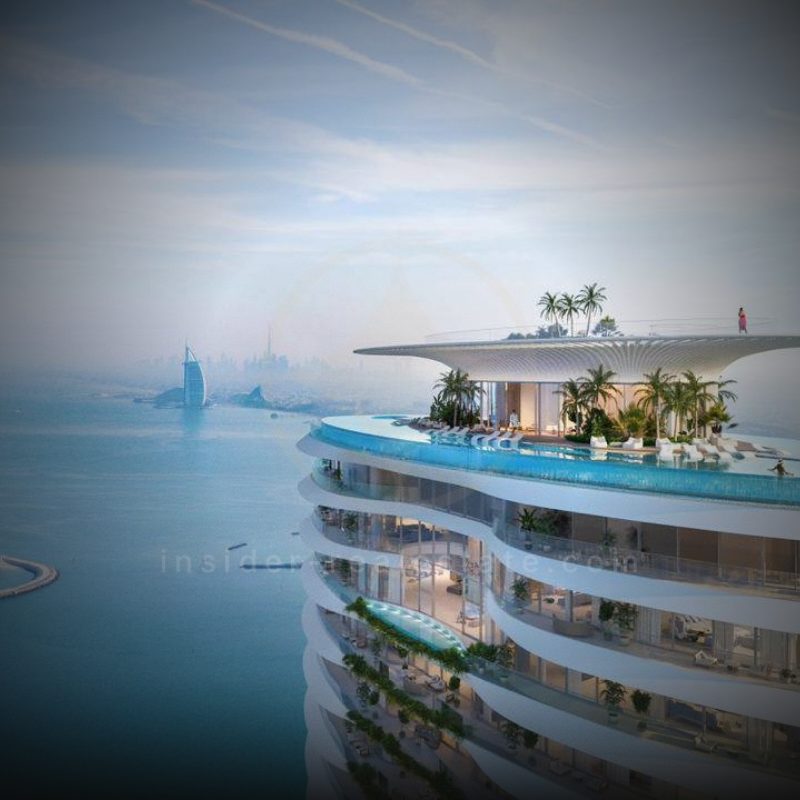
Knight Frank counted 219 Dubai home sales above $10m in 2022, 434 in 2023 and a record 435 in 2024 (about $7bn). In the first half of 2023 Dubai overtook New York, Hong Kong and London. How a shortage of supply made Palm Jumeirah the core of the market — the background to 2025–2026.
BEYOND: three projects, three Dubai districts — and three very different buyer profiles
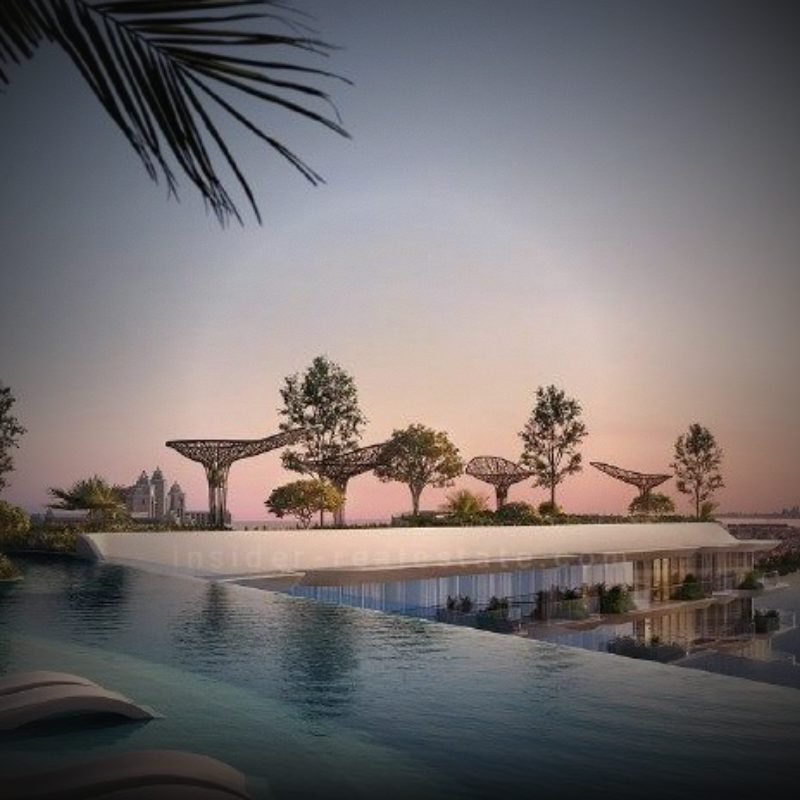
PASSO on Palm Jumeirah, Arancia Yards in City of Arabia and Soulever in Dubai Maritime City are all built by the same developer, BEYOND, yet each draws a different kind of investor. Why one brand does not mean one buyer profile.