Nakheel and Meydan inside Dubai Holding: what the 2024 merger changed for property buyers
In March 2024 Nakheel and Meydan were folded into Dubai Holding and their boards dissolved. By 2026 Palm Jebel Ali has 544 villas on Fronds A–F and 728 on K–P in finishing works, and 892 homes at Jebel Ali Village are being handed over. What changed for buyers, and what did not.
On 16 March 2024 Sheikh Mohammed bin Rashid Al Maktoum announced that Nakheel and Meydan would be merged into Dubai Holding. Both boards were dissolved and the combined group was placed under Sheikh Ahmed bin Saeed Al Maktoum. With Meraas and Dubai Properties already inside Dubai Holding, the move put Dubai's four largest government-linked master developers under one roof.
At the time it read like a corporate reshuffle. Two and a half years on, it is possible to say what it actually meant for someone buying a home from these companies.
Who sits under the umbrella
The four now trade under the Dubai Holding Real Estate banner but still sell under their own names, each on its own land:
Talk to a licensed broker: 📲 +971 50 120 32 64 on WhatsApp, @dubai_oleg on Telegram
- Nakheel — Palm Jumeirah, The World, Jumeirah Islands, Jumeirah Park, Jumeirah Village, Al Furjan, Discovery Gardens, Jebel Ali Village and Palm Jebel Ali;
- Meydan — the racecourse and Mohammed bin Rashid City, including District One and Meydan Horizon;
- Meraas — City Walk, Bluewaters, Port de La Mer, Jumeirah Bay;
- Dubai Properties — Business Bay, JBR, Mudon and Villanova.
What they share is land, and decisions on what gets built on it and in which order are now taken in one place. That shows up in infrastructure: the AED 6bn road programme around JVC agreed between RTA and Dubai Holding is one example, covered in our piece on the new JVC access points.
What moved on site
The clearest change is pace. Palm Jebel Ali, reclaimed in the 2000s and left idle for the best part of fifteen years, has become a full construction site since its 2023 relaunch. Nakheel says it has awarded more than AED 13bn in construction and infrastructure contracts; 544 villas on Fronds A–F and 728 on Fronds K–P are in internal and external finishing, and handovers will run in phases from late 2026 into 2027. In August 2026 the developer began handing over 892 homes at Jebel Ali Village.
At Meydan the story is less about launches and more about turning MBR City into a proper urban district, with plots around the District One lagoon and in Meydan Horizon increasingly sold to private developers. We explain that model in our Meydan Horizon explainer.
What stayed the same
None of Dubai's buyer protections changed. Every off-plan project is registered with the Dubai Land Department and has its own escrow account; your payments stay with your building and are not pooled across the group. Your sale and purchase agreement is with a specific legal entity — Nakheel, Meydan or a joint venture, as at District One — and that entity's obligations are what matter at handover.
A government-owned developer lowers the risk of a stalled project, but it does not replace due diligence: check the project registration number, the escrow details, the payment schedule and the completion date in the contract. Master developers slip by a few months just as private ones do, and on an island like Palm Jebel Ali keys arrive frond by frond rather than on a single date.
If you are weighing a villa on the new Palm, start with our Palm Jebel Ali page for prices and handover timing, and read our Nakheel profile for how the developer works.
Video on this topic
The same subject on the English channel — each clip has a written version of its own.


In the news
Other write-ups on the site about the same thing.
Meydan: a master developer whose land other developers build on
The company behind Meydan City and much of the district around it. Why the name on the master plan is often not the name on your building, and what each of them is responsible for.
LEOS Developments in Dubai: a UK developer moves its HQ, a $7bn fund and LEOS Royal with Dubai Holding
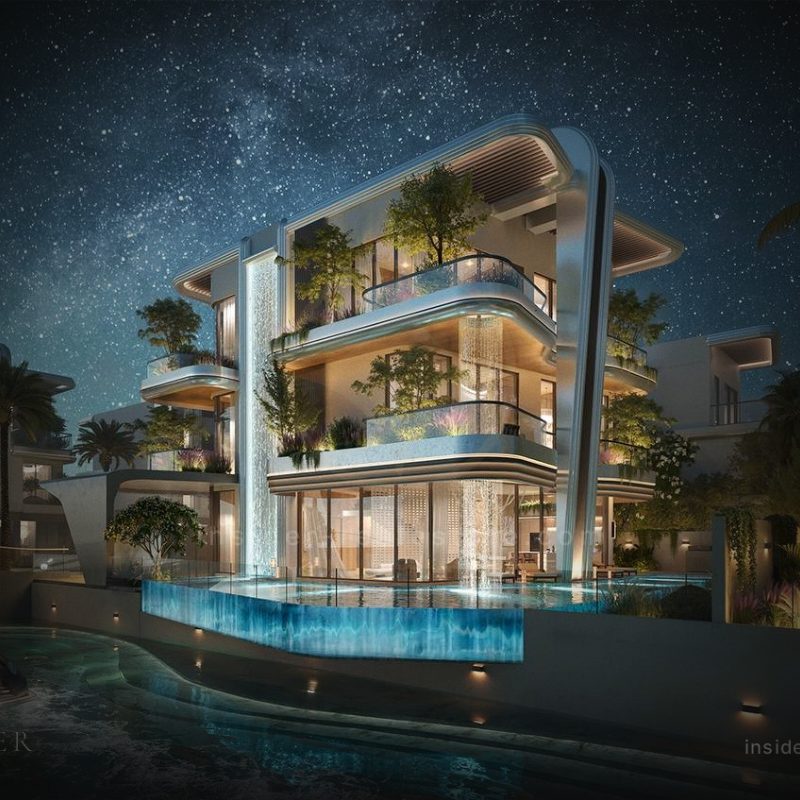
In October 2024 UK-founded LEOS moved its global headquarters to Dubai and announced a $7bn fund for 10+ UAE projects. A year later it launched LEOS Royal with Dubai Holding: about 800 villas and townhouses in Wadi Al Safa 5, valued at AED 5bn+. How to read a developer like this.
Palm Jebel Ali villas: the Beach and Coral Collections on Frond F — 44 homes by four architects
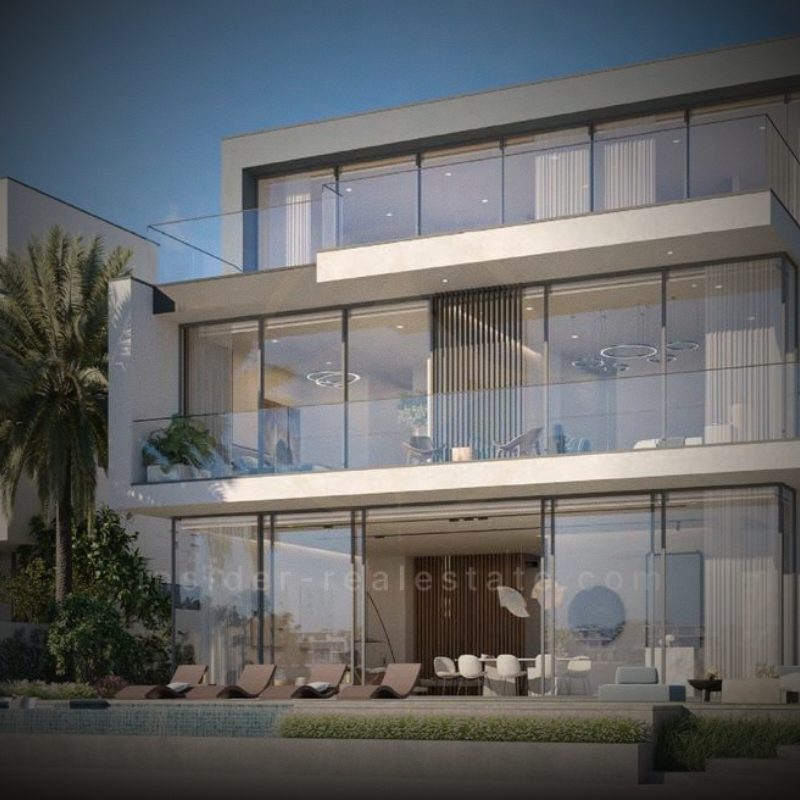
Nakheel has released 44 beachfront villas on Palm Jebel Ali’s Frond F: Beach Collection (5–6 beds, 7,500–8,500 sq ft) and Coral Collection (6–7 beds, up to 12,500 sq ft), ten designs by NAGA, SAOTA, LW Design and LOCI. 544 villas are under construction; the first mall, The Yard, opens in 2027.
Palm Jebel Ali villas: 544 homes under contract, The Yard retail hub and Select Group's arrival
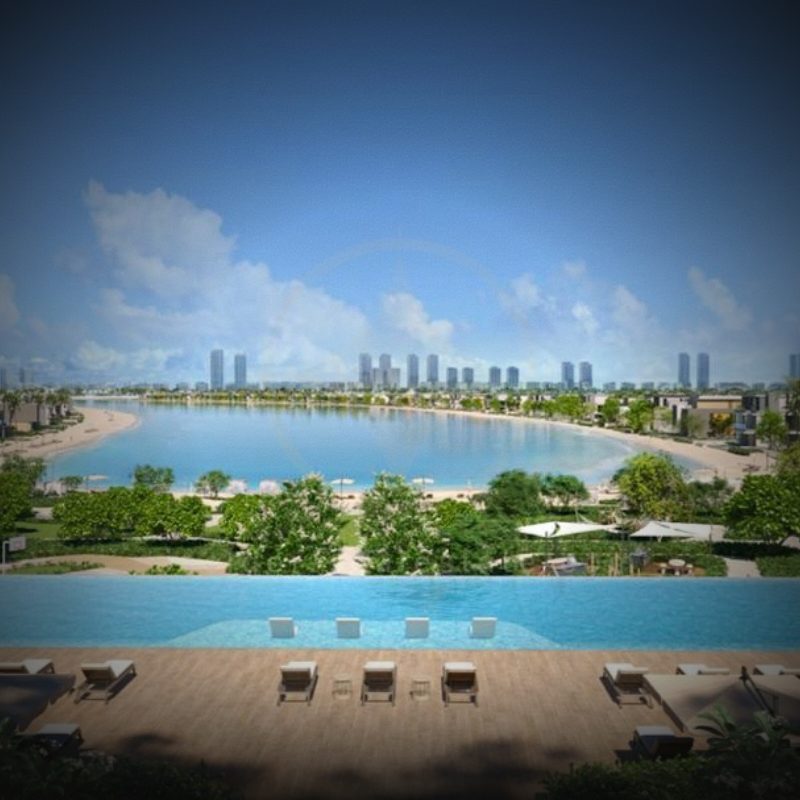
Nakheel awarded AED 3.5bn of contracts for 544 Palm Jebel Ali villas due in Q4 2028; Dubai Retail is building The Yard, the island's first retail hub with 26 concepts, for 2027; and Select Group became the first private developer on the island. How a stalled project is turning into a district.
Meydan Horizon: not a project but an urban cluster inside MBR City
The distinction is practical: a cluster has its own master plan, its own infrastructure and its own growth logic. What is planned, how it connects, and what a crystal lagoon does to rents.
Taraf Development: a branded villa is not a branded apartment
A developer building branded homes on the Palm and branded villas in MBR City. Putting a fashion name on a house works differently from putting it on a tower, in three specific ways.
Below market in Meydan right now
From the daily off-market feed. Availability and price are confirmed on request.
All below-market listings →