
UAE developers under S&P and Moody's review: liquidity, construction costs and handover dates in 2026
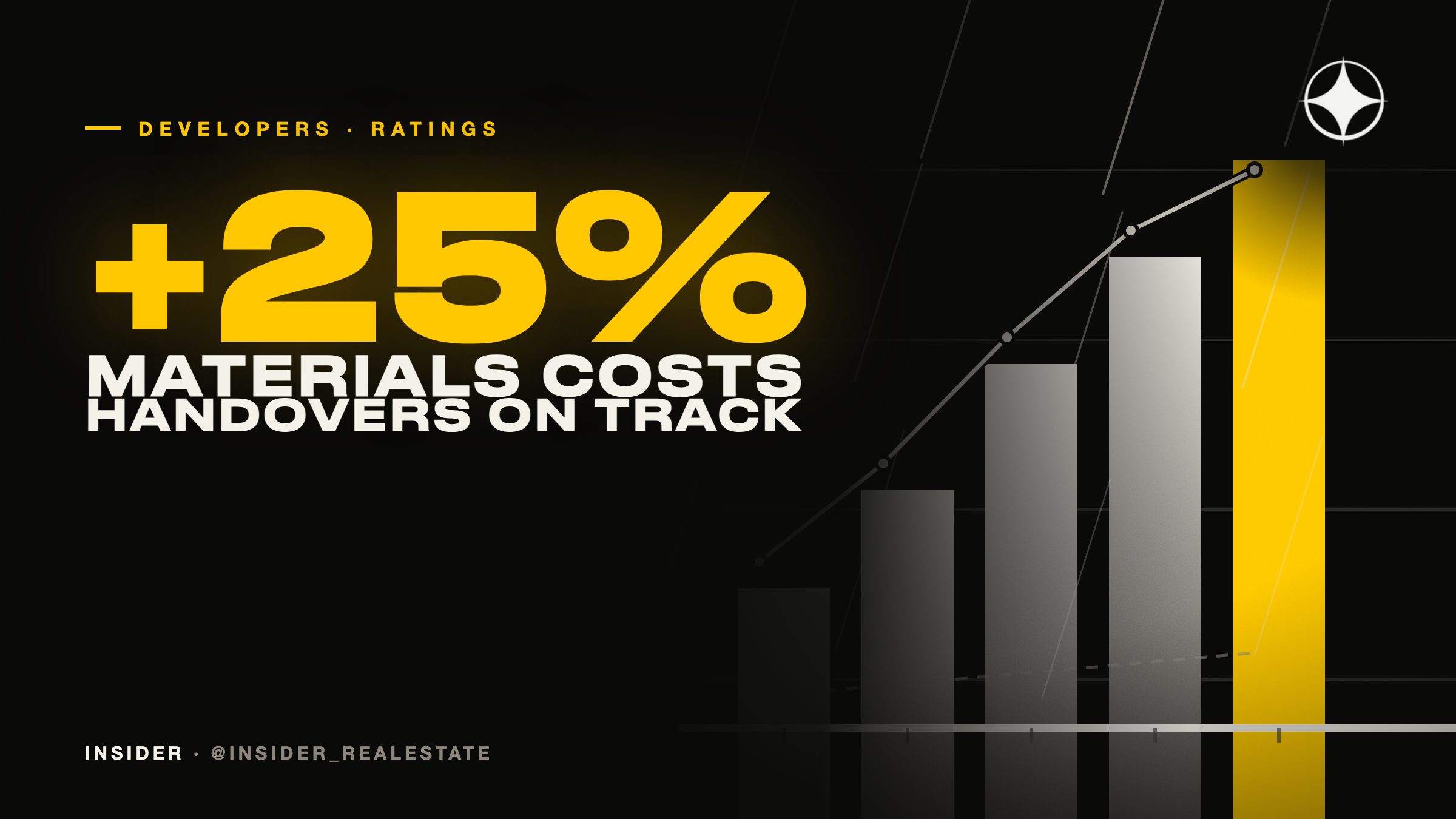
In March 2026 S&P saw no liquidity pressure at Emaar, DAMAC, Omniyat and PNC Investments. In July Moody's reported most UAE projects due in 2026–27 on schedule despite imported materials costing 20–25% more. What off-plan buyers should take from both.
An off-plan buyer in 2026 asks whether the building will be finished on time, and, since the regional conflict and the disruption in the Strait of Hormuz, whether the developer has enough cash if sales slow. The two largest rating agencies have answered both questions this year. Their tone is calm, and the detail is worth knowing before you sign.
S&P, March 2026: no liquidity pressure
In mid-March S&P Global Ratings reviewed the four UAE developers it rates: Emaar Properties, DAMAC, Omniyat and PNC Investments. It expects no liquidity pressure on any of them, and says 2026 debt maturities are manageable without new funding.
- Debt markets stayed open: DAMAC issued a US$600m sukuk in February 2026 and Omniyat another US$600m in March.
- Capital expenditure is minimal at DAMAC, Omniyat and PNC. Emaar's is large, AED 10–11bn for 2026–27, covering the Dubai Creek Harbour mall and tower, build-to-rent assets and the Dubai Mall expansion.
- S&P expects developers to prioritise liquidity and possibly defer projects where timing is flexible.
"Defer" mainly concerns future launches and developers' own commercial assets, not sold-out residential buildings, where buyers' money sits in escrow and is released against construction progress.
Talk to a licensed broker: 📲 +971 50 120 32 64 on WhatsApp, @dubai_oleg on Telegram
Moody's, July 2026: on schedule, for now
| Issue | Moody's finding |
|---|---|
| 2026–27 deliveries | mostly progressing as planned |
| Imported material costs | up roughly 20–25% on pre-conflict levels |
| Who absorbs it | largely contractors, not developers |
| Logistics | rerouted via ports in Oman, Saudi Arabia and the UAE east coast |
| Inventory buffers | typically two to six months, raised near completion |
| Base case | disruption into the autumn, trade normalising in 2027 |
The contractor point is the one to watch. Fixed-price contracts are absorbing the cost shock today; if disruption lasts, the pressure moves back to schedules. The cost side is covered in what building actually costs Dubai developers now.
What buyers should take from this
- Few developers are rated. These conclusions apply to large listed names, not to a first-time developer with one tower.
- Ask who the main contractor is. If the contractor is carrying the materials shock, its balance sheet matters.
- Check progress with the regulator, not the sales brochure, and read handover clauses together with force majeure terms.
What happens when a handover date slips, and what your contract allows, is explained in when a Dubai handover date slips; the rated developers are profiled on the DAMAC and Omniyat pages.
Video on this topic
The same subject on the English channel — each clip has a written version of its own.
 8:01Island Park at Dubai Creek Harbour: an Emaar tower that is almost finished9 August 2024
 10:13Waterfront property in Dubai: Mina Rashid — Clearpoint, Sunridge, Seascape21 September 2023
 25:03Harbour Lights by Damac and de GRISOGONO: prices, sizes and what the brand costs14 February 2023
 2:35Object 1 in JVC: 1Wood, V1ter, Ra1n and Ozone, explained by the development director7 February 2024


In the news
Other write-ups on the site about the same thing.

Dubai's top developers by 2025 sales, and the 648 projects launched in a single year
Emaar sold about AED 65.8bn in Dubai in 2025, DAMAC AED 35.9bn, Sobha about AED 30bn and Binghatti AED 26bn. Meanwhile 258 developers launched 648 projects with 167,000 units. What that mix of concentration and crowding means for buyers.
Off-plan mortgage in Dubai: which banks and developers now lend before handover
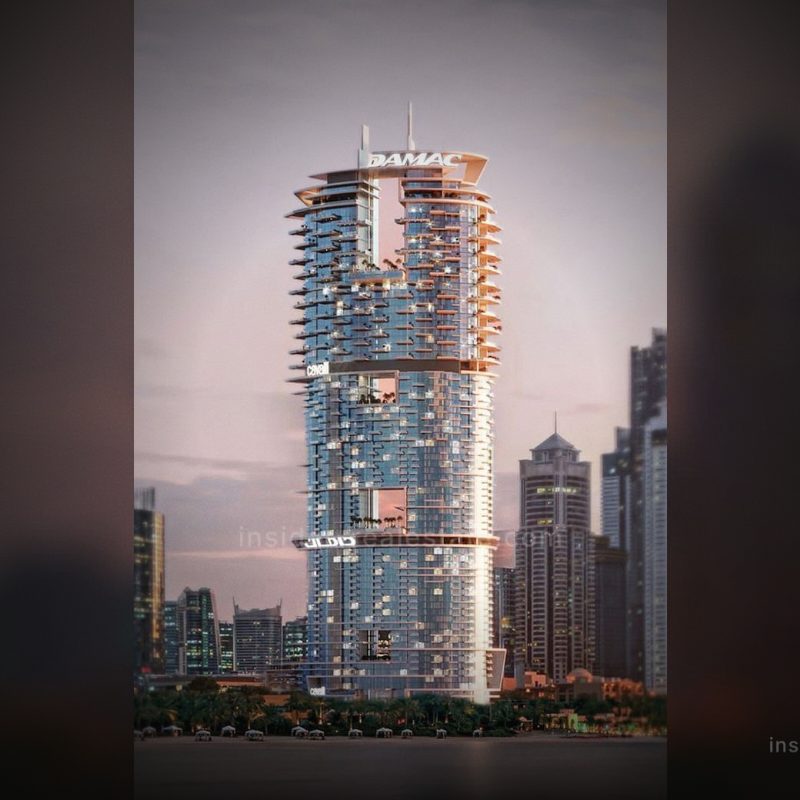
Damac and ADIB opened finance on projects 35% built once the buyer has paid 50% (March 2025). In 2026 Emirates NBD launched a scheme for Meraas, Nakheel and Dubai Properties from 30% completion, and ADCB a 12-month pre-approval from 3.49%.

Dubai housing supply: the 210,000-home forecast for 2025–2026 against about 54,000 delivered
The market was warned of 210,000 new Dubai homes over 2025–2026. ValuStrat counts about 36,000 units delivered in 2025, 59% of plan, and CBRE about 18,000 in H1 2026. Rents fell 6.2% quarter on quarter in Q2. Where oversupply risk is real and where it is not.

Emaar’s AED 200bn masterplan for 150,000 residents: what buyers know so far
Emaar has announced its largest masterplan ever: AED 200bn, 4.5 million m² of floor area, about 150,000 residents, five zones and a promised metro link. The name and site are still not official. Separately, it bought land in Ras Al Khor for AED 2.9bn. What it means for buyers.

Jumeirah Garden City off-plan: Mayfair Gardens by Majid Developments hands over in autumn 2026
Mayfair Gardens, Majid Developments’ first Dubai building, has 64 homes (24 studios, 40 one-bedrooms) launched in 2024 from AED 875,000. Handover slipped from Q2 to September 2026. What the delay means, and what to check before you sign the handover papers.
What else completes next year: the supply check most Dubai buyers skip
The off-plan risk that matters is not the developer failing. It is a hundred near-identical apartments handing over in the same district in the same quarter as yours — and it is visible years in advance if anyone looks.