
Waterfront property in Dubai: Mina Rashid — Clearpoint, Sunridge, Seascape
Mina Rashid and Maritime City sit on the same peninsula and share a fate: the same road access, the same infrastructure timeline, the same public perception. This is an analysis of both, the Clearpoint launch in particular, and — more usefully — a practical answer to the question people ask too late, which is what you actually have to do to get a good unit at a launch rather than whatever is left.
Two districts, one fate
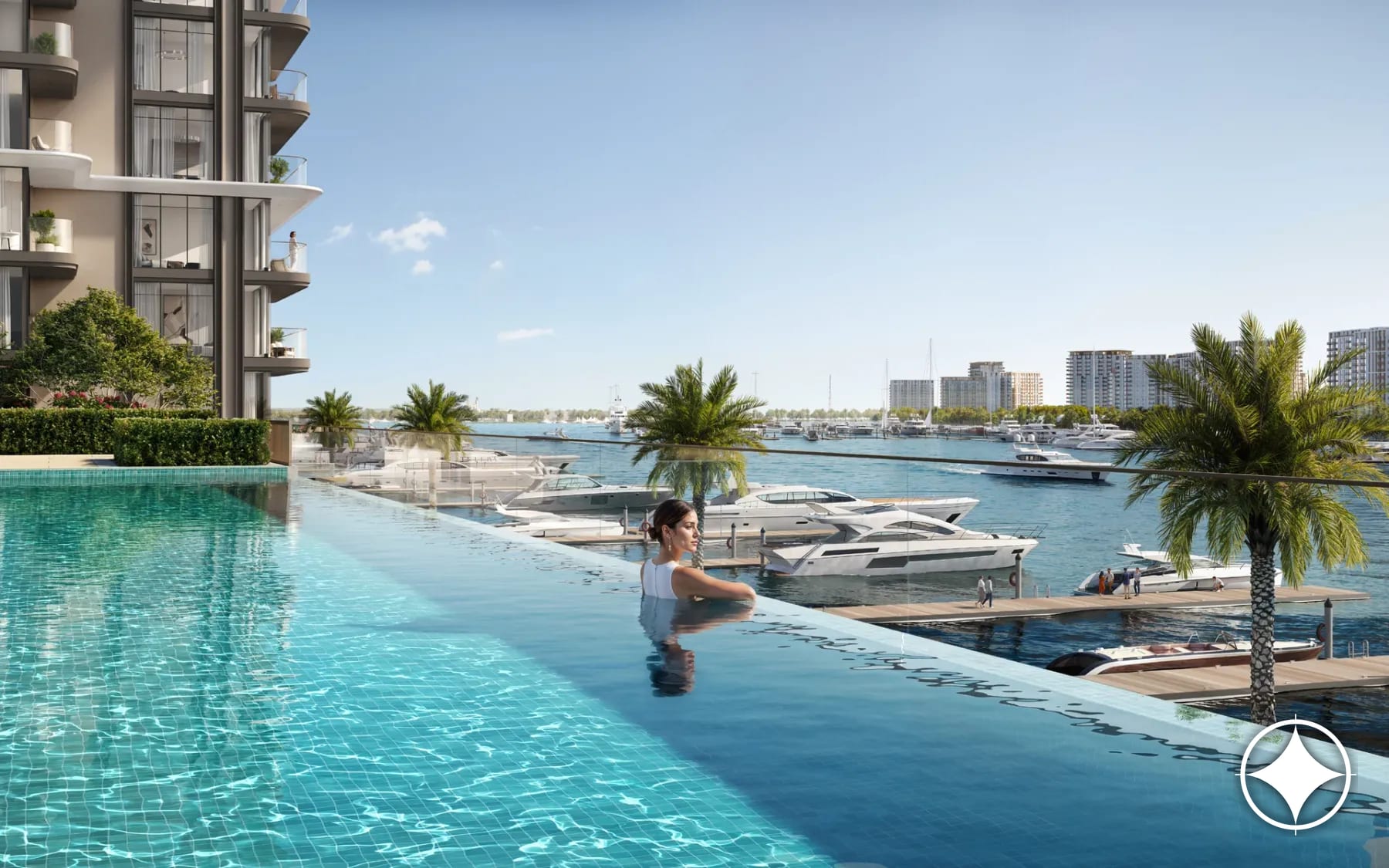
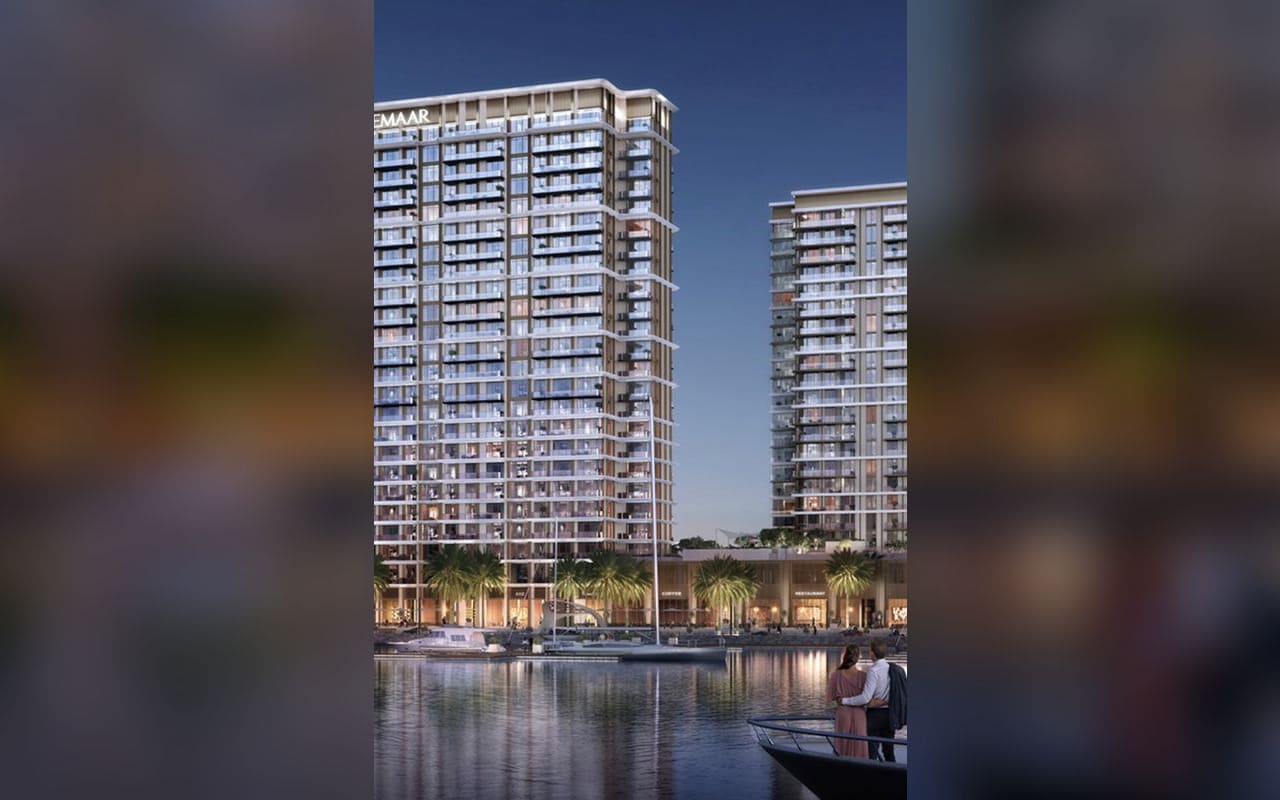
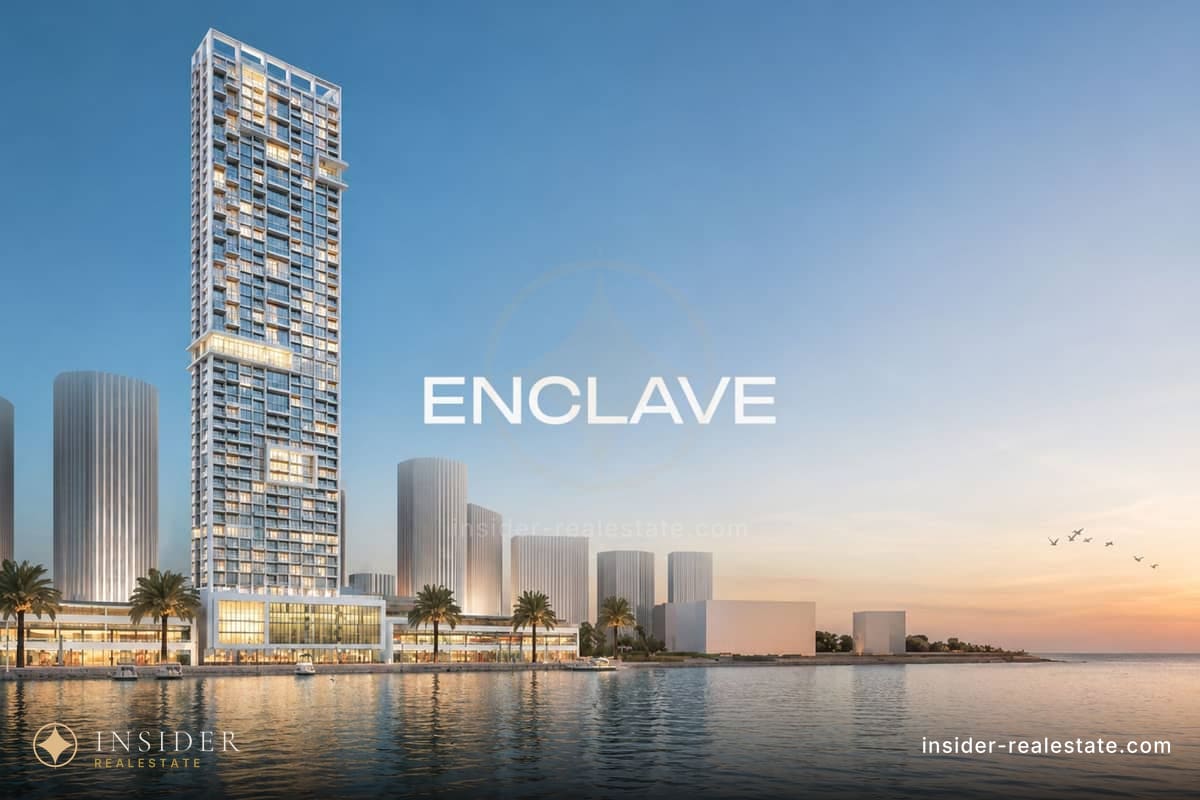
Mina Rashid is Emaar's waterfront masterplan on the old Port Rashid, with the marina, the QE2 and a sequence of releases — Sirdhana, Seascape, Sunridge, Clearpoint. Maritime City is the newer, cheaper neighbour with the same water on the other side.
They rise and fall together. The roads serve both, the perception of the peninsula covers both, and the retail and school infrastructure that makes either liveable is shared. Anyone bullish on Mina Rashid who is bearish on Maritime City has not looked at a map.
The difference is stage and price. Mina Rashid is further along and costs more; Maritime City is earlier and cheaper. Which suits you depends on how much unfinished neighbourhood you are willing to own.
Talk to a licensed broker: WhatsApp +971 50 120 32 64 · Telegram
What long investing actually means
A long hold in Dubai is not a synonym for buying and forgetting. It means buying an asset whose value depends on things that take years — infrastructure delivery, district maturity, tenant demand shifting — rather than on the next six months of sentiment.
You can partly predict those things. Published masterplans, committed government infrastructure, school and hospital approvals and confirmed metro extensions are all matters of record. A district with three of those confirmed is a materially different bet from one with three of them promised.
What you cannot predict is timing. Everything in this category arrives late. Model your returns on the delayed case and treat the on-time case as upside, and you will make far fewer bad decisions.
Which unit size for which location
The rule I use: the less mature the district, the smaller the unit. One-bedrooms in an early district, because the tenant pool is broadest and the exit is quickest. Two and three-bedrooms in mature districts, where the family infrastructure that justifies them already exists.
Mina Rashid is far enough along that the larger units are defensible, particularly in the phases genuinely close to the marina. Maritime City is not there yet, which is why I steer investors to one-bedrooms on that side.
The exception is a unit with something structurally scarce — a permanent water frontage that cannot be built out, a duplex on a floor with only two of them. Scarcity survives an immature district in a way that ordinary space does not.
How to prepare for a launch
Emaar launches sell the good stacks in the first hours. If you arrive on launch day with an interest and no preparation, you will be offered what is left. Preparation means: funds already in a UAE account or an immediately transferable route; passport and documents with your broker in advance; a decision made in advance about which stacks and floors you will accept, in priority order; and a written instruction so the unit can be secured without a phone call at the wrong moment.
Decide your alternates before the launch, not during it. When your first choice goes, you have minutes, and people who improvise at that moment buy the unit they would not have chosen on a calm Tuesday.
And know the price ceiling you will not cross. Launch-day momentum is a real psychological force, and it is deliberately engineered.
Why port regeneration usually works
Working ports occupy prime central waterfront that was allocated when shipping mattered more than housing. When the container traffic moves to a modern facility — in Dubai's case Jebel Ali — what remains is a large, well-located, developable site.
London, Hamburg, Barcelona and Sydney all went through this, and in most of them the regenerated port district ended up among the most valuable residential areas in the city.
The mechanism is simple and slow: waterfront, plus central location, plus a coherent masterplan, plus time. The first three are present at Mina Rashid.
The fourth is the part buyers underestimate. Fifteen to twenty-five years is the normal timescale, and the early years are lived on a construction site.
Comparing the three towers
Clearpoint, Sunridge and Seascape are releases within the same masterplan at different points and with different positions relative to the water and the marina.
The variables that separate them are the ones that separate any waterfront phase: how much of the outlook is water rather than the next building, how far the walk is to the promenade and the marina, and what is scheduled to be built in between.
Later releases are generally better positioned relative to the delivered amenity, because Emaar builds outward from what is finished. They are also priced accordingly.
Ask for the plot numbers between your tower and the water, and what height is permitted on them. That single answer separates a protected waterfront unit from one that will be looking at a podium.
What Emaar changes about the risk
Early-stage regeneration is normally a bet on the developer as much as on the location, and that is where most such projects fail. Emaar removes a large part of that: it delivers, it manages communities properly afterwards, and international buyers recognise the name at resale.
That does not shorten the timeline. It makes it predictable, which is a different and more useful thing.
It also means the community charge will be collected and the landscaping will still look like the render in ten years — which matters disproportionately in a district being judged by first-time visitors.
The trade-off is price: Emaar does not discount, so the entry here reflects the developer as well as the district's early stage.
Frequently asked
Is Mina Rashid better than Maritime City?
Further along, more expensive, lower risk. Maritime City is earlier and cheaper with more upside if the peninsula matures as planned. They share infrastructure and perception, so the two districts rise and fall together — the choice is about your risk appetite, not about picking a winner.
How do I get a good unit at a Dubai off-plan launch?
By preparing before launch day: funds available in the UAE, documents with your broker, and a ranked list of acceptable stacks and floors decided in advance. The best units go in the first hours, and buyers who improvise during the launch end up with what is left.
What is a realistic holding period for these districts?
Five to ten years. Both districts depend on infrastructure and community maturity, and everything in that category in Dubai takes longer than announced. Model the delayed case; treat on-time delivery as upside.
✍️ Message me on WhatsApp for a free consultation — off-market stock, payment plans and honest numbers on any of the projects covered here.
✅ Subscribe on YouTube — investment, property, business and relocation in the UAE and beyond.


Below market in Mina Rashid right now
From the daily off-market feed. Availability and price are confirmed on request.
All below-market listings →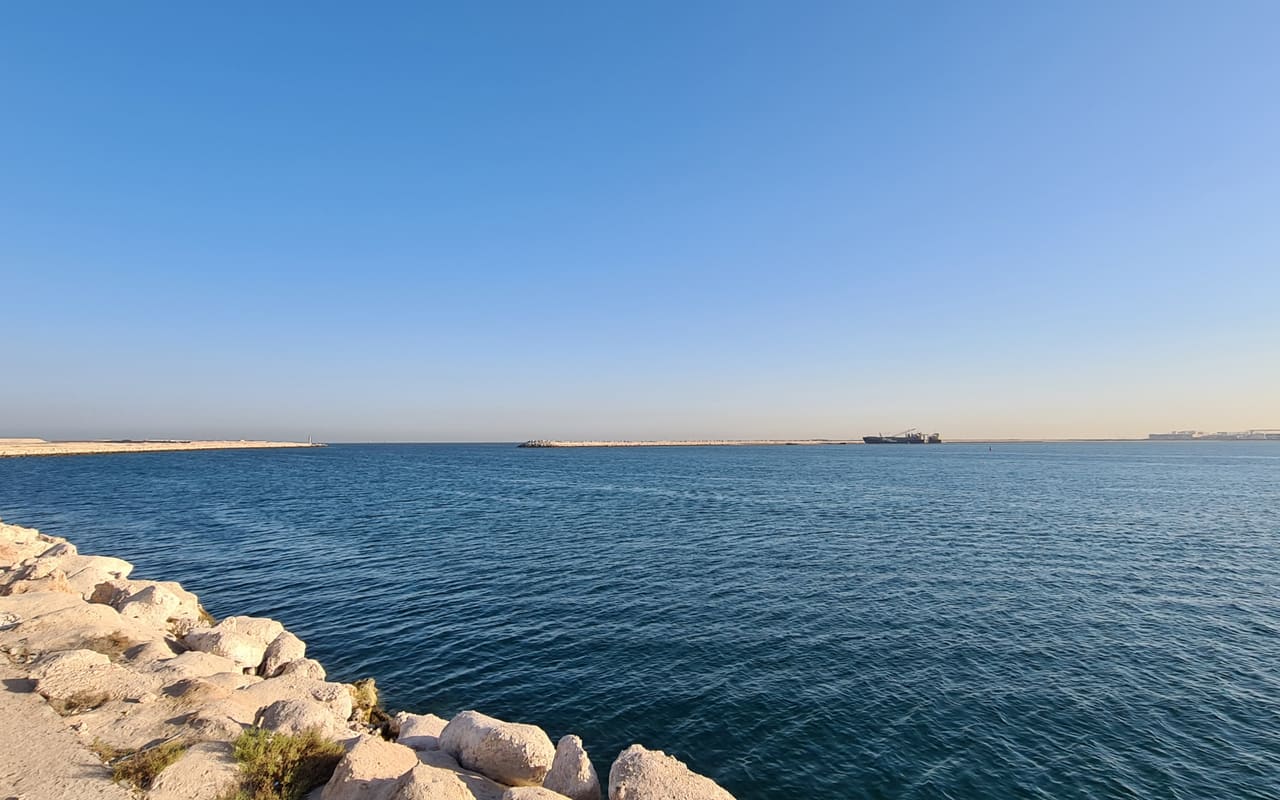
In the news
The same subject in writing — analysis and news related to this video.
Mina Rashid: a working harbour turned residential district
An old port being rebuilt as a quarter with a marina and a promenade. Port redevelopment has real strengths and leaves specific things behind.
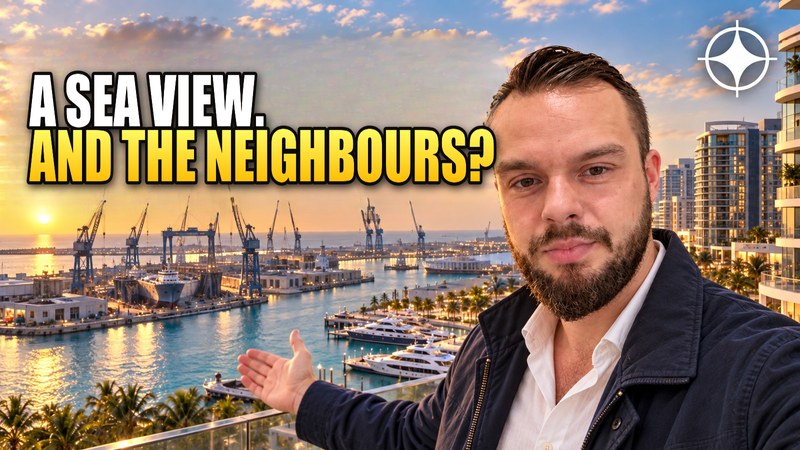
Dubai Maritime City: buying a home in the middle of the maritime industry
A peninsula between two harbours, planned as a hub for shipbuilding and ship repair, with residential towers on the same land. Here the neighbours matter more than the view.
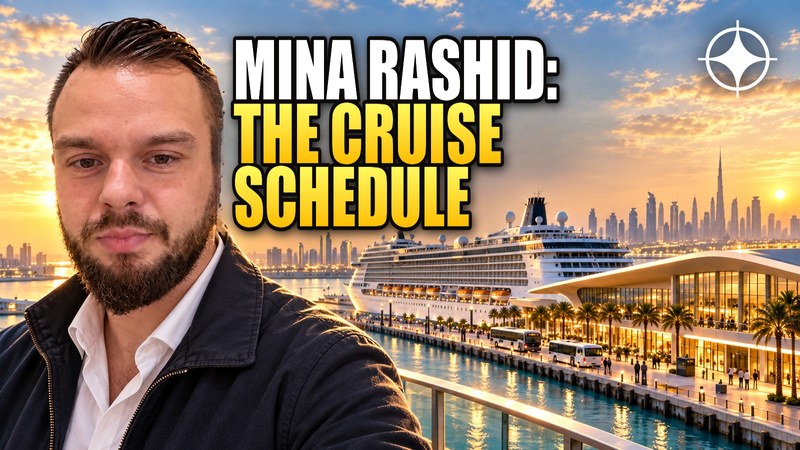
Mina Rashid: living next to the cruise terminal and its schedule
Ship calls bring surges of people and traffic to the district. Those surges run to a calendar, and it is published in advance.
Select Group: waterfront towers and what a marina address really costs
A developer built around Dubai Marina and the harbour districts. Why the water is the whole thesis, what a waterfront service charge looks like, and where the resale market for these units sits.
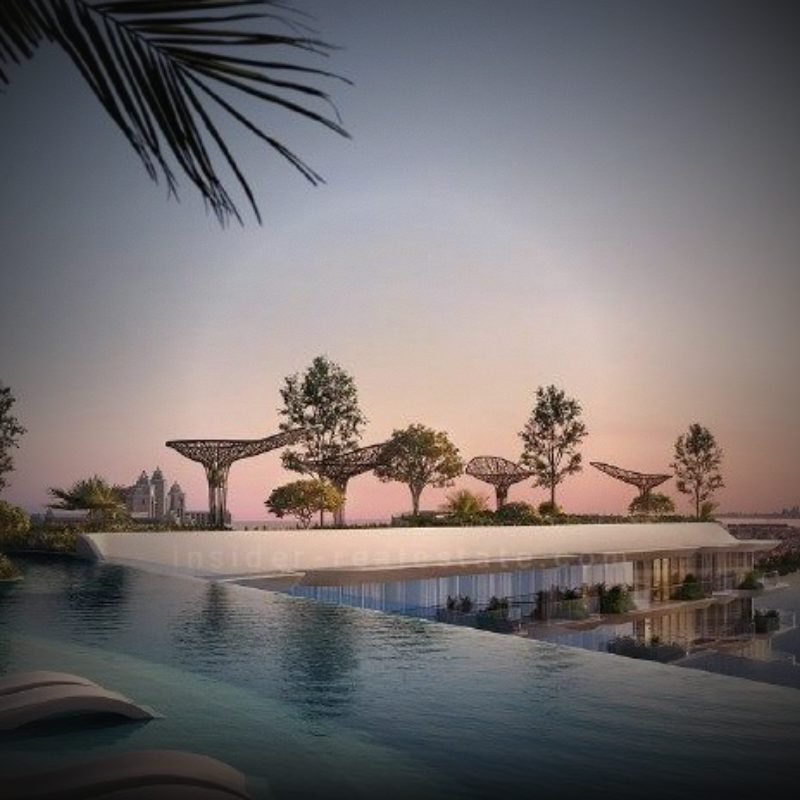
BEYOND: three projects, three Dubai districts — and three very different buyer profiles
PASSO on Palm Jumeirah, Arancia Yards in City of Arabia and Soulever in Dubai Maritime City are all built by the same developer, BEYOND, yet each draws a different kind of investor. Why one brand does not mean one buyer profile.

Apparel Group: how letting actually works in Dubai
A retail group developing a tower in Dubai Maritime City. Whoever you buy from, the rules on tenancy registration, rent increases and notice are the same — and they favour a prepared landlord.