
Harbour Lights by Damac and de GRISOGONO: prices, sizes and what the brand costs
Harbour Lights is Damac's branded tower in Maritime City, with interiors by de GRISOGONO — the Swiss jeweller. It launched at USD 354,000 for a 75 m² one-bedroom, USD 600,000 for a 115 m² two-bedroom and USD 630,000 for a 137 m² three-bedroom. The prices are the easy part. What the brand is actually worth is the question worth ten minutes.
The launch numbers
One-bedroom: 75 m², USD 354,000 — roughly USD 4,720 per square metre. Two-bedroom: 115 m², USD 600,000 — about USD 5,220 per square metre. Three-bedroom: 137 m², USD 630,000 — about USD 4,600 per square metre.
Note the shape of that: the three-bedroom is the cheapest per square metre and the two-bedroom the most expensive. That is unusual and it is worth interrogating. Usually it means the three-bedroom stock is in the less desirable stacks, or that the developer is discounting the unit type it expects to struggle with.
On a per-square-metre basis these numbers were competitive for waterfront Dubai at the time, which was the point of launching in a district nobody had heard of yet.
Talk to a licensed broker: WhatsApp +971 50 120 32 64 · Telegram
What a de GRISOGONO badge actually buys
In a branded residence the brand typically supplies interior design direction, some specified fittings and finishes, and its name. In the ultra-prime segment — a Bulgari or an Armani residence — the brand also brings a hotel operation, a service standard and a buyer who is specifically shopping for that name.
In a mid-market tower, a fashion or jewellery brand attached to the interiors is doing much less work. You get a distinctive lobby, a specified palette, and marketing. What you do not get is a hospitality operation or a materially different building.
The test I apply: would this apartment be worth the asking price if the badge came off? If yes, the brand is a free bonus. If the answer depends on the badge, you are underwriting a marketing asset whose value on resale in ten years is genuinely unknown — brands get sold, repositioned and retired.
The location argument
Maritime City in early 2023 was a district with water on several sides, an entry price well below completed waterfront comparables, and almost no infrastructure. Damac launching a branded tower there was a bet that the district would fill in.
That bet has partly played out — Select Group's Nautica followed, the school arrived in the Mina Rashid location, and the peninsula started to look like a residential district rather than an industrial one. Early buyers in this district have had a reasonable run.
The remaining risk is the same as it was: this is a district that depends on infrastructure delivery, and Dubai infrastructure arrives late. A ten-year view is appropriate. A two-year view is speculation.
Before you buy branded
Ask for the service charge estimate and compare it against a non-branded tower of the same size in the same district. That difference is the annual cost of the badge and it compounds over your holding period.
Ask what happens to the branding if the brand relationship ends. Most agreements have a term. A building that loses its brand mid-hold is a building with a very awkward resale story.
And check the specification you are actually getting against the show unit. Branded interiors are frequently an upgrade option rather than standard in every unit, and the show apartment is always the upgraded one.
The design-collaboration question
de GRISOGONO is a Swiss jewellery house, and its involvement here is interior design direction plus brand association. It does not operate the building and it carries no contractual responsibility for service standards after handover.
That is a materially different product from an operated branded residence, where a hotel group runs the property under an agreement with defined standards and a defined term.
The practical consequence: expect a better interior specification than a comparable unbranded tower, and do not expect the durable resale premium that operated branded residences command internationally.
A useful test on any branded launch is to ask what an equivalent unit in the same building or the same district costs without the badge. That gap is the price of the name, and it is a number the sales team can usually produce.
What the location gives you
Dubai Maritime City is a reclaimed peninsula between Port Rashid and the Drydocks: water on three sides, ten to twenty minutes to Downtown, minutes to Bur Dubai and Deira, and close to the airport.
That is genuinely central waterfront at a price the established coastal districts do not offer, and the peninsula geometry protects the water frontage permanently.
The surrounding district is early — limited retail and dining, active marine industry nearby, and residential still filling in — so daily life here today is not what the renders imply.
The wider northern waterfront regeneration, including Mina Rashid next door, is the longer-term argument, and it is a decade-scale one rather than a three-year one.
The checks before committing
Which stacks have genuine water frontage and which look along the building line. On a peninsula tower this is the largest single price variable and it is easy to misread.
The escrow registration and the construction percentage from the Dubai Land Department, checked directly.
The projected service charge, treating the developer’s first figure as a floor rather than a forecast.
The handover specification in writing, item by item, because the interior is what you are paying the brand premium for.
And what is permitted on the adjacent plots, since a peninsula under development can close a view in a single phase.
Frequently asked
How much did Harbour Lights cost at launch?
One-bedroom 75 m² at USD 354,000, two-bedroom 115 m² at USD 600,000, three-bedroom 137 m² at USD 630,000. Note that the three-bedroom worked out cheapest per square metre, which is usually a signal about stack quality or expected demand.
Are branded residences worth the premium?
In ultra-prime, where the brand brings a hotel operation and a buyer specifically shopping for that name, often yes. In a mid-market tower where the brand supplies interior design direction and a lobby, usually not — you pay the premium at purchase and again every year through the service charge.
Who is de GRISOGONO?
A Swiss high jewellery house. In this project the relationship covers interior design direction and branding rather than any hospitality operation, which is the distinction that determines how much the name is actually worth to a future buyer.
✍️ Message me on WhatsApp for a free consultation — off-market stock, payment plans and honest numbers on any of the projects covered here.
✅ Subscribe on YouTube — investment, property, business and relocation in the UAE and beyond.


Below market in Dubai Maritime City right now
From the daily off-market feed. Availability and price are confirmed on request.
All below-market listings →
In the news
The same subject in writing — analysis and news related to this video.
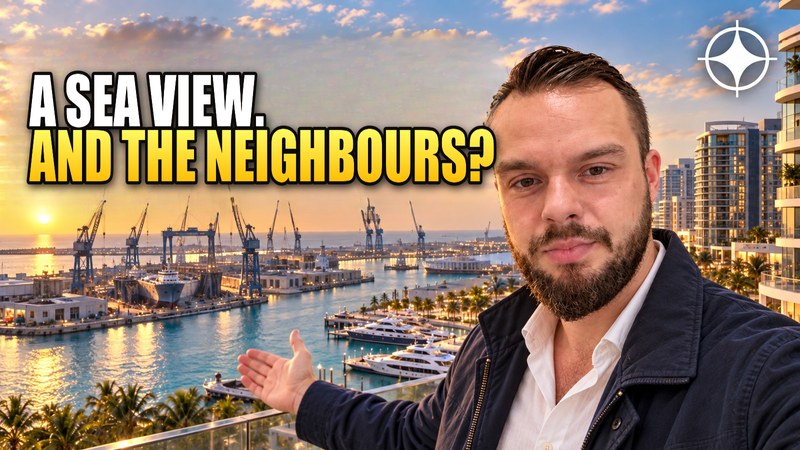
Dubai Maritime City: buying a home in the middle of the maritime industry
A peninsula between two harbours, planned as a hub for shipbuilding and ship repair, with residential towers on the same land. Here the neighbours matter more than the view.
BEYOND: three projects, three Dubai districts — and three very different buyer profiles
PASSO on Palm Jumeirah, Arancia Yards in City of Arabia and Soulever in Dubai Maritime City are all built by the same developer, BEYOND, yet each draws a different kind of investor. Why one brand does not mean one buyer profile.

Apparel Group: how letting actually works in Dubai
A retail group developing a tower in Dubai Maritime City. Whoever you buy from, the rules on tenancy registration, rent increases and notice are the same — and they favour a prepared landlord.
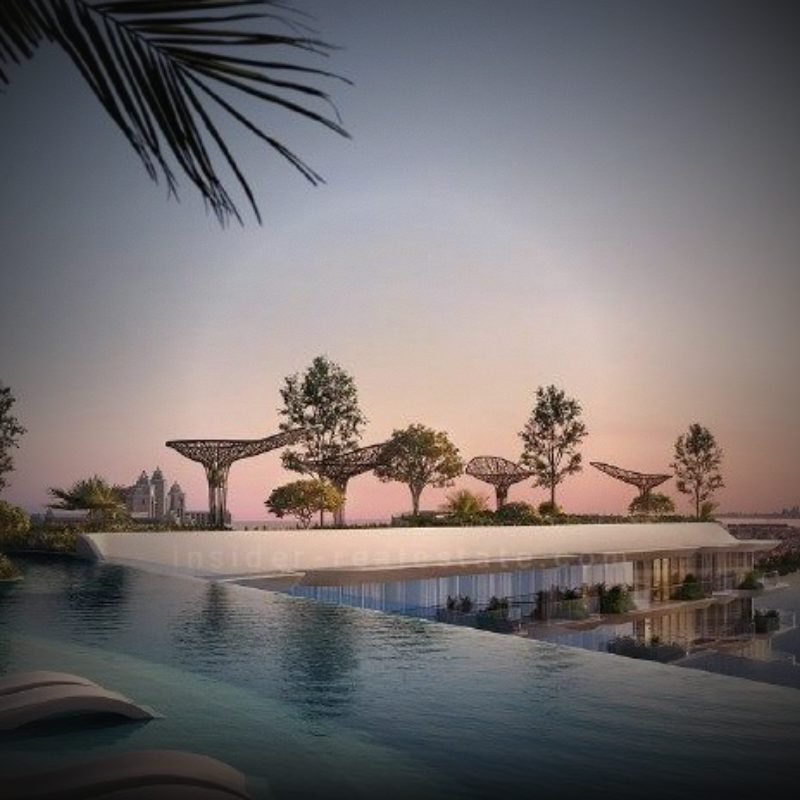
Emaar’s AED 200bn masterplan for 150,000 residents: what buyers know so far
Emaar has announced its largest masterplan ever: AED 200bn, 4.5 million m² of floor area, about 150,000 residents, five zones and a promised metro link. The name and site are still not official. Separately, it bought land in Ras Al Khor for AED 2.9bn. What it means for buyers.
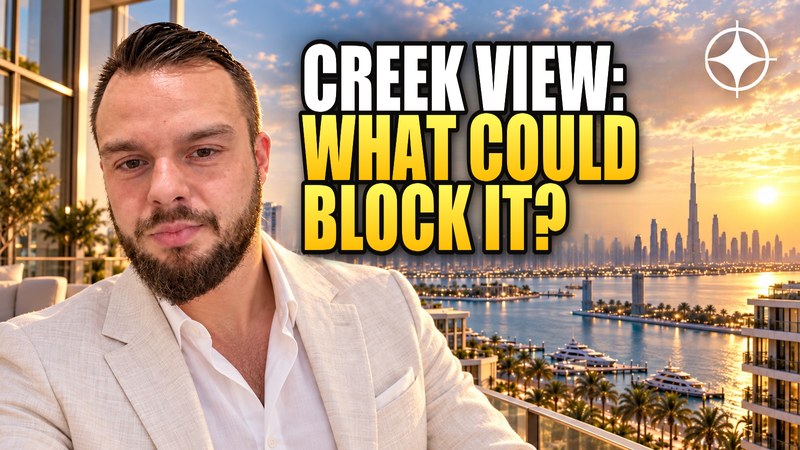
Dubai Creek Harbour views: what you pay for in a skyline view across the water
The city panorama across the water is the district’s main selling point and the most expensive part of the price. What protects it, and what could block it.
Dubai Creek Harbour: how to buy into a district that takes twenty years to build
A master plan this size is delivered in phases over decades. What that means for someone moving into the first phase, and how to value what does not exist yet.