
Dubai Festival City: one company owns the mall, the hotels, the golf course and the ground between them
In an ordinary Dubai district the mall, the hotel and the residential tower belong to different companies working to different standards. Here they belong to one, and that single fact explains both why the place is maintained better than its neighbours and why an owner has less control here than anywhere else on the creek.
What the district is
Dubai Festival City was developed by the Al-Futtaim group on the eastern bank of Dubai Creek, opposite Al Jaddaf. It is not a masterplan in the usual Dubai sense but a single holding: the land, the mall, the hotels, the golf course and the housing all belong to one owner.
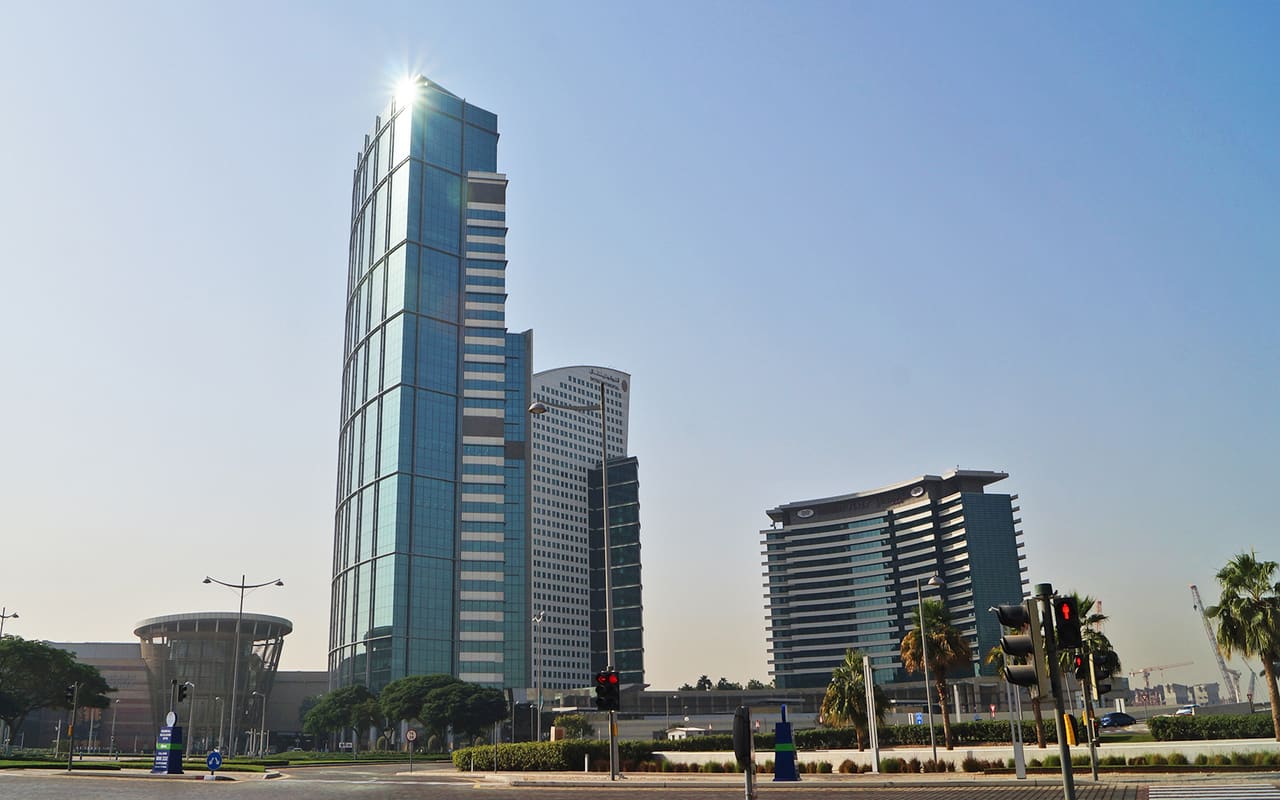
At its centre is Festival City Mall with IKEA and ACE and a waterfront light-and-water show, flanked by the InterContinental and Crowne Plaza hotels, the Al Badia golf course and a marina.
The residential component is small and splits into two quite different products: the Marsa Plaza and Festival Tower buildings on the water, and the low-rise Al Badia Hillside Village along the fairways.
Talk to a licensed broker: WhatsApp +971 50 120 32 64 · Telegram
The site is finished and does not expand. There is essentially no undeveloped land inside it, and that single fact shapes the whole logic of owning here.
What single ownership buys, and what it costs
What it buys is consistency. Upkeep across the mall, the hotels, the promenade, the landscaping and the residential common areas is visibly more coherent than in districts where each component negotiates its own maintenance contract, and the difference compounds over a decade.
It also buys walkability. Mall, cinema, promenade and school are reachable on foot from the apartments, which is rare in a city designed around the car, and it is most of why families who move here stay.
What it costs is control. The amenity that defines this address is somebody else’s asset, run to somebody else’s commercial plan — the mall, the hotels, the golf course and the events on the promenade are not decided by a residents’ vote and never will be.
That is a straightforward trade rather than a hidden defect, and it is worth naming before purchase rather than discovering afterwards. You are buying access to a very well-kept environment that you neither own nor steer.
The two products, and the gap between them
Apartments in Marsa Plaza offer creek views, the Downtown skyline from the far bank, and direct access to the mall and the promenade. Festival Tower sits on the same waterfront stretch.
Al Badia Hillside Village is the other product entirely: low-rise villas and townhouses along the golf fairways, quieter and greener than the towers, and further from the water.
The gap between the two in price, tenant and liquidity is wider than the gap between two neighbouring districts elsewhere in the city. Decide which one you are buying before viewing anything, because almost nothing learned about one transfers to the other.
Neither is a large market. The residential component of this district is small by design and does not grow, so in both products the number of genuinely comparable units on the market at any moment is small.
The trap: the ownership form is not uniform
The district was built out over time under differing arrangements, and the ownership form on a specific property here is not uniform across the district.
That makes it the first question on any unit rather than a detail for the lawyers later. Establish it before any deposit, in writing, for the exact property — not for the building, and certainly not for the district.
It matters beyond the purchase itself. Ownership form travels with the asset into the resale market, and a buyer three years from now will ask the same question of you and price the answer.
None of this makes the district difficult to buy in. It makes it a district where the sequence matters: confirm the instrument first, then look at views and floor plans.
The economics of a district that cannot grow
Supply is physically constrained: the land is used and no further phases are coming. Over a long hold that is the strongest characteristic this district has.
The flip side is a thin market. Transactions are few, comparables for valuation are scarce, and a sale takes longer than in districts with deep supply. That is structural and permanent, not a phase.
The service charge reflects the standard of upkeep, which is above the city average and paid for by the owners. Read three years of history rather than this year’s figure.
Rental demand is steady and family-driven, and rents neither spike in good years nor collapse in bad ones. A notable share of owners occupy their apartments rather than letting them, which is unusual for Dubai and shows in the condition of the buildings. Short-term letting has never really taken hold here despite the hotels.
Daily life, and what to check
Life organises itself around one point. The mall covers groceries, pharmacy, cinema, restaurants and a good share of services, and residents walk to it — in a city where everything is a drive, that changes the rhythm of the day noticeably.
The creek promenade is the district’s public space, and the Al Badia golf course sets the character of the low-rise section: houses along the fairways, generous planting and almost no internal traffic.
The other side of the same coin is the weekend. The mall draws people from across the eastern bank, and on a Friday evening the car parks and approach roads are markedly busier than on a weekday. What one buyer calls convenience another calls footfall under the window.
So: confirm the ownership form; check orientation and view, because creek-facing and courtyard-facing units differ enormously in both price and rent; read three years of service charge history; and stand outside the specific building on a weekend evening. Compare against Al Jaddaf across the creek, Dubai Creek Harbour further along, and Mirdif inland.
Frequently asked
Who owns Dubai Festival City?
It was developed by the Al-Futtaim group and remains a single holding: the land, the mall, the hotels, the golf course and the housing all belong to one owner. That produces unusually consistent upkeep, and it means the amenity that defines the district is run to one company’s commercial plan rather than by a residents’ association.
What should I check before buying in Dubai Festival City?
The ownership form on the specific property first — it is not uniform across the district and needs confirming in writing before any deposit. Then orientation and view, since creek-facing and courtyard-facing units differ enormously; three years of service charge history, because the upkeep is above average and priced accordingly; and proximity to the mall, which is convenience on a weekday and footfall at the weekend.
Is Dubai Festival City good for short-term letting?
It has never really taken hold here. Despite the hotels this is not a tourist district: demand is steady, family-driven and long-tenancy, and a notable share of owners occupy their apartments rather than letting them at all.
✍️ Message me on WhatsApp for a free consultation — off-market stock, payment plans and honest numbers on any of the projects covered here.
✅ Subscribe on YouTube — investment, property, business and relocation in the UAE and beyond.


Below market in Dubai Festival City right now
From the daily off-market feed. Availability and price are confirmed on request.
All below-market listings →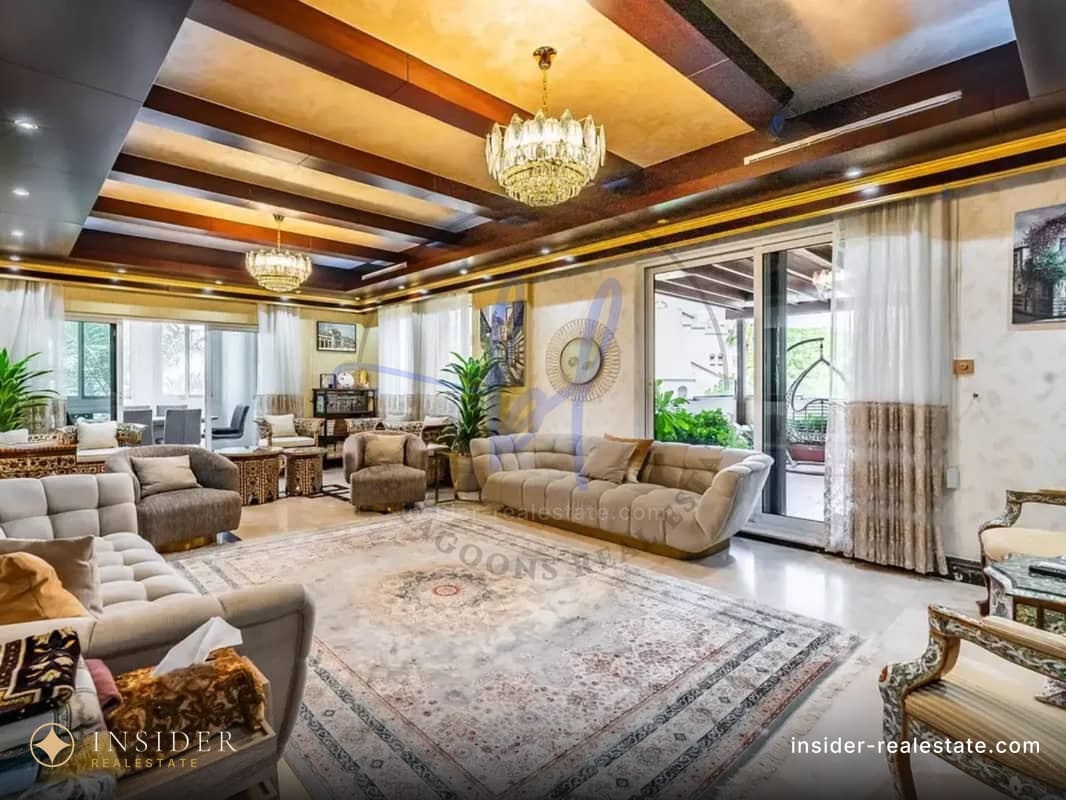
Related reading
The same subject in writing — analysis and news related to this video.

Dubai Festival City: a district where one company owns everything around you
A waterfront quarter with a mall, hotels, schools and homes under a single owner. Single ownership buys predictability and creates dependence.

Dubai Festival City: who decides what you pay
A district under a single owner is maintained better than most. It also means the standard, and the charge that pays for it, are set by someone else.

IFA Hotels & Resorts: a hospitality company that built homes on the Palm
A resort developer whose Palm Jumeirah buildings sit beside its own hotels. What sharing a site with a hotel means for daily life, service charges and governance.

Registering a company abroad: when it gives status and when it gets in the way
A company is the most common instrument used to obtain residence and one of the most common ways people acquire obligations they did not want.

How many visas a licence actually carries
A company sponsors residence permits — but not an unlimited number. The quota is set by the licence and the premises, and it is the constraint families discover after incorporating.

Property held by a company, and what that does to the visa
Buying through a structure solves some problems and creates one specific one: the qualifying basis for a residence visa is ownership by a person, and a company is not a person.