IFA Hotels & Resorts: a hospitality company that built homes on the Palm
A resort developer whose Palm Jumeirah buildings sit beside its own hotels. What sharing a site with a hotel means for daily life, service charges and governance.

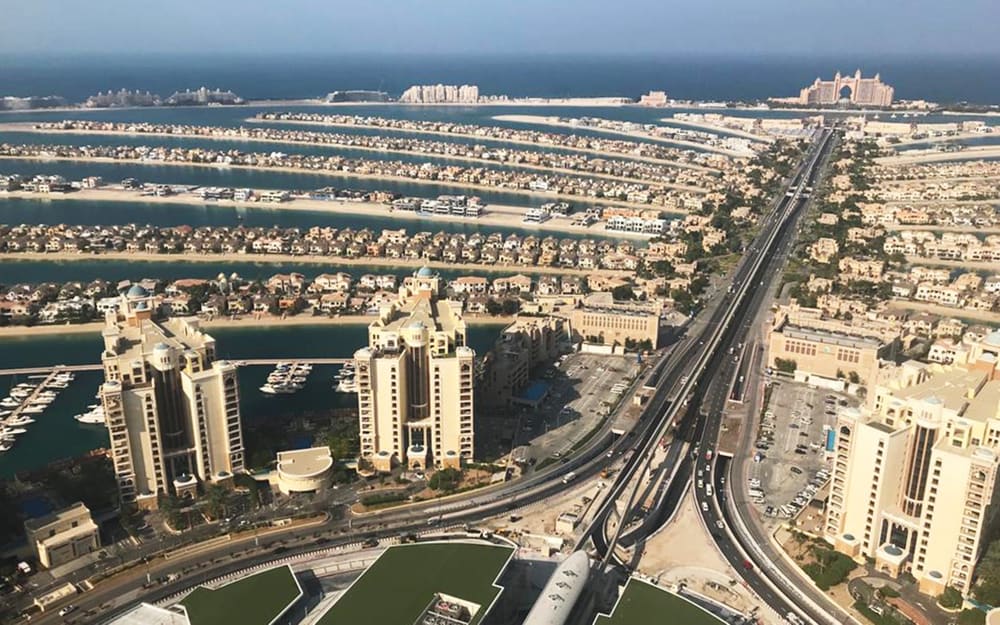
IFA Hotels & Resorts came to residential development from hospitality, and its Palm Jumeirah buildings sit on the crescent alongside resort operations. Homes built by a hotel company, next to a hotel, behave differently from homes in a standalone tower — in ways that are easy to check and easy to miss.
Sharing a site with a resort
- Facilities may be shared, and sharing is contractual. Beach, pools, gym and restaurants are often the hotel's, with resident access defined in documents rather than by proximity. Get that access in writing.
- Costs are apportioned. Where systems, grounds or security are shared, establish exactly how the bill is split between hotel and residential owners. This is the single most consequential document in the transaction.
- Governance is not one-sided. In a shared development the hotel owner may carry significant weight in decisions about maintenance and spending, which shapes your service charge for as long as you own.
- Operations mean traffic. Deliveries, arrivals, events and staff shifts run to a hotel's schedule, not a residential one.
What the arrangement gives
- Resort-standard maintenance. Grounds and common areas kept to a level an owners' association acting alone rarely achieves.
- A serviced lifestyle without operating it, which for part-time residents is the main attraction.
- A scarce address on a beach that cannot be extended.
What it costs
- High service charges, permanently. Resort standards are expensive and owners fund them whether they use the facilities or not.
- Compressed yield. At these capital values rent does not keep pace, which is normal for the segment.
- A narrower resale market and a longer sale.
What to check
- Resident access rights to hotel facilities, in the documents, and whether they can be changed.
- The service-charge apportionment between components, with several years of history.
- Reserve fund and owners' association minutes — these buildings are mature, and sea air is hard on structures.
- A building survey, non-negotiable on beachfront property of this age.
- Short-let permission, which in resort-adjacent buildings is often restricted.
- Real transaction comparables in the same building, from the public register.
Who it suits
- Part-time residents who want a serviced beachfront home and will actually use the facilities.
- Long-horizon owners comfortable with a high annual cost and a slow exit.
- Not a yield investor, and not a buyer who has skipped the apportionment document.
Based on the Dubai Land Department transaction register and standard mixed resort-residential practice.
Talk to a licensed broker: 📲 +971 50 120 32 64 on WhatsApp, @dubai_oleg on Telegram
Video on this topic
The same subject on the English channel — each clip has a written version of its own.
 34:38Interior design in Dubai: neuroarchitecture, longevity design and soulful luxury explained8 October 2026
 56:22Villa restoration in Dubai: what marble, wood and furniture repair costs in luxury homes4 October 2026
 13:04Seven Palm on Palm Jumeirah: an infinity pool, a rooftop bar and a hotel underneath8 May 2024
 12:00XXII Carat on Palm Jumeirah: 22 Mediterranean villas compared with Raffles and Zabeel Saray20 September 2023
 55:13Land plots and joint ventures in Dubai: how investors and developers split the profit9 October 2026

In the news
Other write-ups on the site about the same thing.

Kerzner International: when the hotel operator is the name on your home
The operator behind Atlantis and One&Only, with residences attached to its resorts. What an operator-led residence gives, what it costs annually, and where the value sits.

KOA: what a golf community actually costs, and who it suits
A developer building in a golf-course community. A fairway view is one of the few outlooks that cannot be built out — and the arrangement behind it has a price.

Green Group: the case for a six-storey building in a district of towers
A developer with a low-rise building in JVC, a district otherwise going vertical. Low-rise has structural cost advantages that almost nobody prices in.

Taraf Development: a branded villa is not a branded apartment
A developer building branded homes on the Palm and branded villas in MBR City. Putting a fashion name on a house works differently from putting it on a tower, in three specific ways.

Parshwa Holdings Ltd and Zabeel Investments: buying from a joint venture
A Palm Jumeirah building delivered by two companies together. Joint ventures are common in Dubai development and they change one thing that matters: who exactly owes you what.

BNH Real Estate Developer: homes above shops, and what that changes
A developer with mixed retail-and-residential buildings in Al Furjan. Living above active commercial space has specific advantages and specific problems, and both are checkable.
Related services
Below market in Palm Jumeirah right now
From the daily off-market feed. Availability and price are confirmed on request.
All below-market listings →