
Ellington Beach House: eight storeys on the Palm crescent, and why the number is the point
Palm Jumeirah is three markets sharing one name, and the crescent is the one most buyers never reach: the outer breakwater, occupied almost entirely by resorts and branded residences. A completed eight-storey residential building there is a different proposition from anything on the trunk, and the difference is not only the address.
What the passport records
Ellington Beach House is an eight-storey mid-rise residential building by Ellington Properties Development, recorded as complete with a completion year of 2024, on The Palm Crescent. The architect of record is RSP Architects Planners & Engineers, and the passport lists pool, children’s and beach amenity.
Eight storeys is the figure that distinguishes it. The trunk of the Palm is lined with apartment towers; the crescent is occupied by resorts and branded residences at resort scale. A low-rise residential building on the outer breakwater is a small category.
Completed in 2024 means it can be inspected rather than imagined. The finish, the common areas, the beach, the actual view from the actual unit and the first real service charge are all available facts.
Talk to a licensed broker: WhatsApp +971 50 120 32 64 · Telegram
Beach amenity on the crescent means the open sea side rather than the sheltered water of the trunk, which changes the character of the frontage and, for a guest, the reason to book.
Trunk, fronds and crescent
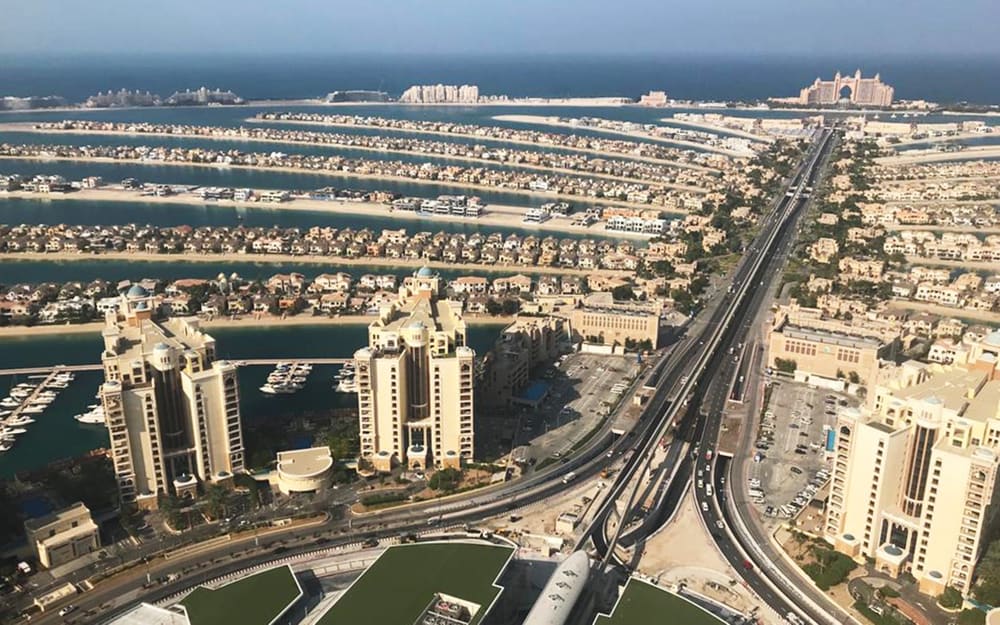
The geometry of the island determines the market and it is worth getting right before looking at a single listing. The trunk is the central spine: apartment towers, the monorail and the single road on and off. The fronds are the sixteen residential branches, almost entirely villas with private beach. The crescent is the outer breakwater — resorts, hotels and branded residences.
These are not shades of one market. Price, buyer, liquidity and the logic of ownership have almost nothing in common between a frond villa and a trunk studio, and any single average figure for "Palm Jumeirah" is blending things that should not be blended.
The crescent’s character comes from what surrounds it. Your neighbours are hotels, which means restaurants, spas and beach clubs within walking distance and a level of activity the fronds do not have and the trunk has differently.
It also means the crescent is further from the mainland along the island’s one access route, which is a real consideration for a resident and a smaller one for a guest who is not commuting.
Living there rather than letting it
As a second home the proposition is straightforward: beach access without leaving the city, in a building small enough not to feel like a hotel, surrounded by places to eat that you do not have to drive to.
As a primary home it depends entirely on the commute. There is one road on and off the island plus a limited monorail, and at peak times leaving takes a while. From the crescent that journey starts further back.
There is also very little on the island beyond the retail clusters and whatever is in your own building. A supermarket run means the bridge, and so does a school.
Which is why the island suits second-home buyers, short-let investors and capital-preservation buyers far better than it suits a daily commuter to DIFC or a family that needs schools nearby.
The short-let case, and the season
The short-let argument on Palm Jumeirah is one of the strongest anywhere, not merely in Dubai. The island is a destination guests search by name, so a listing is discovered rather than having to compete on price, and winter occupancy is consistently high at a large premium over inland stock.
A small building with its own beach is well placed within that. A low unit count means the building is not competing with two hundred identical listings at the same address, which is the structural problem with putting a short-let unit into a very large tower.
The counterweight is the summer. Dubai tourism falls sharply from June to September and a beach-driven location falls harder than a city one. Any annual occupancy average that does not separate the seasons will mislead you — model winter and summer independently and add them.
And confirm, in writing from the owners association, that this specific building permits holiday lets. Not every Palm building does, and buying on a short-let thesis into a building that prohibits it is an expensive thing to discover late.
What a small building changes
Fewer units means fewer owners, which means the owners association is a small group of people with a large individual stake. That tends to produce better maintenance decisions and occasionally slower ones.
It also means less resale competition. In a tower of several hundred units there is nearly always someone selling your layout; in a building of this size there frequently is not, and that scarcity shows up in what you achieve rather than in what you list at.
The other side is the charge. Island infrastructure is expensive — breakwater and beach maintenance, extensive landscaping, security, utilities distribution — and the cost is spread across fewer units than in a tower. Palm service charges are among the highest in the emirate before that arithmetic is applied.
Ellington builds at the design-led end of the Dubai market and prices accordingly. The specification is part of what you are buying and part of what a short-let guest is booking, which is a more direct relationship between finish and income than a long-let asset has.
What to verify before buying
Holiday-let permission for this building, in writing from the owners association, ahead of any income modelling.
The service charge, which for a 2024 completion now has a short real history rather than a projection — and which on this island is the number that most often turns a projected return into a disappointing one.
The beach arrangements: what is private to the building, what is shared, and how it is maintained.
The actual view and the actual aspect from the unit, at the floor concerned. On the crescent the difference between facing open sea and facing the island is the difference between two prices.
And the operating stack if you intend to let short: fifteen to twenty-five percent to a management company, cleaning between stays, utilities you pay rather than the tenant, consumables and the DTCM permit. Put all of it into a net figure before comparing against a long let elsewhere.
Frequently asked
Where is Ellington Beach House on Palm Jumeirah?
On the crescent — the outer breakwater of the island, where the resorts and branded residences are, rather than on the trunk where the apartment towers stand. The project passport records eight storeys, completion in 2024, and pool, children’s and beach amenity.
Can I run a holiday home in a Palm Jumeirah building?
Only if the specific building permits it, and not every Palm building does. Confirm it in writing from the owners association before underwriting any short-let income, and obtain a holiday-home permit from Dubai Department of Economy and Tourism.
Why are Palm Jumeirah service charges so high?
Island infrastructure — breakwater and beach maintenance, extensive landscaping, security and utilities distribution — costs considerably more than a mainland plot, and it is billed to owners through the charge. In a small building that cost is spread across fewer units.
✍️ Message me on WhatsApp for a free consultation — off-market stock, payment plans and honest numbers on any of the projects covered here.
✅ Subscribe on YouTube — investment, property, business and relocation in the UAE and beyond.


Below market in Palm Jumeirah right now
From the daily off-market feed. Availability and price are confirmed on request.
All below-market listings →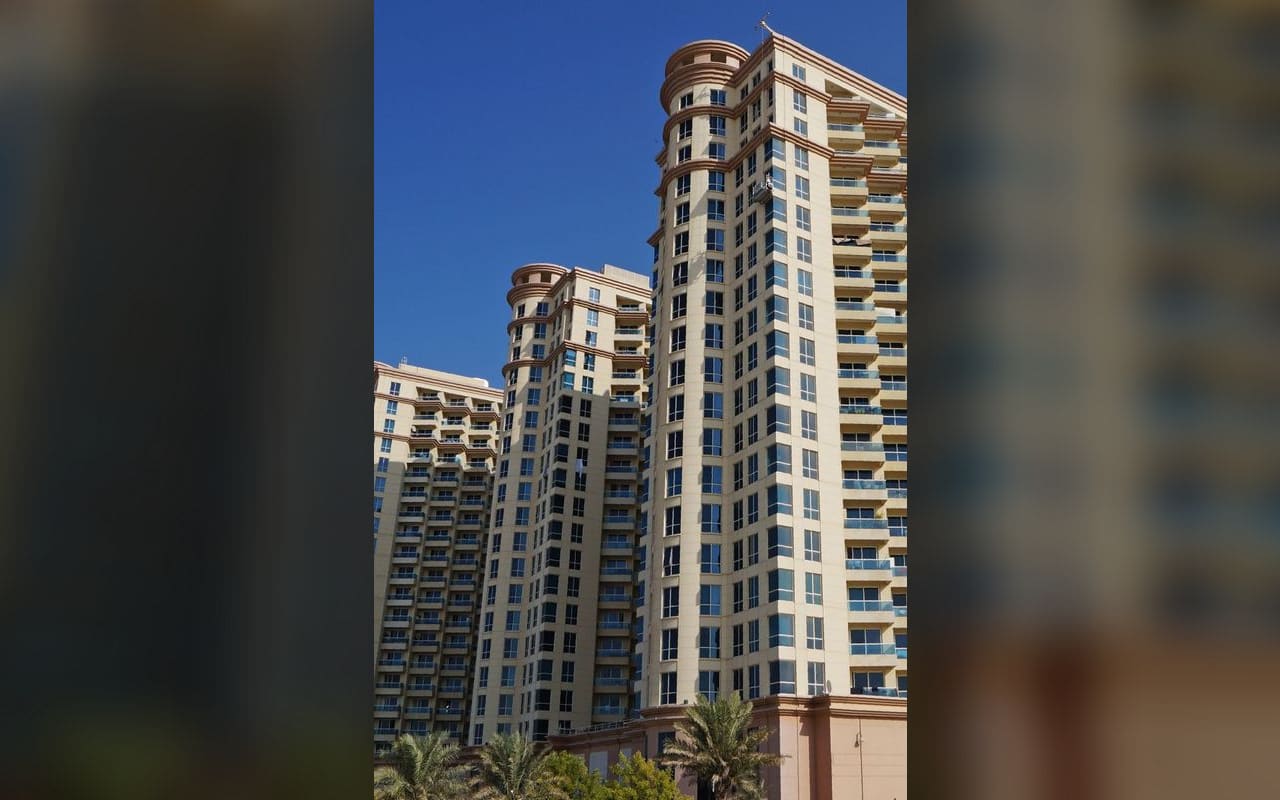
In the news
The same subject in writing — analysis and news related to this video.

Armani Beach Residences on Palm Jumeirah: 53 homes, Tadao Ando and a slip to 2027
A project built around three names, with fifty-three apartments in the whole scheme. Why the district’s price per foot tells you nothing about it, and what to check in projects like this.

Six Senses Residences The Palm: sky villas and penthouses in a completed scheme
Access has opened to held-back stock in one of Dubai’s most visible finished projects — sky villas, signature villas and penthouses, delivered fully finished. What buying completed premium changes about the risk.

Roya Lifestyle Development: one project, one brand, one set of questions
A developer whose portfolio is essentially a single branded project on Palm Jumeirah. What to do when there is no delivery record to examine and no second project to compare against.
Skai Holdings: hotel-branded residences and the operator question
A developer of hotel-branded buildings on Palm Jumeirah. Operators can change over a building’s life — what that does to the asset, and what to establish before buying.

Seven Tides: hotel apartments on the Palm, and what you actually own
A developer whose Palm Jumeirah buildings are run by hotel operators. The difference between a serviced apartment, a hotel unit and a normal flat — and why it decides everything else.

ETA Star: an engineering group that built apartments
The property arm of a large regional engineering and contracting group, with towers in the Marina and on the Palm. What an engineering parent means in a delivered building.