How the island is arranged
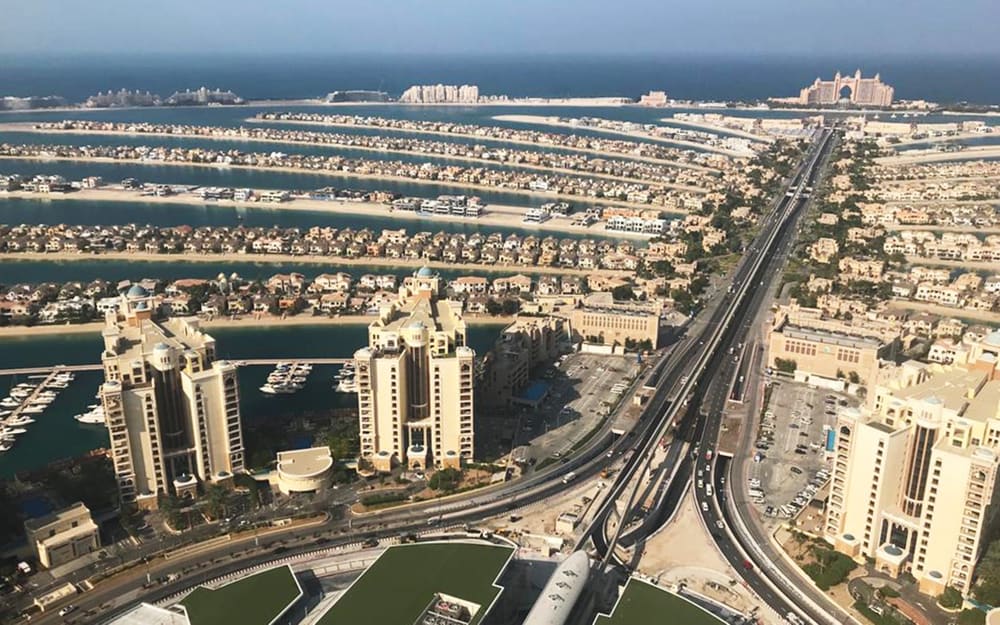
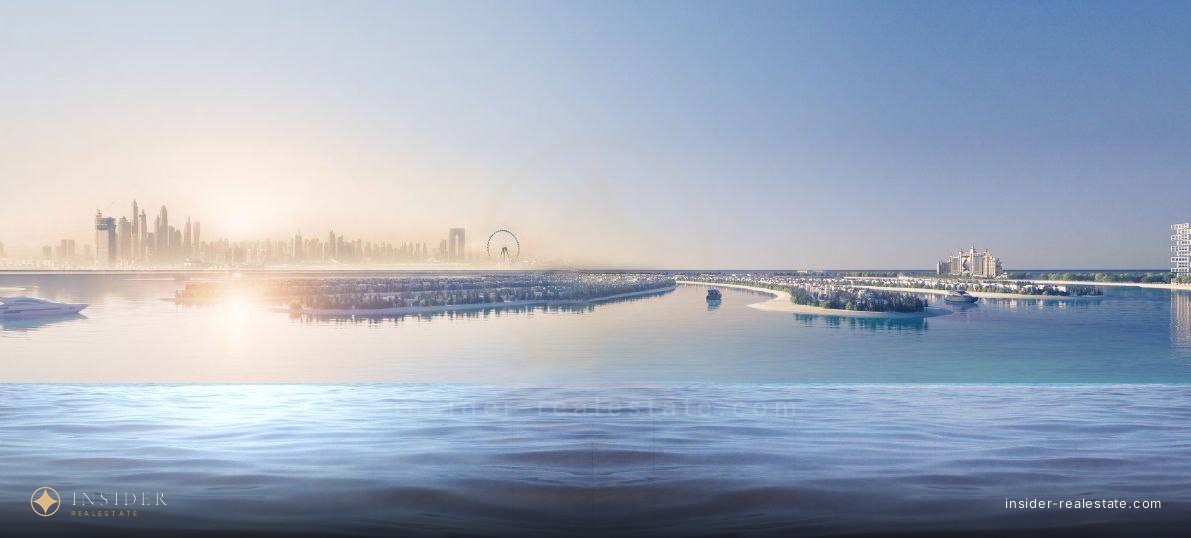
Palm Jumeirah is a reclaimed archipelago built by Nakheel and occupied from 2006. Its geometry determines everything about the market here, and it is worth understanding before you look at a single listing, because otherwise the prices make no sense.
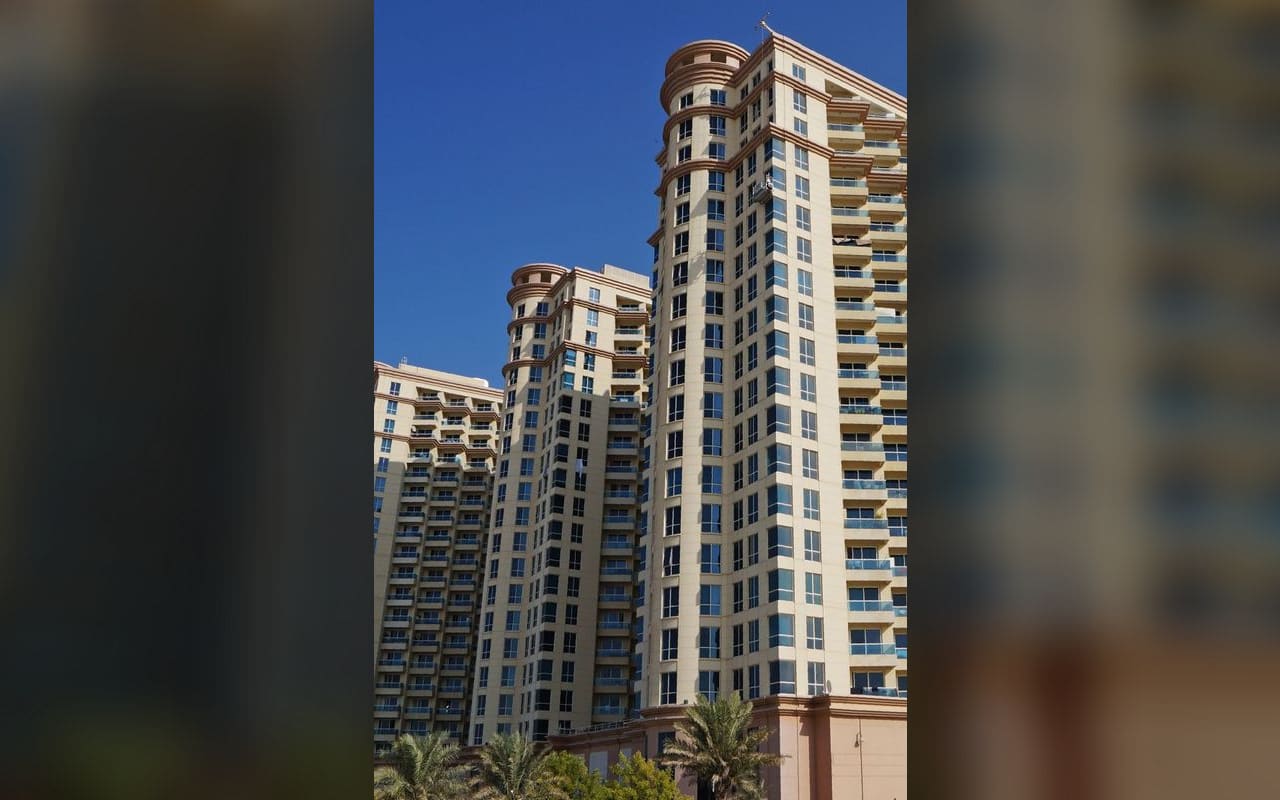
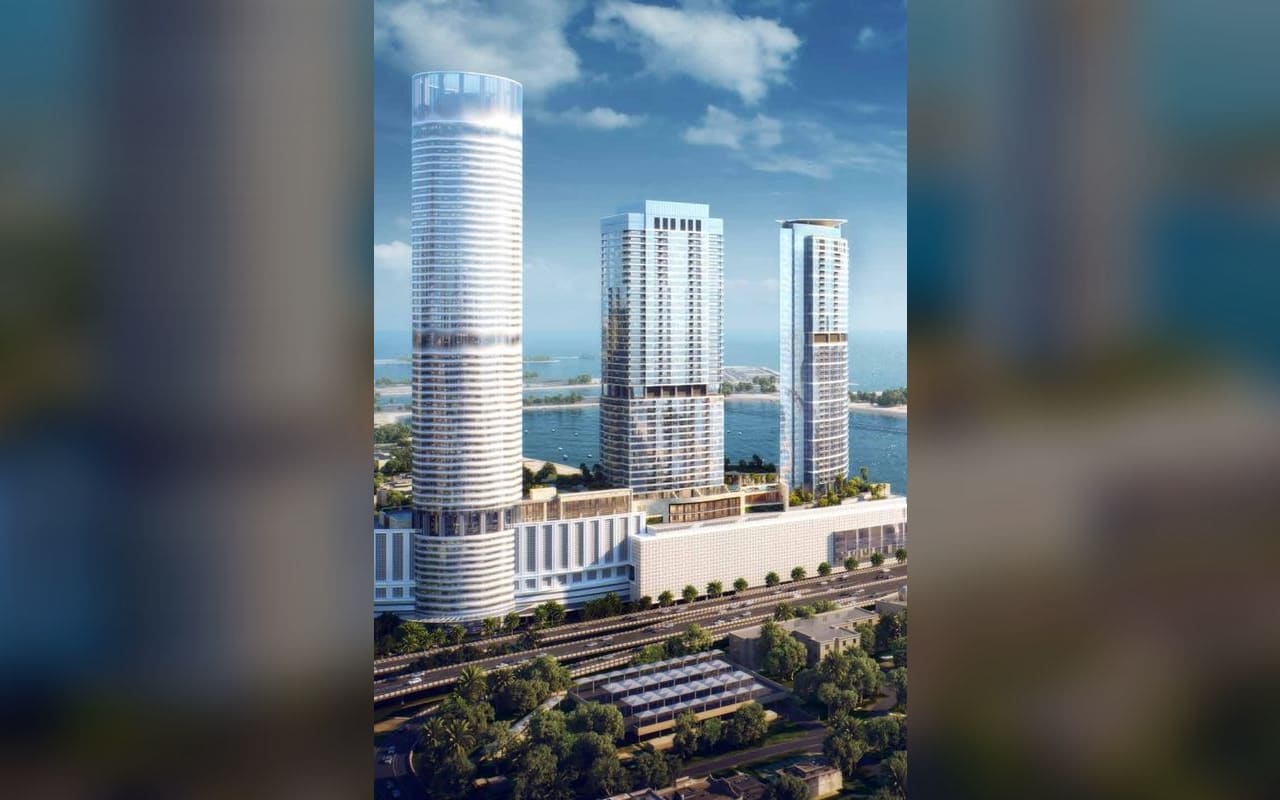
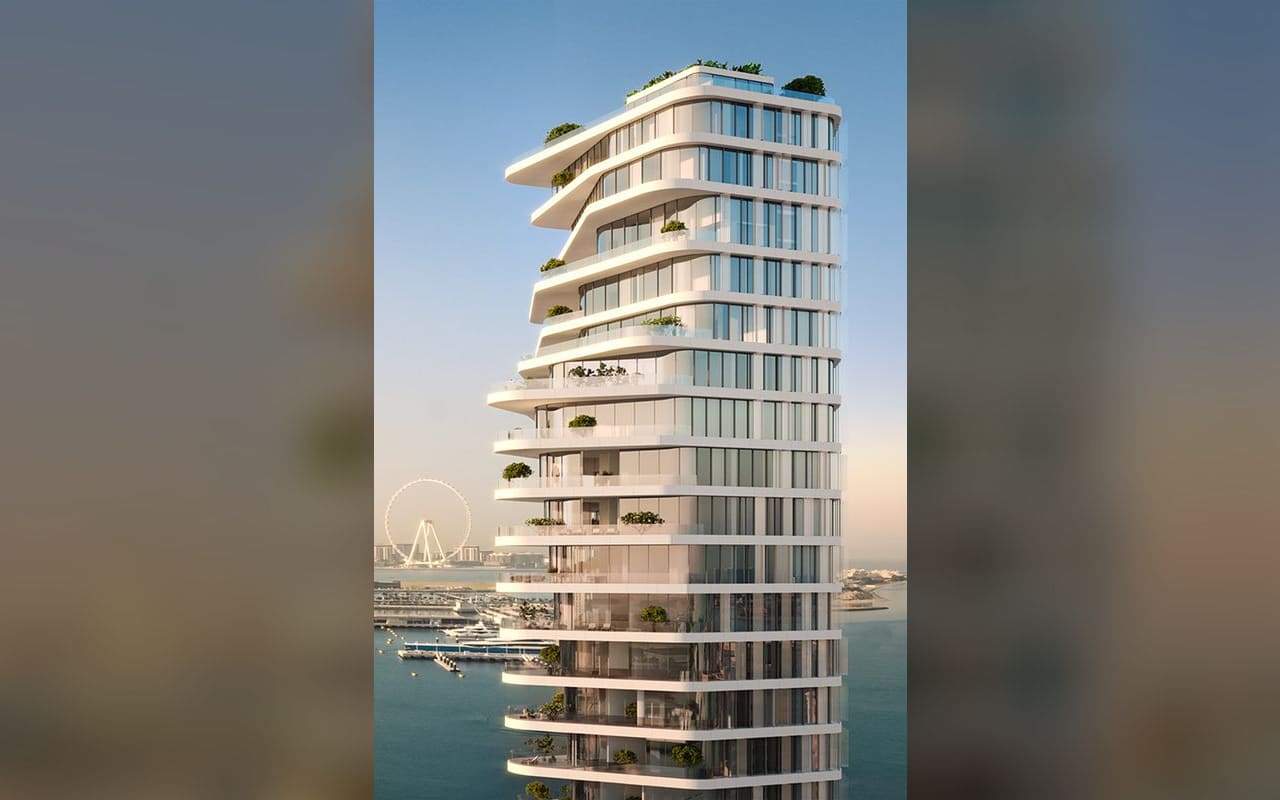
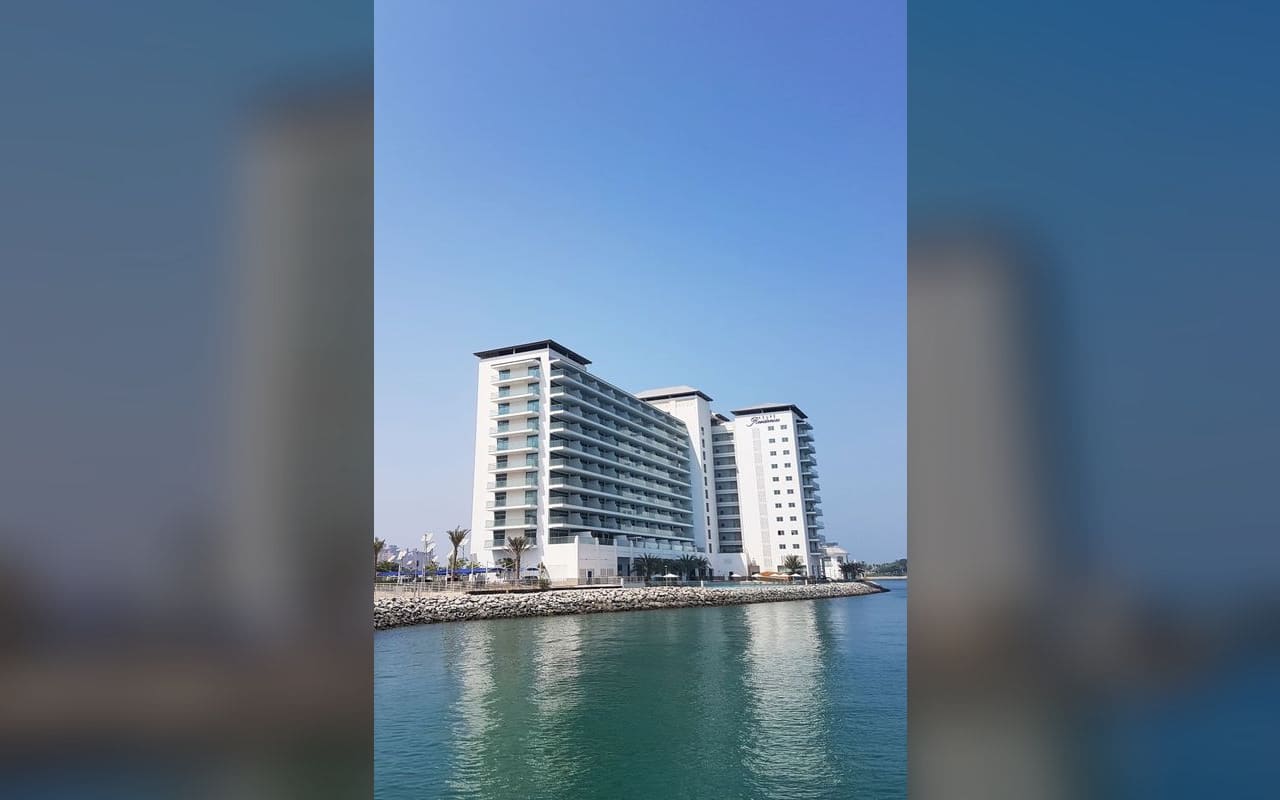
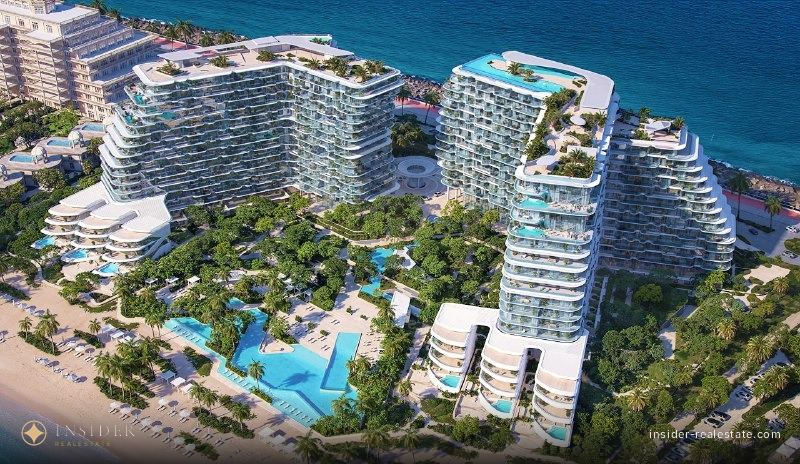
The trunk is the central spine. Apartment towers line it — Shoreline, Golden Mile, Marina Residences, Palm Beach Towers and others — along with the monorail and the single road onto the island. The fronds are the sixteen residential branches, built almost entirely as villas, each with its own stretch of shoreline and direct water access. The crescent is the outer breakwater, occupied by resorts, hotels and branded residences such as Atlantis, Six Senses and One&Only.
The differences between those three are not shades of the same market. Price, buyer, liquidity and the logic of ownership have almost nothing in common between a frond villa and a trunk studio. Whenever you see a single average figure for "Palm Jumeirah", remember it is blending things that should not be blended.
The villas on the fronds
These are beach houses. Each frond villa has a private stretch of sand and water at the end of its garden, which does not exist anywhere else in Dubai at this scale. The original Nakheel villas came in a small number of standard typologies — Garden Homes and Signature Villas — and a large share have since been rebuilt or heavily remodelled by their owners.
That remodelling matters enormously for pricing. An original 2006 Garden Home and a fully rebuilt contemporary house on the same plot are different products at very different prices, and both are described as "Garden Home" in the listings. Look at the plot, then look at the house on it, and price them separately.
The fronds differ from each other too. The outer fronds are quieter and further from the trunk; the inner ones are closer to everything and busier. Orientation determines whether you get sunrise or sunset over the water and whether you look at the Dubai skyline or at open sea — and buyers here care about that a great deal.
The apartments on the trunk
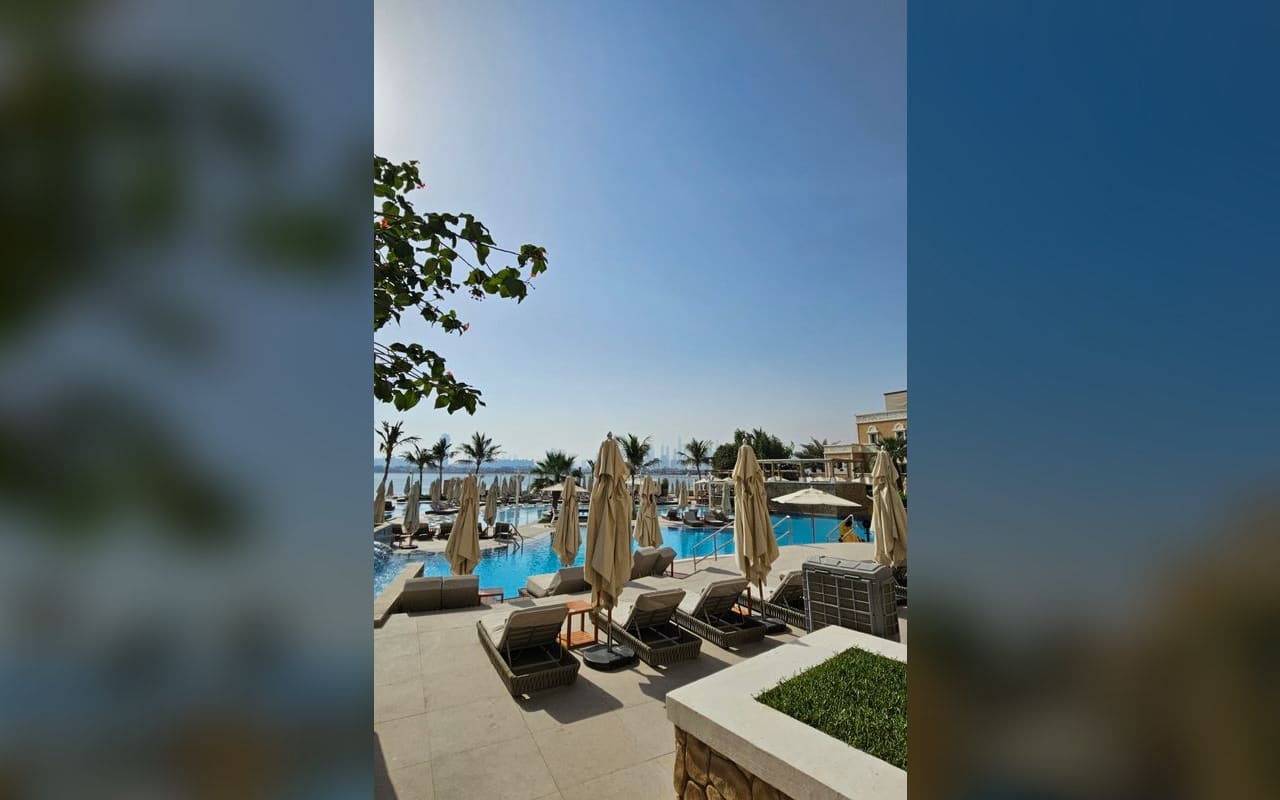
This is where most people actually buy. Trunk apartments give you the Palm address, beach access through a club or a public beach, and an entry price a normal investor can reach.
The short-let case here is one of the strongest in the world, not merely in Dubai. Palm Jumeirah is a destination guests search by name, so a listing is discovered rather than having to compete on price. Winter occupancy is consistently high and nightly rates carry a large premium over inland stock.
The counterweight is the summer. Dubai tourism falls sharply from June to September and a beach-driven location falls harder than a city one. Any annual occupancy average that does not separate the two seasons will mislead you. Model winter and summer independently and add them.
Costs and constraints
Service charges on the Palm are among the highest in the emirate. Island infrastructure — the breakwater, beach maintenance, extensive landscaping, security, utilities distribution — costs more than a mainland plot and is billed to owners.
Short-let operating costs stack on top: fifteen to twenty-five percent to a management company, cleaning between stays, utilities you pay rather than the tenant, consumables, and the DTCM permit. Put all of it into a net figure before comparing against a long let elsewhere. The Palm usually still wins on short-let, by a narrower margin than the gross numbers imply.
Access is the structural constraint. There is one road on and off the island plus a limited monorail. At peak times leaving takes a while, and guests notice. There is also very little inside the island beyond what is in your own building and the two retail clusters — a supermarket run means the bridge.
What to verify before buying
Whether the specific building permits holiday lets, in writing from the owners association. Not every Palm building does, and buying on a short-let thesis into a building that prohibits it is an expensive mistake to discover late.
Beach access arrangements. Some trunk buildings have direct or club beach access and some do not; the guest experience and the achievable rate differ substantially.
The actual view. On the trunk, buildings face either the sea or across the spine at other buildings, and that determines both the nightly rate and the resale price.
On a villa: the plot boundary and the shoreline. Beach frontage on the fronds has been the subject of disputes, and you want the title plan rather than an assurance.
And the service charge history, which on this island is the number that most often turns a projected return into a disappointing one.
Who it suits
Short-let investors, more than anywhere else in Dubai, because the demand is destination-driven rather than price-driven. Second-home buyers who want beach access without leaving the city. And anyone buying for capital preservation: the island cannot be extended, and the supply of homes on it is fixed.
It suits poorly a daily commuter to Downtown or DIFC, a family that needs schools within a short drive, and anyone optimising for long-let percentage yield, which is low here because the price reflects the address more than the rent does.
If you want the water without the island, look at Emaar Beachfront or JBR: same coastline, mainland access, and a considerably shorter journey to everywhere else.