
Seven Palm on Palm Jumeirah: an infinity pool, a rooftop bar and a hotel underneath
Seven Palm is on the trunk of Palm Jumeirah, opposite Nakheel Mall and next door to the DUKES hotel, and it comes with an infinity pool and a rooftop bar attached. It is a hotel-apartment product, which is a specific thing with specific economics — and the reason people buy it is almost never the reason they should.
Who Seven Tides are
Seven Tides is an internationally oriented holding company founded in Dubai in 2004, working across hospitality and real estate. Their portfolio includes Anantara The Palm Dubai Resort, the Mövenpick Hotel Ibn Battuta Gate, Oceana Residences and the DUKES hotels in Dubai.
That matters here because Seven Palm is not a residential developer's building with a hotel bolted on; it is a hospitality operator's building with apartments in it. The operational instincts behind the project are hotel instincts, which shows up in the lobby, the service model and the way the pool deck is run.
It also shows up in the service charge, which reflects a serviced building rather than a residential one.
Talk to a licensed broker: WhatsApp +971 50 120 32 64 · Telegram
The location: trunk versus fronds
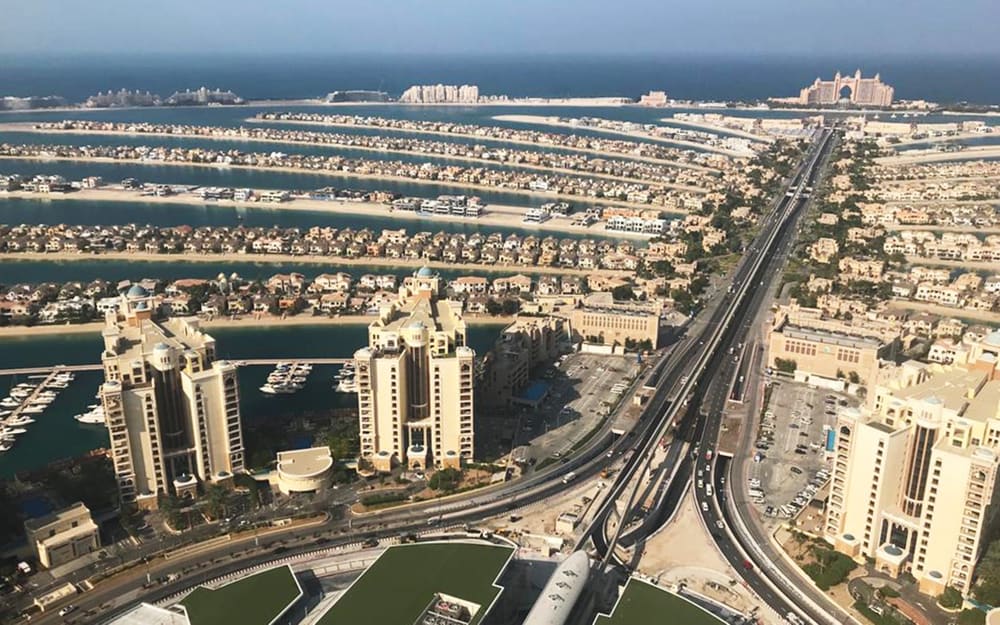
The trunk of the Palm is the dense, connected part — the monorail, Nakheel Mall, the hotels, the traffic. The fronds are the quiet villa strips. Seven Palm is firmly on the trunk, opposite the mall.
For a short-let investor the trunk is the right side of that trade: guests want to walk to the mall, take the monorail and be near restaurants. For someone buying a home, the fronds are quieter and the trunk can feel like a resort strip.
The single road on and off the Palm is the constraint everyone forgets until they live there. In peak season the trunk backs up, and a fifteen-minute journey becomes forty.
The hotel-apartment question
A hotel apartment gives you a managed short-let route with no effort: the operator runs the letting, the cleaning and the guest handling, and you receive a share. The appeal is obvious and the pitfalls are consistent.
Read the operating agreement rather than the brochure. Specifically: what percentage of gross the operator takes, what is deducted before your share is calculated, whether there is a pooled arrangement (your income depends on the whole building, not your unit), how many nights per year you may occupy it yourself, and how you exit the agreement if you want to let it independently.
Guaranteed-return periods are the other thing to read carefully. A guaranteed yield for the first two or three years is usually priced into the purchase price, and what happens in year four is the number that actually matters. Ask for the operator's historical performance on their existing Dubai assets — Seven Tides has several, so the data exists.
Who it suits
It suits an overseas investor who wants a Palm Jumeirah address, short-let income and no operational involvement, and who has read the operating agreement properly.
It does not suit someone who wants to live on the Palm — the building runs as a hotel and it feels like one. It also does not suit a buyer who wants control over their asset: in a pooled arrangement, your unit's performance is not your unit's performance.
And it is worth comparing against buying a straightforward apartment in a residential Palm building and appointing your own holiday-home management company. That route gives you a lower service charge, full control and often a better net figure — at the cost of actually having to manage a manager.
Trunk, fronds and crescent — why the distinction decides everything
Palm Jumeirah is three markets under one name. The trunk is the central spine with the apartment towers, the monorail and the single access road. The fronds are the sixteen residential branches, almost entirely villas with private beach. The crescent is the outer breakwater with the resorts and branded residences.
A frond villa and a trunk studio share a postcode and nothing else — different buyers, different price universes, different liquidity, different logic of ownership.
Seven Palm sits on the trunk, which is where almost everybody who is not buying a beach house actually buys.
Whenever you see a single average price for "Palm Jumeirah", remember it is blending things that should never be averaged together.
The short-let economics here
Palm Jumeirah is a destination guests search by name, which means a listing is discovered rather than having to compete on price. That is the single biggest advantage a short-let unit can have and very few Dubai locations offer it.
Winter occupancy is consistently high and nightly rates carry a large premium over inland stock. Summer is the counterweight: tourism falls sharply from June to September and a beach-driven location falls harder than a city one.
Model the two seasons separately and add them. An annual average occupancy figure hides exactly the thing that determines whether the numbers work.
Then subtract properly: fifteen to twenty-five percent to a management company, cleaning between stays, utilities you pay rather than the tenant, consumables, and the DTCM holiday-home permit.
What to verify before buying on the trunk
Whether the specific building permits holiday lets, in writing from the owners association. Not every Palm building does, and discovering that after completion is expensive.
The beach access arrangement — direct, club, or none — because it changes both the guest experience and the achievable nightly rate.
The actual outlook from the actual unit. On the trunk, buildings face either the sea or across the spine at other buildings, and the rate difference between the two is substantial.
The service charge history, which on this island is among the highest in Dubai because the breakwater, the beaches and the landscaping are all billed to owners.
And the guest capacity of the layout, since short-let revenue scales with how many people can comfortably sleep in the unit.
Frequently asked
Is Seven Palm a hotel or apartments?
Both. It is a hotel-apartment product from Seven Tides, a hospitality operator, with an infinity pool and rooftop bar and a managed letting operation. You own the unit; the operator runs the hospitality side under an agreement you should read in full before buying.
What should I check in a hotel-apartment agreement?
The operator's share of gross revenue, what is deducted before your share, whether income is pooled across the building, how many nights a year you may use the unit yourself, the length of the agreement, and the exit terms. Also ask for historical performance from the operator's existing assets rather than a projection.
Trunk or frond on Palm Jumeirah?
The trunk is dense and connected — monorail, Nakheel Mall, restaurants — which suits short-let and investors. The fronds are quiet villa strips, which suits residents. Both share the same single access road, which is the Palm's permanent constraint.
✍️ Message me on WhatsApp for a free consultation — off-market stock, payment plans and honest numbers on any of the projects covered here.
✅ Subscribe on YouTube — investment, property, business and relocation in the UAE and beyond.


Below market in Palm Jumeirah right now
From the daily off-market feed. Availability and price are confirmed on request.
All below-market listings →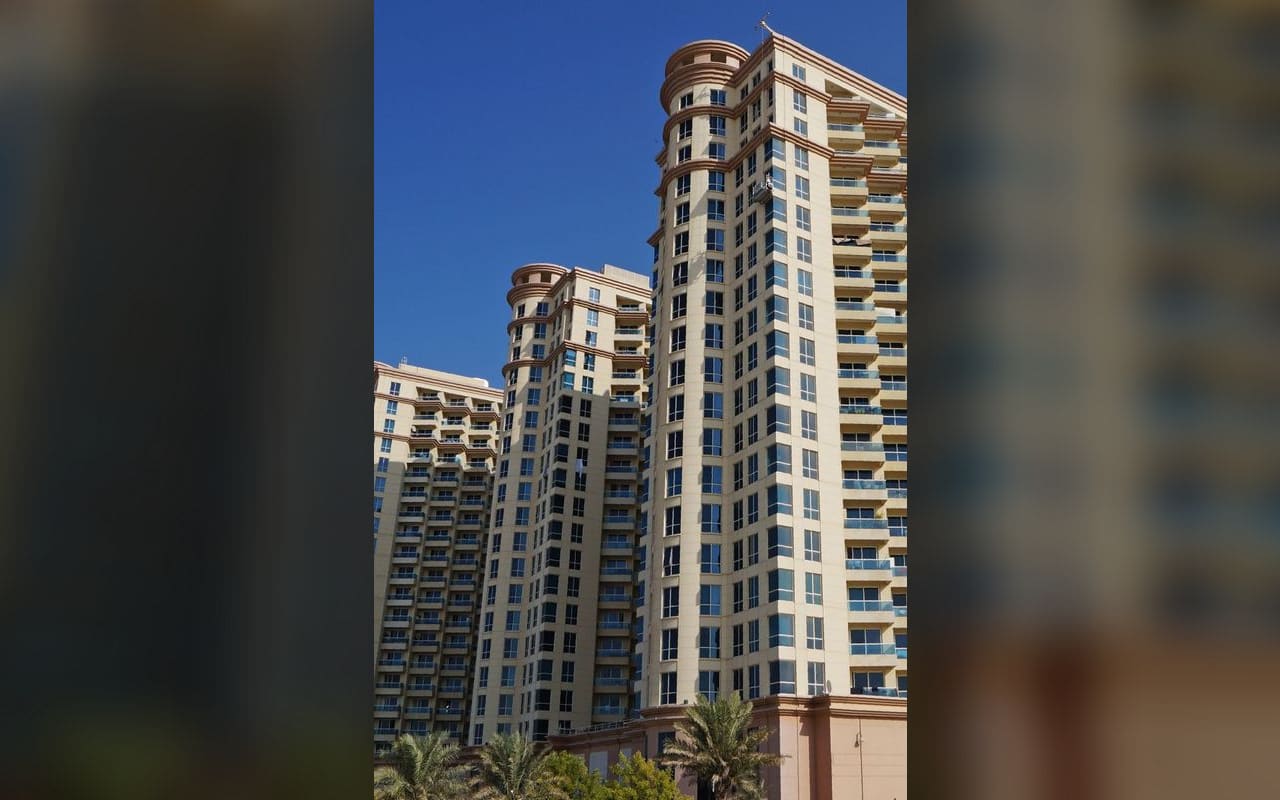
In the news
The same subject in writing — analysis and news related to this video.

IFA Hotels & Resorts: a hospitality company that built homes on the Palm
A resort developer whose Palm Jumeirah buildings sit beside its own hotels. What sharing a site with a hotel means for daily life, service charges and governance.

Seven Tides: hotel apartments on the Palm, and what you actually own
A developer whose Palm Jumeirah buildings are run by hotel operators. The difference between a serviced apartment, a hotel unit and a normal flat — and why it decides everything else.

ETA Star: an engineering group that built apartments
The property arm of a large regional engineering and contracting group, with towers in the Marina and on the Palm. What an engineering parent means in a delivered building.

Como Residences: 71 floors, 76 apartments, and a handover date that moved
Nakheel’s tallest building on Palm Jumeirah — one or two apartments per floor, an elevated private beach, an AED 1.8bn contract. Delivery has slipped from Q3 2027. What that costs a buyer, and how to read a schedule change.
Palma Holding: low-rise on the beach, and why that is a different product
A developer building low-rise beachfront residences on Palm Jumeirah. What separates a low-rise waterfront building from a tower, on cost, tenant profile and resale.

Dubai property market 2024 review: AED 761bn of transactions and villa prices up 31.6%
Dubai in 2024: 226,000 transactions worth AED 761bn (+36% and +20%) and 110,000 first-time investors, per the DLD. ValuStrat had prices up 27.5% — villas +31.6%, apartments +23.6%, Jumeirah Islands and Palm Jumeirah villas above 42%. Figures, leading districts and the September 2026 status.