
Dubai Maritime City and the Nautica launch: is the location worth it?
Dubai Maritime City is a piece of reclaimed land between Port Rashid and Dubai Drydocks that spent fifteen years as an industrial masterplan before anyone tried to sell an apartment there. The Nautica launch by Select Group is the moment it became a residential district. This is the full walk-through — the history first, then the project, then my forecast at the end, including the part where I say which unit types I would not buy.
Why the location exists at all
Maritime City was conceived as a maritime services cluster: shipyards, marine businesses, offices for the industry. Residential was an afterthought that arrived when the emirate reallocated the land use. The result is a peninsula with genuine water on multiple sides, sitting between the old port and the sea, five minutes from Mina Rashid and a short drive from Downtown.
That history is worth knowing because it explains the district's odd shape and its uneven infrastructure. Some of the roads were built for trucks. Some of the neighbouring plots are still industrial. Buyers who visit expecting a finished waterfront community are surprised; buyers who understand they are early are not.
The upside of being early is the entry price, and the fact that the water is not going anywhere. The downside is that you are underwriting a masterplan rather than a neighbourhood.
Talk to a licensed broker: WhatsApp +971 50 120 32 64 · Telegram
Nautica: the project itself
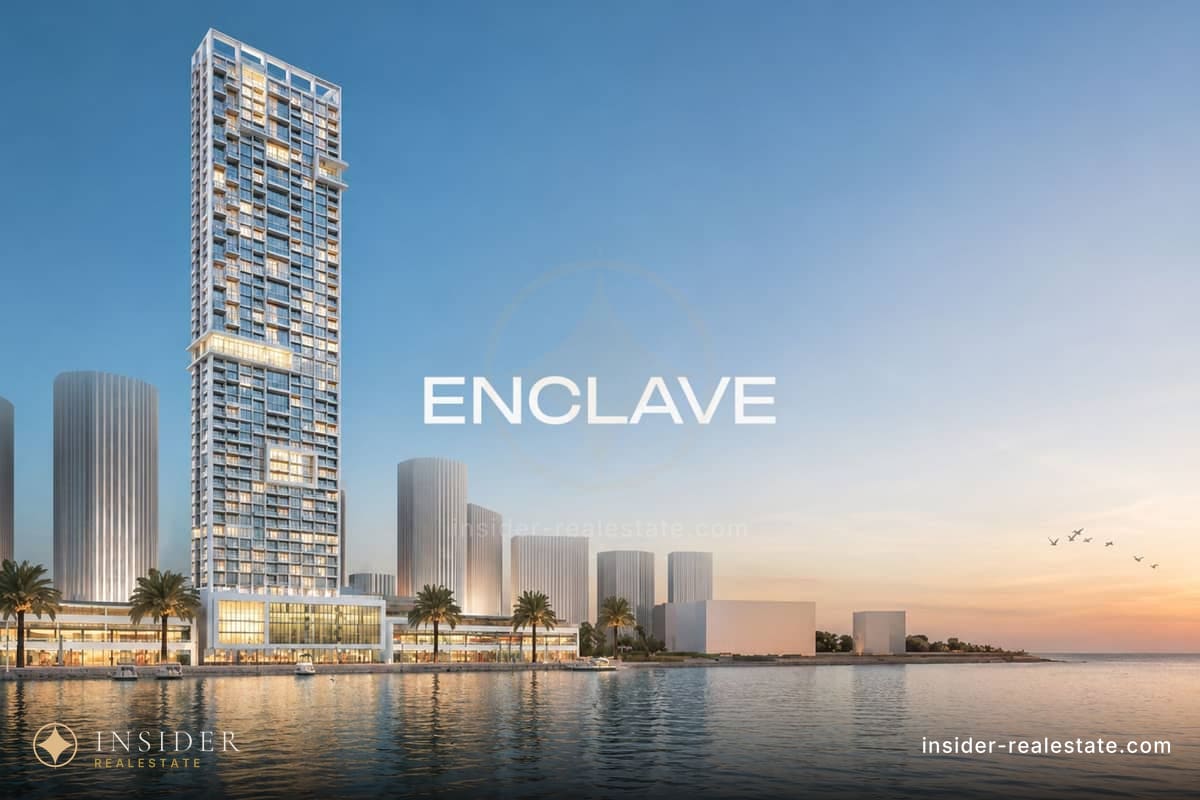
Nautica is 49 floors and 294 apartments from Select Group, a British developer with a long Dubai record and, importantly for this location, a track record of delivering waterfront product — Peninsula in Business Bay is the same company.
Delivery was set for Q4 2026 on a 40/60 payment plan. There is a school going into the location, which matters more than it sounds: family infrastructure is what turns an investment district into a residential one, and it is what separates Maritime City from a pure yield play.
On price, the project launched materially below completed comparables in Port de la Mer — the gap was around 29% at launch. Whether that gap is opportunity or a correct discount for risk is the whole question, and the answer depends on whether the district actually fills in.
My forecast, and the unit types I would avoid
One-bedrooms are the unit type I would buy here. They carry the widest tenant pool, they are the easiest resale, and in an early-stage district the smallest liquid unit is where the risk is lowest. If the district works, they re-rate first.
Two and three-bedrooms are a harder case at this stage. The family tenant who would rent a three-bedroom wants schools, parks and neighbours, and in an early-phase Maritime City those are promises rather than facts. You are buying the largest, least liquid unit type in the least proven district. If you want three bedrooms on the water in Dubai today, there are completed alternatives.
On timing: launch pricing in Dubai is almost always below the second release, because the best units go to investors before the public phase and what is left afterwards is the expensive remainder. Entering early is not sentiment, it is selection — you get to choose the stack.
Branded towers and what the Knight Frank data actually says
The neighbouring launches — Damac Coral Reef, Damac Harbour Lights with de GRISOGONO — are branded product, and the branded premium is the argument in that part of the market. Knight Frank's work on branded residences globally shows a consistent premium over non-branded comparables in the same location.
What the data does not say is that the premium is free money. It is a premium at purchase which you also pay for annually through a higher service charge, and it holds best in the ultra-prime segment where the brand is doing real work on the buyer. In a mid-market waterfront tower, a designer name attached to a lobby is worth considerably less than the price difference suggests.
My rule here: buy the branded product if you would want to live in it. Buy the unbranded neighbour if you are buying yield.
What to check before you sign
Escrow status and construction percentage from the Dubai Land Department register — for any off-plan purchase, every time, regardless of developer.
The infrastructure timeline for the district, in writing: roads, the school, the promenade. This is the whole investment case and it is the part that slips.
Which stacks face open water permanently versus which face a plot that is scheduled for development. On a peninsula this small it makes a large difference.
And your own holding period. Maritime City is a five-to-ten-year story, not a flip. If you need the money back in two years, this is the wrong district.
What the peninsula actually offers
Dubai Maritime City occupies reclaimed land between Port Rashid and the Drydocks, with water on three sides and a genuinely central position — minutes from Bur Dubai and Deira, fifteen to twenty to Downtown off-peak, and close to the airport.
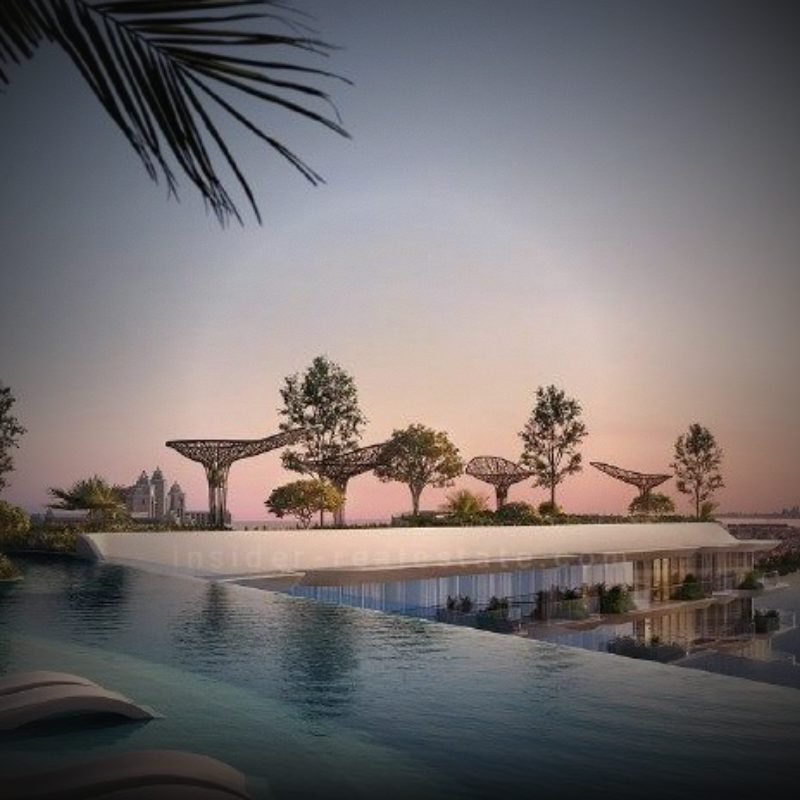
Peninsula geometry protects the outer water frontage permanently, which is a durable advantage that an inland canal plot cannot offer.
The district also sits next to the Mina Rashid regeneration, and the two will mature together. That adjacency is a large part of the ten-year argument.
What is missing today is the everyday layer: retail, dining, schools and street life are arriving with the residential build-out rather than preceding it.
The working-port context
Dubai Drydocks operates next door and it is a working facility, not a decorative one. That means industrial activity, vessel movements and a functional rather than resort character on part of the boundary.
For some buyers that is genuine character — a waterfront that does something rather than one that only looks like it. For others it is a drawback, and it is worth forming a view in person rather than from a render.
Orientation matters accordingly. A unit facing the open water and a unit facing the drydocks are different products, and the price difference should reflect it.
The cruise terminal traffic at Port Rashid adds periodic congestion on arrival and departure days, concentrated on specific access routes.
Frequently asked
Is Dubai Maritime City a good investment?
It is an early-stage waterfront district with a real entry discount to completed comparables and a credible developer delivering the anchor project. That combination has worked before in Dubai. It requires a long holding period and a tolerance for a neighbourhood that will be a construction site for years.
How far is Maritime City from Downtown Dubai?
Roughly a fifteen to twenty minute drive off-peak, longer at rush hour. It sits next to Mina Rashid and Port Rashid, close to Dubai Healthcare City, and it is well positioned for anybody working in the older commercial core rather than in the newer southern districts.
Which unit type should I buy in Nautica?
One-bedrooms, on the reasoning in this article: widest tenant pool, easiest exit, lowest risk in an unproven district. Larger units depend on family infrastructure that does not exist yet, and the two-bedroom stock in this building is a small, exclusive slice that behaves differently again.
✍️ Message me on WhatsApp for a free consultation — off-market stock, payment plans and honest numbers on any of the projects covered here.
✅ Subscribe on YouTube — investment, property, business and relocation in the UAE and beyond.


Below market in Dubai Maritime City right now
From the daily off-market feed. Availability and price are confirmed on request.
All below-market listings →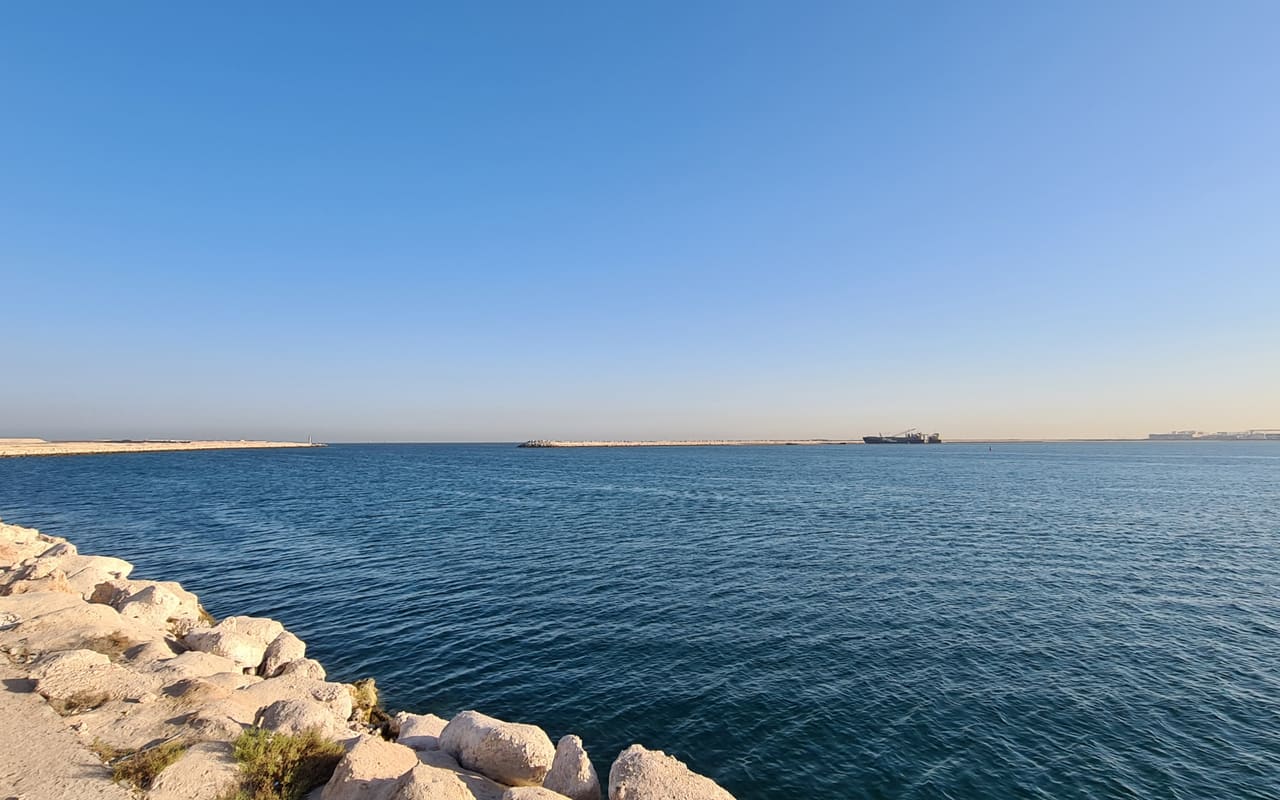
In the news
The same subject in writing — analysis and news related to this video.
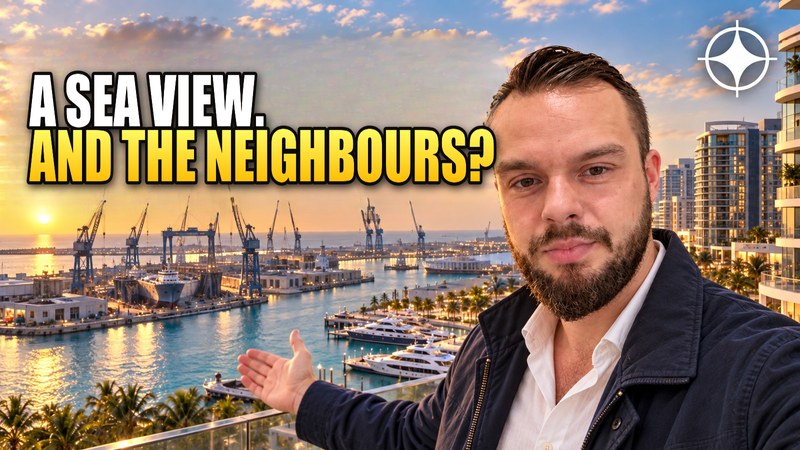
Dubai Maritime City: buying a home in the middle of the maritime industry
A peninsula between two harbours, planned as a hub for shipbuilding and ship repair, with residential towers on the same land. Here the neighbours matter more than the view.
BEYOND: three projects, three Dubai districts — and three very different buyer profiles
PASSO on Palm Jumeirah, Arancia Yards in City of Arabia and Soulever in Dubai Maritime City are all built by the same developer, BEYOND, yet each draws a different kind of investor. Why one brand does not mean one buyer profile.

Apparel Group: how letting actually works in Dubai
A retail group developing a tower in Dubai Maritime City. Whoever you buy from, the rules on tenancy registration, rent increases and notice are the same — and they favour a prepared landlord.

Dubai off-plan registration: the Land Department launches Oqood 2.0 — what changes for buyers
On 3 September 2026 the Dubai Land Department launched Oqood 2.0, the new version of the interim register for off-plan sales: a pre-submission questionnaire, auto-filled data, live status tracking. The 4% fee is unchanged. What Oqood is and why a buyer should care.

Off-plan EOI deposits in Dubai: what they buy you and when the money is not refundable
An Expression of Interest reserves a place in line for a Dubai off-plan launch — usually with a deposit, and the SPA has to reach Oqood within 90 days of signing. Whether the deposit is refundable depends entirely on the developer’s own terms, not on any regulation.

How a Dubai launch price list is built, and how to read one
A launch sells out in an afternoon, which is exactly the problem: the buyer has the least time to think at the moment the most is being decided. What the price list is actually telling you, and which columns matter.