
Dubai Silicon Oasis: two decades of building under one name, and three different things called ownership
Most Dubai districts ask you to choose a building. This one asks two questions first: which decade the building comes from, and which of several different ownership instruments the unit is actually held under. Both are answerable in advance, and both are routinely skipped.
What DSO is
Dubai Silicon Oasis is a technology free zone and an integrated community on the eastern side of the emirate, off Sheikh Mohammed Bin Zayed Road towards Academic City and Mirdif.
It was designed as a self-contained district: a business park, residential buildings, schools, a shopping centre, clinics, and a university cluster adjacent. Residents can genuinely live, work, shop and school within one boundary.
That is unusual in Dubai and it is the district’s real asset. Almost no other affordable area offers it, and it is the reason tenancies here run long and families stay put.
Talk to a licensed broker: WhatsApp +971 50 120 32 64 · Telegram
The tenant base follows from the structure: employees of the free-zone companies, staff and students from the academic cluster, and families drawn by affordability and the schools. Demand is consistent rather than spectacular, and noticeably less transient than in the western mid-market districts.
The trap: what exactly are you buying, and who registers it
Because the district is a free zone as well as a community, the ownership question is not the one-line answer it is in most of Dubai, and most buyers do not think to ask it.
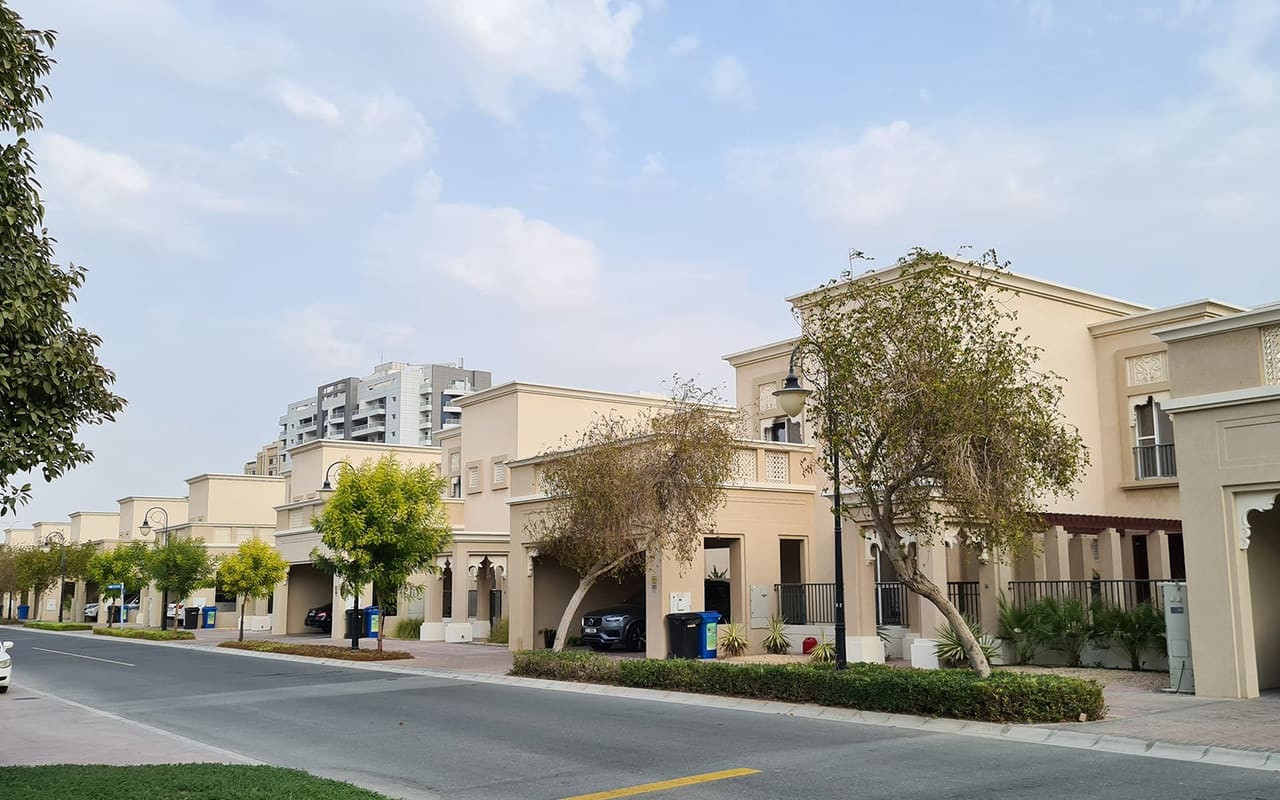
In the designated freehold parts of DSO residential property is bought and registered conventionally and foreign ownership works normally. But the district also contains leasehold stock and property tied to the free-zone authority, and those are different instruments with different resale markets.
A leasehold unit bought at a freehold price is the expensive version of this mistake, and it is not always obvious from the advertisement. Establish which instrument applies to the specific unit before you go far, and get it in writing rather than from a conversation.
The free zone itself is a positive rather than a complication. It is why there are employers inside the district, and employers inside the district are why tenants live here at all.
What decides the rent at this price level
Prefer a unit with a parking bay and a balcony. In a car-dependent district with no metro, a bay is not an amenity, it is a precondition, and a tenant without one prices the inconvenience into what they will pay.
Check the cooling arrangement. District cooling billed separately changes a tenant’s total monthly cost and therefore the rent they will agree to, whatever the listing says the property is worth.
Confirm school availability if you are targeting family tenants. Proximity to a school with no places is not a selling point, and in a district that sells its schools that gap is worth establishing before you buy.
And read the service charge history alongside the state of the common areas. In stock this age those two together tell you more about the next five years than the condition of the kitchen does.
The other trap: the district spans nearly twenty years
The passports of buildings recorded here run from one end of that span to the other. Palace Tower 1 is recorded as a completed 24-storey residential high-rise of 135 metres and Palace Tower 2 as a completed 27-storey office skyscraper. Binghatti Apartments is recorded at 13 storeys and 224 units, completed in 2015, with Muhammad Binghatti as architect. Cedre Villas is recorded as villa stock inside the same boundary.
At the other end sit newer and planned schemes: The Hillgate by Ellington Properties Development, recorded as a 17-storey multi-building complex of 356 units; Timez by Danube, a 43-storey residential skyscraper of 1,000 units under development; and Belle Vie by Zimaya Properties, a nine-storey mid-rise, planned.
The difference between the earliest and the newest stock is substantial and practical: layout efficiency, cooling systems, parking provision, and how the common areas have held up after fifteen years of use.
Newer stock costs more and lets faster, and in a district where tenants have real choice that gap is usually worth paying. The oldest buildings are genuine value where the owners association has funded maintenance properly and a genuine trap where it has not — and the two look identical from the street.
What the eastern geography does to the tenant pool
DSO sits near Academic City and Mirdif, and the geography defines the tenant pool more than any feature of the buildings does. Marina, Media City and JLT are a long drive, and almost nobody makes it daily.
What is close is the academic cluster, the free-zone businesses, the eastern industrial areas and the Sharjah border. Households working in any of those find the district convenient; households working on the coast do not consider it at all.
That is a narrower pool than a central district commands, but it is a stable one and it churns less. Families with children in local schools stay for years, which for a landlord is worth more than a marginally higher rent.
The same narrowness shows up on exit. A buyer for a DSO apartment is almost always somebody with a reason to be in eastern Dubai, and that is a smaller pool than the buyer base for a Marina unit.
Who it suits, and who it does not
A yield investor who wants a self-contained district with genuine infrastructure and a stable family tenant base at an affordable entry price, and who is prepared to do the ownership and vintage homework that the district demands.
Tenants and owner-occupiers working in the free zone, the academic cluster, or eastward towards Sharjah, for whom the location is simply convenient.
It suits poorly anyone whose tenant would commute to Marina or Media City, and anyone expecting significant capital appreciation: this is an income district with a stable pool, not a growth story.
Roughly twenty-five to thirty minutes to Downtown off-peak and considerably further to the coastal districts, with no metro. That is the whole trade, and it is not going to change.
Frequently asked
Can foreigners buy property in Dubai Silicon Oasis?
In the designated freehold parts, yes, and registration works conventionally. But the district also contains leasehold stock and property tied to the free-zone authority, which are different instruments with different resale markets. Establish in writing which one applies to the specific unit — a leasehold unit at a freehold price is the expensive version of this mistake.
Why do two similar apartments in DSO differ so much?
Because the district spans nearly two decades of construction. Completed towers from the late 2000s stand alongside schemes still under development, and they differ in layout efficiency, cooling, parking provision and how the common areas have held up. Read the building age, the service charge history and the state of the common areas before comparing on price.
How far is Silicon Oasis from Downtown, and is there a metro?
Roughly twenty-five to thirty minutes off-peak, and considerably further to Marina and the coastal districts. There is no metro. The location suits households working in the free zone, the academic cluster or towards Sharjah, and suits a coastal commute poorly.
✍️ Message me on WhatsApp for a free consultation — off-market stock, payment plans and honest numbers on any of the projects covered here.
✅ Subscribe on YouTube — investment, property, business and relocation in the UAE and beyond.


Below market in Dubai Silicon Oasis right now
From the daily off-market feed. Availability and price are confirmed on request.
All below-market listings →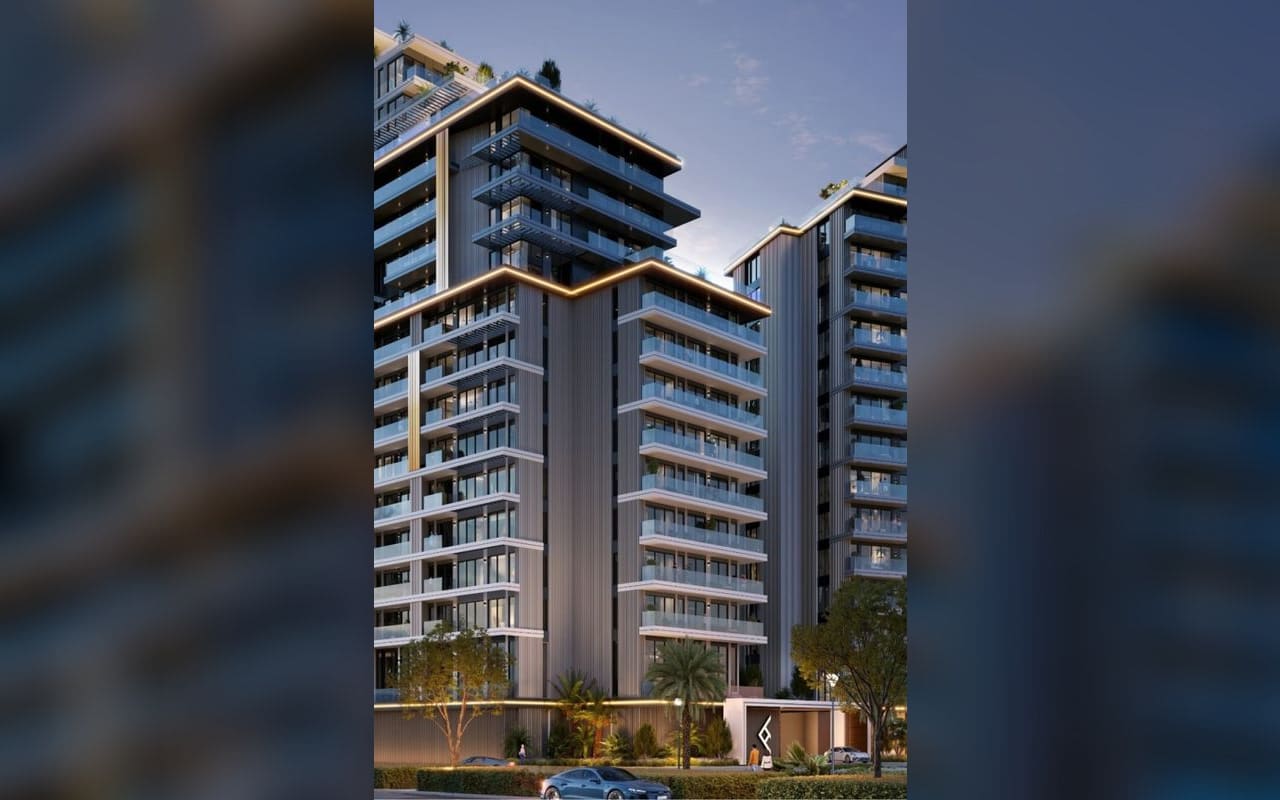
In the news
The same subject in writing — analysis and news related to this video.

Dubai Silicon Oasis: a free zone people actually live in
A technology park with housing inside it and universities alongside. Ownership is not the standard freehold, and the tenant pool comes with an academic calendar.

What a "community" means in Dubai, and why two similar flats cost different amounts to hold
Two apartments of the same size in the same city can cost very different amounts a year simply to own. The word doing the work is "community" — a layer of cost above the building that buyers rarely price, and that decides the net yield more often than the rent does.

Arada: Sharjah first, and why that is a different legal question
The largest developer in Sharjah, now also building in Dubai. Where foreign ownership in Sharjah differs from freehold, what the emirate offers in exchange, and what to establish before buying.

What a villa in Dubai costs to run, and why it is not a large apartment
The service charge on a villa is usually levied on plot area rather than built area, and running one often works out three to four times cheaper than an apartment of comparable size. What it does not cover is the part that surprises people.

Who actually runs your building in Dubai, and what an owner can change
Owners from other markets expect to vote out a managing agent. Dubai’s joint-ownership framework does not work that way: the management company is appointed, the money sits in the building’s own escrow account, and the route for a dissatisfied owner runs through the regulator.
Bali districts: Canggu, Ubud, Uluwatu and Sanur — four different markets
Bali is sold as one place, but the island long ago split into several markets with different economics. A villa in Canggu and one in Ubud are different businesses.