
Madinat Jumeirah Living by Meraas: living opposite the Burj Al Arab
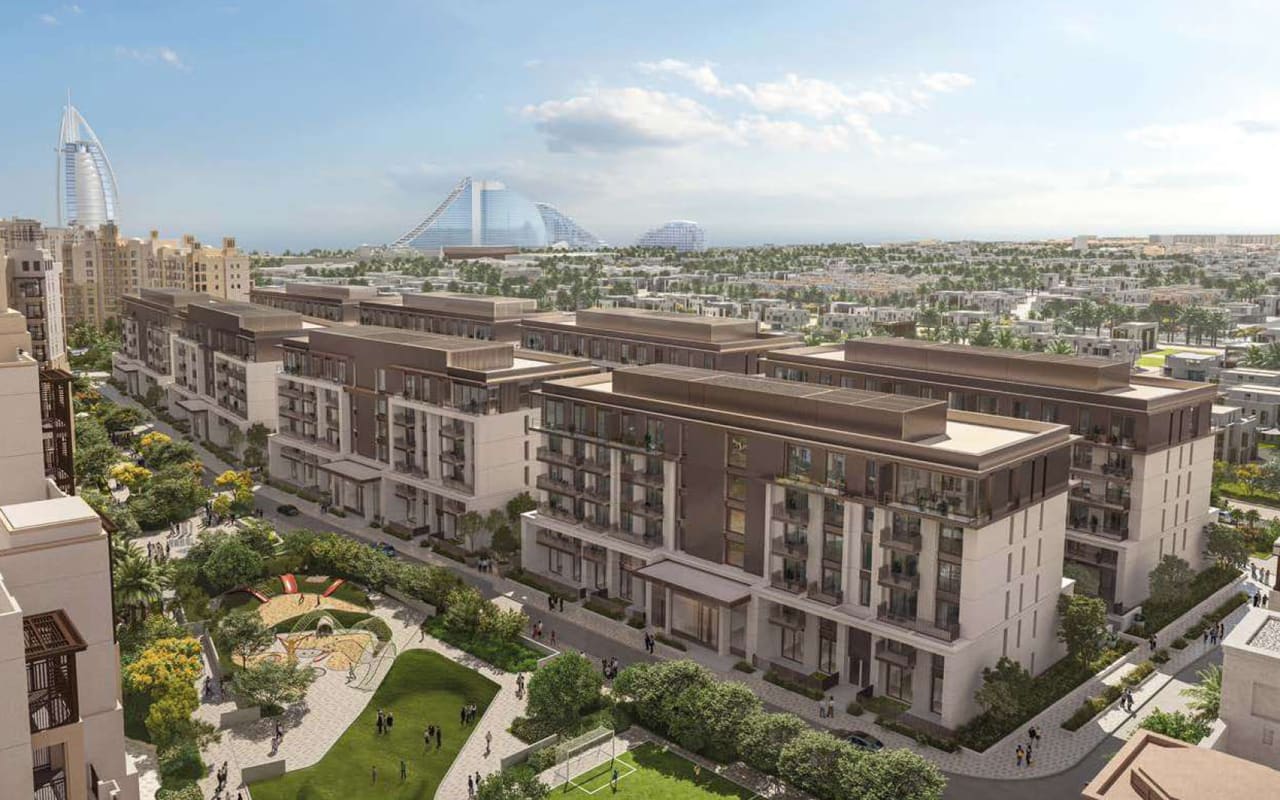
Madinat Jumeirah Living is a low-rise Meraas community sitting directly opposite Madinat Jumeirah — the forty-hectare resort complex with two five-star hotels, the souk, the theatre, forty-plus restaurants and a kilometre of beach, owned by the same group as the Burj Al Arab. The residential product is ordinary in the best sense. The neighbourhood is not.
What is across the road
Madinat Jumeirah is the largest resort in Dubai: forty hectares of coastal land next to the Burj Al Arab, two five-star hotels including Mina A'Salam, a shopping souk, a theatre, more than forty restaurants, bars and cafés, and a kilometre of beach. Jumeirah Corporation owns it, along with the Burj Al Arab and Jumeirah Beach Hotel.
Mall of the Emirates is a short drive. Sheikh Zayed Road access is direct. Umm Suqeim beach is walkable.
A residential community is worth what its surroundings are worth, and this is one of the few places in Dubai where the surroundings were finished, world-class and permanent before the apartments were built.
Talk to a licensed broker: WhatsApp +971 50 120 32 64 · Telegram
The community itself
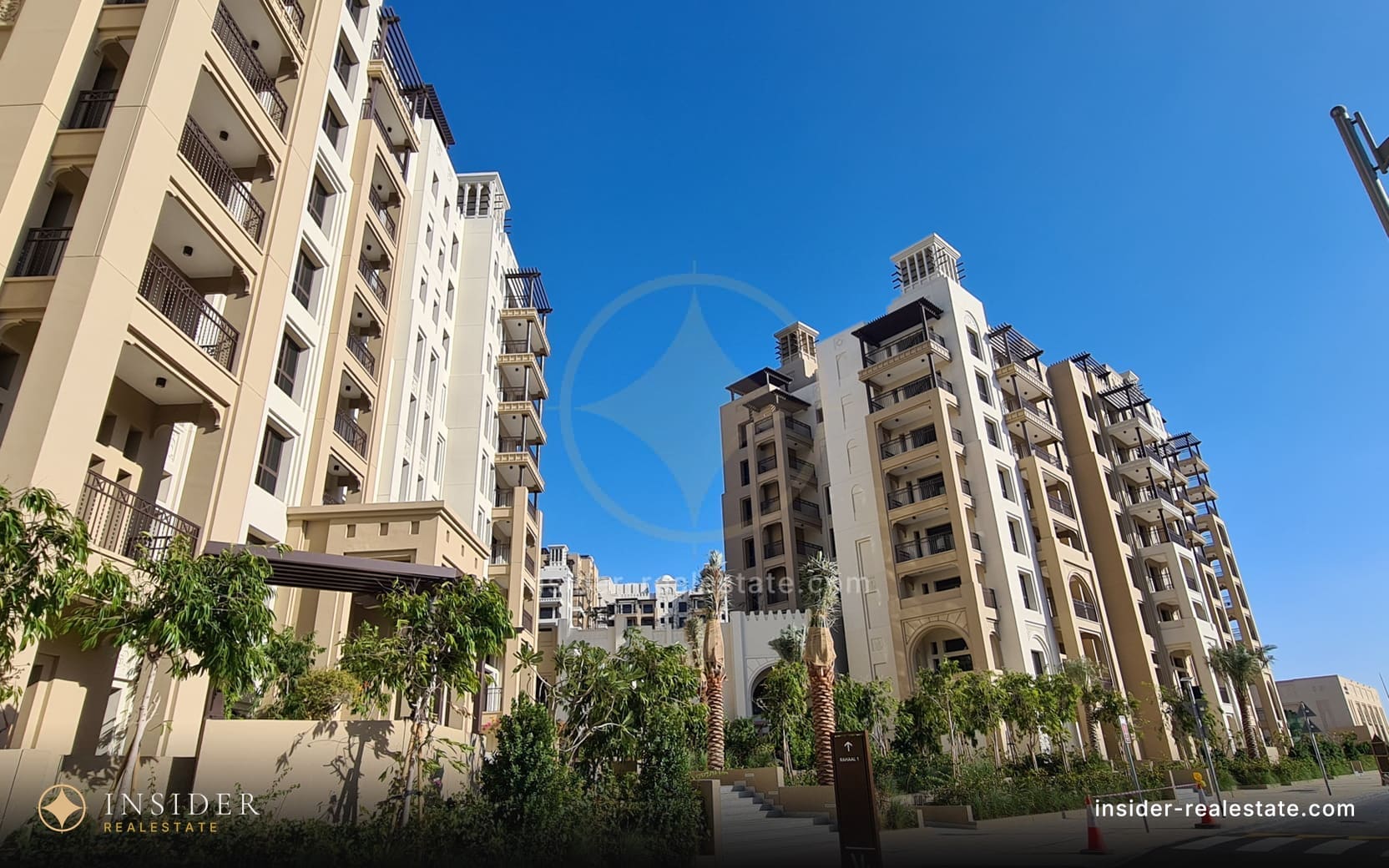
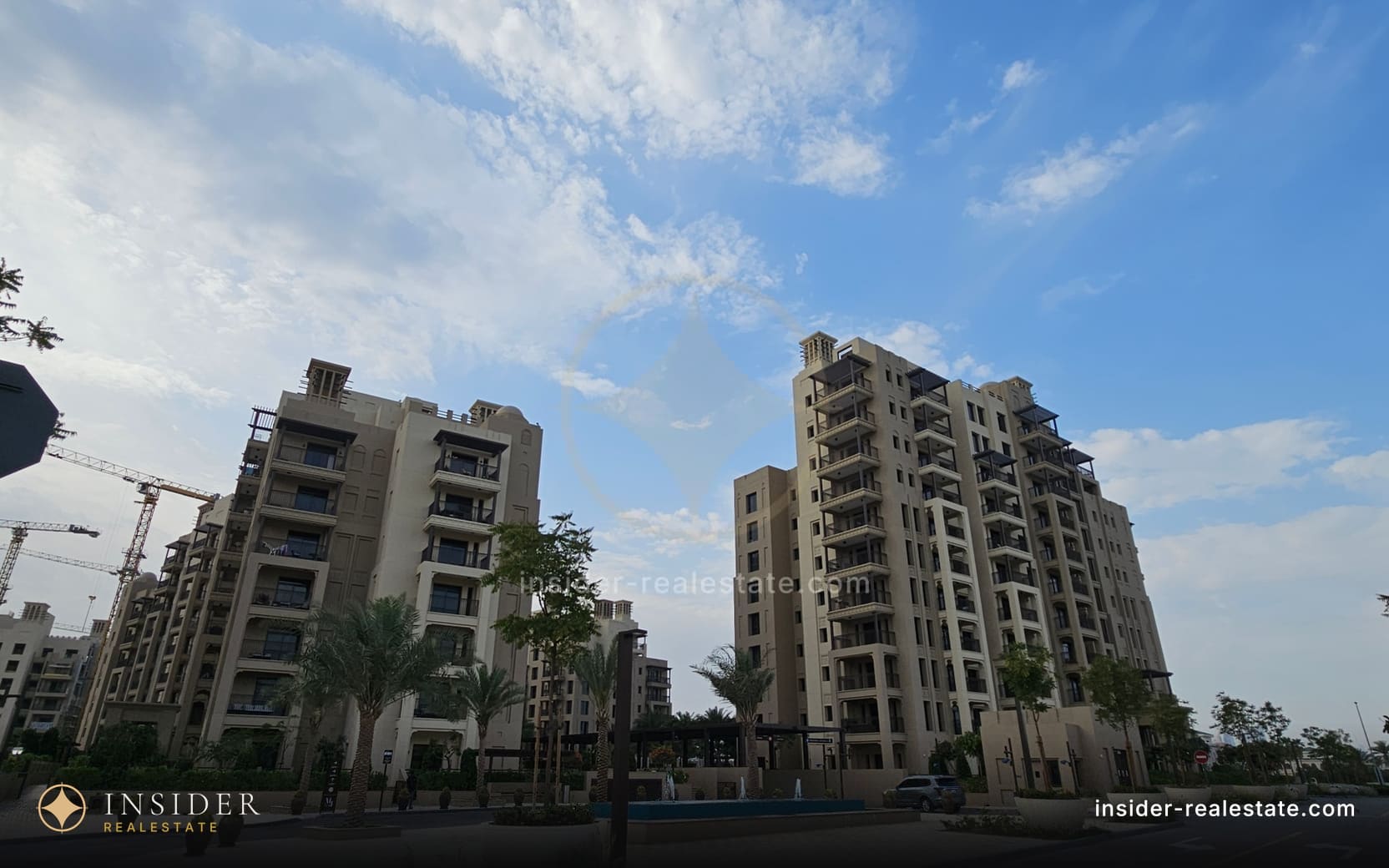
MJL is deliberately low-rise — buildings of a few storeys arranged around courtyards and landscaping, in an Arabesque architectural language that echoes the resort opposite rather than the glass towers a few kilometres north.
Low-rise means low density, which means the amenities are usable and the community feels like a neighbourhood. It also means fewer units, which caps supply in a location where no more land is coming.
Meraas builds to a good standard and the finish level here reflects it. What you will not find is a headline feature — no record height, no branded partner. The product is quietly good, which is exactly what an end-user market wants and what an investor chasing a story overlooks.
The investment case
This is an end-user district. The tenant and the resale buyer are people who want to live in Umm Suqeim, near the beach, near the schools, near the resort — and there is a finite amount of that available.
That produces a specific pattern: steady rather than spectacular capital growth, reliable long-let demand, and resilience in soft markets because the demand is need-based rather than sentiment-based.
The yield will read lower than in a newer, cheaper district. That is the trade, and for a long-hold buyer it is usually the right side of it.
What to check
Which building and which courtyard. In a low-rise community the differences between positions are about noise, privacy and how much sun the courtyard gets — none of which appears on a floor plan.
The service charge, and what share of it funds the landscaping. Courtyard communities are expensive to maintain and the maintenance is the entire reason they are pleasant.
Rental evidence for the specific unit type. MJL is small enough that a handful of real leases gives you an accurate picture.
And walk to the beach and to the souk at the time of day you would actually do it. In this district the walk is the product.
Why low-rise is rare and what it buys
Dubai builds towers because towers are the efficient way to monetise expensive land. A low-rise scheme on a prime Umm Suqeim plot means the developer deliberately left density on the table in exchange for a better product.
What that buys residents is concrete: fewer neighbours per building, no long lift waits, courtyards at human scale, and a sense of place that no tower podium replicates.
The shade is designed in — narrow lanes, buildings shading each other, heavy planting — which means the community functions on foot for most of the year rather than only in January.
For owners it means scarcity: a limited number of units in a format that cannot easily be repeated in that location.
The clusters and the bridge
MJL is built as a set of named clusters — Rahaal, Asayel, Lamtara, Jadeel, Lamaa and others — released in phases. They share the architectural language but differ in age, layout and position within the community.
The earlier clusters sit closer to the bridge to Madinat Jumeirah and have the most mature planting; the later ones are newer inside but further from the connection that makes the community work.
That bridge is the defining amenity, giving residents access to the souk, the restaurants and the resort infrastructure. Confirm the exact entitlement for your building in writing, because arrangements have varied and can change.
Within a cluster, which courtyard the unit faces and how much afternoon sun it takes matters more than the floor level.
The end-user market
MJL sells disproportionately to people who intend to live in it: families who want the schools and the beach, professionals who value walkability, and long-term residents trading out of towers.
That matters for owners. The resale market is driven by home buyers rather than by investors running spreadsheets, and home buyers pay for quality of life in a way investors do not.
Tenants are typically well-paid families on multi-year postings — long stays, good care of the property, less price sensitivity than an investor district.
Gross yields are middling as a result, and capital performance has been strong. This is a hold-and-live-in asset, not a cash-flow one.
Frequently asked
Where is Madinat Jumeirah Living?
In Umm Suqeim, directly opposite the Madinat Jumeirah resort complex and close to the Burj Al Arab, with Mall of the Emirates a short drive away and direct access to Sheikh Zayed Road.
Is MJL a good investment?
It is an end-user district with need-based demand: steady capital growth, reliable long-let tenants and resilience in soft markets, at a lower headline yield than newer districts. Suits a long hold rather than a trade.
Do MJL residents get access to the Madinat Jumeirah resort?
Access arrangements to resort facilities have historically been part of the proposition, but they are set by the operator and can change. Confirm exactly what access your specific unit carries, in writing, before you price it into the purchase.
✍️ Message me on WhatsApp for a free consultation — off-market stock, payment plans and honest numbers on any of the projects covered here.
✅ Subscribe on YouTube — investment, property, business and relocation in the UAE and beyond.


Below market right now
From the daily off-market feed. Availability and price are confirmed on request.
All below-market listings →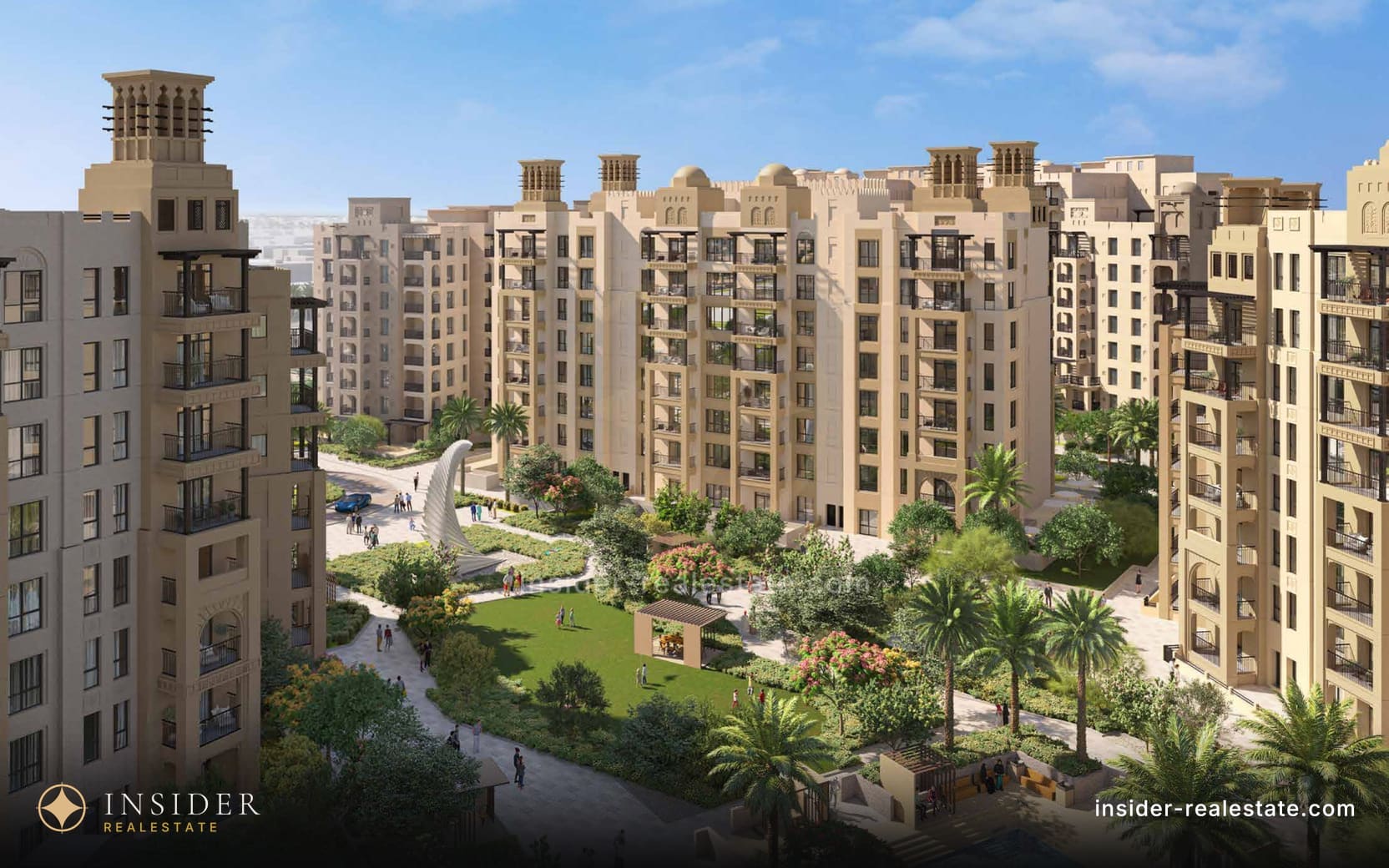
In the news
The same subject in writing — analysis and news related to this video.
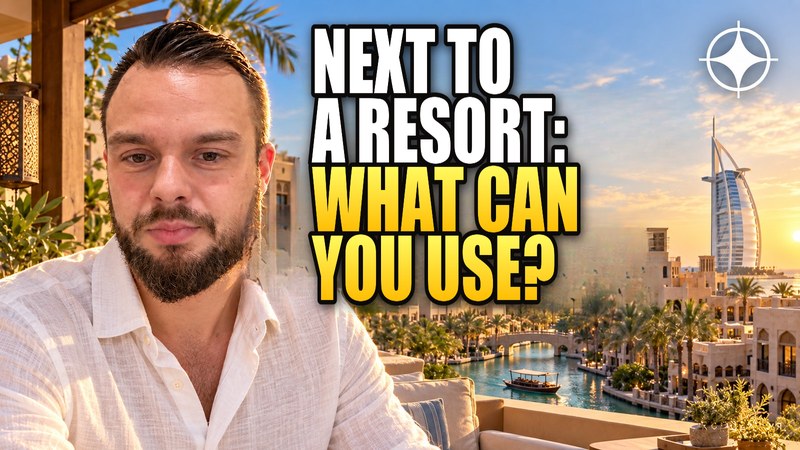
Madinat Jumeirah Living: next to a resort, but not inside it
A residential quarter opposite a major resort complex. Proximity delivers a great deal — and it is worth separating what proximity gives from what your documents give.
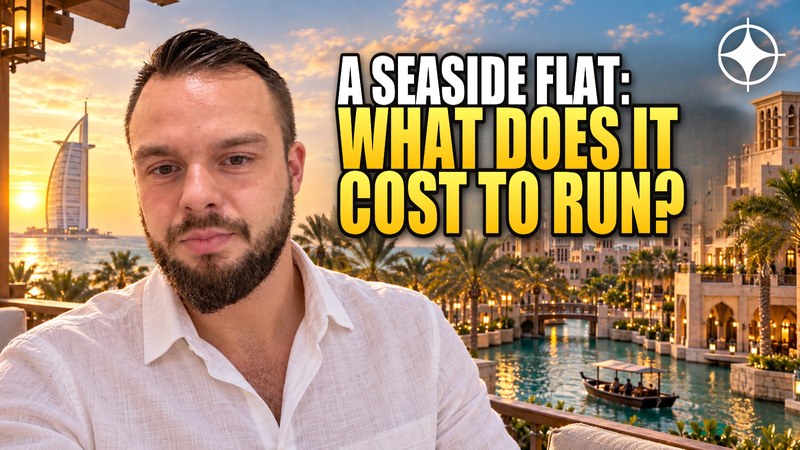
Madinat Jumeirah Living running costs: what a year of owning a seaside apartment costs
Seafront neighbourhoods cost more to run than city ones, and the difference is made up of several lines. Here they are, one by one.
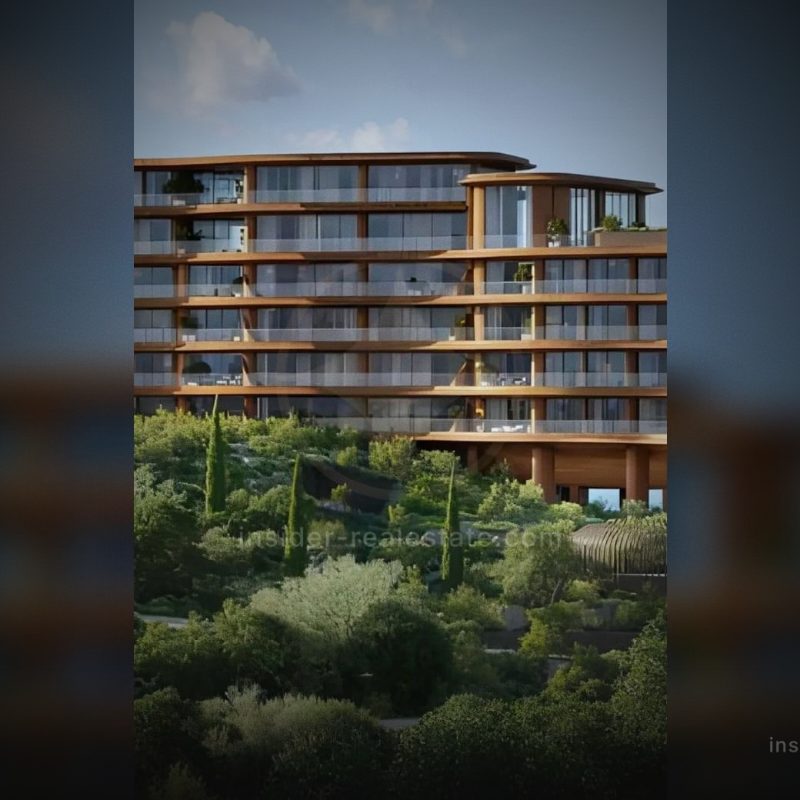
Luxury property on the Jumeirah coast: Aman Dubai, the MGM island and Asora Bay
Dubai's Jumeirah shoreline is becoming the region's priciest resort coast: Aman Dubai with 82 residences, the Wasl–MGM island with Bellagio, Aria and MGM Grand (about 1,400 keys, now due in the second half of 2028), and Meraas's 29-home Asora Bay. What the cluster does to coastal values.

City Walk apartments: Thyme at Central Park by Meraas, from a 2023 ballot to a finished building
Thyme is a low-rise Meraas building in Central Park at City Walk with one- to four-bedroom homes, sold by ballot in May 2023 from about AED 2.1–2.3m for a one-bedroom. Handover was set for Q3 2026; portals now list it as ready and sold out, like Celadon, Viridian, Erin and Castleton.
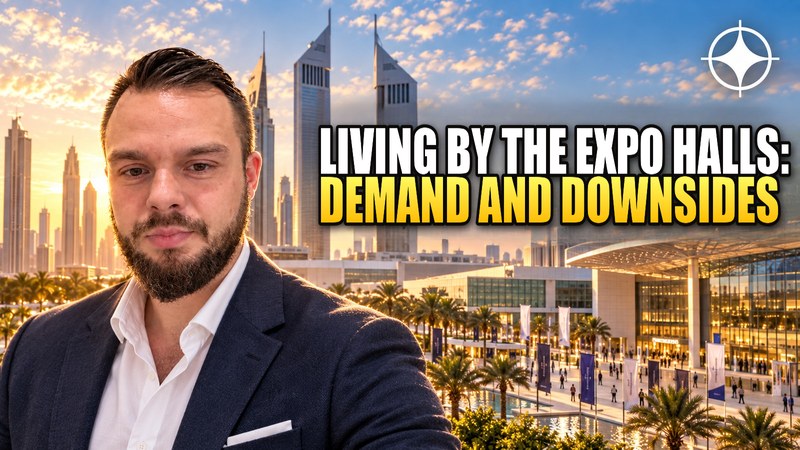
Jumeirah International: living next to a convention centre
A developer with a serviced residence tower by the World Trade Centre. Event-driven districts have a demand pattern unlike anywhere else in the city, with the disruption to match.

Meraas: the developer that builds the neighbourhood first
Part of Dubai Holding, responsible for City Walk, Bluewaters and La Mer. The approach — public space first, housing into it — and what it means for rents, resale and the annual cost of holding.