
The Residences in Downtown: 1,085 apartments from 2007, priced on how they were kept
Most Downtown stock was completed between 2008 and 2016. This complex predates almost all of it: the passport records 2007, 1,085 apartments across a multi-building complex rising to thirty-three storeys. That vintage is not a defect — it is a filter, and what it filters for is how well a building has been run for nearly twenty years.
What the passport records
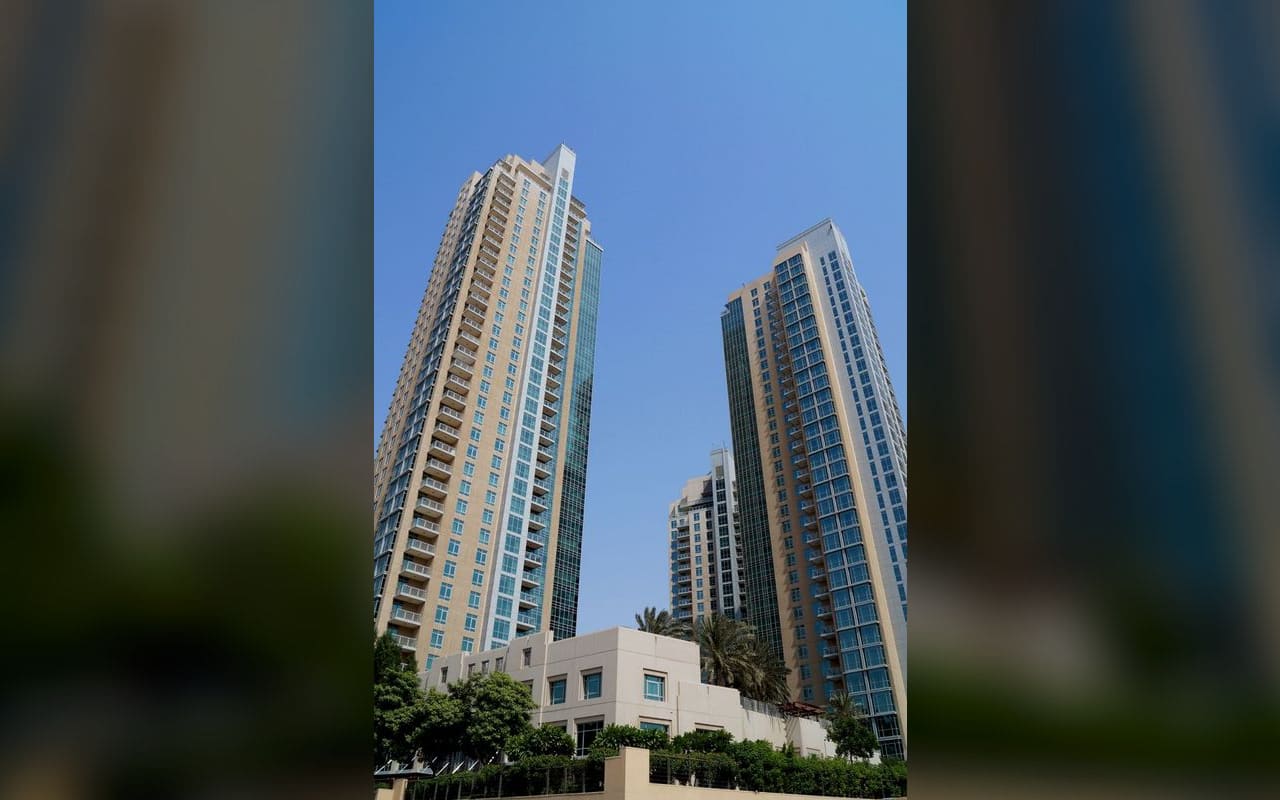
The Residences is a multi-building complex in Downtown Dubai rising to thirty-three storeys, with 1,085 apartments, completed in 2007 by Emaar Properties, with Woods Bagot as architect of record. The passport lists a pool, gym, parking, security, sports facilities and landscaped grounds among the amenities.
The completion date places it at the early end of the district. Downtown as a whole was developed by Emaar to a single plan in the mid-2000s, and most of its residential stock came later — which makes this complex part of the first wave rather than one of the infill towers that followed.
Thirty-three storeys is modest by Downtown standards, and a multi-building complex of that height with 1,085 apartments across it is a different proposition from a single tall tower: more ground-level community, shared amenity across buildings, and a larger owners association.
Talk to a licensed broker: WhatsApp +971 50 120 32 64 · Telegram
Every number in that paragraph points at the same question, which the next section takes up.
Nineteen years of maintenance is the asset
Stock of this vintage has been through its first full maintenance cycle. Some Downtown buildings have replaced lifts and reworked services; some have not. Two buildings of the same age on the same street can be in completely different condition, and the difference is the management company and the owners association rather than the developer.
That is why the three years of service charge history matter more here than the floor plan does. The charge tells you what the building spends, what it has deferred, and whether the association is funding reserves or postponing them into a special levy that lands on whoever owns the apartment when the bill arrives.
Downtown carries some of the highest service charges in Dubai, and in the older towers they have risen faster than achievable rent. Over a five-year hold, the gap between a well-run building and one where the charge has escaped control runs into hundreds of thousands of dirhams.
Ask for the history before you offer. It tells you more about a building than a freshly refurbished lobby does, and a lobby is the thing buyers look at instead.
What 1,085 apartments do for a seller
A complex of this size generates comparables constantly. There is almost always something of your type on the market, which caps the price you can ask and also guarantees that a buyer can find a reference point — the second of which is worth more than most sellers admit.
Downtown is the most liquid residential district in the emirate: a unit here finds a buyer faster than almost anywhere in Dubai. The difference between selling in three weeks and selling in eight months routinely outweighs the difference in entry price, and a large, well-known complex is at the liquid end even of that.
Within the complex, the things that separate one apartment from another are structural and permanent: which building, which floor, what the windows face, and the condition of the specific unit after nearly two decades.
Renovation is therefore a real lever here in a way it is not on a new tower. Stock of this age responds to work, and the discount on an untouched apartment is usually larger than the cost of fixing it.
The district around it
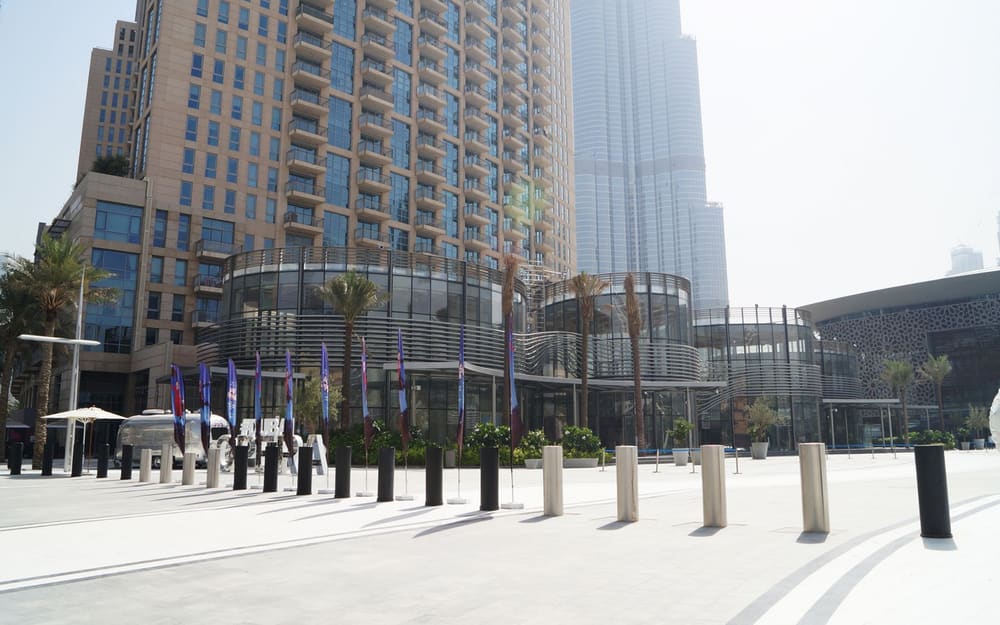
Downtown is roughly two square kilometres between Sheikh Zayed Road and the water, built to be walked — from most of the buildings you can reach the mall, the metro and the lake promenade on foot, with air-conditioned links through much of it. In July that stops being a luxury.
There is essentially no undeveloped land left. New projects appear only on infill plots, over former car parks or as podium additions. For an owner of older stock that is unusually good news: the district is finished, and what stands next to you today is broadly what will stand there in ten years.
Metro is Burj Khalifa / Dubai Mall on the red line, connected to the mall by a long covered link — fifteen minutes to DIFC, twenty-five to Marina. Driving is the weaker option, because access funnels through a handful of interchanges off Sheikh Zayed Road and the district congeals at peak.
What is missing is schools. There are none inside the district; the nearest are in Al Wasl, Business Bay and Jumeirah, which means a drive either way — and it is the main reason families rent here briefly rather than settle.
Who the tenant is, and the short-let question
Three groups buy in Downtown. Some buy the address, which genuinely works at resale and at letting. Some buy for short-let, because Downtown is the tourism magnet of the emirate and nightly letting beats an annual contract by a wide margin — provided the owner is prepared for the operational work, the permit, the management company and the turnover cleaning.
The third group lives here full-time, usually working in DIFC or Business Bay and valuing not sitting in traffic. There are fewer of them than you would expect.
In some towers the share of units running as holiday homes approaches half, which is worth checking before buying somewhere to live. In a complex of 1,085 apartments it is worth checking in either case, because it changes the character of the corridors and the wear on the shared amenity.
Holiday lets need a permit from the Dubai Department of Economy and Tourism and are subject to the owners association rules for the specific building. Confirm both in writing.
The checks that matter here
Three years of service charge history, read for what is being deferred as much as for the headline figure. This is the number that most often turns a projected Downtown return into a disappointing one.
The condition of the specific unit and of the common areas on a normal day — lifts, corridors, car park, pool plant. Stock from 2007 tells you how it has been treated if you walk it.
The actual view from the actual apartment. "Burj view" in an advertisement and a Burj view in reality are frequently different things, and the premium between two identical layouts in the same building can be half again on what the windows face.
Parking allocation, which in Downtown is a persistent problem — one bay per apartment is typical, sometimes none on studios, and visitor parking is scarce. If the household has two cars, resolve it before the purchase rather than after.
Frequently asked
How many apartments are in The Residences, Downtown Dubai?
The project passport records 1,085 apartments in a multi-building complex rising to thirty-three storeys, completed in 2007 by Emaar Properties with Woods Bagot as architect.
Is 2007 stock in Downtown Dubai too old to buy?
Not in itself. Buildings of that vintage have been through their first maintenance cycle, and the ones that were run well are indistinguishable from newer stock while trading at a discount to it. The variable is the owners association, which is why three years of service charge history is the first document to ask for.
Can I run a holiday home in Downtown Dubai?
Yes, with a holiday-home permit from the Dubai Department of Economy and Tourism and subject to the owners association rules for the specific building. Confirm both in writing — some towers restrict it, and in others the share of short-let units is already very high.
✍️ Message me on WhatsApp for a free consultation — off-market stock, payment plans and honest numbers on any of the projects covered here.
✅ Subscribe on YouTube — investment, property, business and relocation in the UAE and beyond.


Below market in Downtown Dubai right now
From the daily off-market feed. Availability and price are confirmed on request.
All below-market listings →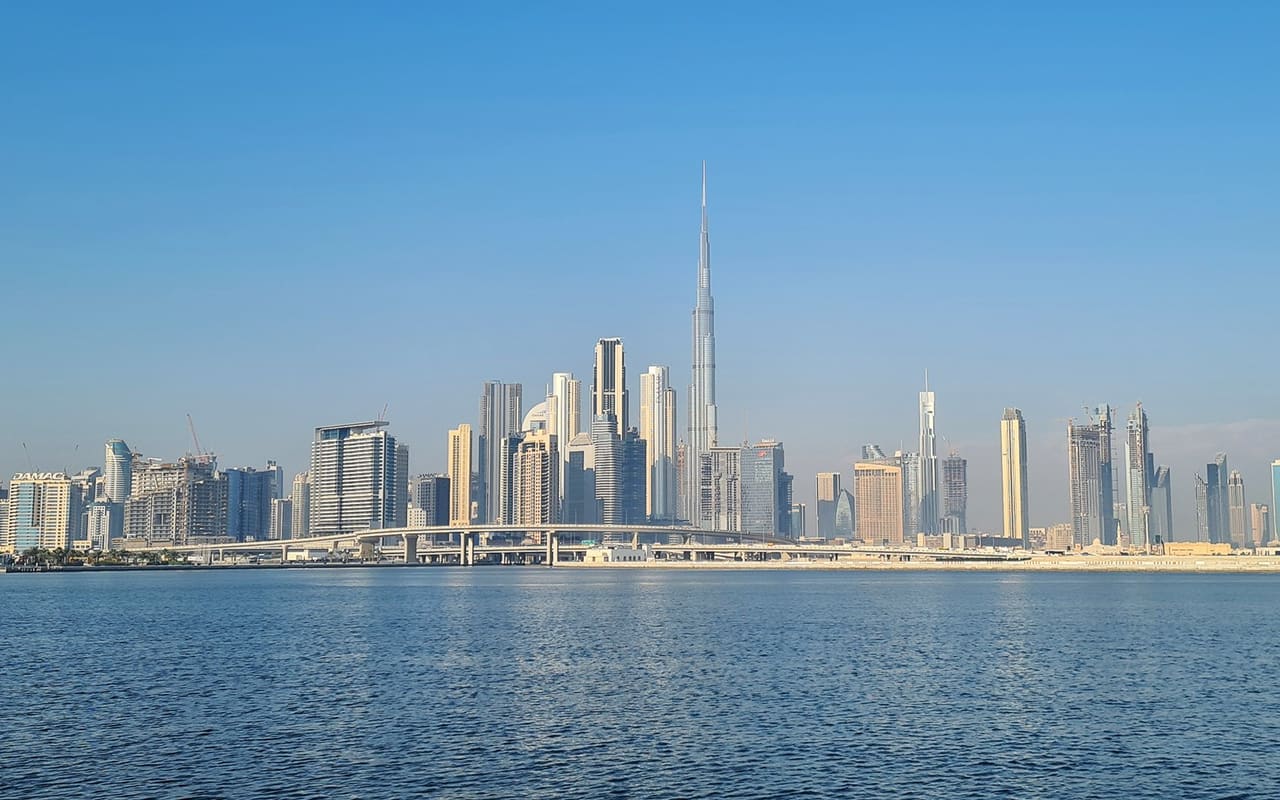
In the news
The same subject in writing — analysis and news related to this video.

Dubai Opera and the floating opera in Dubai South: culture as district infrastructure
It is easy to fall into two extremes about a cultural landmark next door — that it automatically lifts prices, or that it means nothing. Neither is right.

Triplanet Range Group: a small flat in a prime district, or a big one in a cheap district
A developer with buildings in both Downtown Dubai and Dubai Sports City. The oldest question in property investment, answered with the numbers that actually decide it.

Artar Real Estate Development: a small building in Downtown, where the landmarks are
A developer with a mid-size Downtown Dubai tower completed in 2018. What an ordinary building in an extraordinary district is worth, and how to price it honestly.

Shapoorji Pallonji International: when the builder becomes the developer
The Dubai arm of a construction group with a very long history. What a contractor’s lineage genuinely tells you about a building, and what it does not tell you about the sale.

Credo Investments: what a view is worth, and how to keep it
A developer with a small Downtown Dubai building from 2017. View premiums are large, real and frequently temporary — and whether yours survives is a matter of public record.

Althuraya Real Estate Development Ltd: buying in your name, or through a company
A developer with a Downtown Dubai tower completed in 2015. How you hold the title changes succession, transfer costs and privacy — and the default outcome surprises most foreign owners.