How the district is built
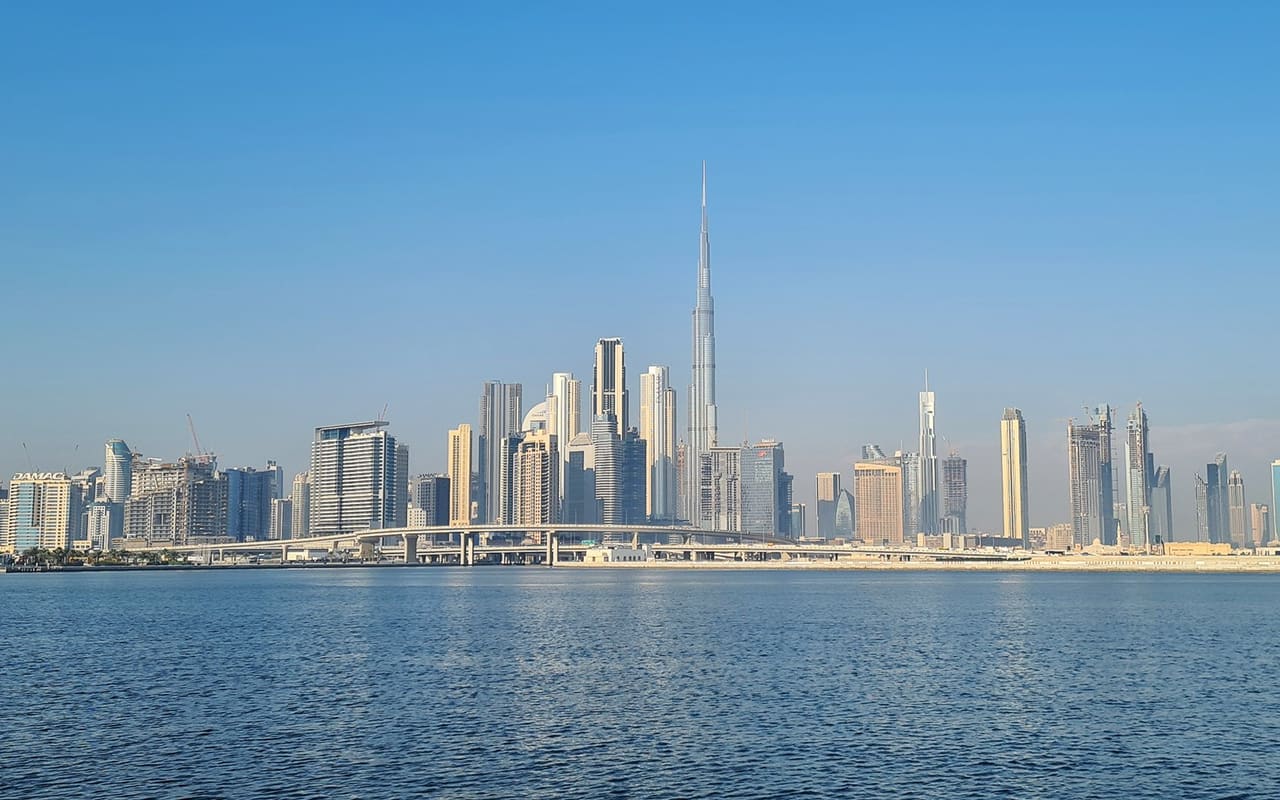
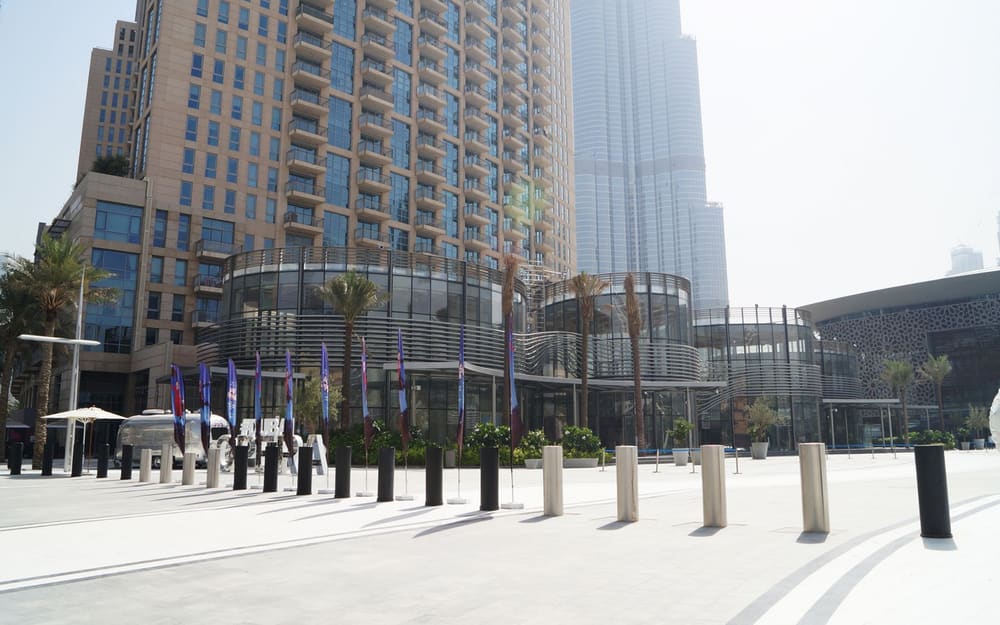
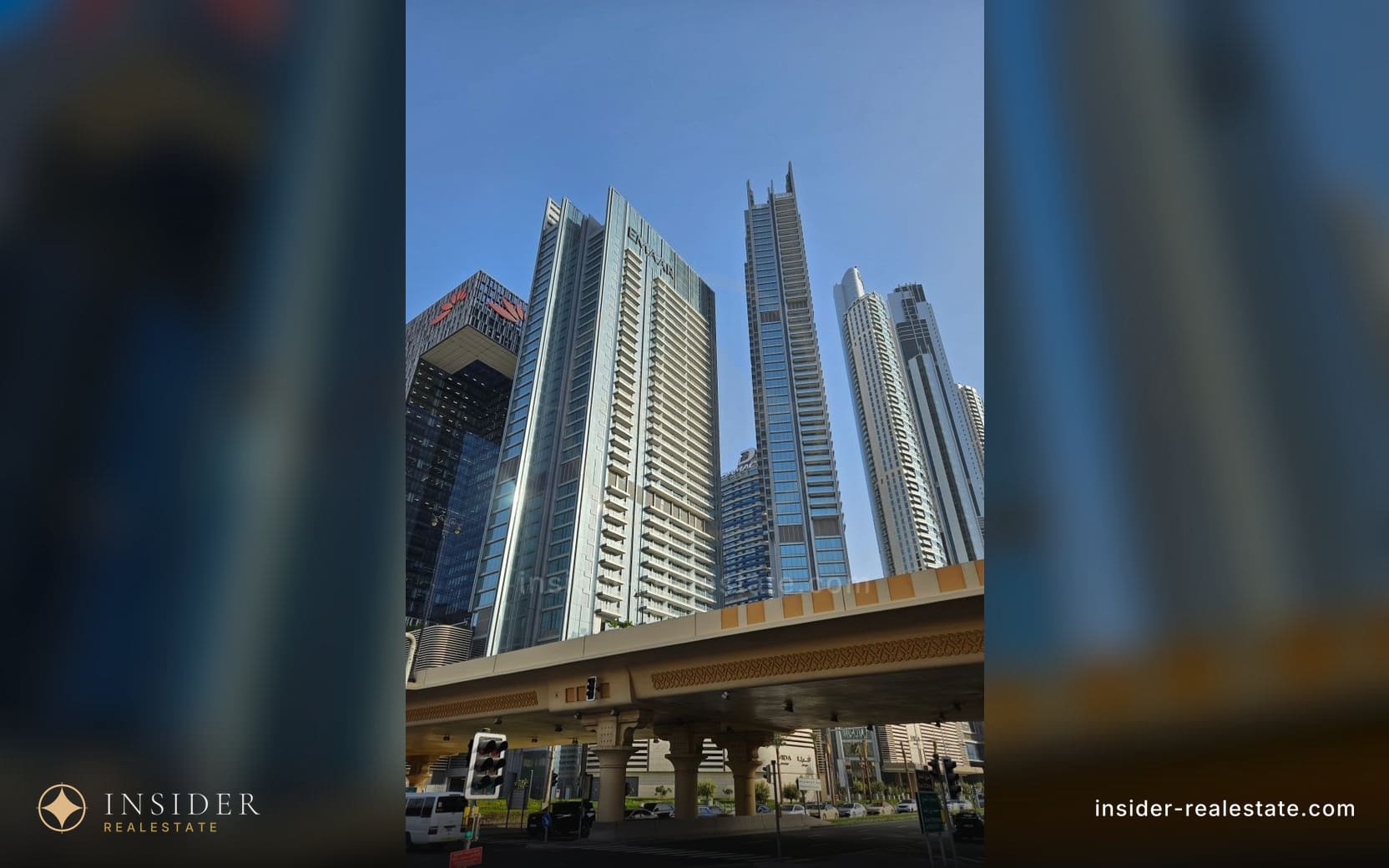
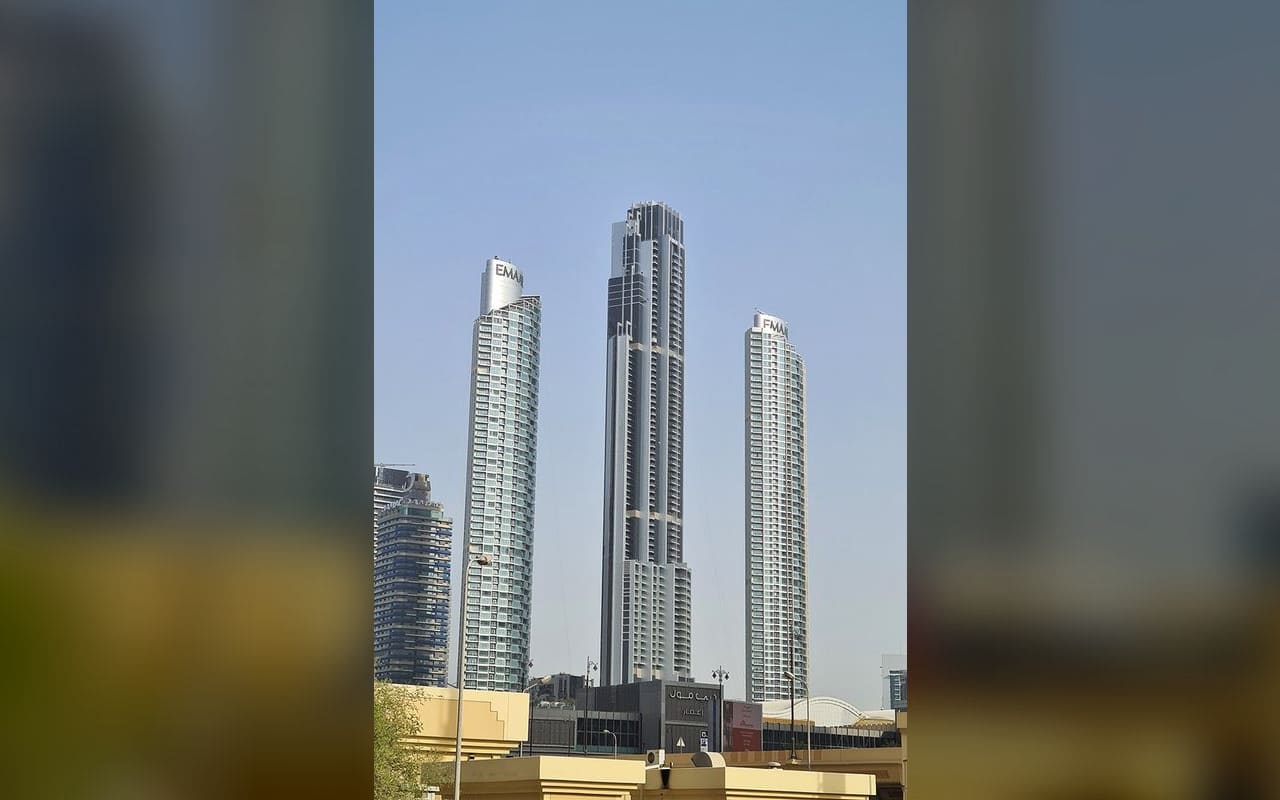
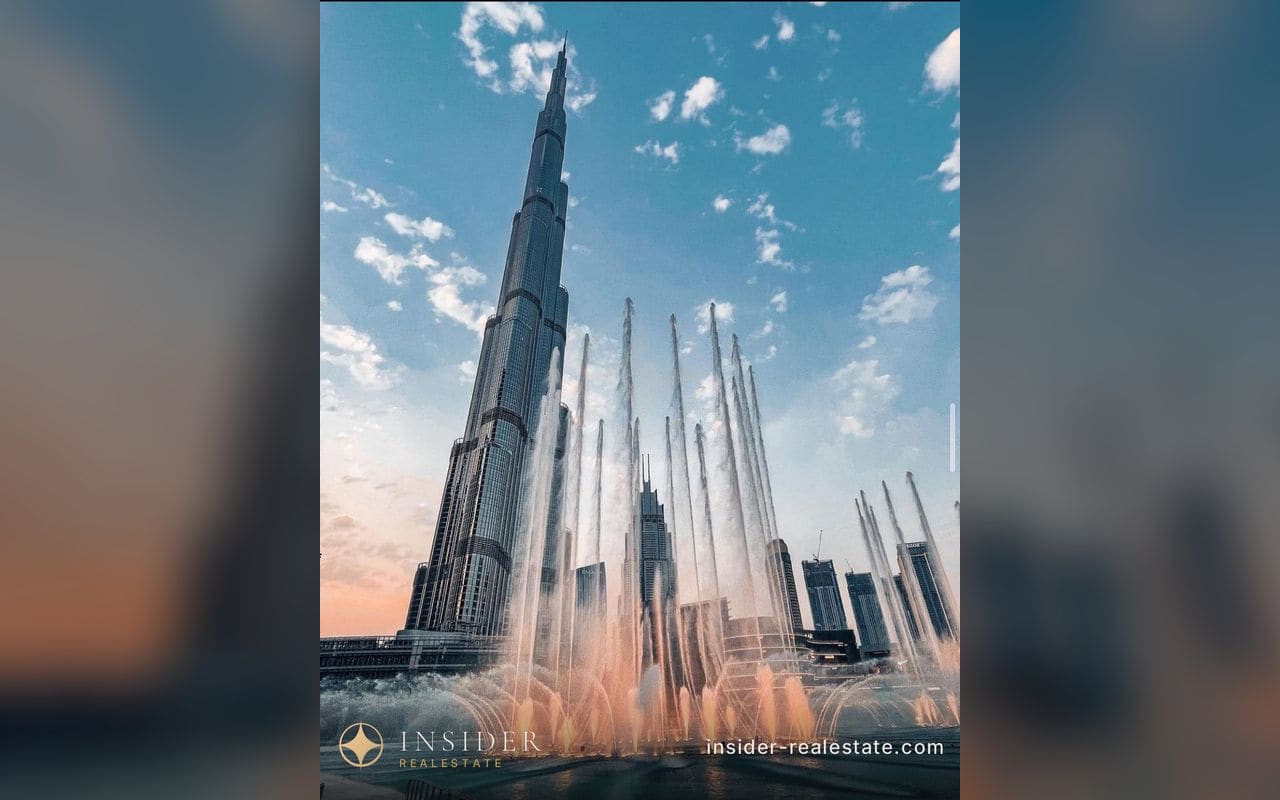
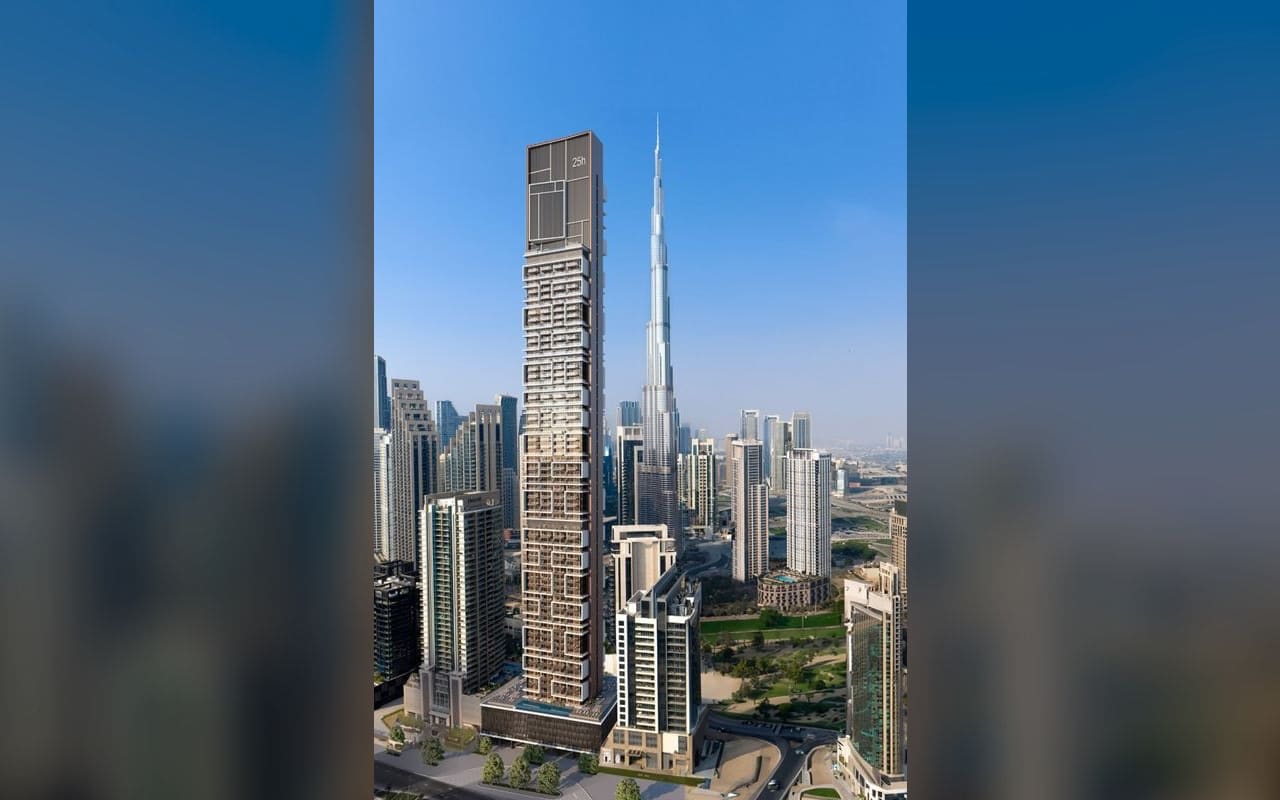
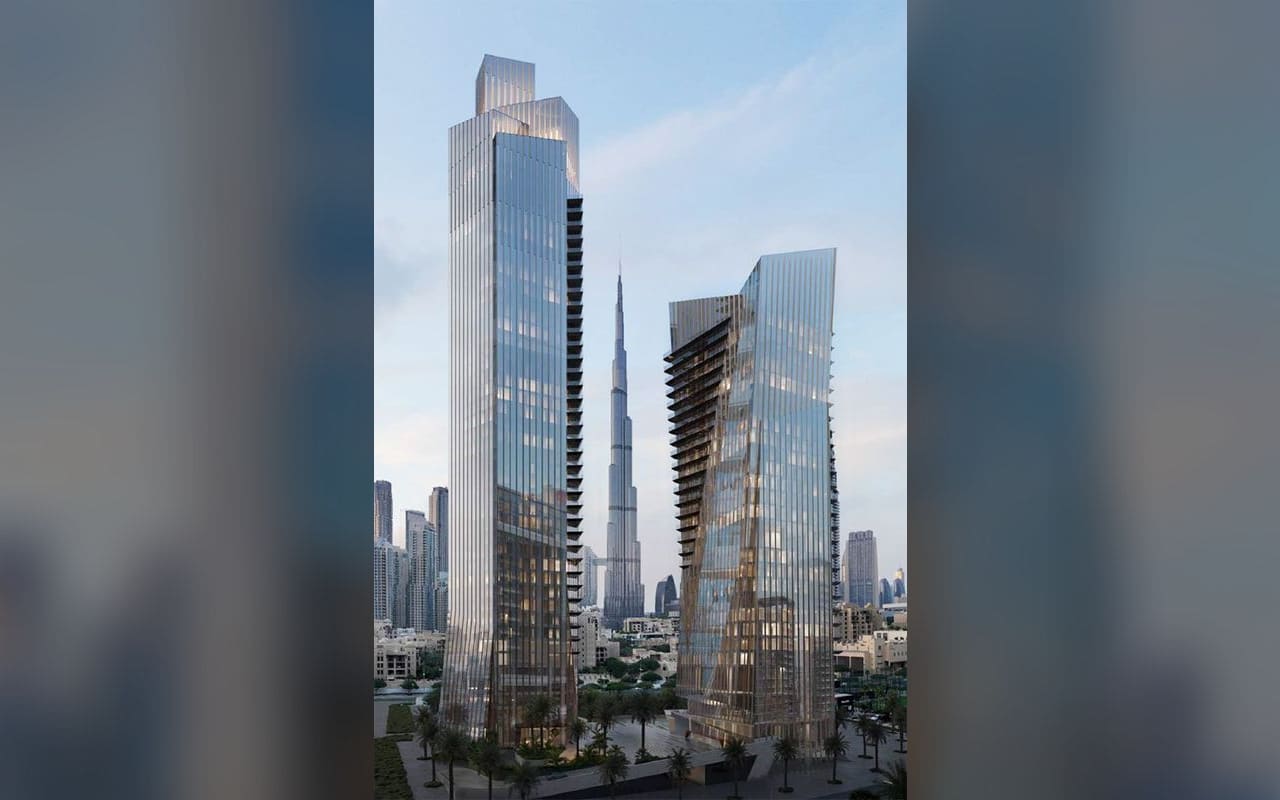
Downtown Dubai is roughly two square kilometres between Sheikh Zayed Road and the water, developed by Emaar to a single plan in the mid-2000s. The Burj Khalifa is the centre of the composition, the fountain lake wraps around it, Dubai Mall sits to the east and Mohammed Bin Rashid Boulevard rings the whole thing. Everything else is residential towers fitted into that ring as tightly as the plot lines allow.
The planning works differently from most of Dubai. Downtown was conceived to be walked: from the majority of the buildings you can reach the mall, the metro and the lake promenade on foot, which is rare in a city designed around the car. Air-conditioned links run through much of it, and by July that stops being a luxury.
There is essentially no undeveloped land left. New projects appear only on infill plots, over former car parks or as additions to existing podiums. For a buyer that has one important consequence: the district is finished. What you see today is broadly what will be here in ten years, which is a rare thing to be able to say about a Dubai neighbourhood.
Who buys here and why
Three groups, with three different logics. The first buys the address. For a large number of international investors the phrase "apartment in Downtown Dubai" carries value on its own that a bigger, cheaper unit in Al Furjan will never have. That is not irrational — the address genuinely works at resale and at letting.
The second buys for short-let. Downtown is the tourism magnet of the emirate, and nightly letting here beats an annual contract by a wide margin, provided you are prepared for the operational work: a DTCM holiday-home permit, a management company, turnover cleaning and guest handling. In some towers the share of units running as holiday homes approaches half, which is worth checking before you buy somewhere to live.
The third group lives here full-time, usually because they work in DIFC or Business Bay and value not sitting in traffic. There are fewer of them than you would think. For a family with school-age children Downtown is awkward: there are no schools inside the district, and the density and tourist flow wear thin.
The buildings and the layouts
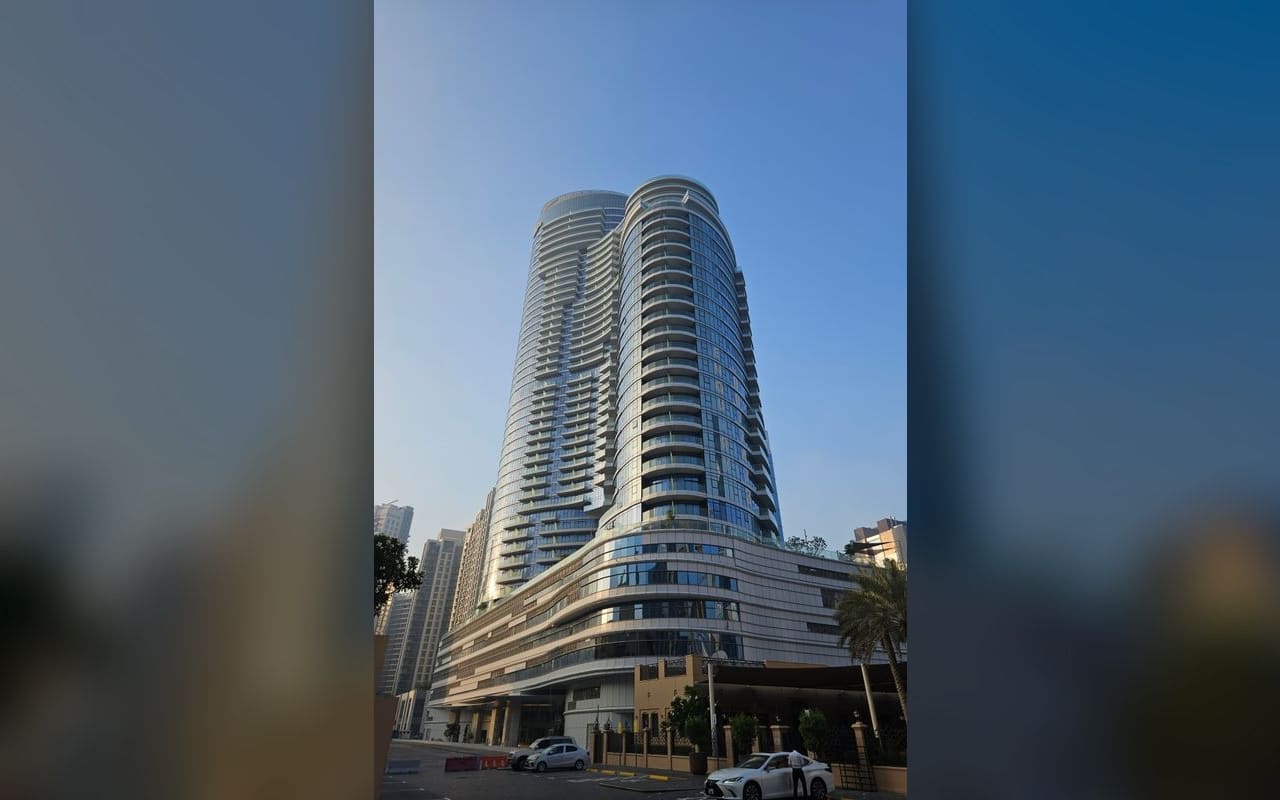
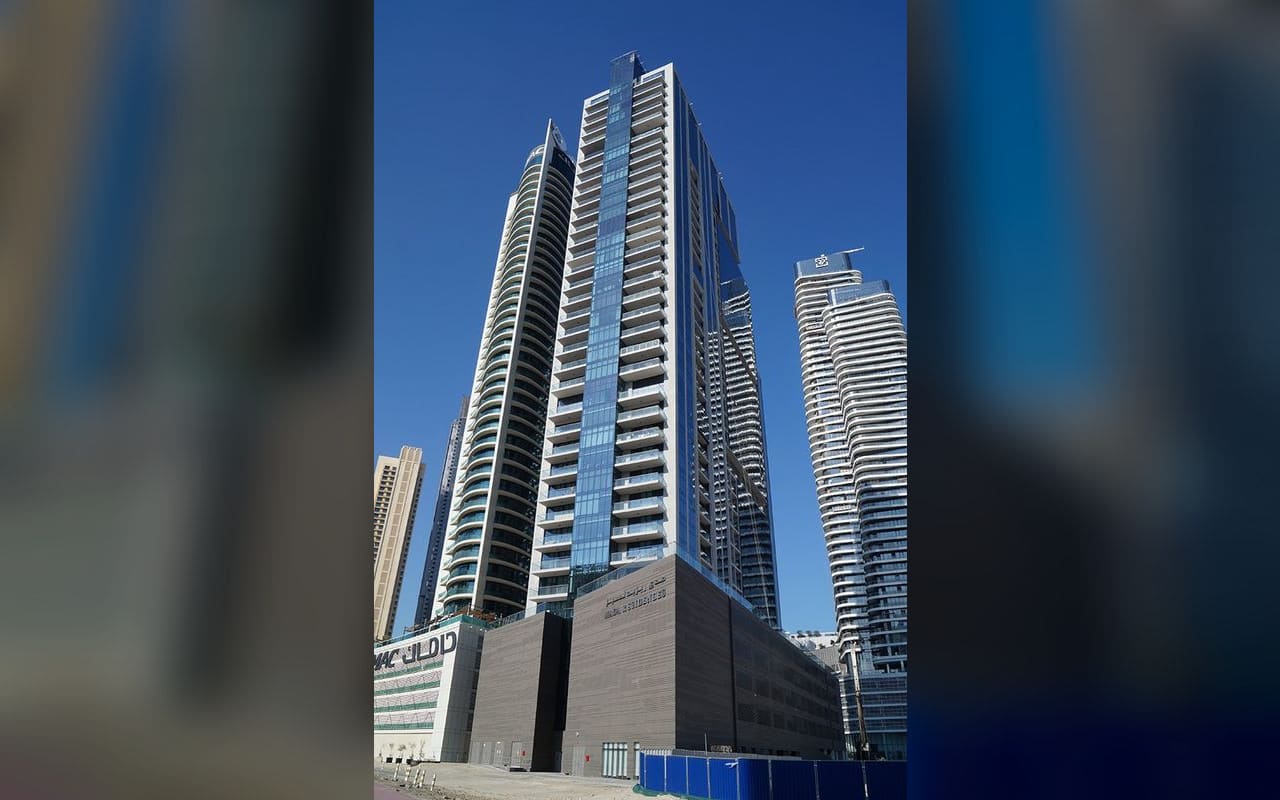
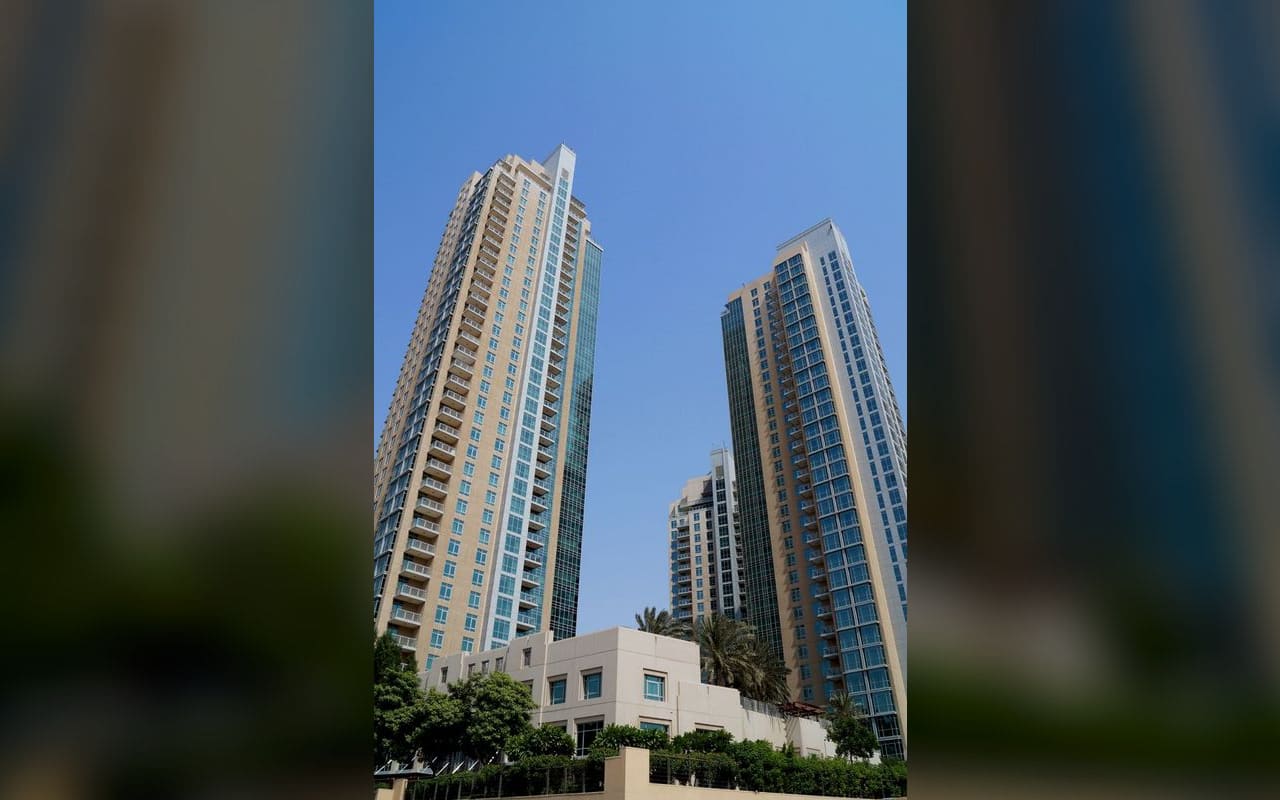
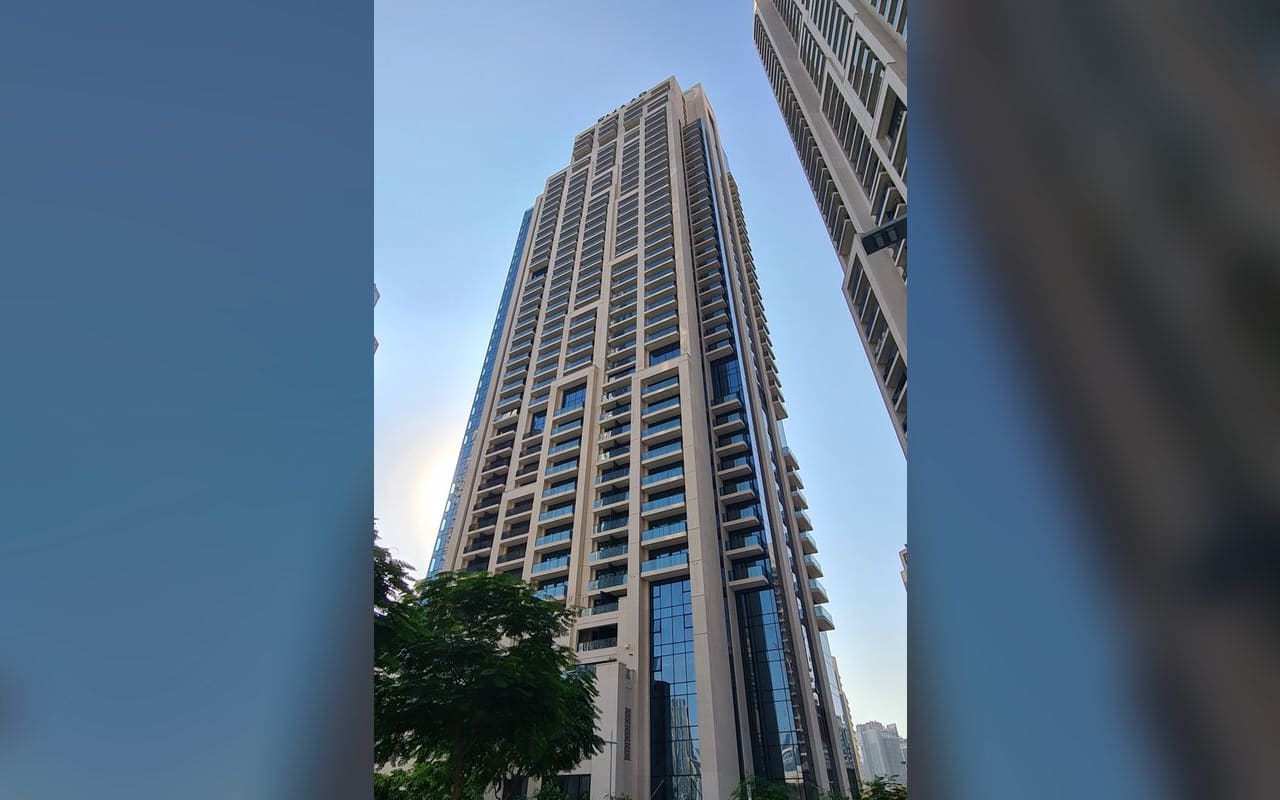
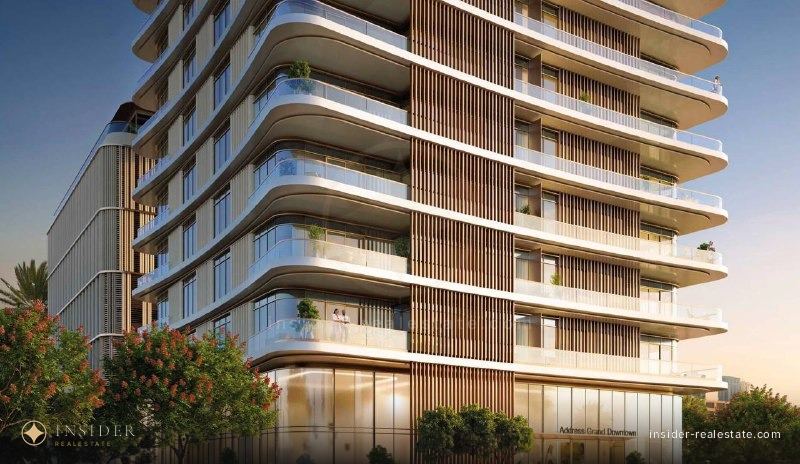
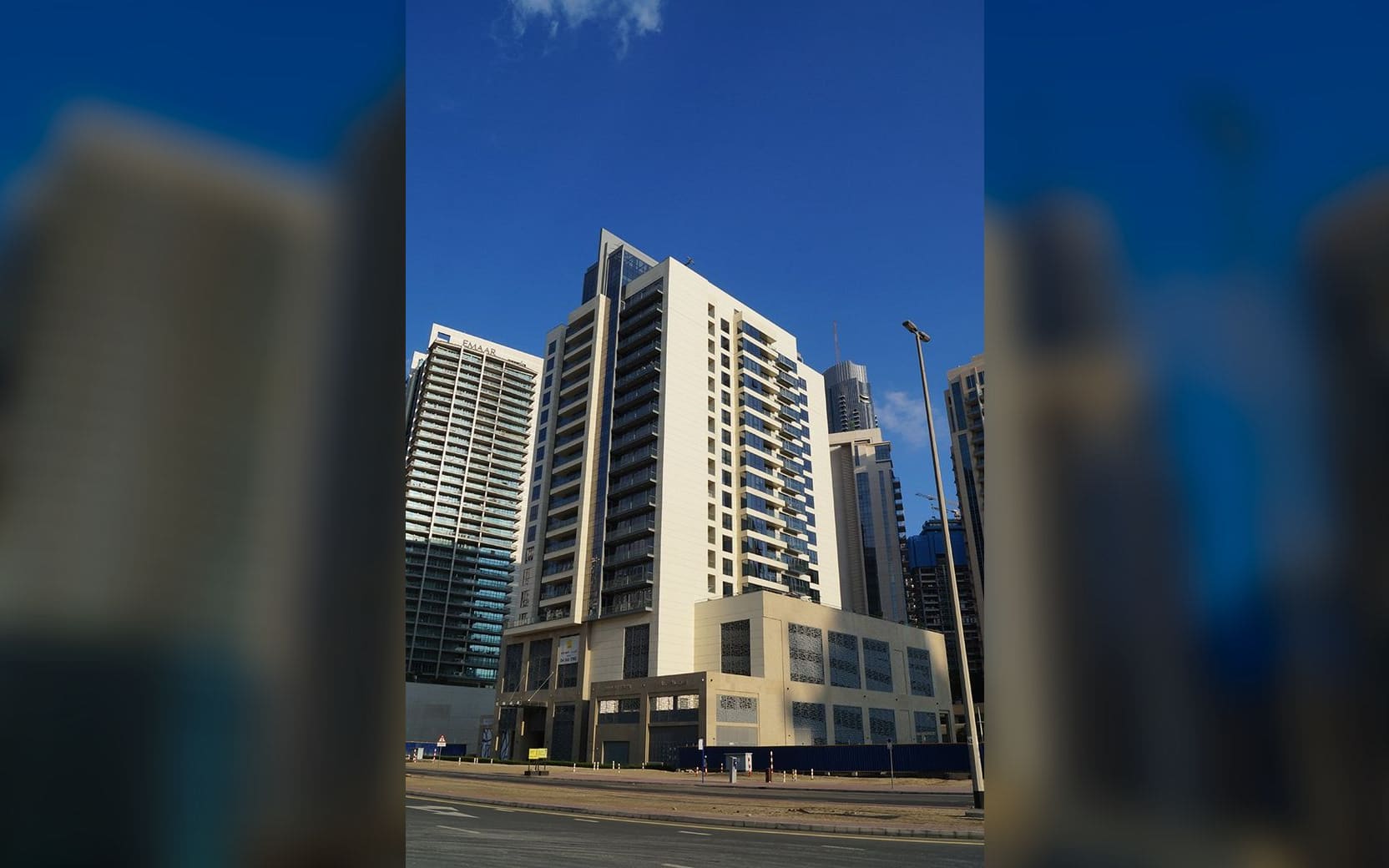
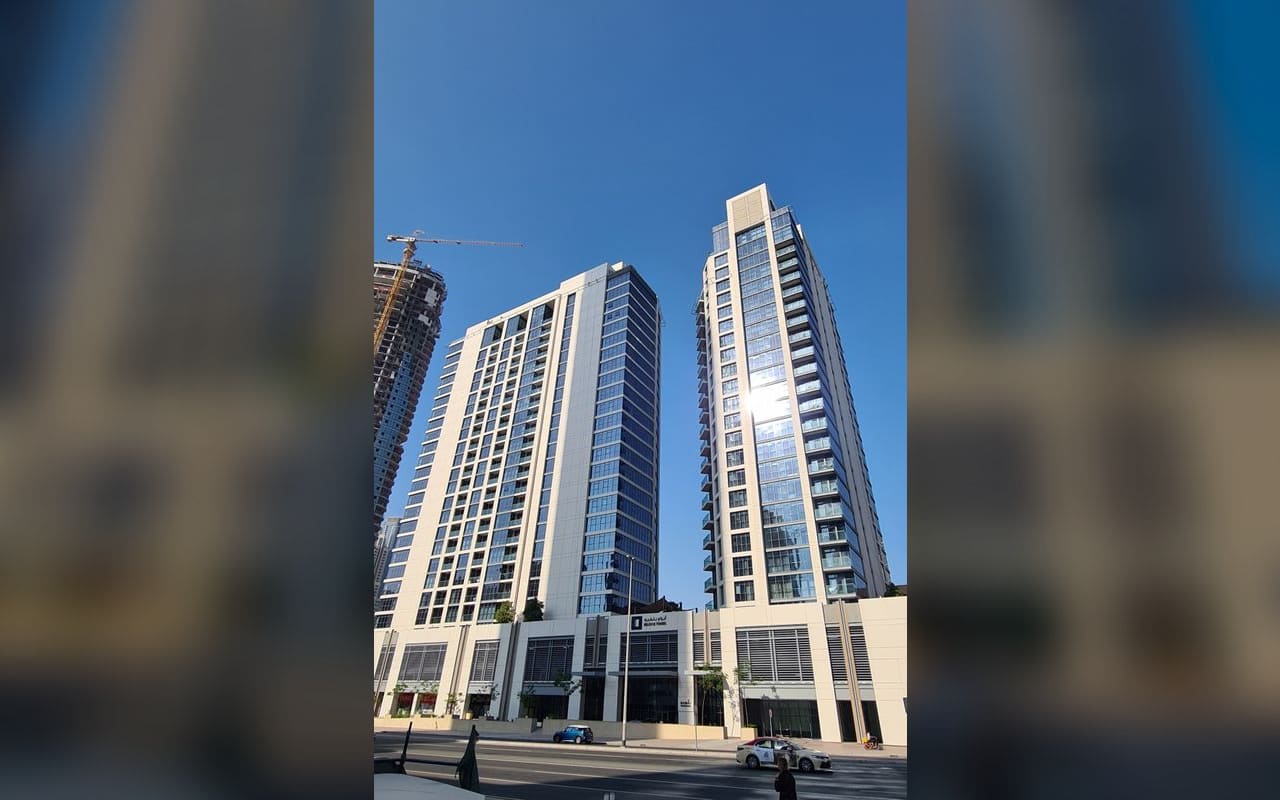
Most of the residential stock was completed between 2008 and 2016, which means the towers have been through their first maintenance cycle. Some have replaced lifts and reworked services; some have not. Two buildings of the same vintage on the same street can be in completely different condition, and the difference is the management company and the owners association rather than the developer.
Layouts run tighter than in Marina or JLT for the same money. Studios from about 45 square metres, one-bedrooms in the 65 to 75 range, two-bedrooms rarely above 120. That is what expensive land does to a floor plate: the developer extracted the maximum number of units per storey.
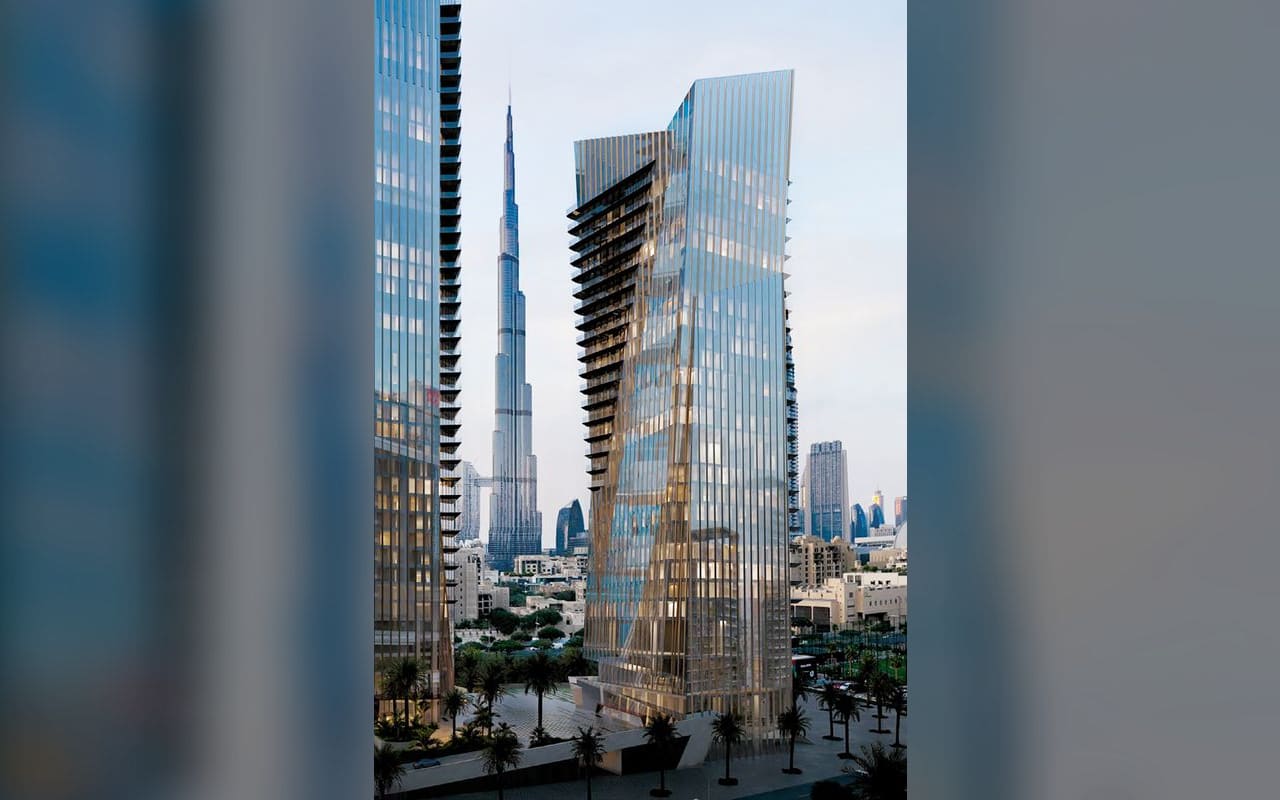
The view is priced explicitly. Two identical layouts in the same tower can differ by half again in price purely on what the windows face. "Burj view" in an advertisement and a Burj view in reality are different things — frequently the tower is visible from one corner of the balcony if you lean. Look from the actual unit at the actual floor, never from the show apartment two floors up.
Getting around
Metro is Burj Khalifa / Dubai Mall on the red line, connected to the mall by a long covered link. Fifteen minutes to DIFC, twenty-five to Marina. Driving is the weaker option: access to Downtown funnels through a handful of interchanges off Sheikh Zayed Road, and at peak — particularly Thursday evenings and on event nights — the district congeals.
Parking is a persistent problem. Most towers allocate one bay per apartment and sometimes none to studios. Visitor parking is scarce and Dubai Mall charges after the free hours. If your household has two cars, resolve this before you buy rather than after.
Day-to-day amenity is good: supermarkets inside the residential clusters, pharmacies, clinics, gyms. What is missing is schools and ordinary children’s playgrounds. The nearest schools are in Al Wasl, Business Bay and Jumeirah, which means a drive either way.
Prices, yields and the service charge
Downtown is among the most expensive districts in the emirate per square foot and simultaneously one of the most liquid: a unit here finds a buyer faster than almost anywhere else in Dubai. That matters more than most people account for — the difference between selling in three weeks and selling in eight months routinely outweighs the difference in entry price.
Long-let percentage yields are lower here than in JVC or International City, which is normal and correct: you are paying for liquidity and for price stability. Short-let produces more but demands work and a licence, and gives a share of the revenue to a management company.
The most underestimated factor is the service charge. Downtown carries some of the highest charges in Dubai, and in the older towers they have risen faster than achievable rent. Over a five-year hold the gap between a well-run building and one where the charge has escaped control runs into hundreds of thousands of dirhams. Ask for three years of charge history before you offer — it tells you more about a building than a freshly refurbished lobby does.
Who it suits and who it does not
It suits an investor who values speed of exit above maximum yield; a short-let operator willing to run the unit properly; someone who works in the centre and wants to walk; and anyone for whom the address is part of what they are buying.
It does not suit a family with school-age children — no schools inside the district, and the density is tiring. It does not suit an investor chasing the highest percentage return, which lives elsewhere. And it does not suit anyone hoping for quiet: Downtown is loud year-round, and around New Year the district is effectively closed to traffic.
If the Downtown skyline is what you want but not the Downtown price or crowd, look at Business Bay one district over. Same view, materially lower entry, and a considerably easier parking situation.