
Marina Shores: new Emaar stock in a district whose real problem is old buildings
Dubai Marina has the deepest rental market in the city and its central problem is that much of the stock is now fifteen to twenty years old, with building condition varying enormously from tower to tower. A new Emaar building in that district is selling the absence of that problem, and the passport puts it at fifty-three storeys, 433 apartments and 196 metres.
What the passport records
Marina Shores is a fifty-three-storey residential skyscraper of 196 metres with 433 apartments, developed by Emaar Properties and under development, with Al Shandagha Architects & Engineering Consultants as architect of record. The passport records a pool among the amenities.
Four hundred and thirty-three units is substantial without being extreme for this district — Dubai Marina is the tallest residential district anywhere, with an average building height between 250 and 300 metres, so a 196-metre tower sits inside the prevailing skyline rather than above it.
The developer is the one that began the district. Emaar started construction in Dubai Marina in 2003, and the towers at the northern end are consistently at the better end of the quality range twenty years later — which is a longer track record than most Dubai buyers ever get to consult.
Talk to a licensed broker: WhatsApp +971 50 120 32 64 · Telegram
There is almost no undeveloped land left inside the district, which is why each new project here tends to be treated as one of the last.
The age problem, and why new stock answers it
The Marina was built plot by plot by dozens of developers over roughly fifteen years, which is why the skyline is visually inconsistent and why building quality varies as much as it does. Some towers have been maintained properly and are indistinguishable from new; others have had lift failures, chiller problems, facade issues and service charge disputes.
Older buildings also mean older layouts and older specification — smaller kitchens, dated bathrooms, balconies built to a different standard. A unit that has never been refurbished rents at a discount and sells at a bigger one.
None of this is visible from a listing or from the street. All of it is visible from a corridor on a random floor and from a service charge history, which is the single hour of work worth more in this district than in almost any other.
A new tower removes that variable for the first cycle of ownership and replaces it with a different one: an untested owners association and a service charge with no history to read. Both are real; only one of them gets discussed.
The checks that matter here
The outlook from the actual unit at the actual floor, and what stands between it and the water. In a district this dense, that is the negotiation.
The projected service charge and what the amenity costs to run, with the understanding that a new building has no history to check — so compare against buildings of similar size and specification nearby instead.
The handover window in writing, and the plan for the first letting season afterwards, when several hundred apartments in your own building reach the market at once.
Parking allocation, distance to the nearest metro or tram stop measured on foot, and whether the building permits holiday lets if that is the plan.
Letting into the deepest market in Dubai
The Marina lets faster than anywhere else in the emirate. A well-presented unit finds a tenant in days rather than weeks, from a pool that spans young professionals, sharers, couples, aircrew and a very large short-let segment.
That liquidity is the core investment argument here, more than yield. Void risk is lower than almost anywhere in Dubai, and the number of potential tenants at any price point is large enough that a pricing error corrects quickly.
The corollary is competition. You are one unit among thousands, most of them broadly similar, so presentation and price decide whose lets first. Furnished units let faster in this district specifically, because a large share of the tenant pool arrives without possessions and expects to move in immediately.
A 433-unit handover concentrates that competition into one building for one season. It does not change the district’s depth; it changes who you are competing with in the first year, which is your own neighbours.
Which unit, in a district this dense
Marina-view units — those looking down the water rather than across at the next tower — carry a clear premium and hold it. Sea-view units on the western edge carry more.
The problem is density. Many units advertised as "marina view" have a sliver of water between two buildings, and this is checkable only by standing in the unit. It is the single most common disappointment in this district, and it applies to new towers as much as to old ones.
One-bedrooms are the workhorse: widest tenant pool, fastest letting, best resale liquidity, and the smallest gap between what you pay and what you can charge. Studios yield more on paper and let to a more transient tenant with higher churn. Two-bedrooms and above compete against villa communities offering more space per dirham further out.
Parking is tight across the district, most units come with one bay, and visitor parking fills. On a smaller unit, confirm the allocation before you model the rent rather than after.
Traffic, the tram and the walk
Marina traffic is the standing joke of Dubai and it is earned: a small number of access points serve an enormous resident population on internal roads designed before the towers reached their present density.
The metro and tram genuinely mitigate it. Two red-line stations sit at either end of the district, the tram loops through it, and proximity to a station is a measurable, durable rental premium here specifically — because in a district where traffic is the standing complaint, a tenant who can avoid driving will pay for it.
The Marina Walk runs the full length of the water on both banks, roughly seven kilometres of promenade with restaurants, cafés, supermarkets and the yacht berths that give the district its name. Buildings with direct promenade access rent at a premium to those set back behind the second row.
Between the walk, the beach at JBR and the tram, this is one of the few genuinely car-free-capable districts in Dubai — which is worth establishing for the specific plot, on foot, before it is assumed.
Frequently asked
How many apartments are in Marina Shores?
The project passport records 433 apartments across fifty-three storeys, at a height of 196 metres. It is developed by Emaar Properties in Dubai Marina and remains under development.
Is Dubai Marina still a good investment?
Primarily for liquidity rather than yield. It has the deepest rental market in Dubai, very low void risk and an easy resale. Capital growth is moderate because the district is mature and heavily supplied — which is also why building quality and age matter so much to what a specific unit earns.
Do I need a car in Dubai Marina?
No. Two red-line metro stations, the tram, the Marina Walk and JBR beach within walking distance make this one of the few genuinely car-free-capable districts in Dubai. Proximity to a station is a measurable rental premium here.
✍️ Message me on WhatsApp for a free consultation — off-market stock, payment plans and honest numbers on any of the projects covered here.
✅ Subscribe on YouTube — investment, property, business and relocation in the UAE and beyond.


Below market in Dubai Marina right now
From the daily off-market feed. Availability and price are confirmed on request.
All below-market listings →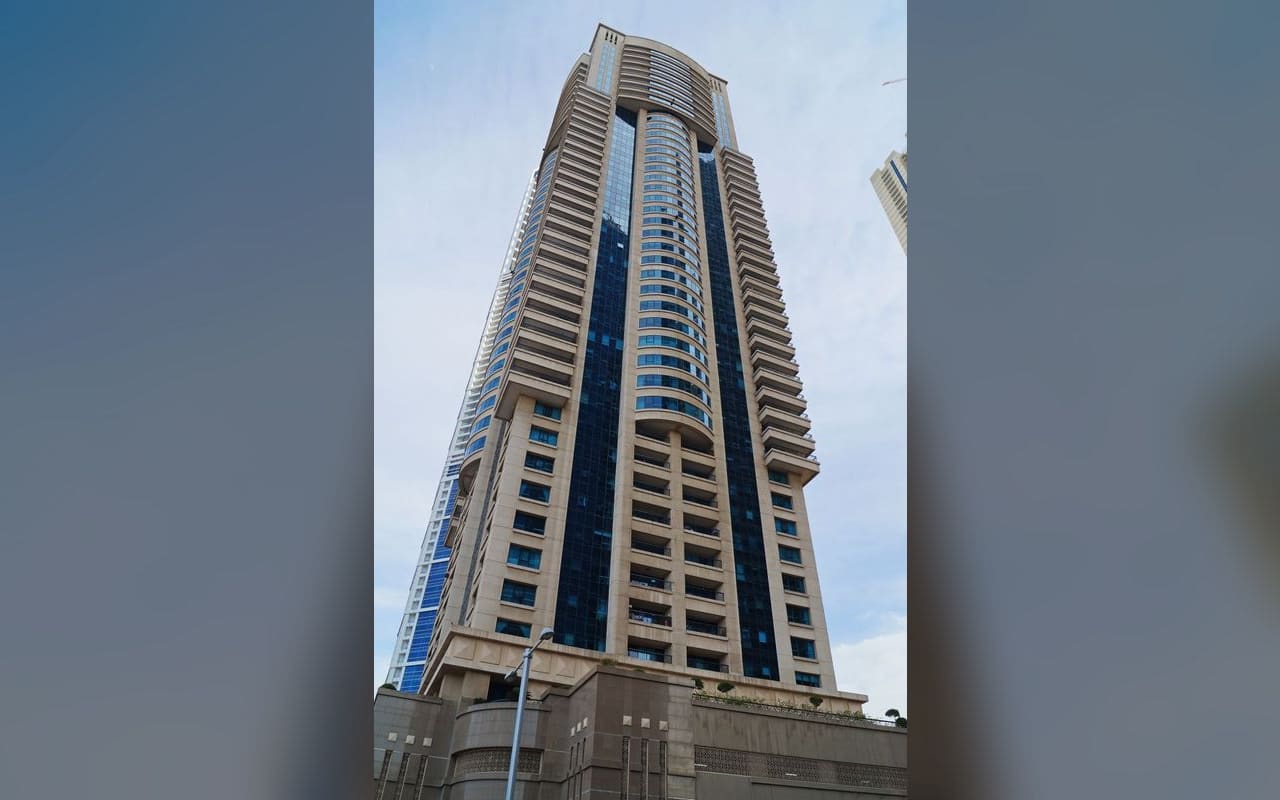
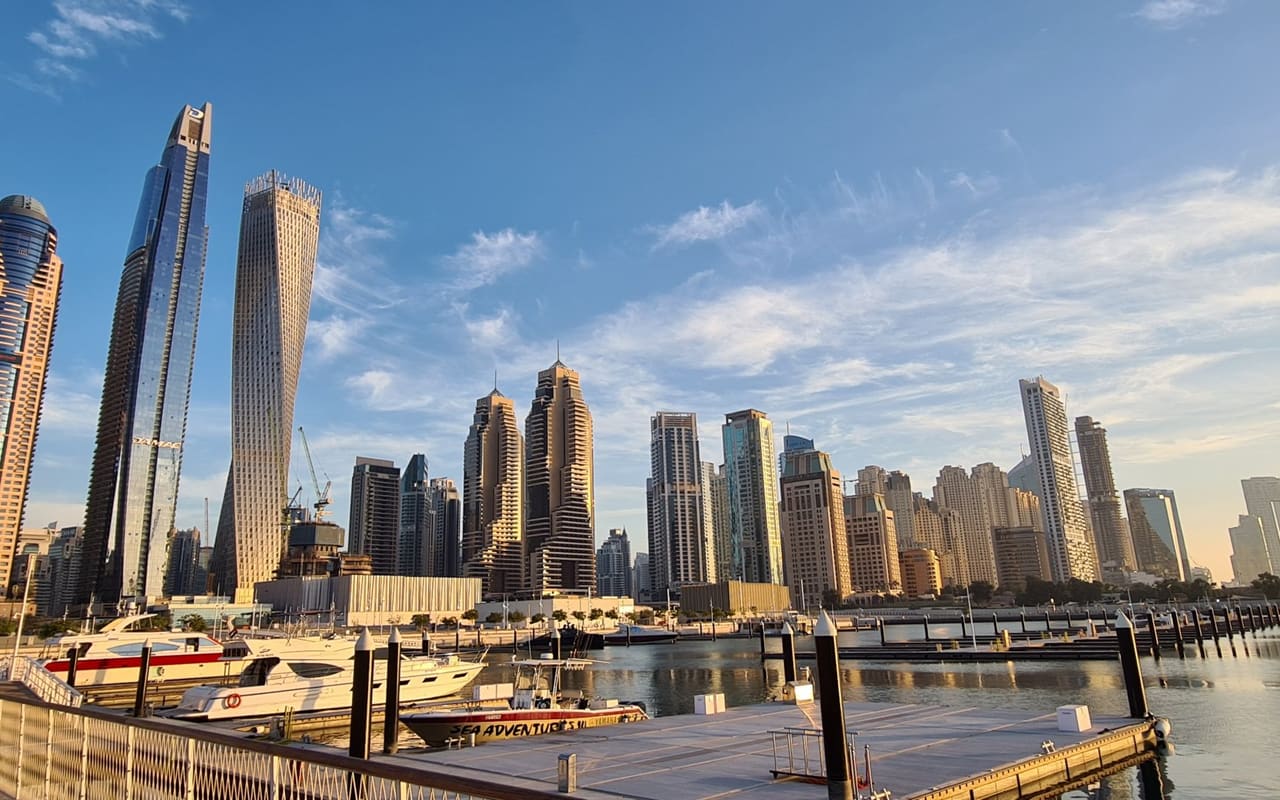
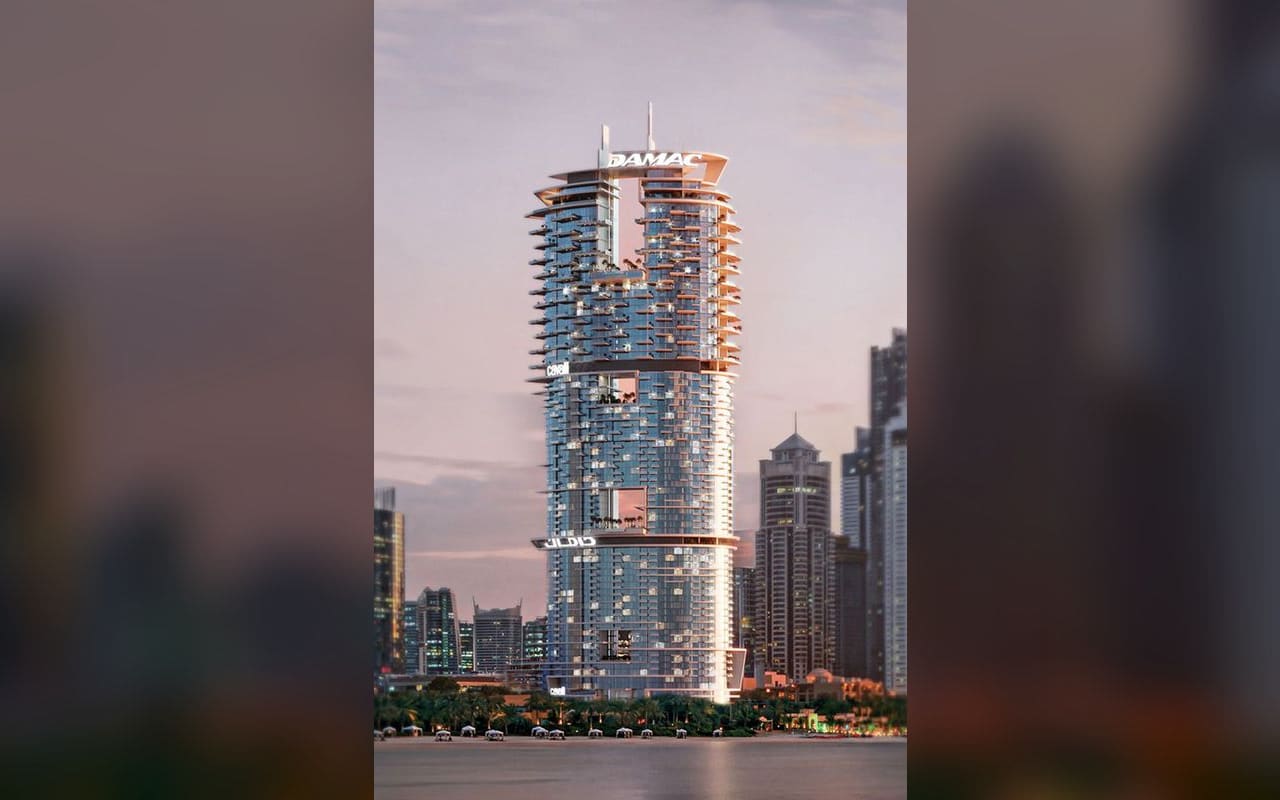
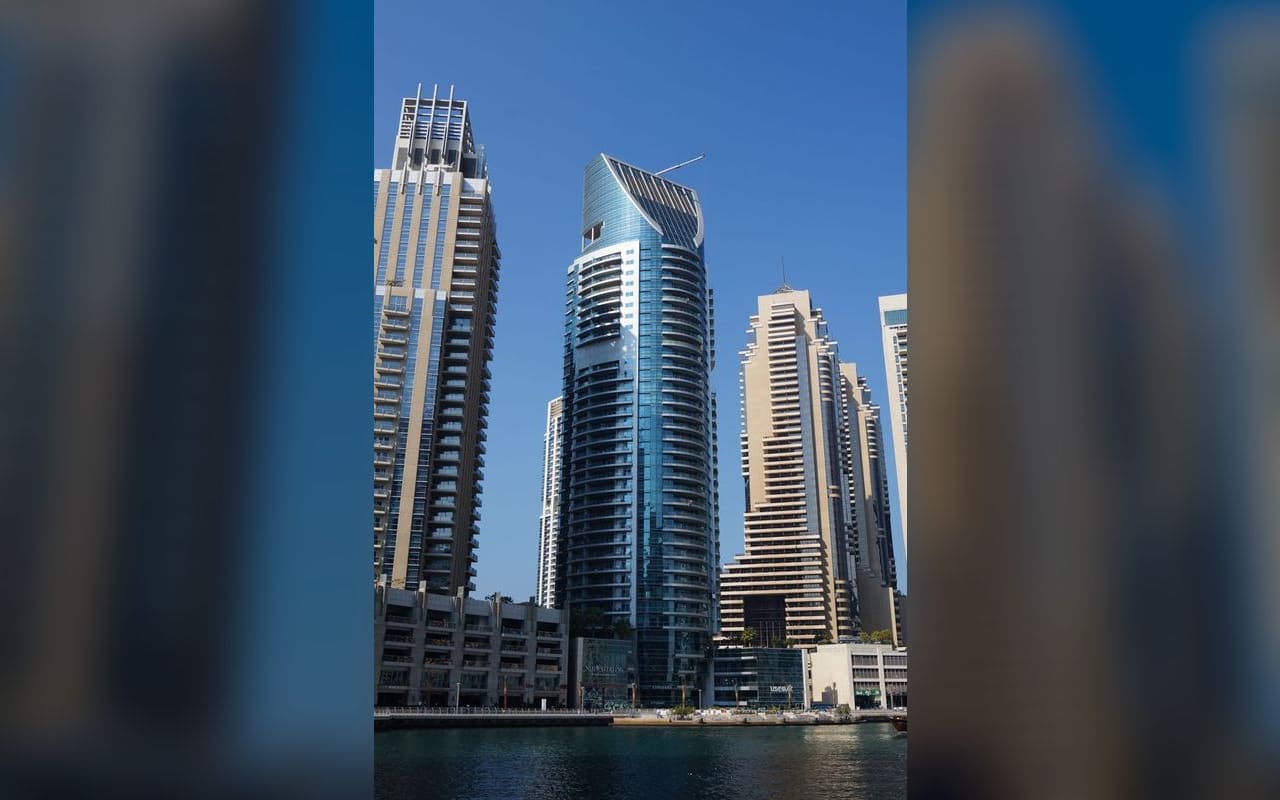
In the news
The same subject in writing — analysis and news related to this video.

LIV Real Estate: one district, and what concentration does to risk
A boutique developer working almost entirely in Dubai Marina. Why a single-district portfolio is both the strongest and the weakest thing about a company like this.

Dubai Marina: five of the ten tallest residential buildings in the world
A district designed from nothing on a Vancouver waterfront model, built between 2003 and 2008. The numbers behind it, and what a fully man-made location tells you about how value is created in Dubai.
Select Group: waterfront towers and what a marina address really costs
A developer built around Dubai Marina and the harbour districts. Why the water is the whole thesis, what a waterfront service charge looks like, and where the resale market for these units sits.

National Bonds: when the developer is a savings institution
A regulated savings company that also develops property. What an institutional balance sheet changes for an off-plan buyer, and where it makes no difference at all.

Mismak Properties: district cooling, the bill nobody expects
A developer with a Dubai Marina tower from 2010. Most large Dubai buildings buy their air conditioning from a utility, and its charging structure catches out almost every new owner.

Orra Real Estate Development: JLT or the Marina, two districts a road apart
A developer with buildings on both sides of Sheikh Zayed Road. The two districts look interchangeable on a map and behave differently — here is what the price gap actually buys.