What Marina is
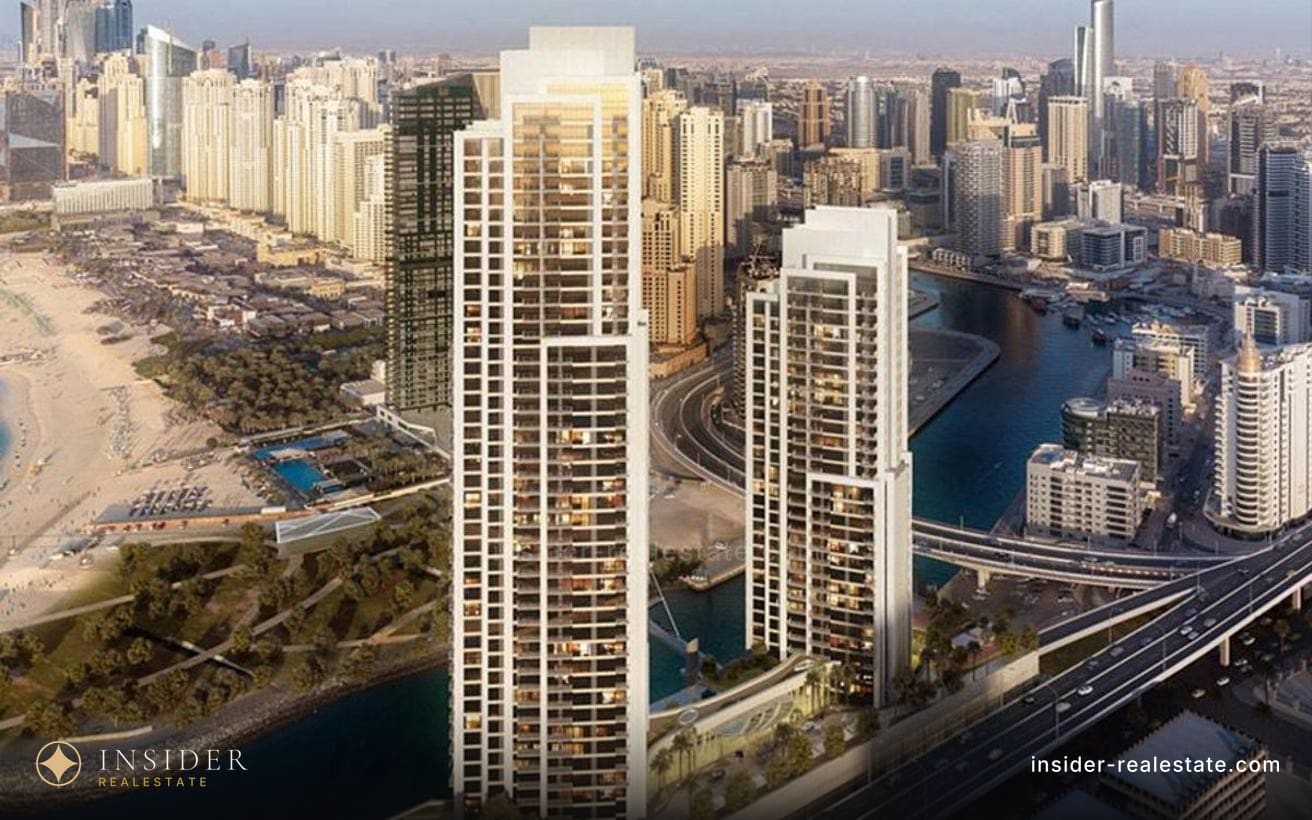
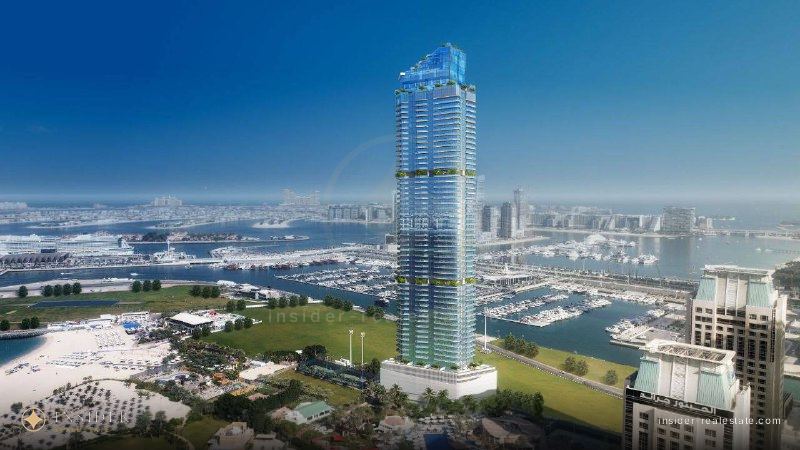
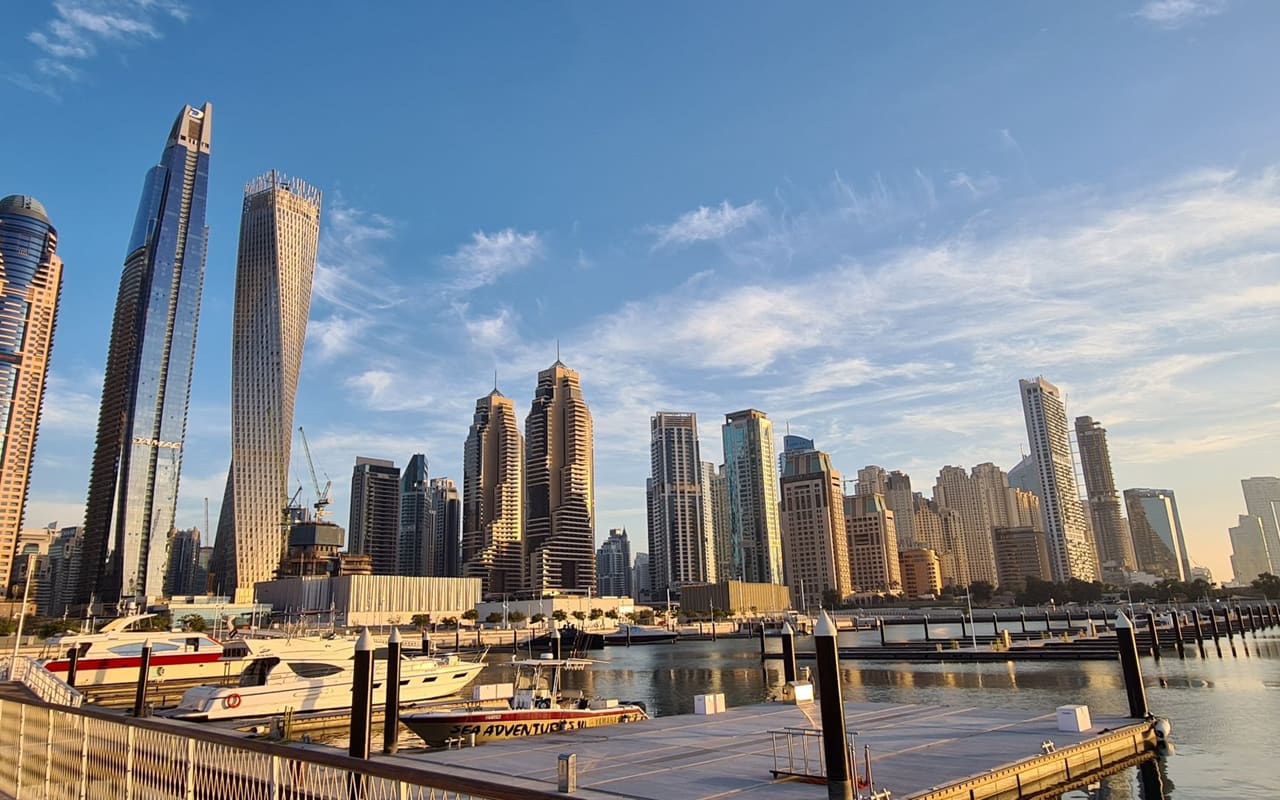
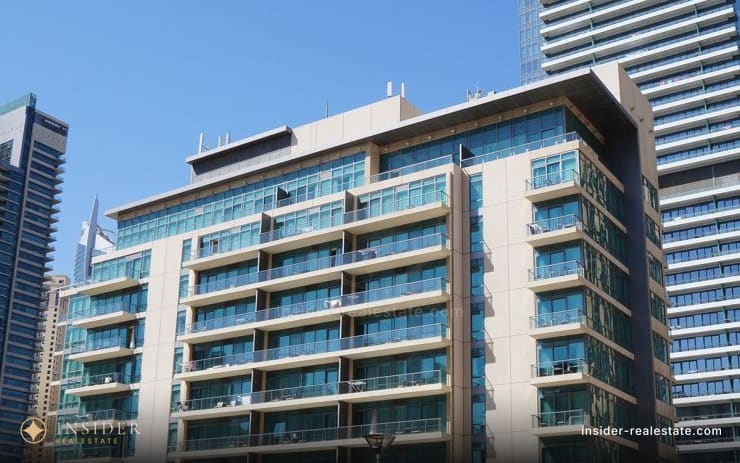
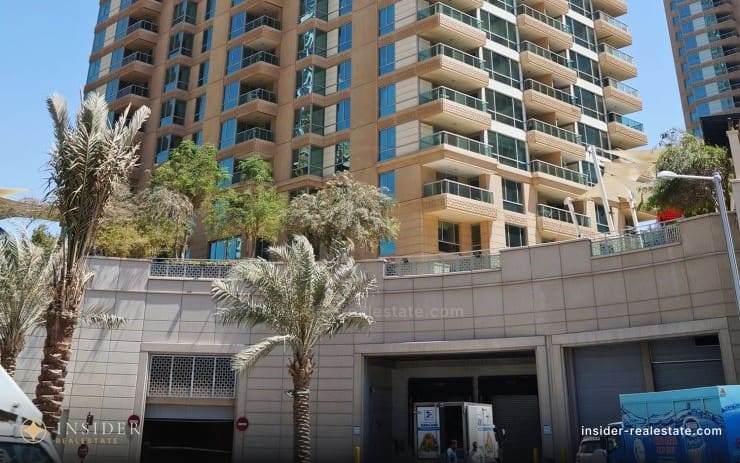
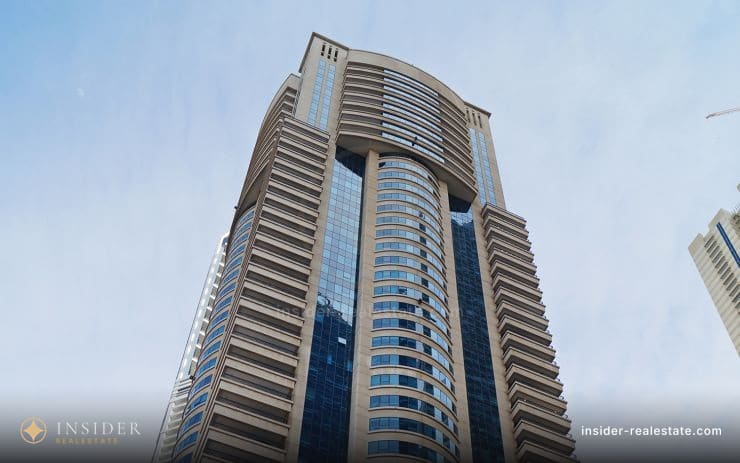
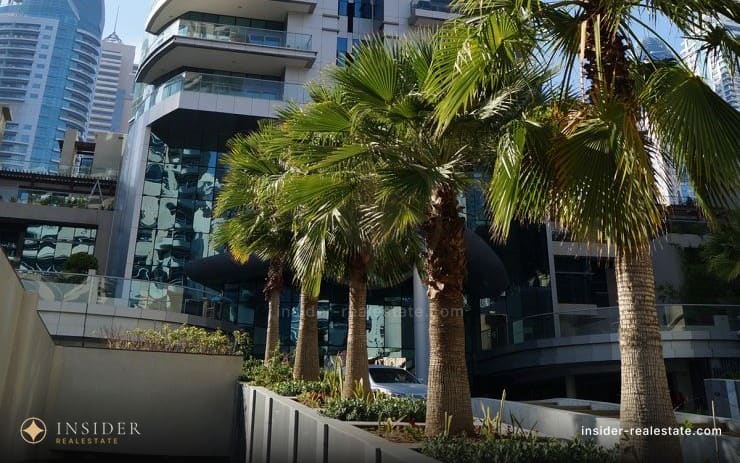
Dubai Marina is a three-kilometre artificial canal cut inland from the Gulf, lined on both sides by residential towers. It was one of the first freehold districts opened to foreign buyers and it filled in relentlessly through the 2000s and 2010s. Today it is among the most densely populated square kilometres in the Middle East.
The Marina Walk runs the length of the water on both banks: restaurants, cafés, a promenade, and the yacht berths that give the district its name. It is genuinely pleasant, genuinely walkable, and it is the reason people put up with everything else about the area.
Two metro stations sit on the red line at either end, the tram loops through the district, and JBR beach is a short walk from the western side. For a Dubai neighbourhood, the level of car-free living available here is unusual.
The tenant market
Marina has the deepest and most liquid rental market in Dubai. A well-presented unit here lets in days rather than weeks, to a tenant pool that spans young professionals, sharers, couples, aircrew, and a very large short-let segment.
That liquidity is the core investment argument. Void risk in Marina is lower than almost anywhere in the emirate, and the number of potential tenants at any price point is large enough that pricing errors correct quickly.
The corollary is competition. You are one unit among thousands, most of them broadly similar, so presentation and price determine whether yours lets first. A furnished, well-photographed unit at the right price lets immediately; an unfurnished one priced on hope sits.
The building age problem
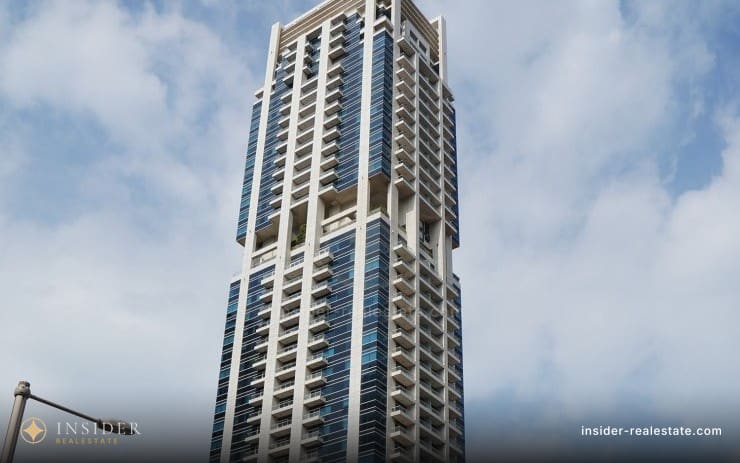
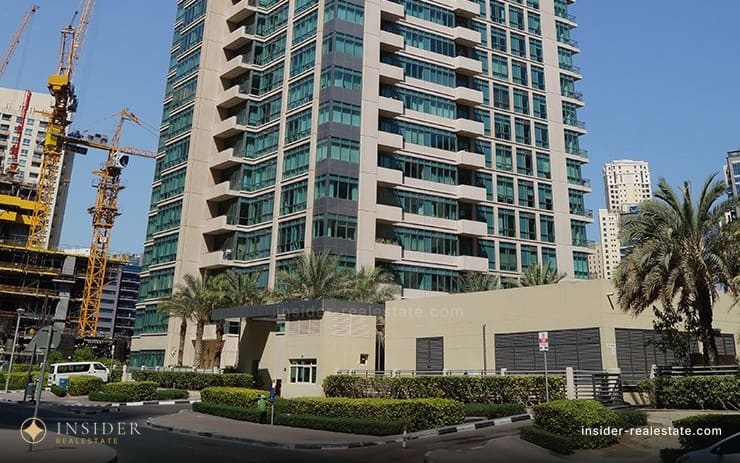
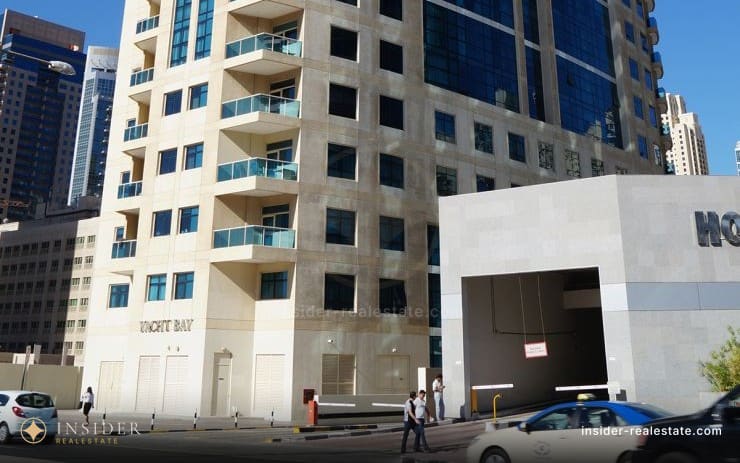
Much of the Marina stock is now fifteen to twenty years old, and that is the district’s central issue. Some towers have been maintained properly and are indistinguishable from new; others have had lift failures, chiller problems, facade issues and service charge disputes.
Older buildings also mean older layouts and older specifications: smaller kitchens, dated bathrooms, single-glazed balconies in some cases. A unit that has never been refurbished rents at a discount and sells at a bigger one.
Do the building-level work here more carefully than almost anywhere. Service charge history, owners association minutes if you can get them, and a walk through the common areas on a normal day. Two adjacent towers can be five years apart in apparent age and twenty percent apart in achievable rent.
Traffic, parking and density
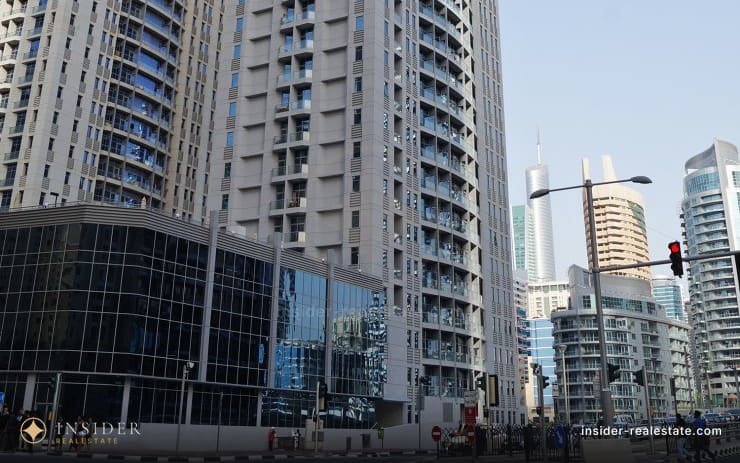
Marina traffic is the standing joke of Dubai, and it is earned. The district has a small number of access points serving an enormous resident population, and the internal roads were designed before the towers reached their current density. Peak-hour movement inside the Marina can be slower than the drive to Abu Dhabi.
Parking is tight. Most units come with one bay, visitor parking is scarce, and the paid public parking fills. If you are letting to a couple with two cars, this is a real constraint on your rent.
The metro and tram genuinely mitigate this and are the reason many residents here do not own a car at all. Proximity to a station is a measurable rental premium in this district specifically.
Views, orientation and which units to target
Marina view units — those looking down the water rather than across at the next tower — carry a clear premium and hold it. Sea-view units on the western edge carry more.
The problem is that the district is so dense that many units labelled "marina view" have a partial sliver between two buildings. This is checkable only by standing in the unit, and it is the single most common disappointment here.
One-bedrooms are the volume product and the safest investment: widest tenant pool, fastest letting, best resale liquidity. Studios yield more on paper and let to a more transient tenant. Larger units are slower to let and are competing against villa communities that offer more space for the money.
The honest assessment
Marina remains one of the best places in Dubai to own a rental apartment, because of liquidity rather than because of yield. You will always be able to let it and you will always be able to sell it, and in property those two facts are worth a great deal.
It is not where capital appreciation is strongest — the district is mature, fully built and heavily supplied, so prices track the market rather than leading it.
It suits an investor who wants reliable income and an easy exit; it suits a young professional or a couple who want to live without a car; and it suits a short-let operator who is comfortable competing in a crowded market. It does not suit a family wanting space and quiet, or anyone who will resent the traffic.
The Marina Walk and the promenade economy
The Marina Walk runs the full length of the water on both banks — roughly seven kilometres of promenade with restaurants, cafés, supermarkets and the yacht berths that give the district its name.
It is the single feature that makes Marina liveable despite the density, and it is used constantly: running in the mornings, families in the evenings, and a restaurant trade that operates year-round rather than seasonally.
Buildings with direct promenade access rent at a premium to those set back behind the second row, and the difference is larger than the distance suggests because it determines whether a resident uses the walk daily or occasionally.
The Marina Mall, the yacht club and the tram stops along the route complete a district where a resident genuinely can live without owning a car — which is close to unique in Dubai.
Where the towers came from
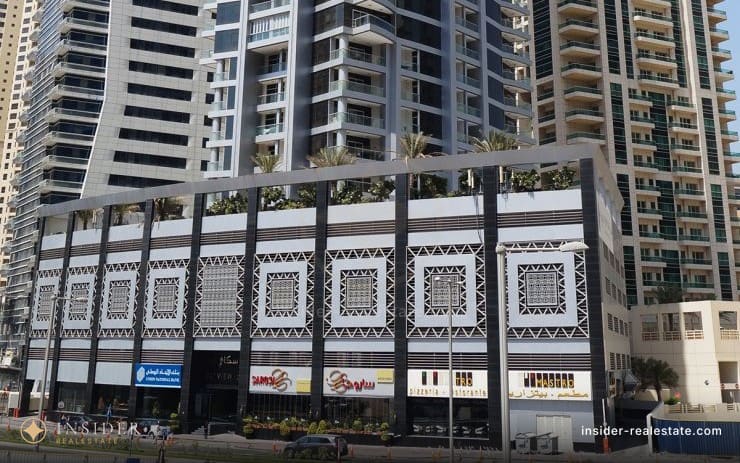
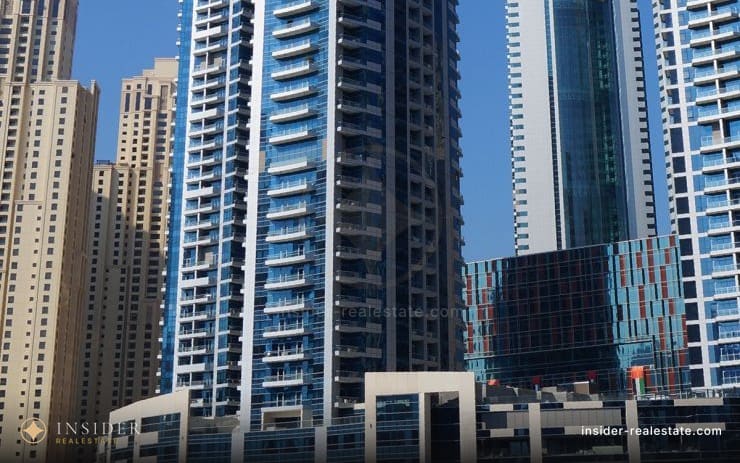
Marina was built plot by plot by dozens of developers over roughly fifteen years, which is why the skyline is so visually inconsistent and why building quality varies as much as it does.
The Emaar towers at the northern end and the later Select Group Marina Gate buildings are at the better end. A large middle tier is competent but ageing. A minority of towers from the mid-2000s boom have had persistent problems with cooling, lifts and association funding.
None of this is visible from a listing or from the street, and all of it is visible from a corridor on a random floor and a service charge history.
That single hour of work is worth more here than in almost any other Dubai district, because the price range across towers is narrower than the quality range.
Buying for income
One-bedrooms are the workhorse: widest tenant pool, fastest letting, best resale liquidity, and the smallest gap between what you pay and what you can charge.
Studios yield more on paper and let to a more transient tenant with higher churn. Two-bedrooms and above compete against villa communities offering more space per dirham further out.
Furnished units let faster in this district than unfurnished ones, because a large share of the tenant pool arrives without possessions and expects to move in immediately.
And proximity to a metro station is a measurable, durable premium here specifically. In a district where the traffic is the standing complaint, a tenant who can avoid driving will pay for it.
The district by the numbers
Dubai Marina covers roughly 4.9 square kilometres with a population around fifty-five thousand. Emaar began construction in 2003, and there is now almost no undeveloped land left inside it — which is why each new project here tends to be treated as one of the last.
The canal itself runs 3.5 kilometres with outlets to the Gulf at both ends, and the marina is the largest man-made yacht harbour in the world.
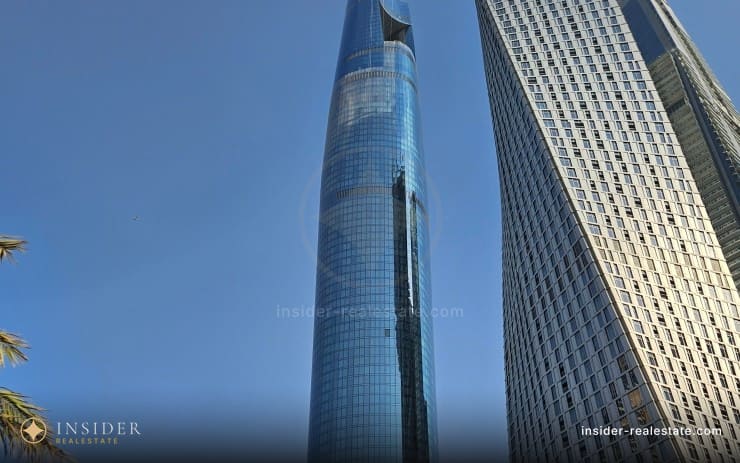
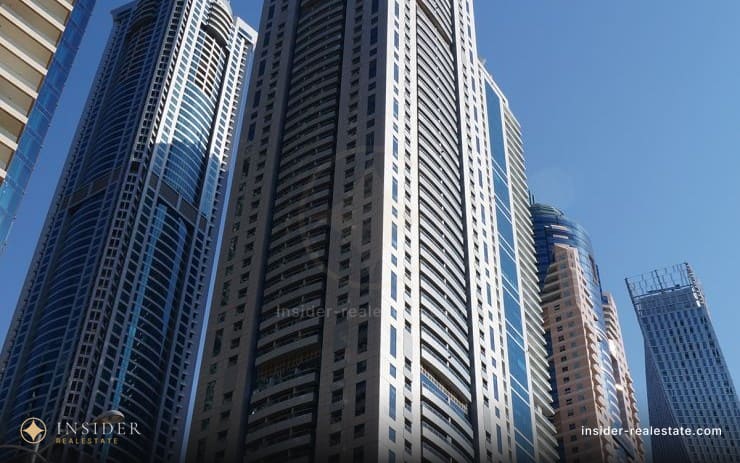
It is also the tallest residential district anywhere, with an average building height between 250 and 300 metres. The stock is predominantly apartments, with podium villas and townhouses at the base of some towers.
Amenity is unusually dense for Dubai: the free Marina Beach, a waterpark, the Marina Walk promenade, more than 350 restaurants and a zipline running 170 metres above the water.
The location puts Palm Jumeirah about fifteen minutes away, Burj Al Arab twenty and Downtown thirty, with two red-line metro stations and the tram serving the district directly.