
 −23%
−23% Al Satwa
An old low-rise quarter between Jumeirah and Sheikh Zayed Road: the cheapest genuinely central land in the city, and a perpetual candidate for redevelopment.
4 units in stock. 4 with a confirmed status: 1 ready, 3 under construction. 69th most expensive of 91 districts by median price.
- maximum centrality for minimum money
- a bet on redevelopment
- old-city street life
Median price $763K AED 2,802,350
Entry price $259K AED 950,000 — cheapest unit
Per square foot $674 AED 2,476 / sq ft, median
Ready stock 25% 2 units discounted, up to −23%
What this area is actually like
What the district is
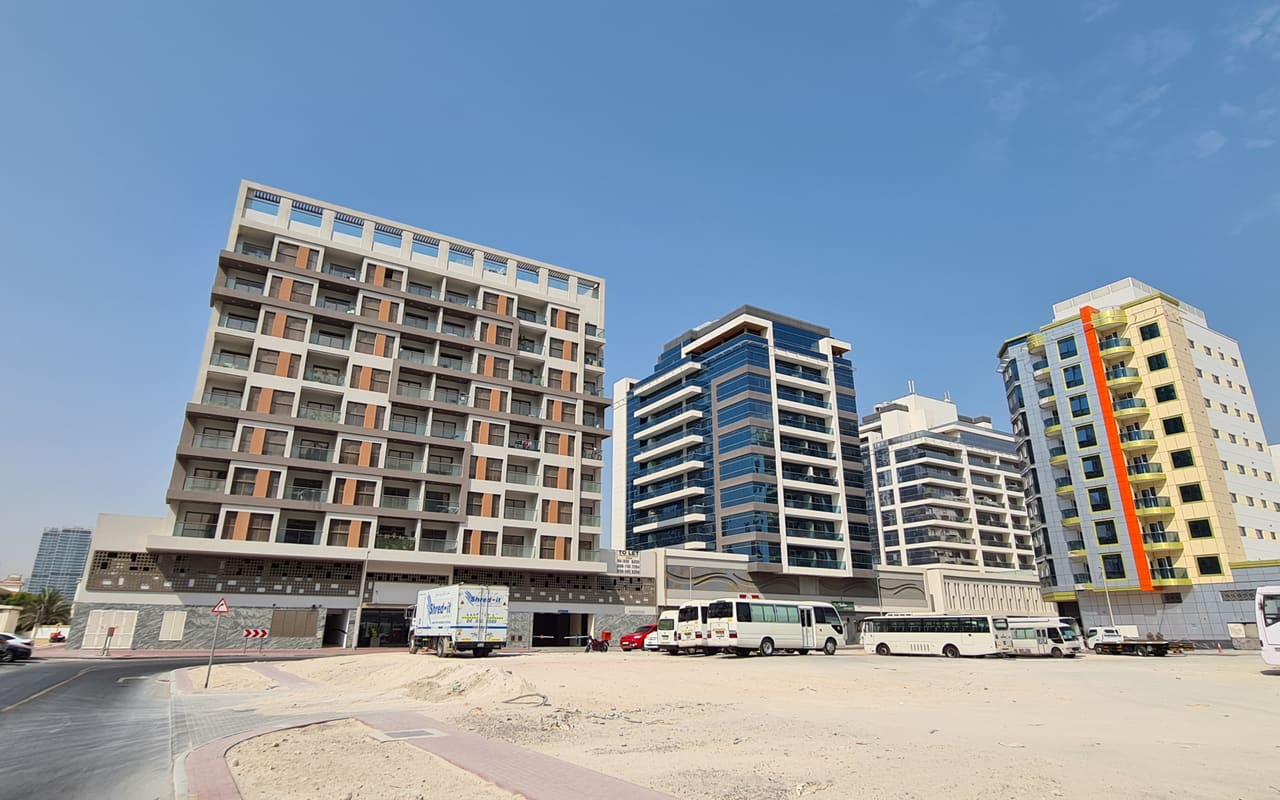
Al Satwa sits between Jumeirah and Sheikh Zayed Road, a short distance from the Trade Centre, Zabeel and City Walk. By location alone it is as central as Dubai gets.
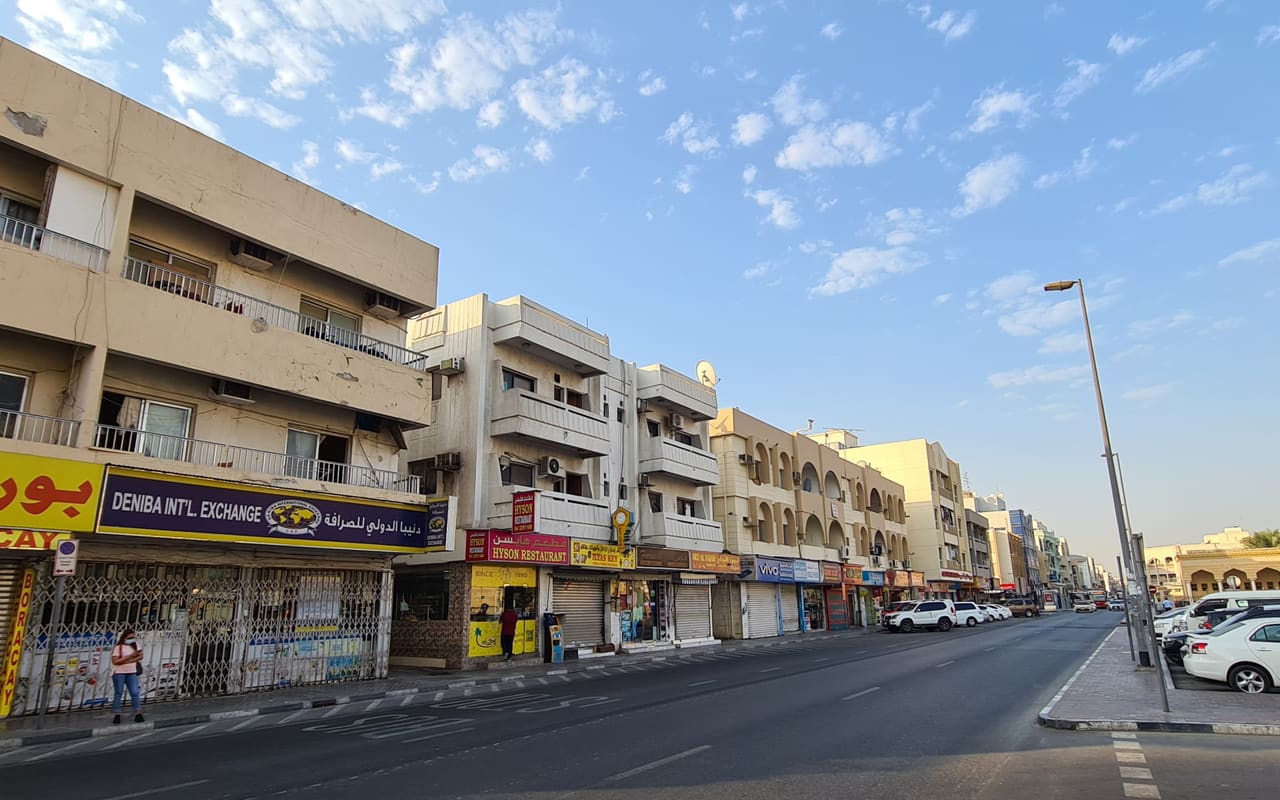
By character it is nothing like its neighbours: low-rise, dense, old by local standards, built up with small blocks, workshops, tailors, cafés and streets that people actually walk down.
It is one of the few parts of the city that still reads as a street-level neighbourhood rather than a masterplan — a quality Dubai has very little of and cannot manufacture.
Jumeirah Garden City is the redevelopment masterplan drawn over Satwa, and its long-deferred implementation is the single most important fact about the district.
What makes it interesting
The arithmetic of location. Nowhere else this close to the business core costs anything like as little per square foot.
Rental demand is durable and price-driven: people who need to be central and cannot pay central prices. That demand does not evaporate in a soft market.
The street life is a genuine asset for a particular kind of buyer — someone who wants a neighbourhood rather than a tower with a lobby.
And the redevelopment overhang, which is either the opportunity or the risk depending on how you hold it.
What people actually buy here
Older low-rise apartment stock, plainly finished, in buildings that are managed to a standard well below the new districts.
The variation between individual buildings is enormous and matters far more than the address does. Two blocks on the same street can be entirely different investments.
Freehold availability is limited and patchy compared with the purpose-built freehold districts, so the ownership status of the specific building is the first question, not a detail.
What almost nobody buys here is a home to live in long term at the top of the market. This is an income and land-value play.
Redevelopment: the opportunity and the risk at once
Jumeirah Garden City has been on the plans for many years without wholesale execution. Parts of Satwa have been cleared; much of it has not.
If redevelopment proceeds in earnest, land values here are supported by a location that is difficult to argue with. That is the bull case, and it is not unreasonable.
If it continues to be deferred, you own ageing stock in a district that is not being reinvested in, and the rent is what you get.
Neither outcome is knowable on your timeline. The workable position is to buy on today's rent and treat any redevelopment upside as unpriced optionality rather than as the plan.
The drawbacks you have to accept
Building quality and management. Much of the stock is old and maintained to a minimum, and the managing agents are not the ones running the new towers.
Density, parking and noise. Satwa is busy in a way the planned districts are not, and that is not a phase it is passing through.
Liquidity. The buyer pool is narrow and specialised, and a sale takes longer than in a freehold district with a deep market.
And uncertainty about the future of the area itself, which is a real factor rather than a theoretical one.
Who it suits
An investor who wants maximum centrality for minimum capital, understands they are buying old stock, and is content to hold on rental income.
Someone who values a walkable, street-level neighbourhood and is unbothered by the absence of polish.
It suits poorly anyone who needs a clean exit, anyone buying a long-term family home, and anyone treating the redevelopment as a dated event.
It also suits poorly a first purchase in Dubai — this district rewards someone who already knows how to read a building.
What to compare it against
Al Jaddaf and Deira — comparable entry prices in older parts of the city with their own redevelopment stories.
City Walk and Al Wasl next door — the finished, expensive version of what Satwa might one day become.
International City and Al Warsan — cheaper again, but without any of the centrality that is Satwa's entire case.
Each of these is covered with median prices and current stock composition in the areas section.
How to actually approach a purchase here
Start with the ownership status of the specific building, because it is not uniform across the district and it determines whether the rest of the analysis is even relevant.
Then read the building itself rather than the street: the age of the plant, the state of the risers and the common areas, and who the managing agent is. In stock this old, management is the difference between an income asset and a liability.
Model the return on today's rent, with a realistic void period and a refurbishment allowance between tenancies. Budget stock in a central location lets quickly but wears fast.
And size the position as though redevelopment never happens. If the numbers work on rent alone, any eventual land-value outcome is upside you were not depending on — which is the only sane way to hold an asset whose timeline nobody controls.
The market, per the Land Department
Residential price index 167.33 Q4 2025
Quarter on quarter +3.32% QoQ
Year on year +8.9% YoY
Full year 2025 +9.81% index 162.51
These are official DLD readings for the entire emirate; a district split, Al Satwa included, is not made public. Use them as context for the prices on this page — registered sales for the building you pick I pull on request. Source: Dubai Land Department, read 15/08/2026.
The latest read: July 2026
The Land Department index above is quarterly and emirate-wide. The monthly price index splits villas from apartments — and in 2026 that matters: a single blended figure hides the fact that the two markets have pulled apart.
Villas and townhouses 292.5 flat YoY
Apartments 168.7 −4.2% YoY
All residential 219.2 −0.3% MoM
Price per sqft 2,039 villas · apartments 1,397 AED
The month split by completion status: 72.8% of deals were off-plan, 27.2% ready homes. Ready-home volume rose 11.4% on the month, while off-plan was the only segment down both on the month and on the year (−45.3%). The practical read: there is room to negotiate on apartments and on off-plan, far less on finished villas in established communities. Index base is January 2021 = 100 — a villa reading of 292.5 means growth of 192.5% from that mark, not a premium over a 2021 peak. Monthly ValuStrat market review for July 2026, checked 24/08/2026.
Other districts
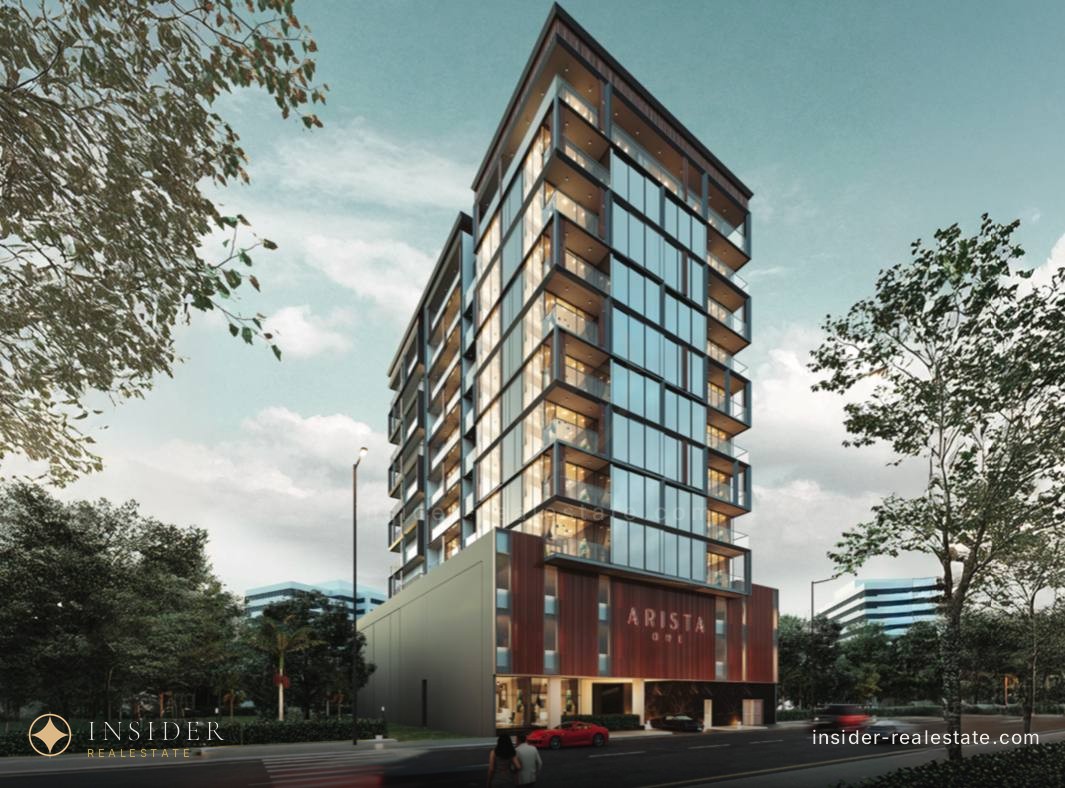
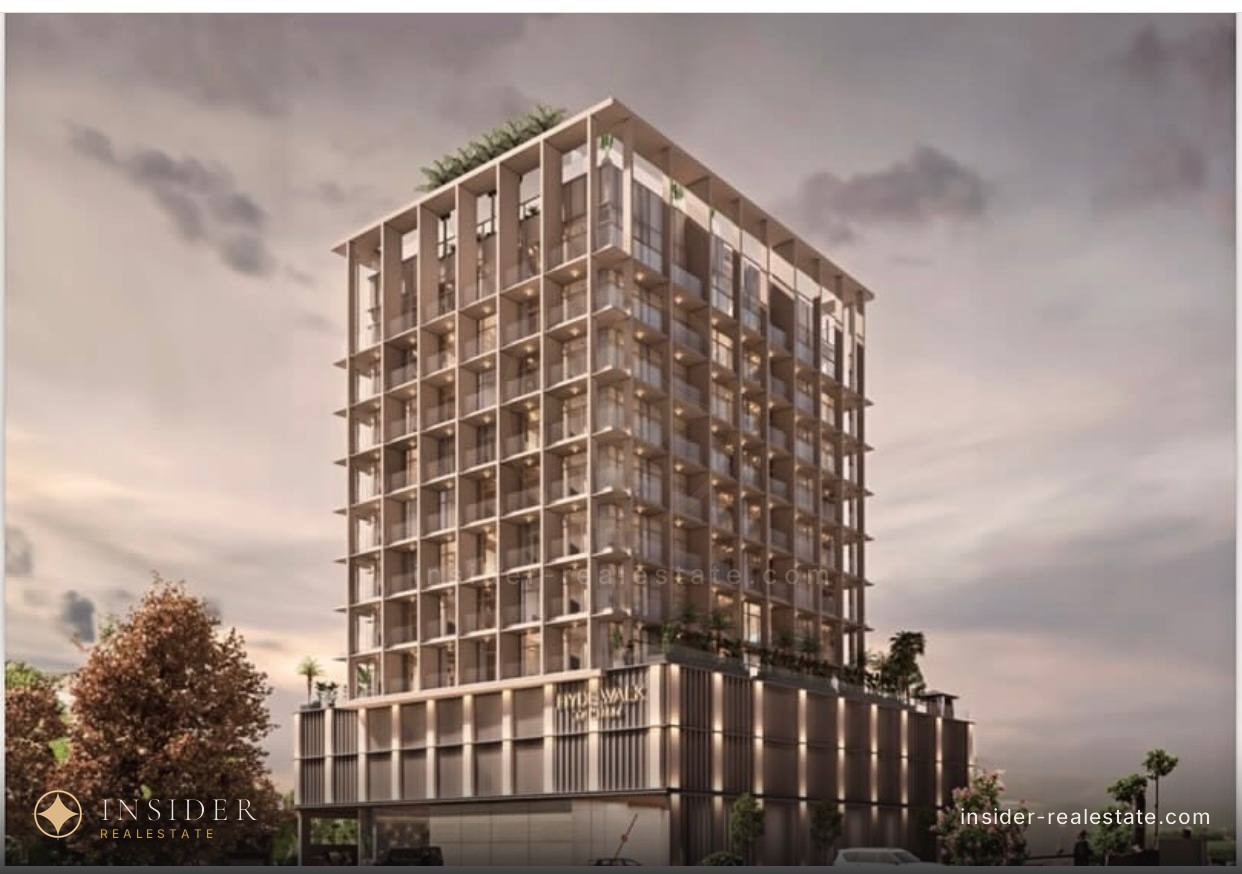
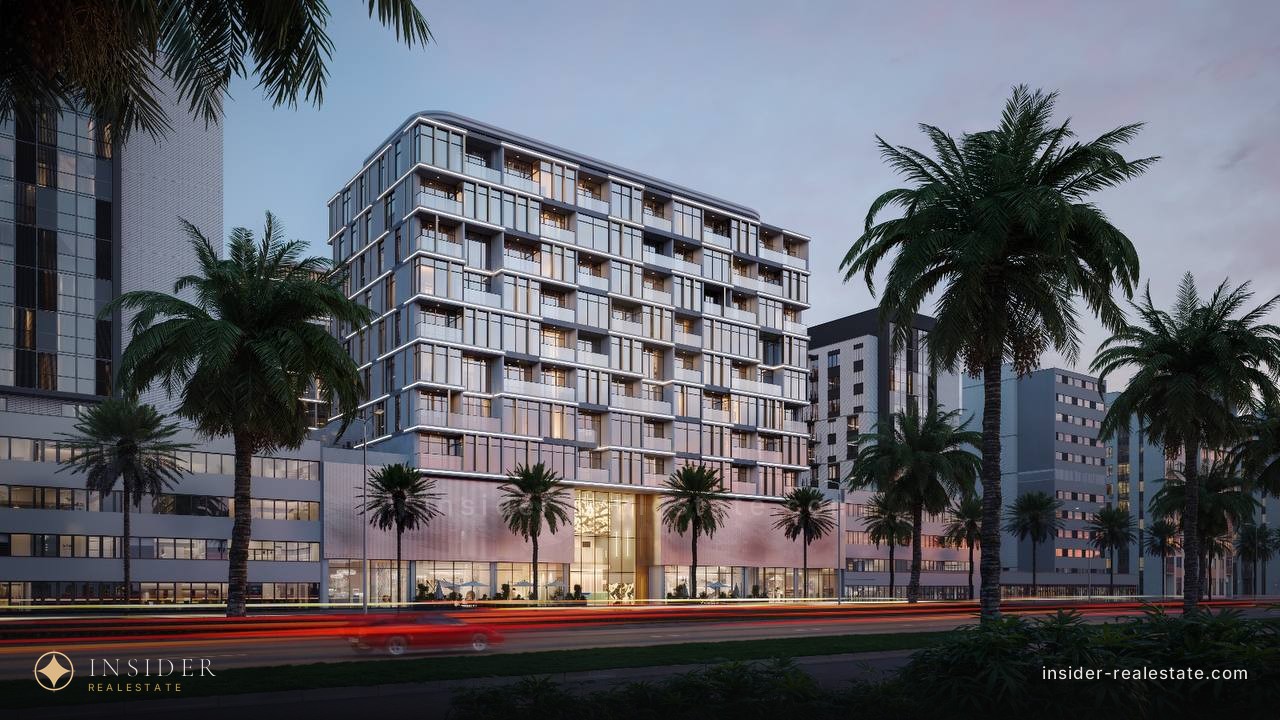
All districts →Projects in Al Satwa
All projects in Al Satwa →
Al Satwa in the news

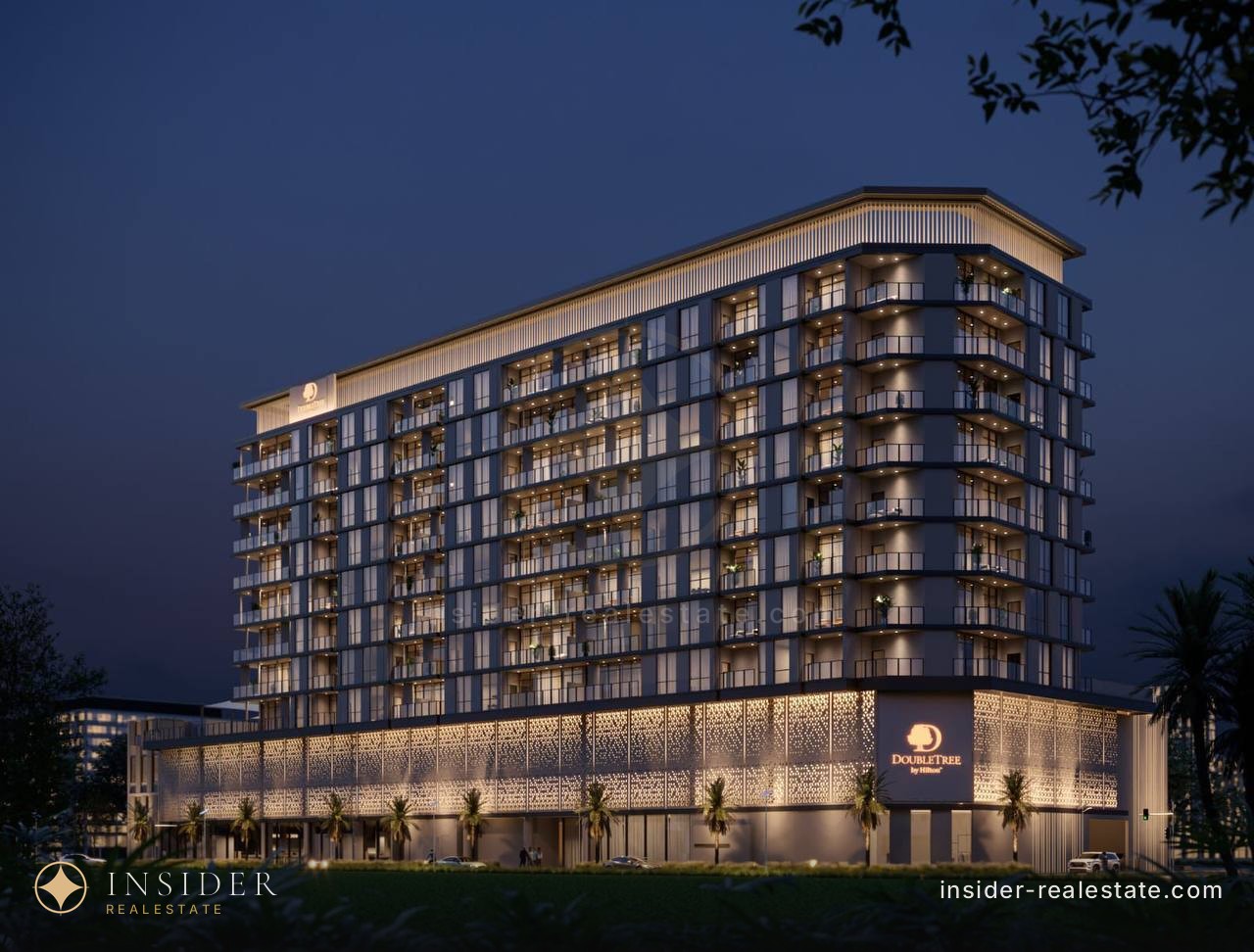
Jumeirah Garden City off-plan: Mayfair Gardens by Majid Developments hands over in autumn 2026
Mayfair Gardens, Majid Developments’ first Dubai building, has 64 homes (24 studios, 40 one-bedrooms) launched in 2024 from AED 875,000. Handover slipped from Q2 to September 2026. What the delay means, and what to check before you sign the handover papers.

Al Satwa: a central district where a foreign buyer may find nothing to buy
A dense older quarter minutes from the centre. Before price, establish whether the specific plot is open to foreign ownership at all — often it is not.
Al Satwa property: an old central quarter as the city rebuilds around it
Dense housing from past decades, surrounded by new projects. The neighbourhood lifts the value and adds uncertainty at the same time — and an owner needs to understand both.
Looking at Al Satwa specifically?
Name the Al Satwa building or unit you are looking at, and I will pull its registered sales history, today's service charge and the rents comparable units actually achieve — before you offer, not after.
Ask on WhatsAppAsk a question
Telegram is the fastest way — I answer personally.
Message on Telegram