What Business Bay became
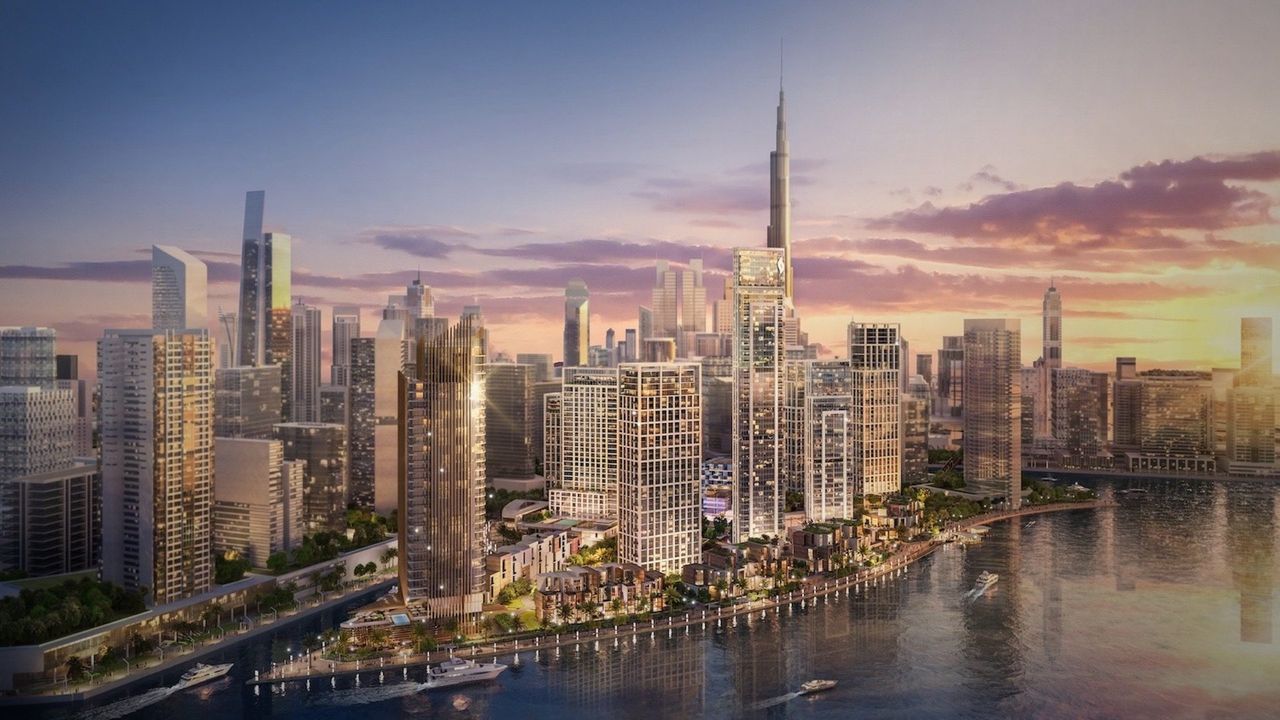
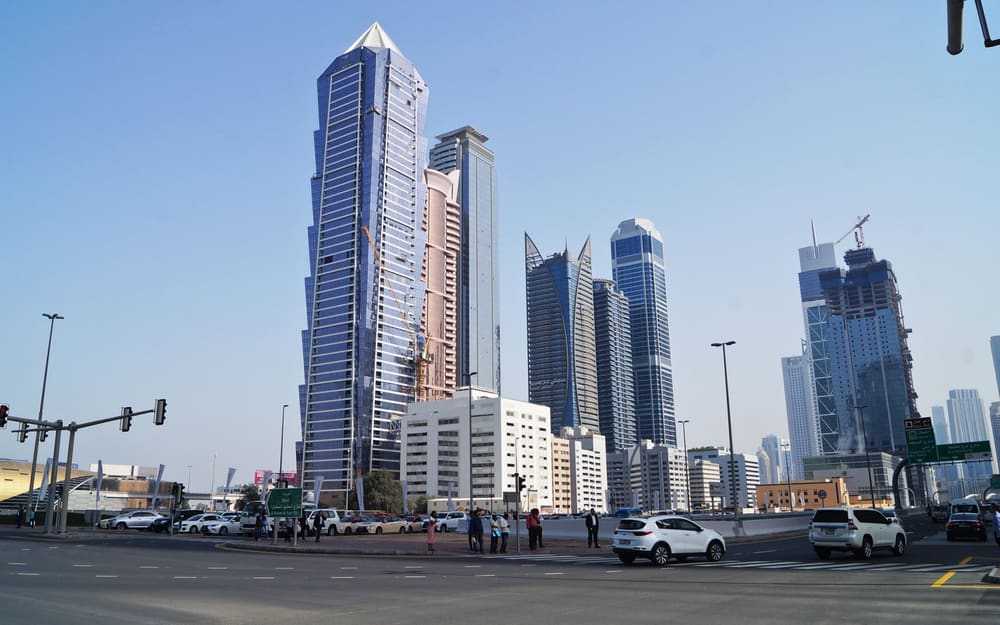
Business Bay was master-planned as a commercial extension of Downtown — an office district on the far side of the water. What actually got built was predominantly residential, plot by plot, by dozens of different developers over twenty years. The result is a district with no single architectural character, a very wide quality range between buildings, and a peculiar mix of towers, low-rise offices and hotel apartments.
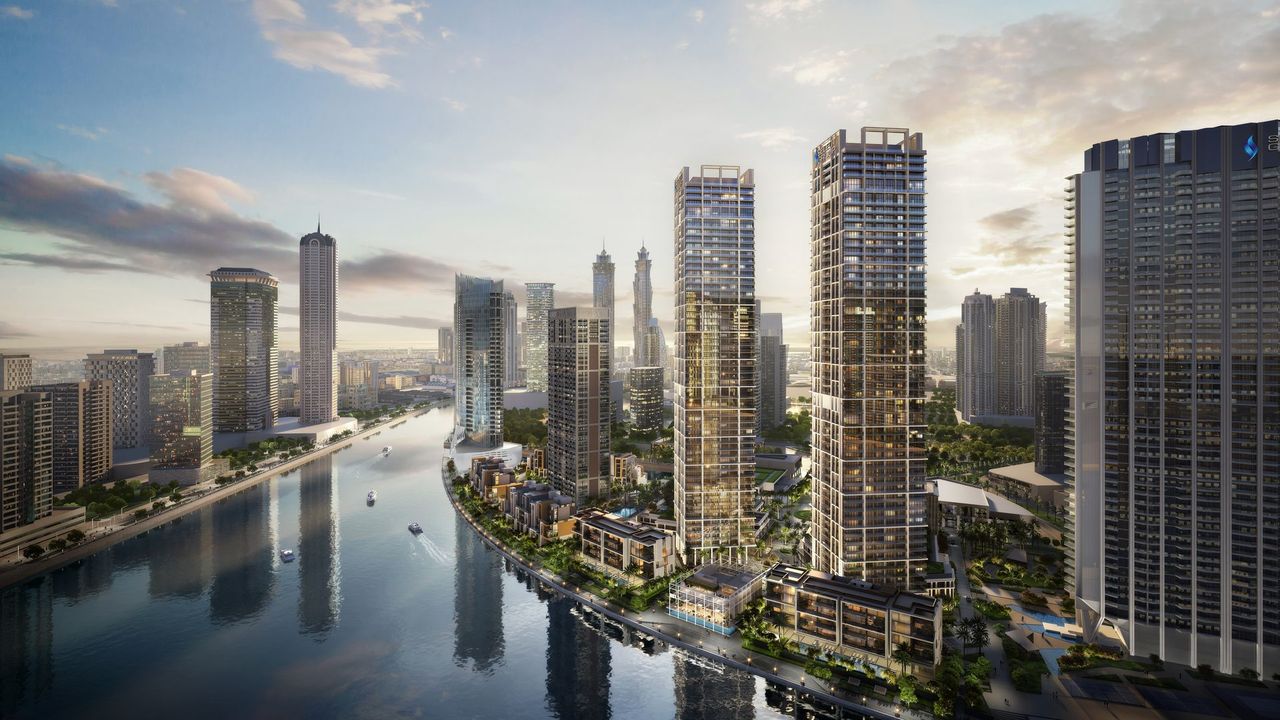
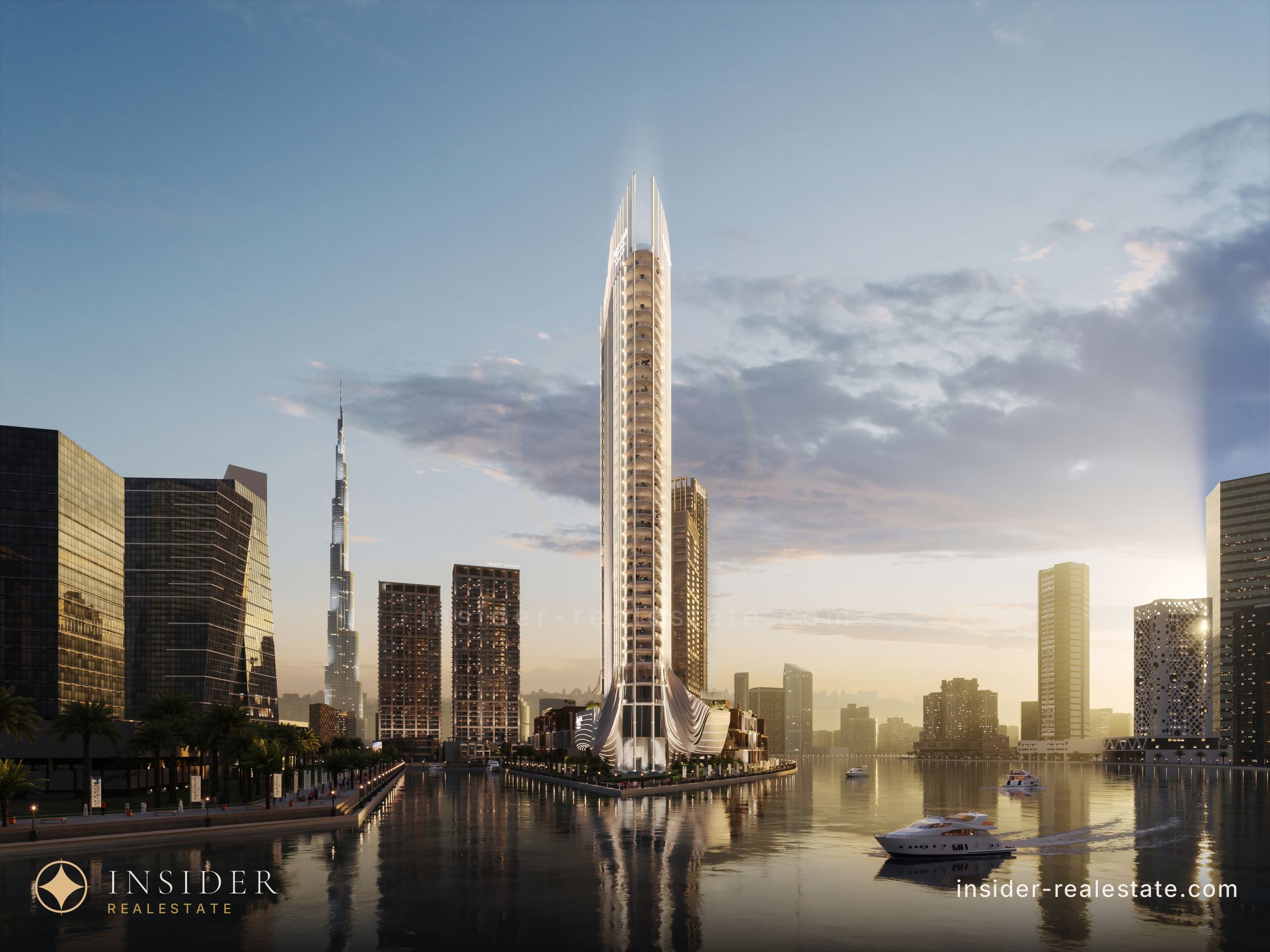
The Dubai Water Canal runs through it and loops around the southern tip, which is the district’s best feature. The canal promenade has become one of the genuinely pleasant public spaces in central Dubai, and the plots that front it carry a real and durable premium.
It sits directly across the bridge from Downtown, one exit down Sheikh Zayed Road from DIFC, and has its own red-line metro station. For a central district, the entry price is materially below Downtown for what is, functionally, the same location.
Who lives here
Business Bay has one of the deepest tenant pools in Dubai. Young professionals, couples, remote workers, and a substantial short-let population drawn by the canal and the proximity to Downtown. That depth is why the district absorbed an enormous volume of new supply through the 2020s without the collapse people predicted.
It is not a family district in the way Dubai Hills or Jumeirah are. There are few schools, the streets are not designed for children, and the amenity mix skews towards cafés and gyms rather than parks. Families do live here, but they are the minority.
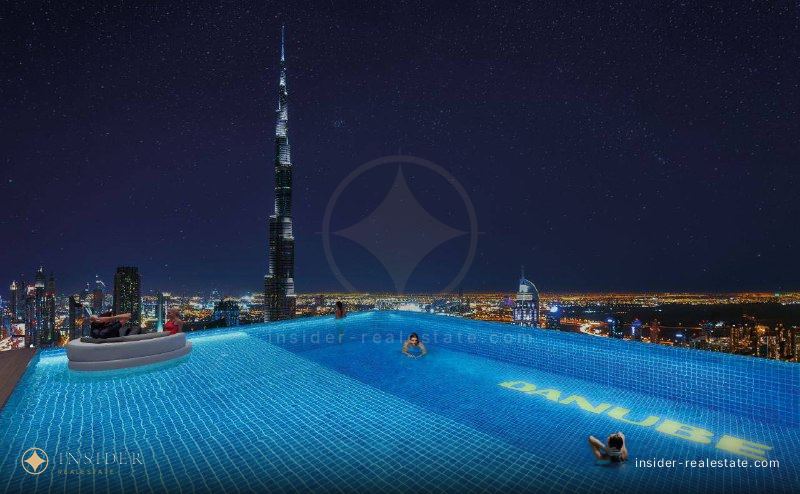
The short-let market is significant and growing. Canal frontage, a Burj Khalifa skyline in the middle distance and a fifteen-minute walk to Downtown make it an easy sell to a visitor, at a nightly rate below Downtown proper.
The building lottery
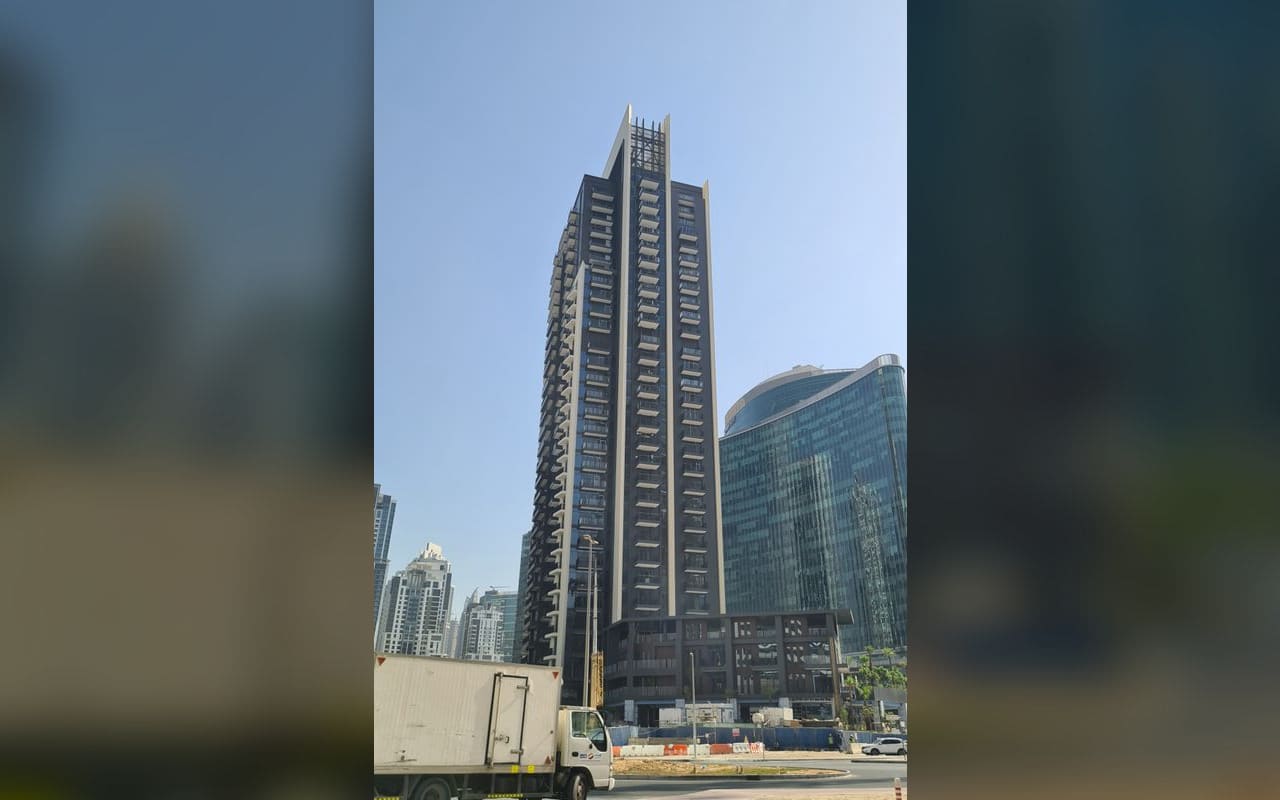
This is the single most important thing to understand about Business Bay: the district average tells you almost nothing, because the variance between buildings is enormous. Two towers on the same street can have completely different service charges, maintenance standards, lift performance and owners association competence.
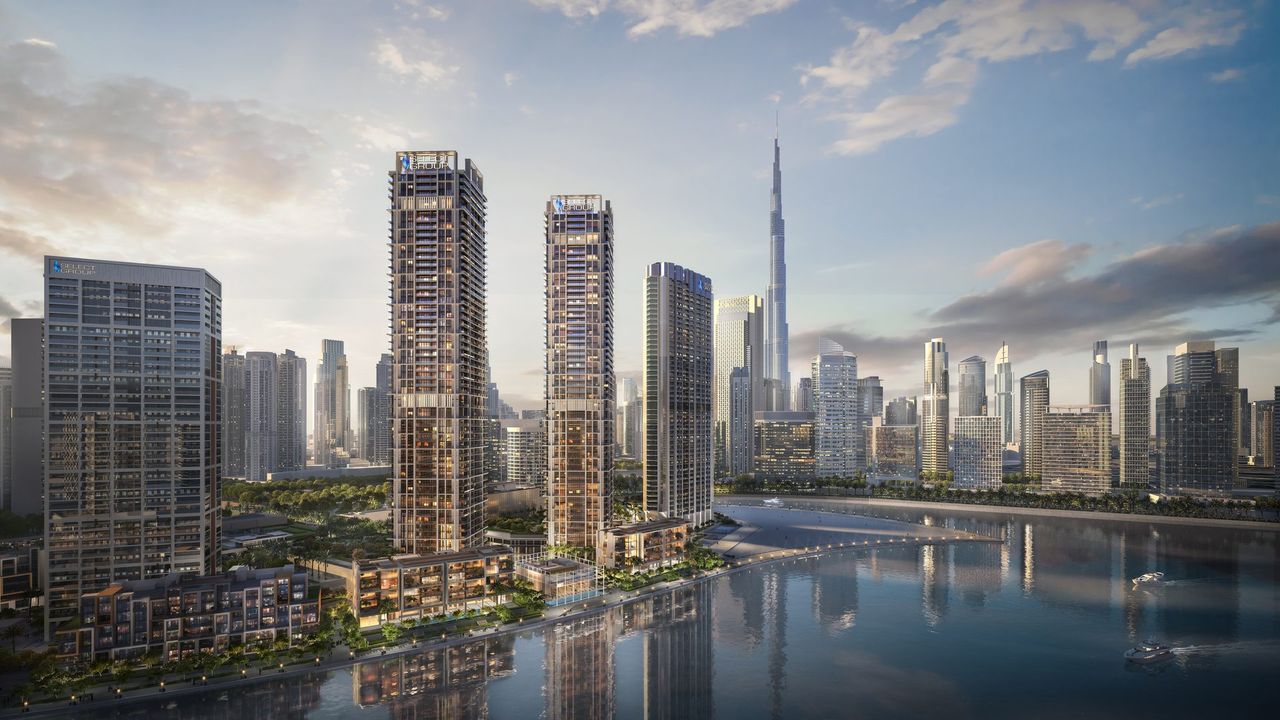
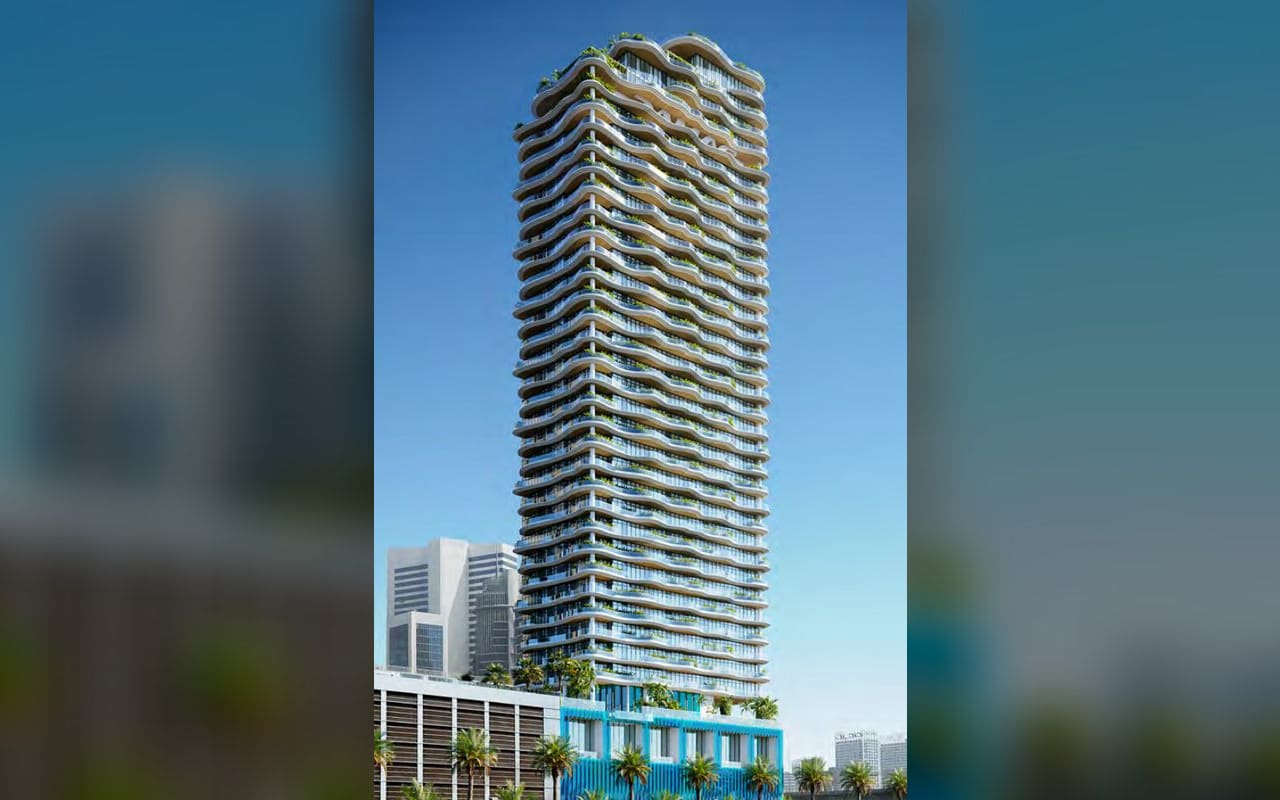
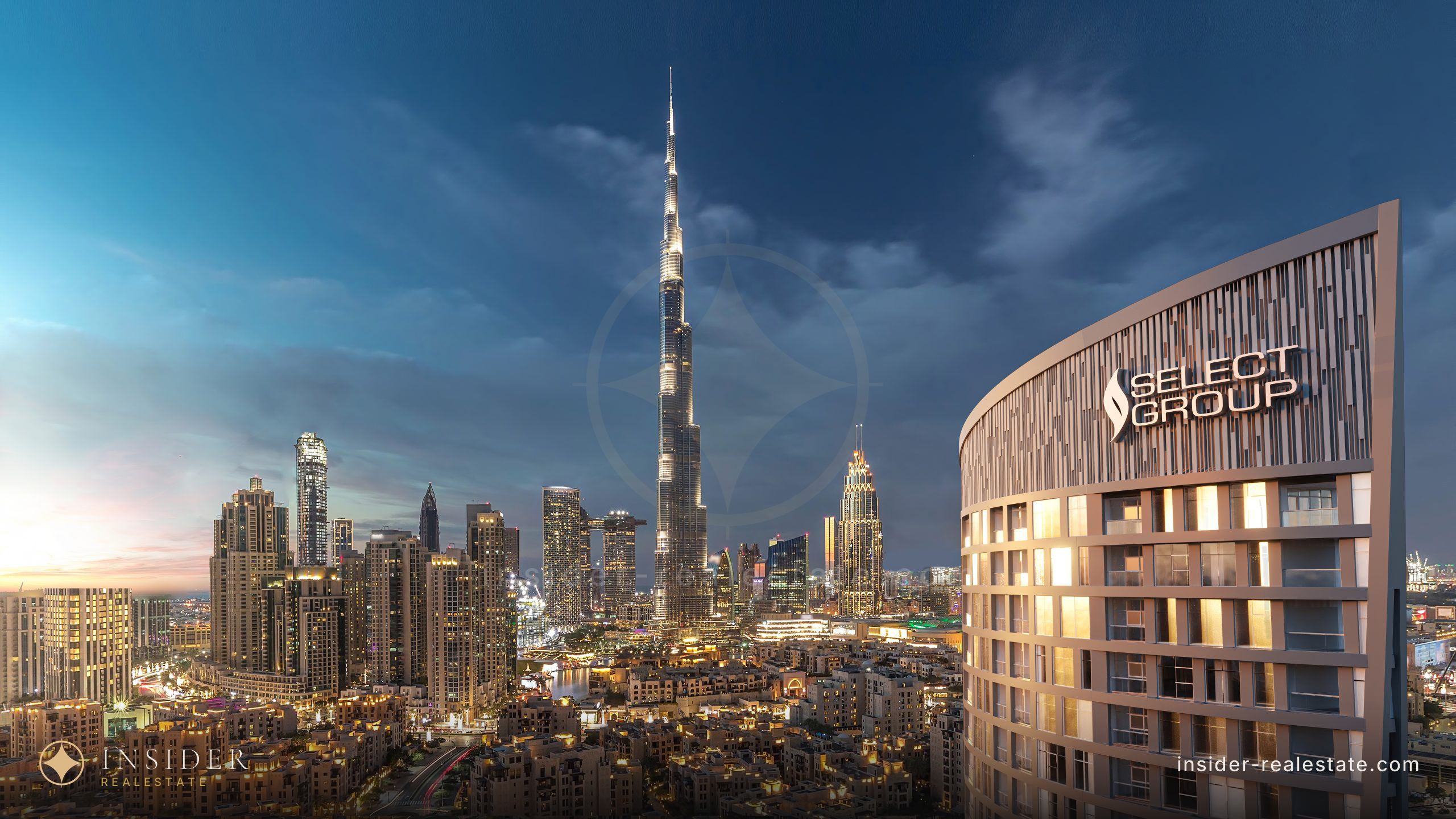
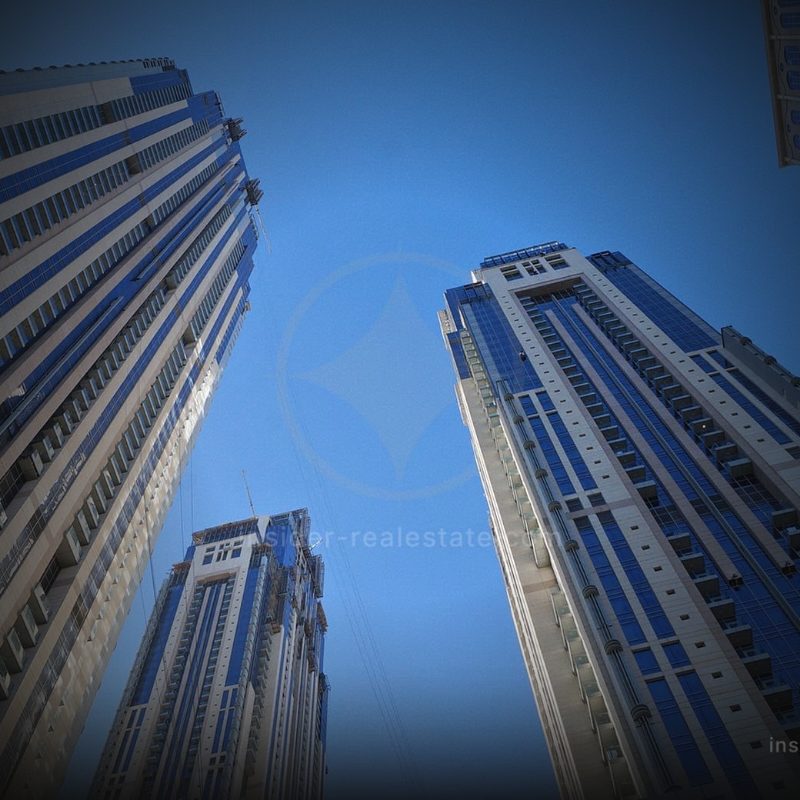
Some of the mid-2010s stock was built quickly and cheaply, and it shows — recurring maintenance problems, contested service charges and management companies that do not manage. Some of the newer towers, and the Select Group and premium developer product in particular, are excellent.
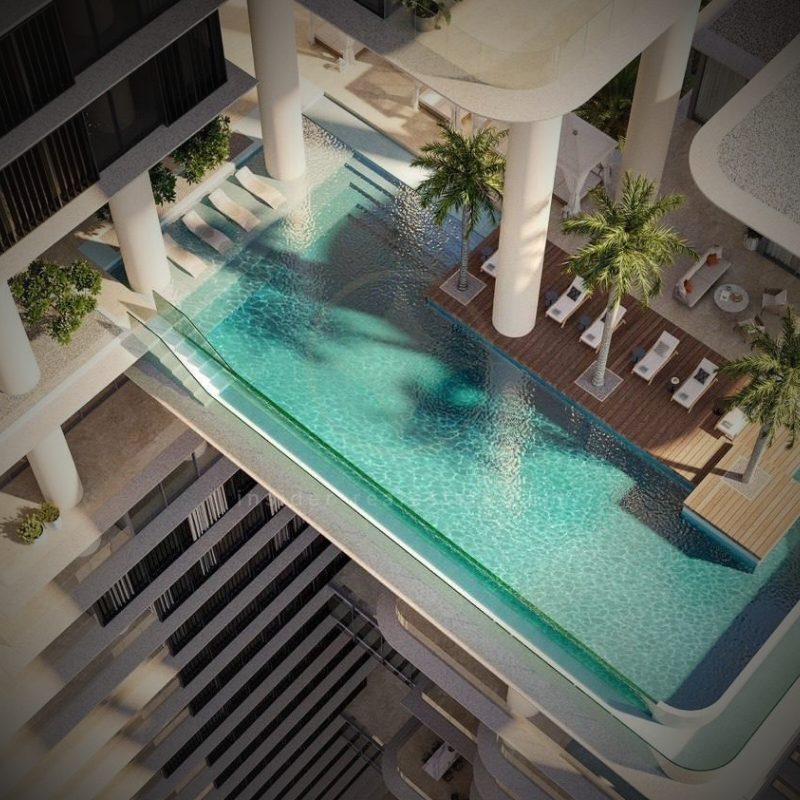
The practical advice is unglamorous: walk the building on a normal weekday before you buy. Look at a corridor on a random floor, wait for a lift at eight in the morning, look at the pool at four in the afternoon. Then ask for the service charge history. That hour will tell you more than every brochure combined.
The canal and the Peninsula tip
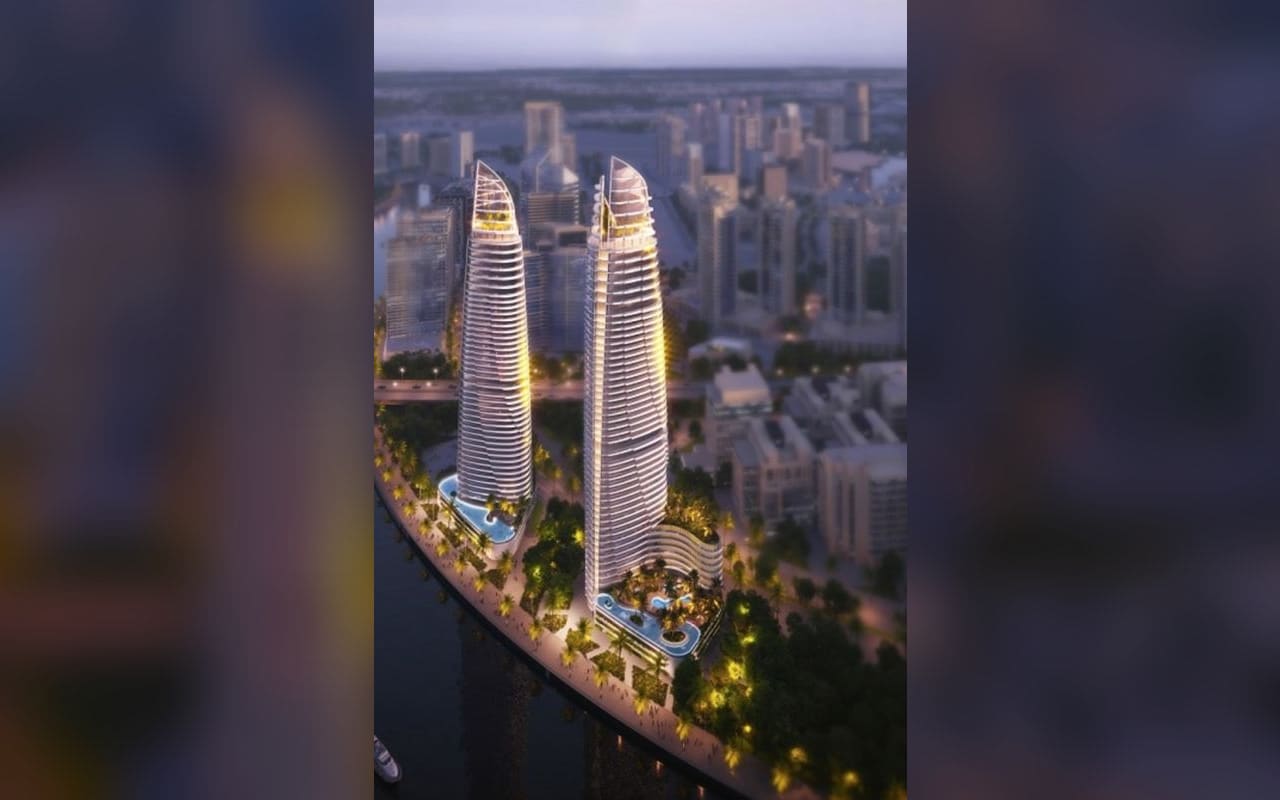
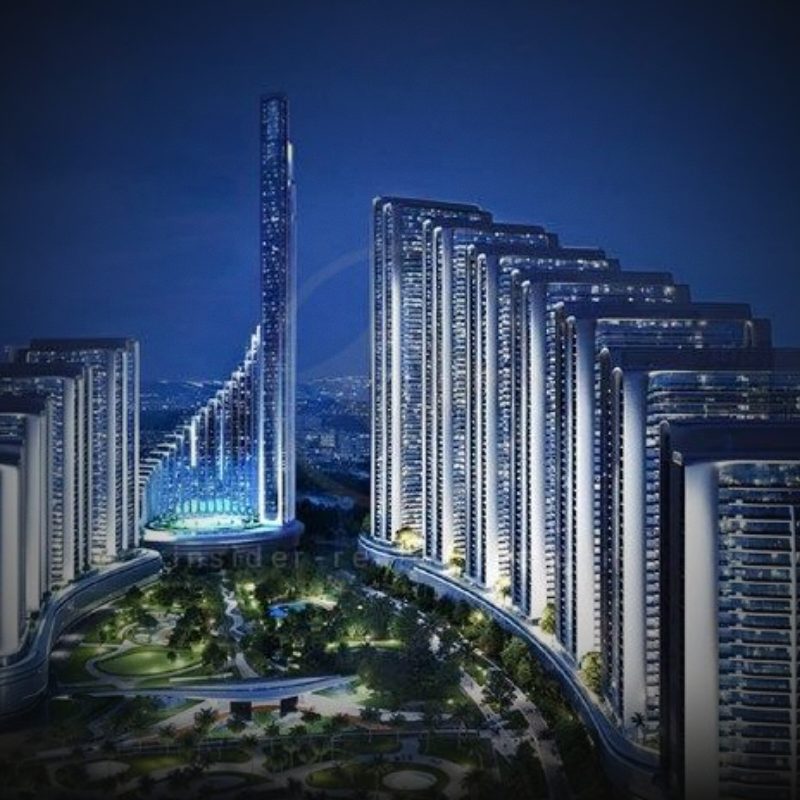
The canal-fronting plots are the best part of the district, and the tip where the water wraps around three sides — the Peninsula masterplan by Select Group — is the best part of that. The reason is view protection: on a peninsula there is no adjacent plot left to build on, which in a district where residents have repeatedly lost their outlook to a new tower is worth real money.
Elsewhere in Business Bay, always ask what is planned on the neighbouring plots. The district is not finished, and a view that exists at purchase can disappear within three years. The masterplan and current permits are checkable, and checking them is worth the hour.
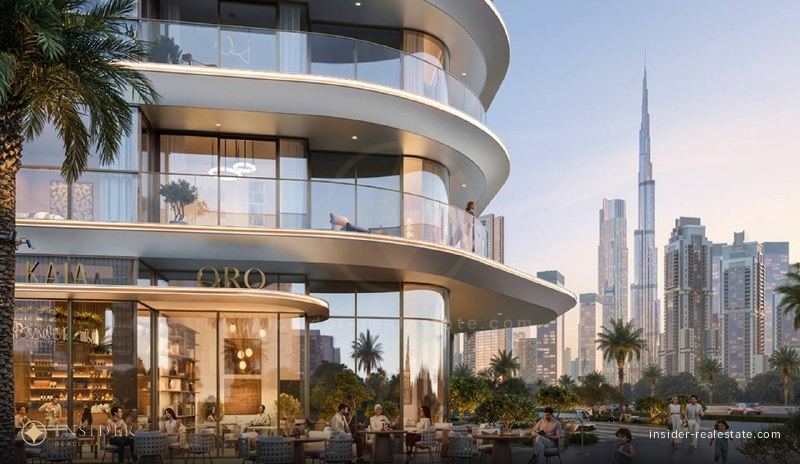
Canal-facing stacks in any building carry a premium over internal ones, and the premium is justified — both at letting and at resale. Internal-facing units are where the discounts are, and they are a legitimate buy provided you accept that you will sell them at a discount too.
Traffic, parking and the practical stuff
Traffic is the honest complaint. Business Bay funnels onto a small number of exits and the morning peak is real. If your tenant commutes by car towards Jebel Ali, factor that into what they will pay.
Metro on the red line helps, though the walk from the station to the far side of the district is long in summer. Many buildings are genuinely a taxi ride from the platform rather than a walk.
Parking allocation varies by building and is worth confirming, particularly for studios. The newer towers are generally adequate; some of the older ones are not.
Day-to-day amenity is good and improving: supermarkets, clinics, an increasingly serious restaurant scene along the canal, and Dubai Mall a bridge away.
The investment case
Business Bay is the value alternative to Downtown, and that is a durable position. Same skyline, same central location, materially lower entry cost, and a tenant pool deep enough to absorb supply.
Gross yields sit around or slightly above the Dubai average, with mid-market towers frequently outperforming the premium ones on a rent-to-price basis. Short-let works well on the canal-facing units.
The risk is buying the wrong building. In a district with this much variance, the difference between a well-run tower and a badly run one over a five-year hold is larger than the difference between Business Bay and any neighbouring district. Do the building-level work.
The district by the numbers
Business Bay covers about six square kilometres and houses a population above two hundred thousand, which makes it one of the most densely inhabited districts in the emirate.
It was master-planned on a Manhattan logic — a dense commercial grid beside the existing centre — and the Dubai Urban Master Plan 2040 lists it among the five main urban centres of the city.
The Dubai Water Canal was widened and deepened through the district and now carries roughly six and a half kilometres of promenade, which is the single largest change to how the area functions since it was built.
The red metro line serves it, and the drive is around ten minutes to the Burj Khalifa, fifteen to DIFC and eighteen to Dubai International.
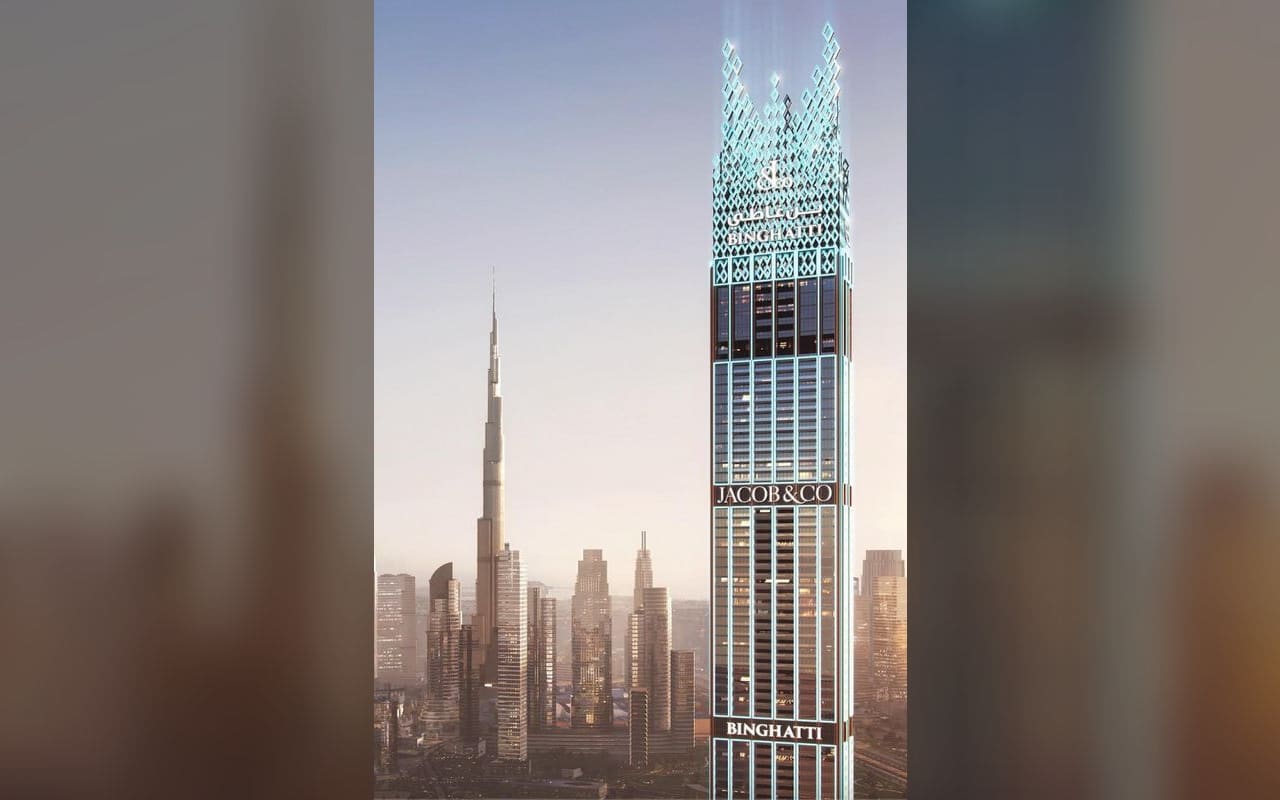
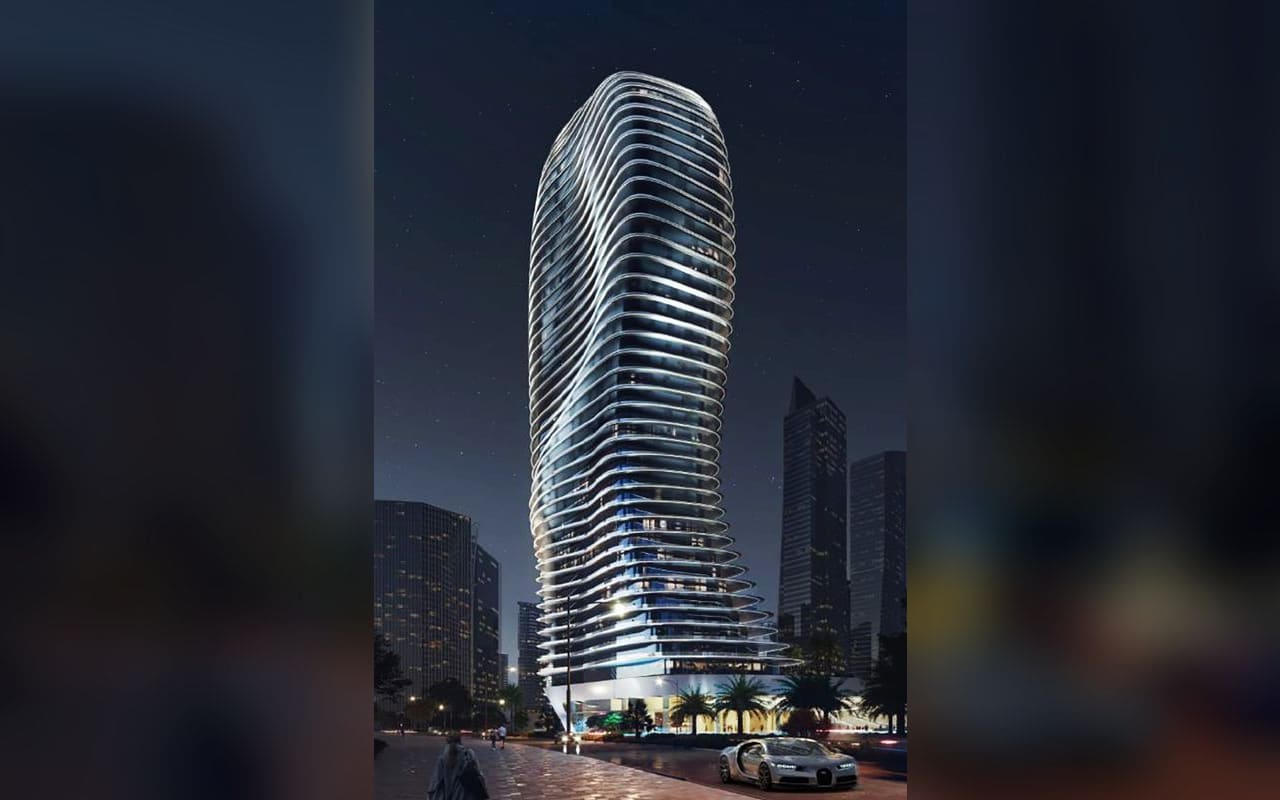
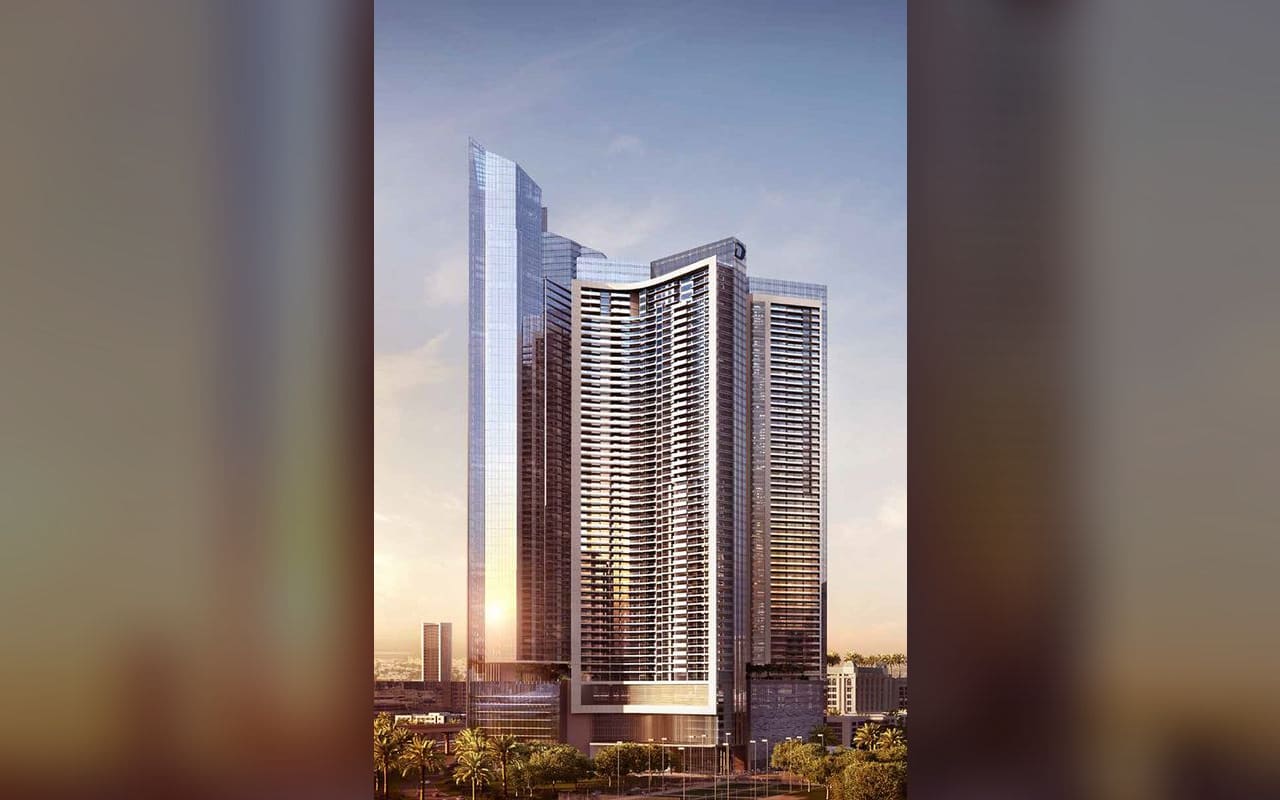
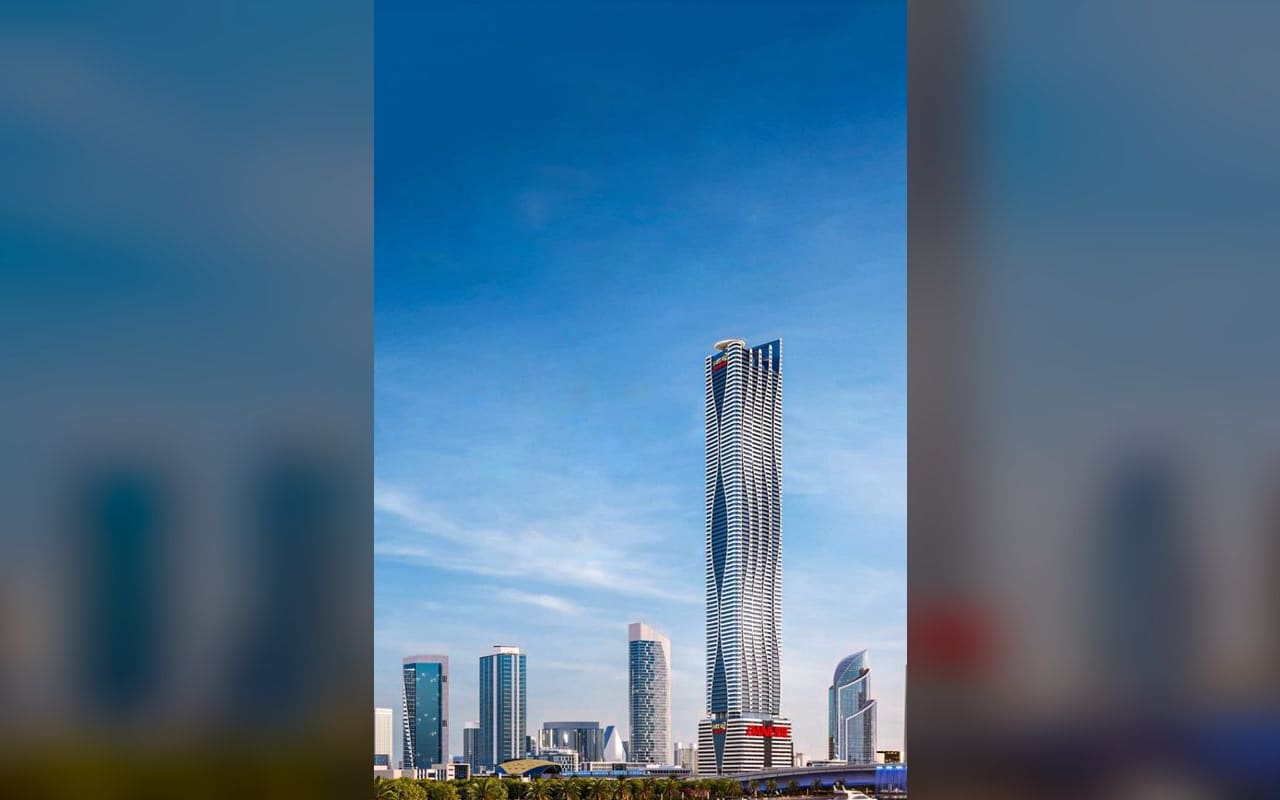
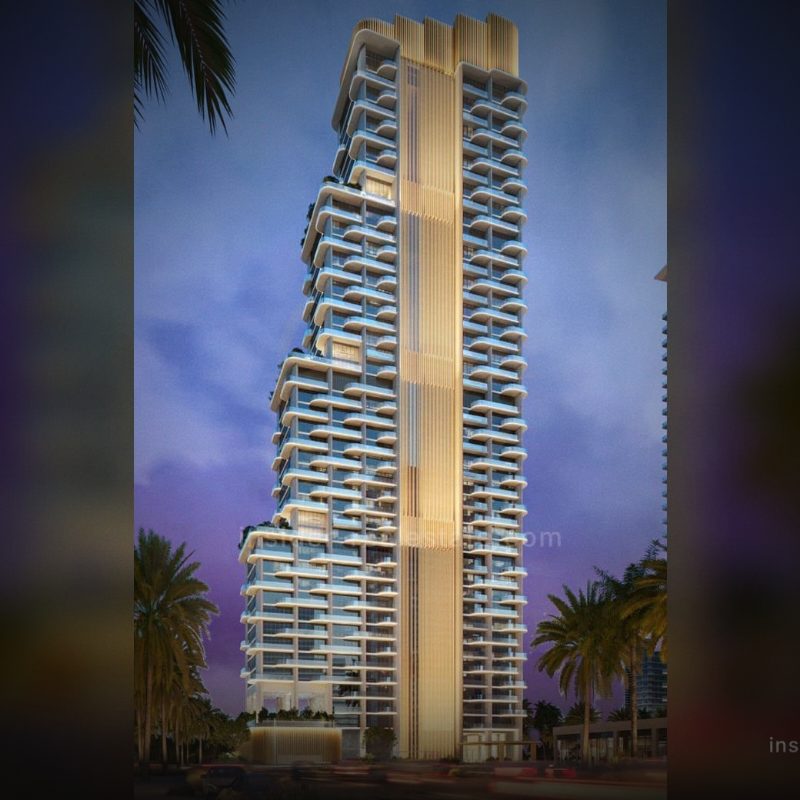
It is also one of the tallest districts in the city, with the 122-storey Tiger Sky Tower and the 472-metre Burj Binghatti Jacob & Co Residences under construction, and it holds The Opus — the only building in the world designed by Zaha Hadid inside and out.
On the commercial side more than seventeen thousand companies are registered here, and the district has consistently ranked among the top three in Dubai by office transaction volume.