What JVC is
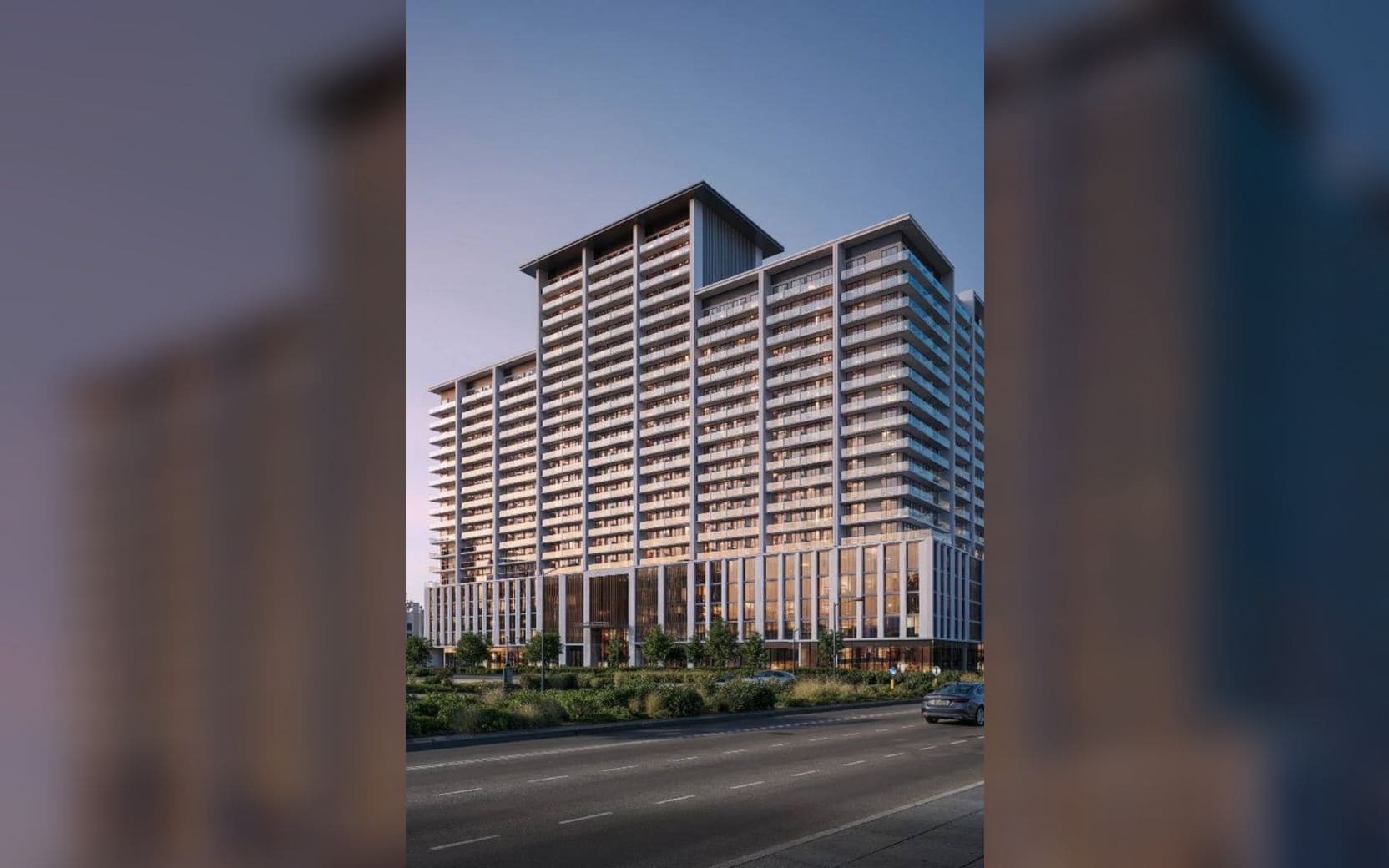
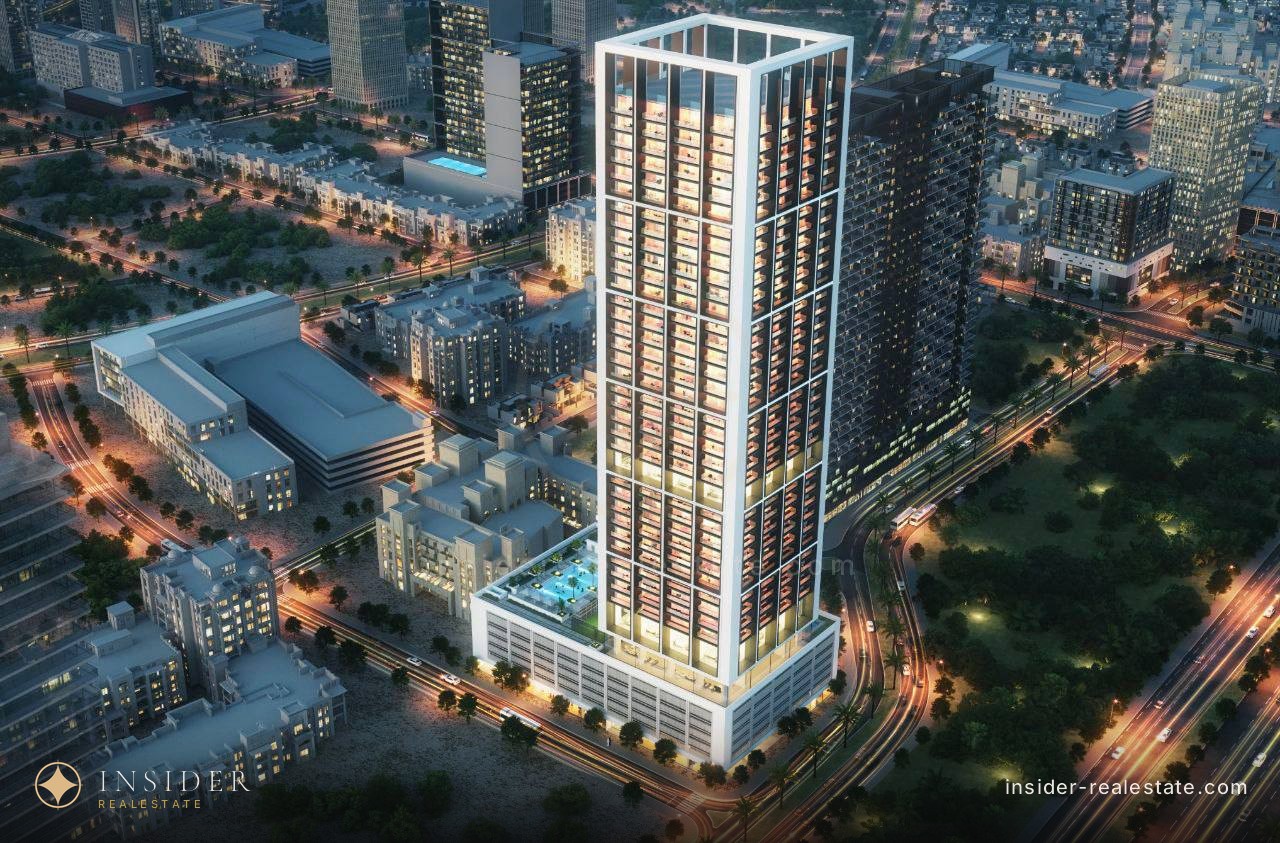
Jumeirah Village Circle is a large residential district laid out in a circular street pattern between Al Khail Road and Sheikh Mohammed Bin Zayed Road, roughly midway between Marina and Downtown. It is predominantly mid-rise apartment buildings, with a minority of townhouses and villas.
It has been the highest-transaction-volume apartment district in Dubai for several years, and that is not a marketing artefact — it reflects genuine, sustained demand at both the tenant and the buyer level.
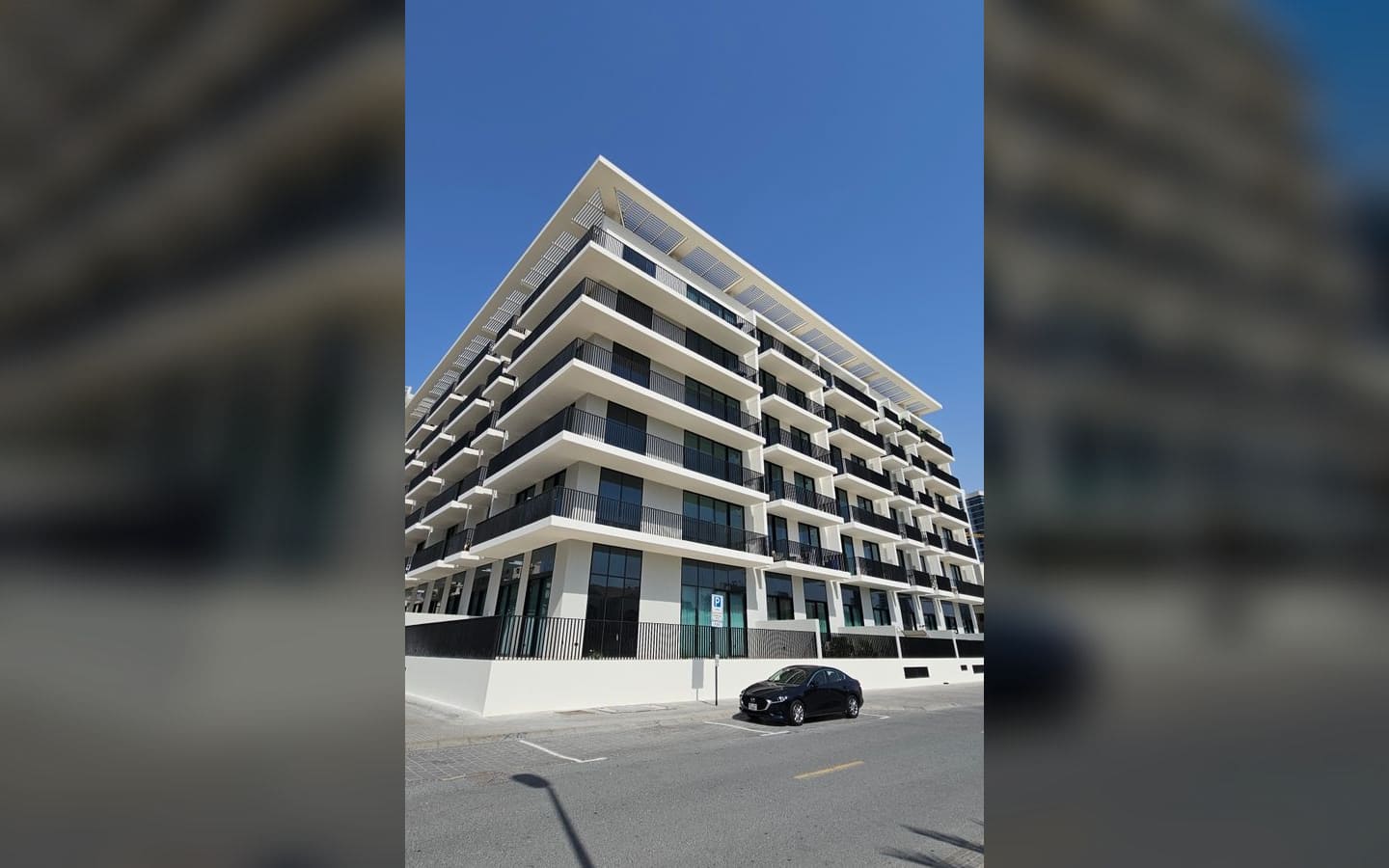
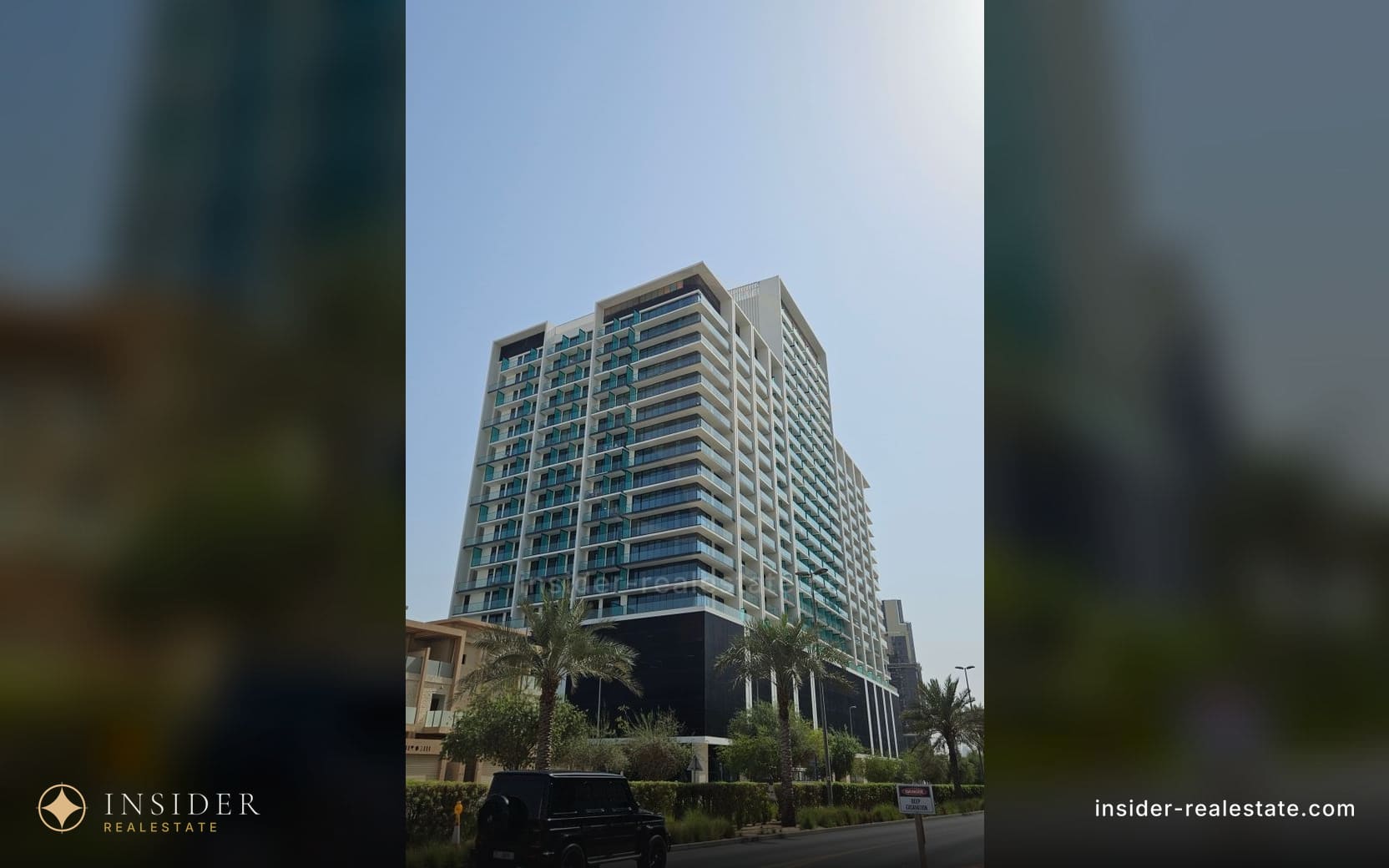
The district was master-planned by Nakheel but built out by dozens of individual developers on separate plots, which is why the architecture is inconsistent and the building quality varies enormously.
Why it works
Four things. Location that is central-ish: fifteen to twenty minutes to Marina, twenty to twenty-five to Downtown, in the middle of the western half of the city where most of the jobs are.
Entry prices well below the coastal districts, which means the rent-to-price ratio is favourable and gross yields sit at the upper end of the Dubai range.
A genuinely large and diverse tenant pool — young professionals, couples, small families, sharers — drawn by the same combination of location and affordability.
And a wide range of product, from studios to four-bedroom townhouses, which means the district serves multiple budgets rather than one.
The supply problem
JVC is the most heavily supplied district in Dubai. New buildings hand over constantly, and each one competes with every existing landlord for the same tenants.
The practical effect is that rent growth here is capped. When rents rise, developers build, and the new supply pulls them back. That is why JVC is a yield district rather than an appreciation one.
It also means your unit is always competing against something newer. Presentation, furnishing and pricing discipline matter more here than in a supply-constrained district.
The building lottery
This is the single most important thing to get right in JVC. With so many developers building independently, quality ranges from genuinely good to genuinely poor, and the district average conceals both.
Common problems in the weaker buildings: unreliable lifts, chiller and cooling disputes, poor sound insulation between units, inadequate parking, and owners associations that cannot fund maintenance.
Common strengths in the better ones: efficient layouts, proper natural light, adequate parking, and management companies that actually manage.
The only way to tell them apart is to look. Visit on a normal weekday, walk a corridor, check the parking, and pull the service charge history. That hour determines your return more than the purchase price does.
Practical constraints
No metro, and none planned. JVC is a car district and parking allocation directly affects lettability.
The circular street layout is genuinely confusing and internal traffic is poor at peak, with a limited number of exits serving a very large population.
Everyday amenity has improved substantially — supermarkets, clinics, nurseries, a growing restaurant scene — but there is no district centre and no substantial retail. Residents drive to Mall of the Emirates or Circle Mall.
Schools exist in and around the district, though the choice is narrower than in the family communities.
How to buy here properly
Target one-bedrooms rather than studios. The tenant pool is wider, letting is faster, resale is easier, and the price gap is usually smaller than the rent gap.
Insist on a parking bay. In a district with no metro, a unit without one lets at a meaningful discount.
Buy the building, not the district average. A well-run tower with a competent owners association will outperform a cheaper one by more than the price difference over five years.
And be realistic about the exit: you will sell to another investor running the same spreadsheet, not to somebody who fell in love with the view.
Circle Mall and what changed with it
For most of its life JVC had no centre. It had supermarkets tucked into building podiums, a scattering of restaurants and nothing that functioned as a destination, which was the district’s most cited weakness.
Circle Mall changed that materially: a full retail centre with a supermarket, cinema, food court and clinics, positioned inside the district rather than a drive away.
The effect on rents was real but modest, and it was concentrated in the buildings within walking distance. What it did more decisively was remove an objection — tenants who would previously have discounted JVC for lack of amenity stopped doing so.
It also gave the district something JVC never had: a reason for people to be there who do not live there, which over time is what turns a dormitory area into a neighbourhood.
The townhouse pocket
JVC is overwhelmingly apartments, but it contains a minority of villas and townhouses, mostly in the district’s interior, and they behave quite differently from the towers.
They let to families who want a garden at a price the villa communities cannot match, with a central-ish location the outer-ring communities cannot match either. Tenancies run long and churn is low.
Percentage yields are lower than the apartments and resale takes longer, because the buyer pool for a JVC townhouse is narrower than for a JVC one-bedroom.
For an investor who wants a house-type asset without paying Arabian Ranches prices or accepting a forty-minute commute, it is one of the more overlooked pockets in the city.
Managing the supply problem
The single structural fact about JVC is that it never stops building. That caps rent growth permanently and means your unit competes against something newer every year.
The practical response is to buy the things that do not go out of date: a good layout, real natural light, a parking bay, a balcony that is usable, and a building whose owners association funds maintenance.
Avoid the things that do: a dated finish is a discount at every renewal, and in a district where the tenant has fifty alternatives at the same rent, presentation decides who lets first.
And plan the exit around other investors. Nobody buys in JVC because they fell in love with it, so the sale price will be whatever the arithmetic supports — which is a reason to buy well rather than to hope.
The district by the numbers
Jumeirah Village Circle covers 8.7 square kilometres divided into six districts, laid out on a radial-circular street plan that Nakheel set as master developer. Most of the individual buildings, however, were delivered by independent developers — Iman, Binghatti, Imtiaz, Object 1 and dozens of others — which is the source of both the choice and the quality variance here.
Circle Community Park sits at the centre with Nakheel villas around it, and the district holds more than thirty landscaped parks in total.
Circle Mall runs to 49,000 square metres with around 80 shops, 40 restaurants and a trampoline park — the amenity the district lacked for its first decade.
Seven international schools sit within a ten-minute drive, which is why the family share of the tenant base has grown steadily.
Roughly 200 projects are complete and more than 100 remain in development, and the district borders Dubai Sports City, JVT and Al Barsha, with Dubai Marina about fifteen minutes away.