Geography and scale
The emirate covers 2,478 square kilometres with a population of about 400,000 as of 2023, of whom roughly 37% are UAE nationals — a markedly higher share than the national average. Dubai is about an hour away by car.
The landscape is the most varied in the country: 64 kilometres of beaches, Jebel Jais (the highest mountain in the UAE), mangroves and desert, all inside one emirate.
The economy is built on non-oil sectors. The free economic zones offer 100% foreign ownership, capital repatriation and zero duties on imports and exports.
By 2030 the emirate plans to receive three million tourists a year, and the entire current investment programme is subordinated to that target.
The casino as a catalyst
Ras Al Khaimah is the first emirate in the UAE where a casino will operate. The Wynn integrated resort, with roughly 1,500 hotel rooms, is scheduled to open in 2027, and a federal gaming regulator has been established.
This is the only genuine structural catalyst in UAE real estate outside Dubai, and it explains almost all investor interest in the emirate over the past few years.
The mechanism is straightforward: an integrated resort creates jobs, visitor volume and a service economy around it, and that supports both rents and prices. The nearest reference case is Singapore, where a comparable effect played out over roughly a decade.
The necessary caveat: one resort is not Las Vegas. The effect will be real, gradual and concentrated around Al Marjan Island rather than spread across the emirate.
Al Marjan Island
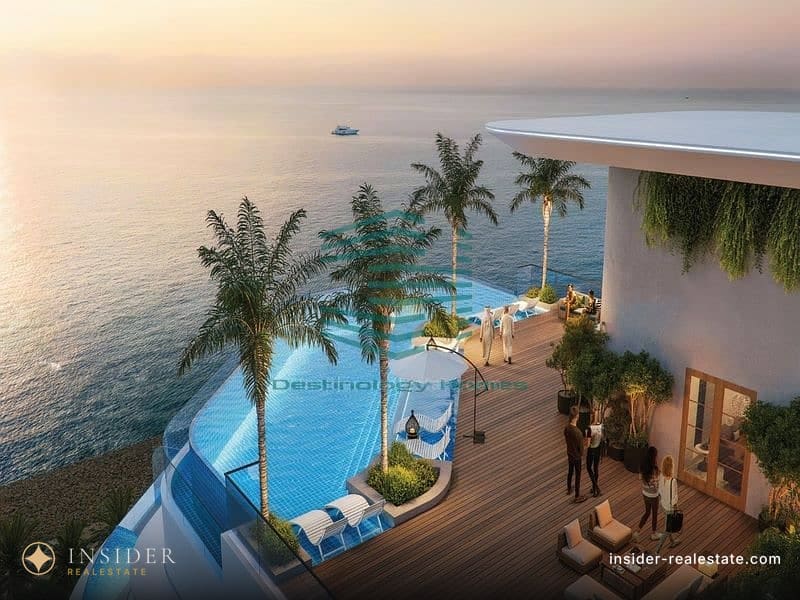
A man-made archipelago off the coast, this is the emirate's principal investment destination and the site of the integrated resort.
Land here is finite: these are reclaimed islands with a fixed outline, and their area cannot quickly be expanded. Combined with the catalyst, that is a rare pairing in the region.
Hotel operators are moving onto the island in numbers, and that is the most reliable signal available: professional capital believes in the location.
The flip side is that the entire investment case rests on whether the tourism transformation actually happens. If it arrives slower or only partly, prices that have already priced in the full effect will correct.
What the property market looks like
Foreign nationals own outright, and there is no income tax on rental income.
Completed waterfront property still costs materially less than in Dubai, though the gap is narrowing: prices have risen on the back of demand and in some years have added double digits.
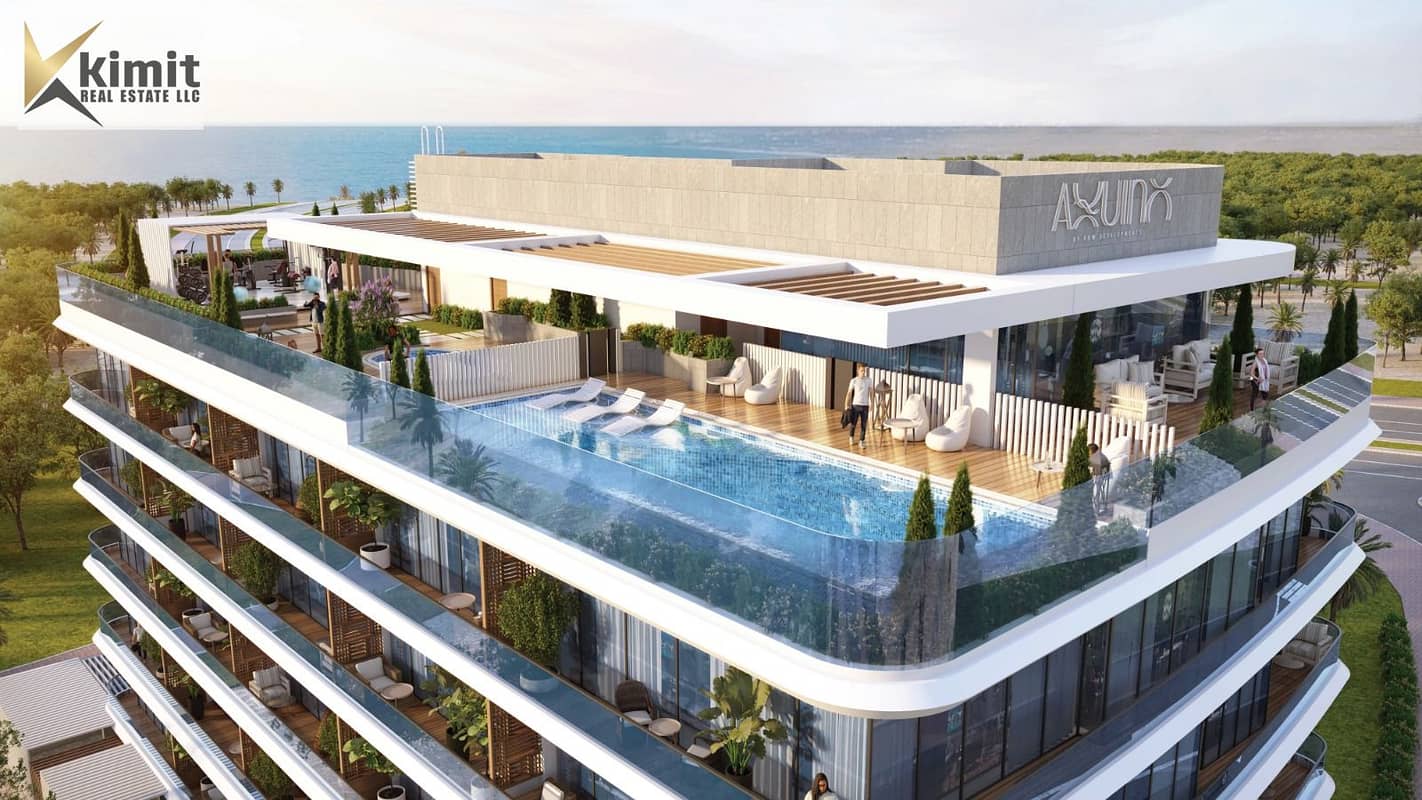
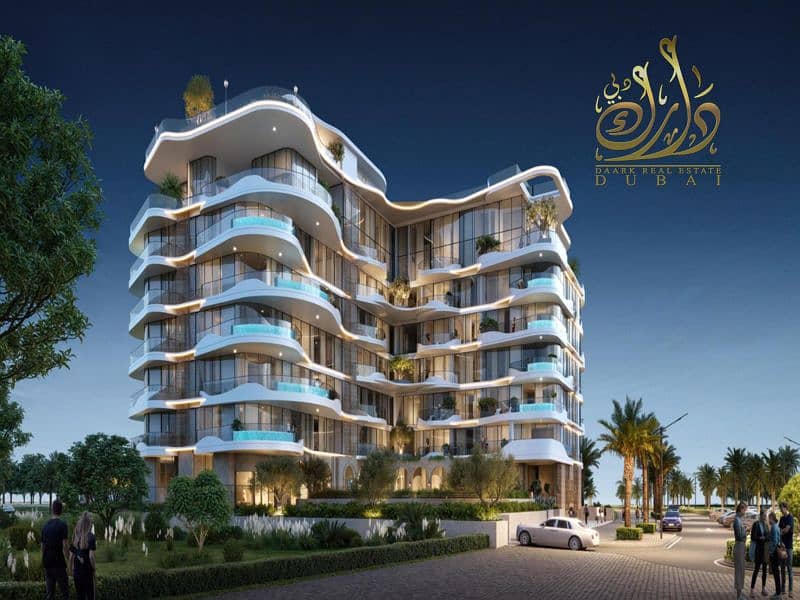
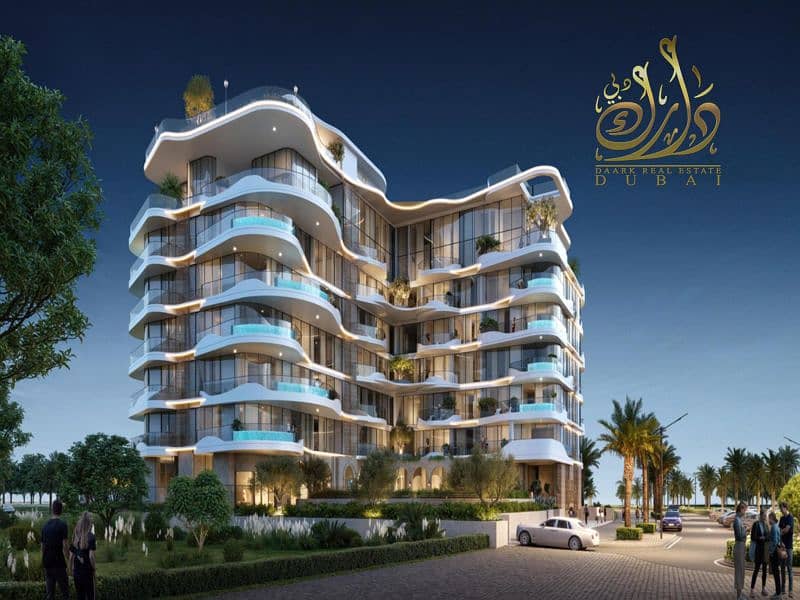
The island carries branded projects — residences operated by hotel groups and Italian fashion houses — and those define the top of the emirate's market.
Liquidity is substantially thinner than Dubai's. The buyer pool is smaller, public transaction data is scarcer, and exiting takes longer.
How to approach it
Treat it as a growth bet with a real catalyst and real execution risk, not as a substitute for a Dubai asset.
Size the position accordingly: for most buyers this is a satellite alongside a Dubai core, not the core itself.
Verify the timeline and status of the specific project against official records rather than the brochure — and separately, verify what has actually been built around the plot today.
And remember why yields are higher here: they compensate for illiquidity, for thinner data, and for a thesis that still has to play out.
What exists beyond Al Marjan
Mina Al Arab is a coastal community of lagoons and mangroves that is settled and lived-in rather than under construction. For anyone who wants a finished home by the water instead of a bet on 2027, it is the more legible option.
Al Hamra Village — golf, a marina and its own mall — is the most established neighbourhood in the emirate, with a real resident community and rental demand that runs all year.
Jebel Jais is mountains, the world's longest zipline and domestic tourism. There is almost no property up there, but that mountain supplies the emirate with visitor traffic unconnected to the coast.
The old town and the inland districts run on their own economy: cement, ceramics, pharmaceuticals and the ports. That is the employment holding rents up regardless of how the tourism plan goes.
What to check before buying
The status and timeline of the specific project against official records. A lot of stock came to market on the back of casino interest, and the delivery dates are not the same.
What is actually built around the plot today rather than what the masterplan draws. The gap between the island is developed and the island is being developed is several years of your life.
Who operates the building and what running it costs. Branded residences with hotel-grade service are priced accordingly in the service charge.
And your own willingness to wait. The thesis here plays out over years; anyone who might need the money sooner should not be in this market.