What Al Marjan is, and who runs it
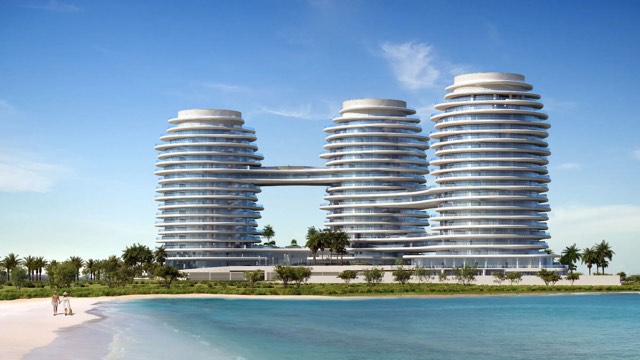
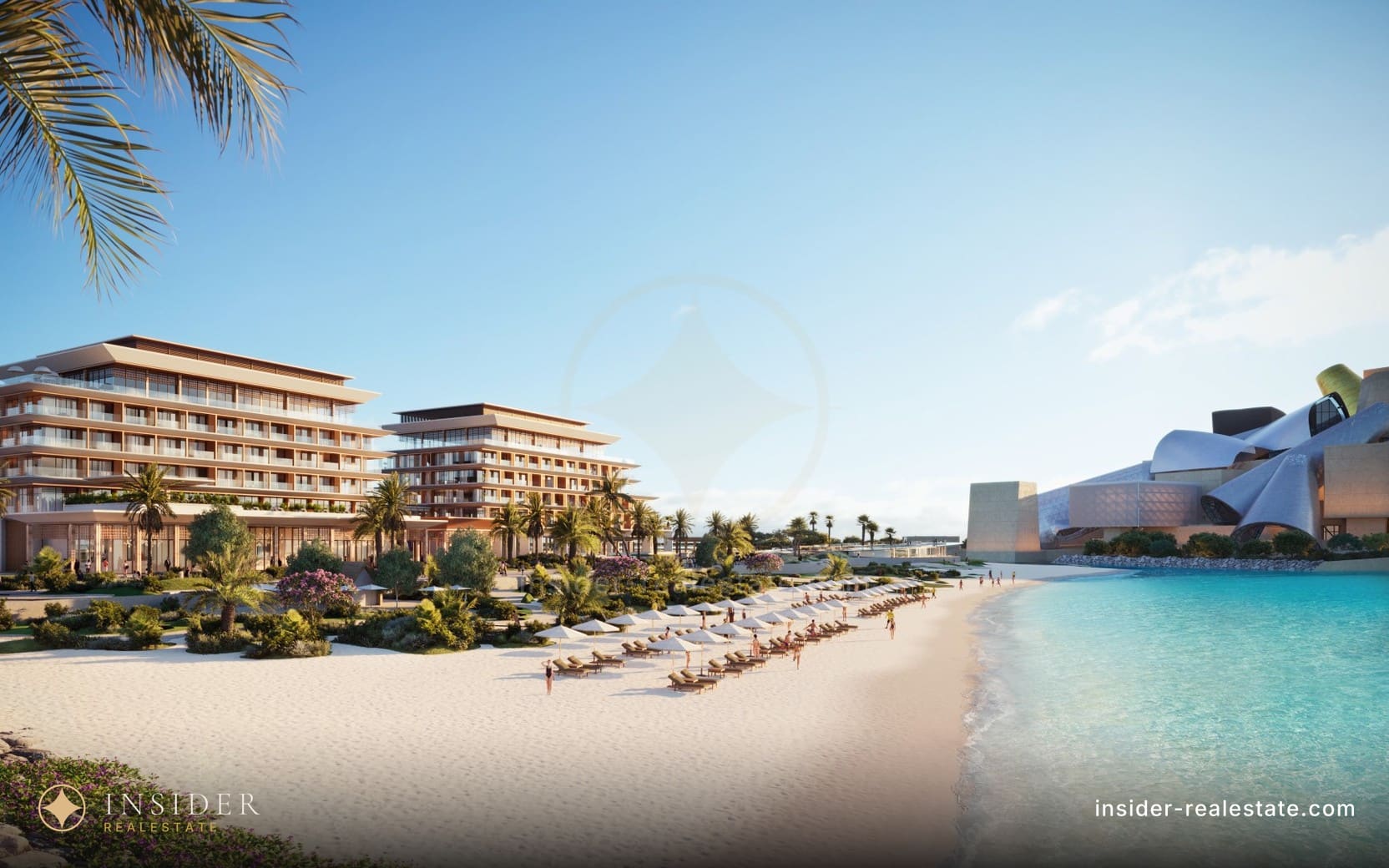
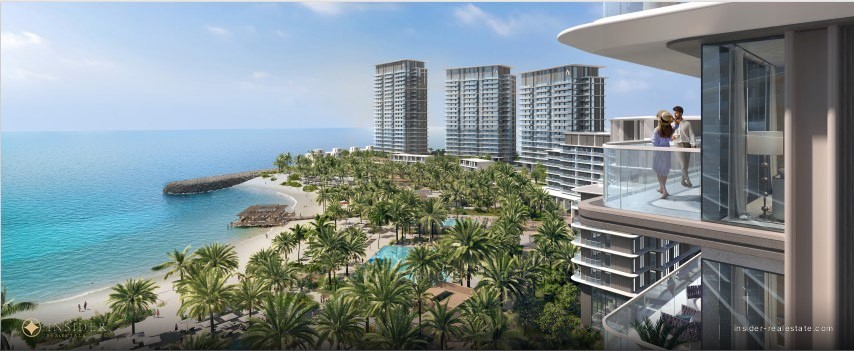
Al Marjan is not a district and not a compound. It is an archipelago of four reclaimed islands off Al Jazirah Al Hamra, in the southern part of Ras Al Khaimah: Breeze, Dream, Treasure and View, linked by roads and bridges, together covering about 2.7 million m² — 29 million sqft — and reaching 4.5 kilometres out from the shoreline.
Reclamation began in 2013; the operating company was set up a year earlier. The master developer is Marjan, owned by the emirate’s government. It does not build homes: it makes land, brings in roads and services, and sells plots. The buildings on those plots come from everyone — Wynn Resorts at one end of the scale, small regional developers at the other. That is the first thing separating Al Marjan from a Dubai master community, where one author signs the whole neighbourhood.
The master plan splits the islands by function. Breeze is the closest to shore and resort-led; Treasure is where the residential stock sits; Dream stood almost empty for years and is being built out now; View has the largest built-up area. This is not geography for its own sake — the island decides both what stands outside your window in three years and who your neighbour is: a guest for a week or an owner for good.
The five-star base already exists: Rixos Bab Al Bahr, DoubleTree by Hilton Resort & Spa Marjan Island and Al Marjan Island Hotel & Spa. The master developer puts around 45% of all five-star rooms in the emirate on this island. That detail matters: Al Marjan started with tourism, not with housing, and the housing attached itself to an existing flow of visitors rather than the other way round.
Wynn: what is being built, and when it opens
Wynn Al Marjan Island is an integrated resort by Wynn Resorts and the company’s first property in the Middle East. What moves the market is not the hotel but the gaming floor: in 2024 the project took the first gaming licence ever issued in the UAE, and the authorities have signalled no plans to issue more in the near term. For several years, this is the country’s only licensed casino.
The published mix is 1 530 units in total — 1 217 hotel rooms, 297 suites, two royal apartments, four garden townhomes and ten marina estates. Alongside them: 22 restaurants, lounges and bars, a beach club, a spa, a retail parterre and a deep-water marina built for superyachts. Gaming is roughly 225 000 sqft on the main floor, plus a separate room on the 22nd storey.
Construction has run since 2023. The 70-storey tower topped out in December 2025; by August 2026 work had moved to the roof deck, with more than 22 000 people on site. The opening date has moved, though: on 4 August 2026 the CEO of Wynn Resorts pushed it from March 2027 to September 2027 on the quarterly investor call, and added a further $600 million to the budget.
Worth holding in mind separately: Wynn has acquired another 155 acres on the island for a possible second integrated resort. Nothing is committed and no plan should be built on it — but the purchase says how the company reads the location.
Why the island repriced before anything opened
The mechanism is the familiar Dubai one. An anchor project is announced, land and off-plan around it reprice, and the project itself opens years later. Buy here today and you are not buying the Al Marjan that exists — you are buying expectations of the Al Marjan of 2027.
That is not an argument against; it is how every resort build works. But it changes the question from "will it grow" to "how much of the growth is already in the price". A render does not answer that. A schedule does: what stage the neighbouring plots are at, when the hotels open, what is happening with the roads, when your own building hands over. Which is exactly why footage from the site is worth more than a press release.
Second factor: timing. Moving Wynn from March to September 2027 also moves the thing people buy nearby for — the visitor flow, the occupancy, the nightly rate. Six months of delay at the anchor is six months in which the apartment next door lets at a pre-opening rate rather than a post-opening one.
Third: market size. Ras Al Khaimah is a fraction of Dubai. Fewer transactions, almost no resale history, and an exit measured in months. The asset is not a bad one — it is a less liquid one, and the horizon has to be counted in years.
Who it suits, and who it does not
Resort rental first. The island was built for tourism, the hotel base is already operating, and the casino will add to the flow. An apartment or a branded hotel unit let nightly is the most direct way to take part — particularly where an operator runs it for you.
Second, a second home by the sea. An hour from Dubai, a beach at the door, the Jebel Jais mountains nearby, and an entry price a multiple below Dubai’s waterfront. For someone already living in the UAE this is a weekend house, and it should be costed as one.
Third, a bet on the emirate being repriced. Ras Al Khaimah is changing category — from "the cheaper alternative" to a destination in its own right — and Al Marjan is the epicentre of that. It is also a long horizon with a heavy dependence on a single date.
It does not suit two buyers. Anyone wanting a permanent home with Dubai-grade infrastructure: schools, clinics and jobs are far thinner here. And anyone counting on a quick resale: on a thin market a sale takes months, and a buyer at today’s price is not always there when you need one.
What to check before signing here
The island, and the plot next door. The master developer sells land in parcels, and your view depends on what the neighbour buys. Ask for the current master plan with the use of the adjoining plots on it, not a general render of the archipelago.
The developer. Companies of wildly different weight build here, from Wynn Resorts to developers with nothing completed in the UAE at all. Look at the finished portfolio and the escrow account rather than the brand on the facade — the brand is usually licensed.
What you are actually buying: an apartment, or a hotel unit. Al Marjan carries a lot of branded hotel-apartment stock where the unit comes with a compulsory operator rental pool. That is a different product — a different contract, a different yield, different rights to use it yourself.
The dates, and what the contract says about missing them. The island’s anchor has already slipped by six months; smaller projects slip more often. The declared handover date matters less than the remedy attached to it.
The yield arithmetic. "Guaranteed returns" on resort rental are the developer’s words, not a fact: we hold no transaction base for Ras Al Khaimah and cannot check the figure. Ask for the inputs — occupancy, average rate, operator fee — and run it yourself.
Source of the figures — the project page at the developer.










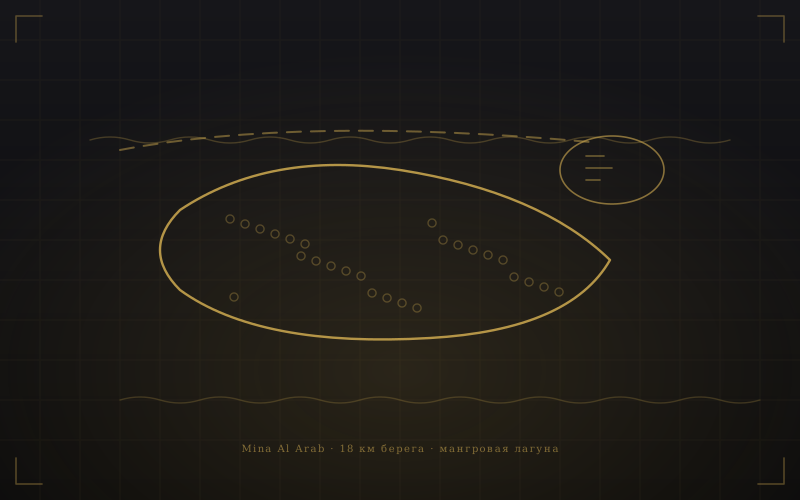 Mina Al Arab
 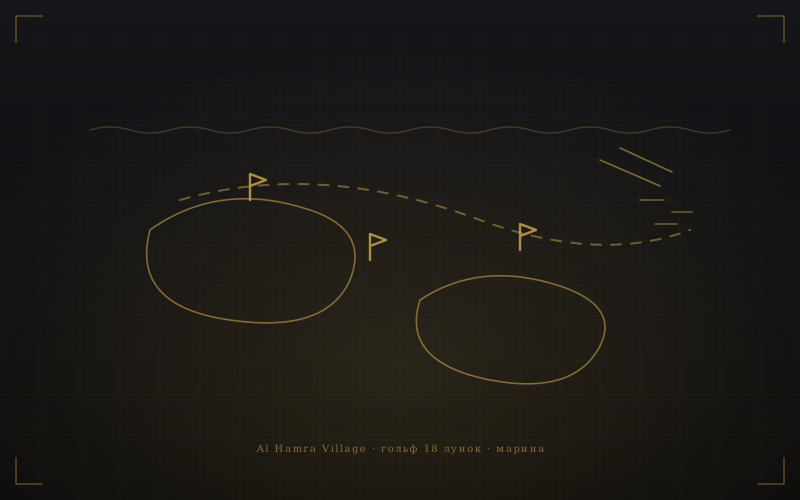 Al Hamra Village
  Aljada
  Masaar
  Sobha Siniya Island
  Billionaire Row
  Peninsula
 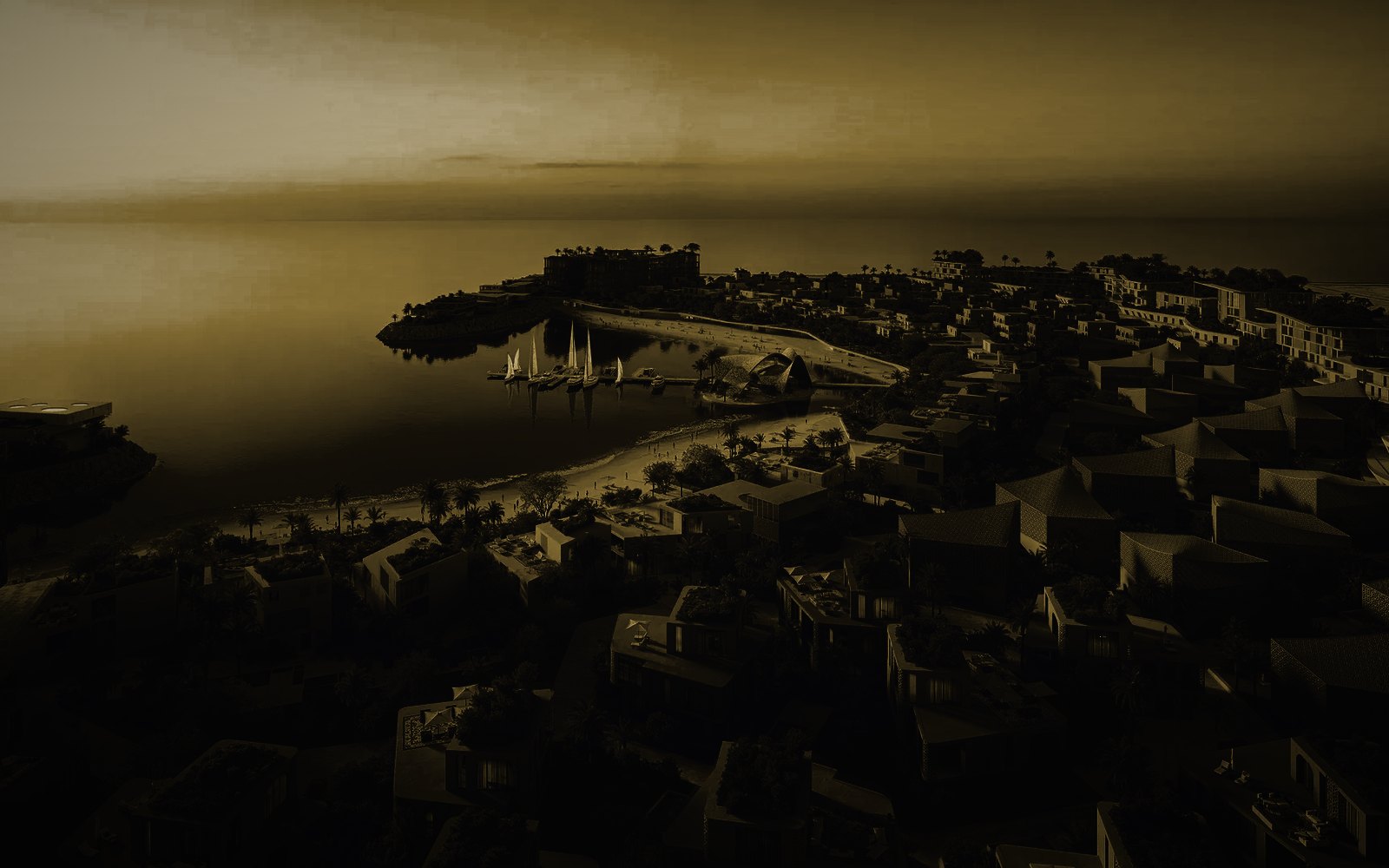 Mira Coral Bay
 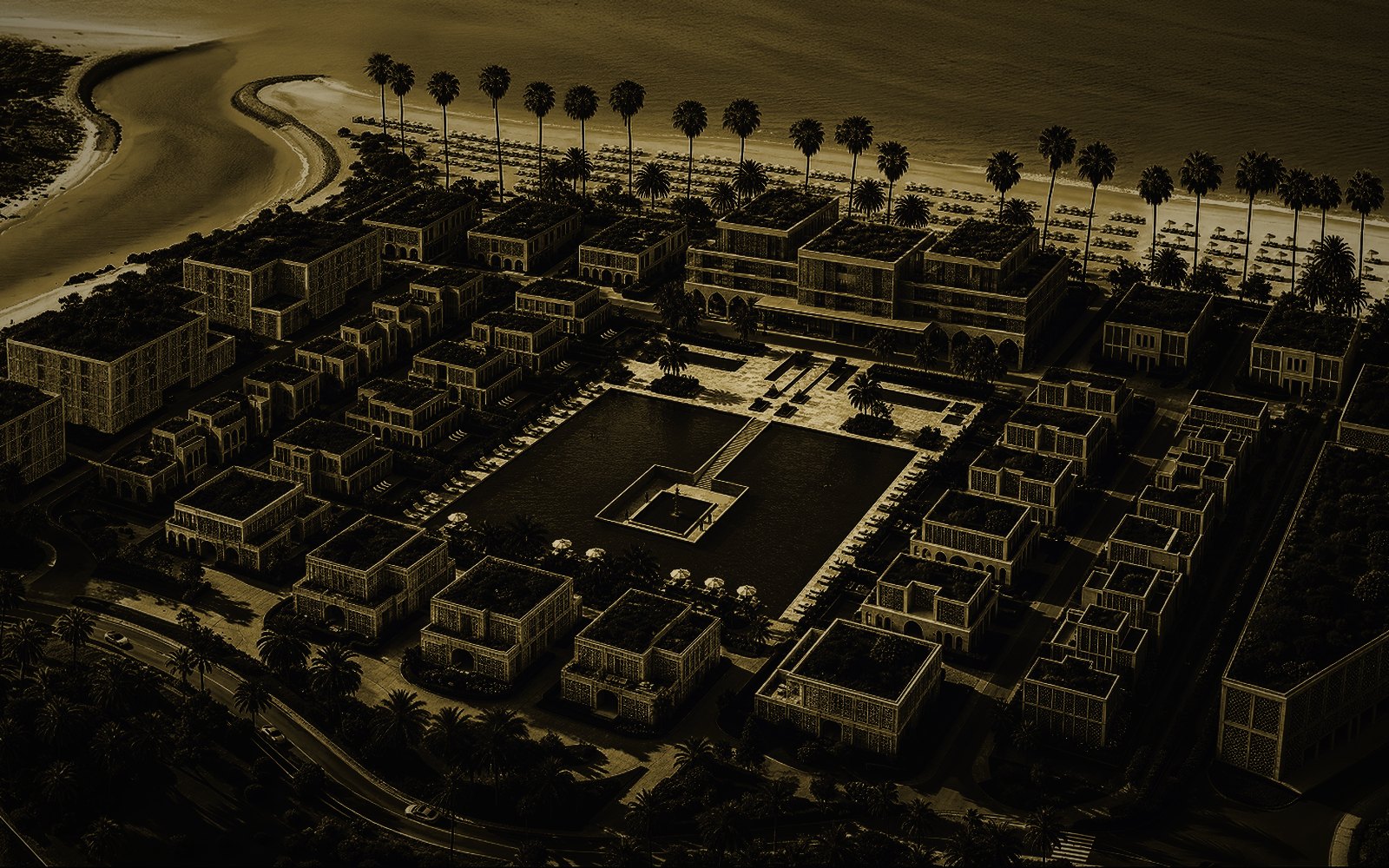 Mira Ocean Estates
 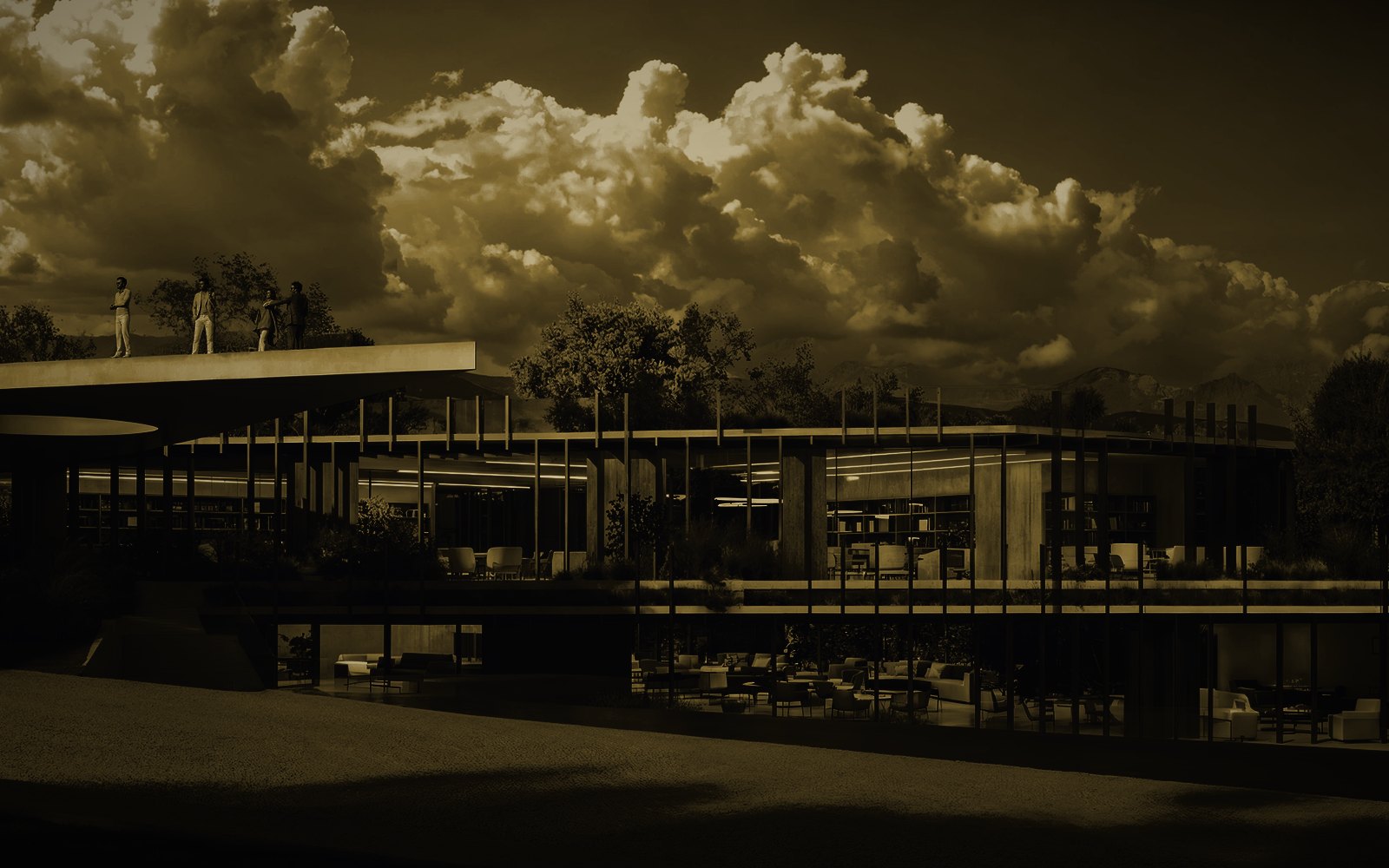 Mira Verde
 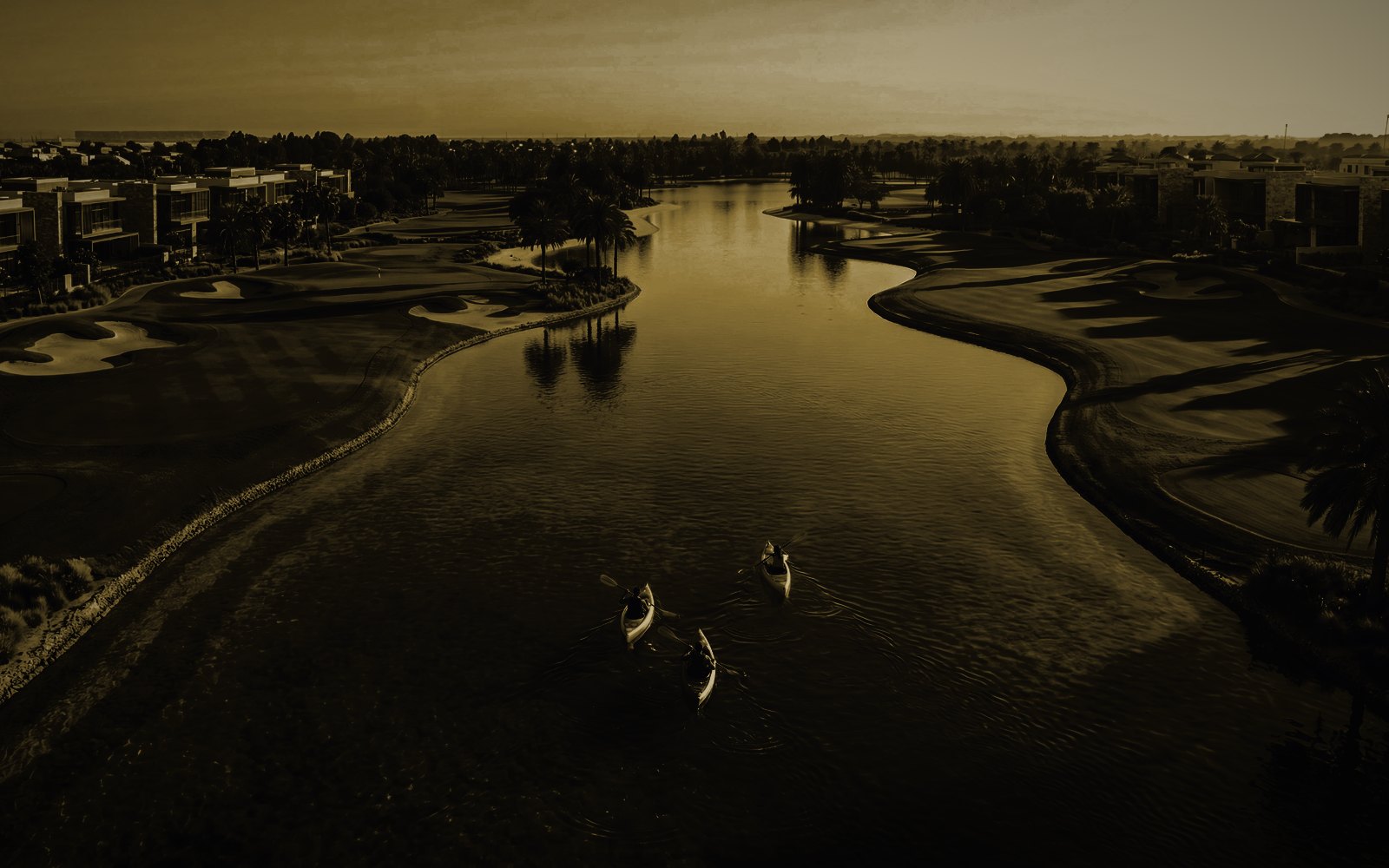 Mira Hills
  Al Layan Oasis
  Kalba
Kalba  Maryam Island
  Tilal City