What sets Dubai apart
Depth of market, first. The Land Department publishes every registered transaction, and that changes the mechanics of buying: you verify a price against the register instead of taking the seller's word for it. No other emirate offers data of that completeness.
Liquidity, second. A property in a sought-after Dubai district finds a buyer in weeks. In the northern emirates the same process takes months — not a defect of those markets, simply their natural scale.
Choice, third. From a studio in International City to a villa on a Palm frond, from an office beside DIFC to a warehouse in Al Quoz: whatever the brief, there is an established segment with its own price and its own tenant.
What you pay for that is the entry price. Dubai is consistently more expensive per square foot than its neighbours, and it is precisely that gap that sends some buyers to look at Sharjah, Ajman and Ras Al Khaimah.
How the market works
Foreign nationals buy inside designated freehold zones, and in Dubai those zones cover practically everything an international buyer would consider in the first place. That is a fundamental difference from Abu Dhabi, where the available zones are few.
Off-plan purchases are protected by escrow: payments go to a project account and funds are released to the developer against verified construction progress, not on request.
There is no annual property tax and no income tax on rent. On purchase you pay 4% to the Land Department plus agency and registration fees — roughly 7–8% on top of the price all in.
The regulator is RERA, part of the Land Department. Every listing must carry a Trakheesi permit tied to that specific property, and asking for the permit number is normal practice, not an insult.
Who Dubai suits
Anyone who needs the ability to exit an asset quickly and at a verifiable price.
Anyone buying for rental income who wants a deep, varied tenant pool that does not depend on a single employer or a single industry.
Anyone considering residency: the property route here is well-trodden and procedurally clear.
And anyone who wants options. Only in Dubai will the same budget produce a dozen genuinely different propositions in a dozen different districts.
Where Dubai loses
On price. Completed waterfront property in Ras Al Khaimah or Ajman costs materially less, and for a buyer with a fixed budget that is the deciding argument.
On pace. Dubai is dense, loud and permanently under construction. Anyone looking for a slower rhythm is better served by Sharjah or Abu Dhabi.
On land. Almost no undeveloped plots remain in the good locations, so new projects keep pushing outward, and a half-hour drive to the centre is becoming standard.
Dubai does not have to be the answer to every question. It has to be the benchmark everything else is measured against.
How to choose a district
Start from what the property has to do: produce income, appreciate, house your family, or secure residency. Each brief points to a different part of the city, and they barely overlap.
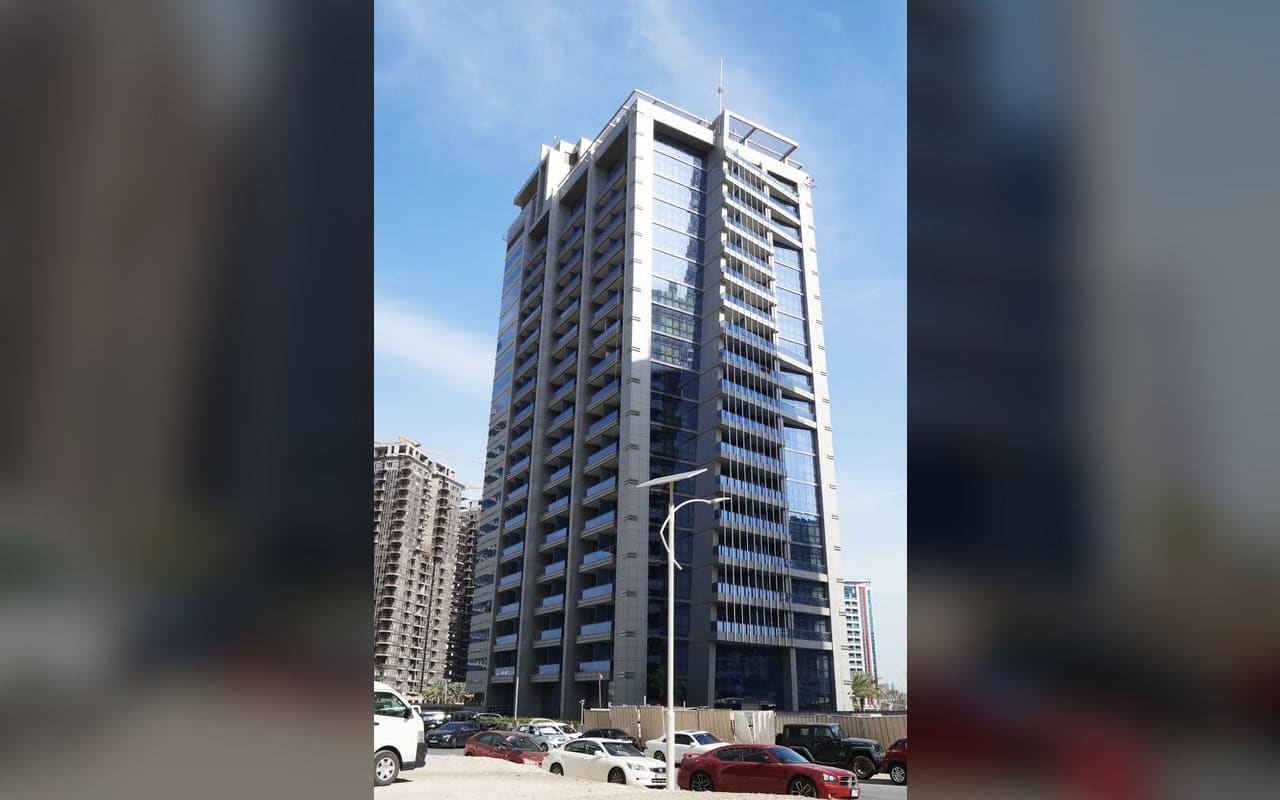
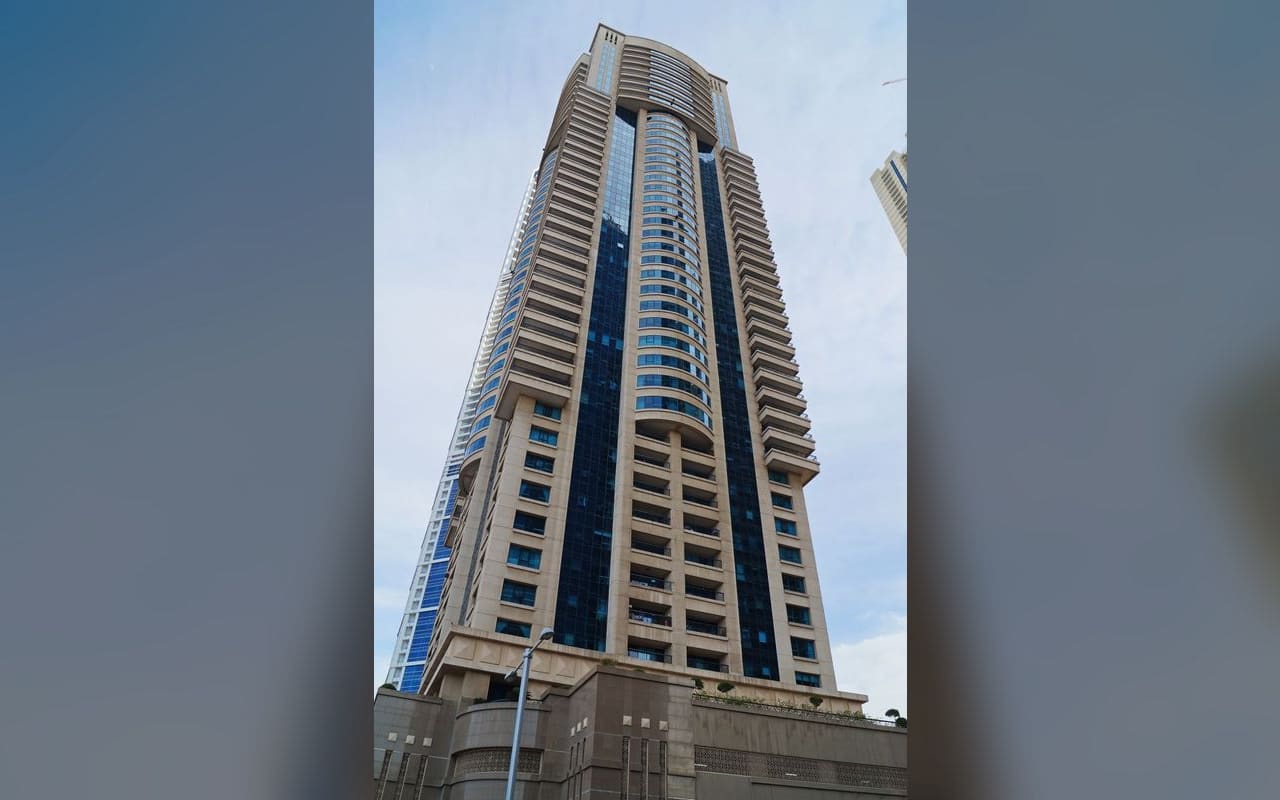
Then check the building, not just the district. In the Dubai mid-market the quality spread inside one district is wider than the gap between districts: service charge, the managing agent and the state of the common areas drive net yield harder than the address does.
And check the commute. Peak-hour driving time is the most underrated variable in a Dubai purchase.
District-by-district breakdowns with numbers from our own stock sit in the areas section.
Off-plan or completed
Two barely overlapping markets share the same city. Off-plan is sold by the developer at list price on a payment plan running years ahead; completed property is sold by an owner at a price the transaction register can confirm. Different negotiation, different risk, different exit.
Off-plan lets you enter with smaller sums and spread the cost, but income only starts at handover, and handover dates in Dubai move. Completed stock pays rent from day one, demands the full amount now, and gives up the construction-phase uplift.
Assignment — taking over someone else's off-plan contract before handover — is the third route, and it is where genuine discounts live: the seller needs cash, not the market price. The cost is developer consent, a transfer fee, and inheriting a payment schedule you have to read line by line.
The choice between them is not settled by a yield figure in a spreadsheet. It is settled by when you need the money back. Everything else follows from that.
What to check before the deposit
The Trakheesi permit on the listing. The number is tied to that specific property, and its absence means the unit is being shown by someone with no right to show it.
The service charge per square foot and how it has moved over the past few years. In the mid-market that one line decides the gap in net yield between two towers that look identical from the street.
For off-plan, the project escrow account and the construction percentage recorded by the regulator rather than quoted in the brochure. For completed stock, any service-charge arrears owed by the seller — they travel with the unit.
And the developer NOC. Without it the transfer does not register, and obtaining it takes time that sellers routinely forget to mention.