
AED 917bn of transactions in 2025: Dubai is reaching its trillion target early
Dubai property transactions reached AED 917 billion in 2025. The AED 1 trillion target was set for 2033 — at this pace it arrives far sooner. What the number says about the market, and what it does not.
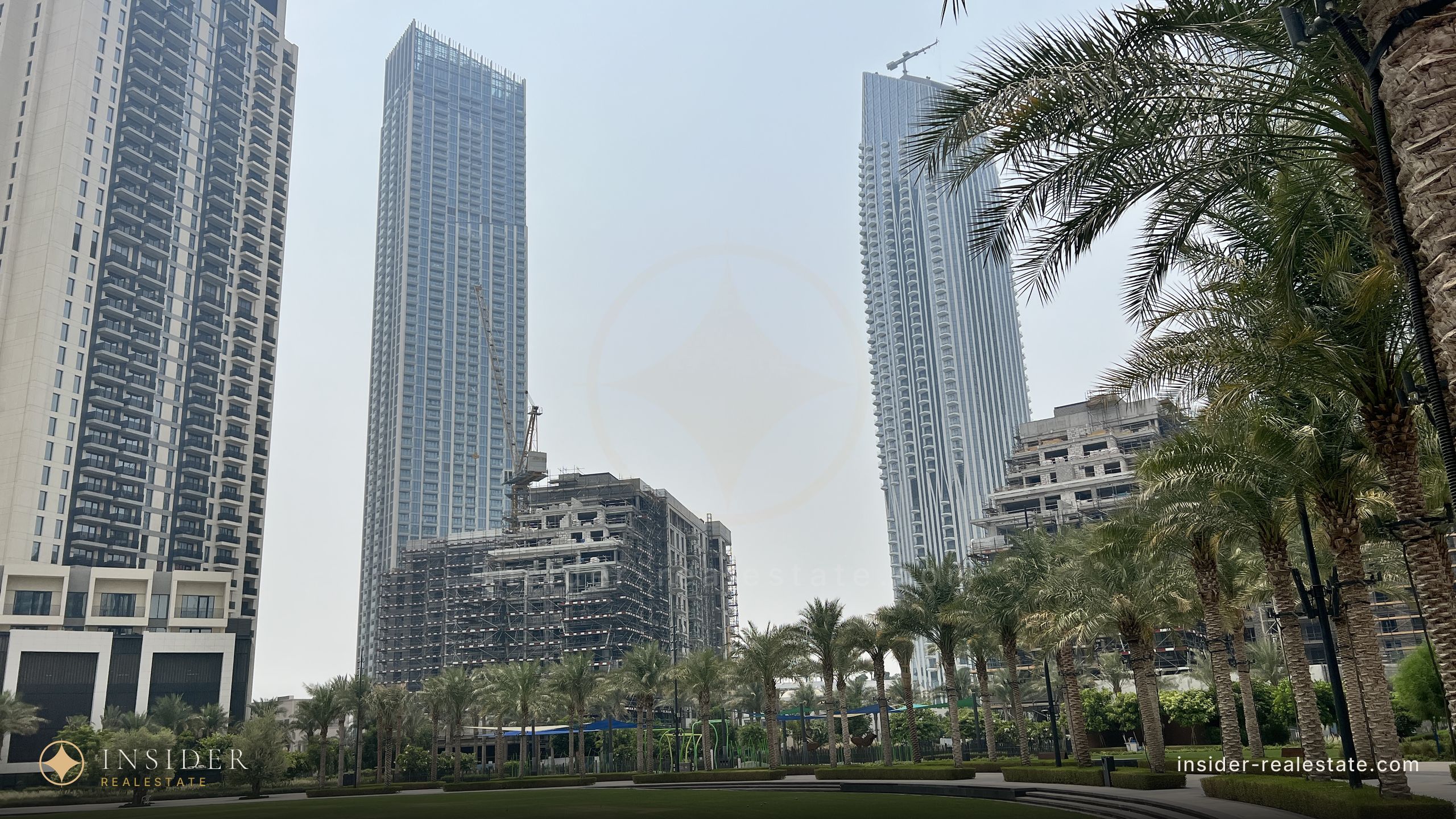
Dubai's property transaction report for 2025 recorded a volume of AED 917 billion. Sheikh Mohammed bin Rashid Al Maktoum commented on the figure publicly, recalling that the emirate set a target of AED 1 trillion in annual transactions by 2033 — and that the result exceeded expectations.
What the number means
AED 917 billion is roughly $250 billion of turnover in a year, in a city of under five million people. For a sense of scale: that is comparable to the annual residential turnover of entire large European countries.
A trillion-dirham target set for 2033 becomes reachable years early at this pace. That matters more than the figure itself: a plan being met ahead of schedule suggests conservative assumptions went into it.
Talk to a licensed broker: 📲 +971 50 120 32 64 on WhatsApp, @dubai_oleg on Telegram
The bubble argument
Talk of Dubai being overheated and about to collapse has run as long as the market has existed. AED 917 billion is an argument against — but not a conclusive one, and it is worth understanding why.
Turnover is liquidity, not valuation. High transaction volume means buyers and sellers are finding each other — the market works. It does not mean prices are justified. A bubble is in fact characterised by high activity; the collapse starts when volume falls, not when it rises.
The more substantive argument is structural. The Dubai 2040 master plan assumes the population doubling to 5.8 million, a million new jobs and 1.1 million new homes. This is a plan the city is actually building for, directing 48% of its annual budget into infrastructure. A market growing into a planned inflow of people is built differently from one growing on resale between speculators.
What to keep in mind
- Turnover is not evenly distributed. A citywide record does not mean a record in every district; individual locations with excess supply run their own cycle.
- The state has an interest in stability, since property is a pillar of the emirate's economy. But interest is not a guarantee: it did not help the market in 2008–2009.
- Model your asset, not the city. Citywide statistics are useful as background and useless as grounds for a specific purchase.
Based on Dubai Land Department data for 2025.
Video on this topic
The same subject on the English channel — each clip has a written version of its own.
 36:55
36:55 The Biltmore Residences Dubai: brand history, the numbers, and what you can actually earn
From the first Biltmore in Los Angeles to Tbilisi to Dubai, the Millennium hotel chain behind it, and then the part that matters: the statistics and an honest calculation of what a Biltmore Residences unit earns.
WatchIn the news
Other write-ups on the site about the same thing.
Who bought property in Dubai in 2025: India, Britain, Italy — and Egypt up 150%
The buyer map by nationality, and the most revealing figure in it. Egyptian investment rose 150% for a stated reason — currency devaluation — and that mechanism explains a large share of demand from elsewhere too.

The Dubai secondary market in 2025: 66 451 transactions and AED 86bn of resale profit
Owners of off-plan property are regularly told the resale market has stalled. The figures say otherwise: about 180 transactions a day including weekends. What the profit number does and does not mean.

Dubai off-plan in Q3 2025: 43 500 transactions and AED 113.5bn
The primary market closed the quarter at records on all three metrics — volume, average price and value. The detail worth noticing: transactions grew twice as fast as prices, which is the healthier of the two directions.
Dubai Property Market H1 2026: Record January, Cooler Summer
January delivered AED 72.5 billion in turnover — more than Dubai’s entire market in 2020. By June, volumes had returned to typical levels. Here’s the month-by-month breakdown of deal count and price per square foot.

Billions in transactions: what the headline number is actually counting
Every few weeks Dubai reports another record total of property transactions. The figure is real, but it is not a measure of how many homes were sold, how much they cost, or whether the market rose. Here is what it does measure.

A developer share index is not house prices: how not to confuse two markets
When the index falls, headlines turn it into “the Dubai property market is falling”. In some weeks of 2026 the index dropped 17% — and not one apartment moved by 17%.