
Meraas: the developer that builds the neighbourhood first
Part of Dubai Holding, responsible for City Walk, Bluewaters and La Mer. The approach — public space first, housing into it — and what it means for rents, resale and the annual cost of holding.

Meraas inverts the usual sequence. The normal order is to build a tower and hope a neighbourhood forms around it. Here a public place is created that the city comes to, and housing is fitted into it.
The company
Meraas sits within Dubai Holding, the emirate's state holding company. That determines two things: access to land in central locations, and a planning horizon measured in decades. Projects of this shape rarely make sense to a private developer.
For a buyer the practical consequence is that the same party responsible for your building is responsible for the environment around it, and continues to manage it.
Talk to a licensed broker: 📲 +971 50 120 32 64 on WhatsApp, @dubai_oleg on Telegram
What it builds
- City Walk — a quarter of European-style streets, shops and restaurants in the centre of the city.
- Bluewaters Island — an artificial island with an observation wheel, a promenade and housing.
- La Mer and Port de La Mer — beachfront and marina development along the Jumeirah coast.
- Design Quarter in d3, and Nad Al Sheba Gardens, villas closer to the centre than most suburban communities.
What the approach delivers
- A broader tenant base. In a district the city visits, housing does not depend solely on the offices next door.
- Walkability, which is scarce in Dubai and priced accordingly. A district you can walk across is a distinct product here.
- Central land. These sites sit where new development can no longer easily be placed, which constrains future supply next to you.
The reverse side
- Service charges. A maintained promenade, landscaping, security and cleaning of public space cost money, and part of that reaches owners.
- Footfall. What makes the district alive also makes it busy — a drawback rather than a feature for a family with small children.
- Entry price in the central projects is above the city average.
What to check
- Service charge per square foot per year, and its trend in already-delivered phases of the same district.
- What belongs to your building's common property and what belongs to the public realm.
- Short-let rules in the specific building. In tourist-facing locations these are sometimes restricted by the owners' association, which matters if your model depends on nightly rates.
- Escrow and Oqood, as with any off-plan purchase.
- Which way the flat faces. A promenade view and a courtyard view are different assets with different tenants.
Who it suits
- A buyer purchasing to live in the city who values being able to leave the building on foot.
- Short-let investors, where the building permits it: the location does the work.
- Not somebody after quiet and a low service charge.
Based on the Dubai Land Department project register and the structure of Dubai Holding.
Video on this topic
The same subject on the English channel — each clip has a written version of its own.
 55:13Land plots and joint ventures in Dubai: how investors and developers split the profit9 October 2026
 51:14AI in Dubai real estate: what changes for brokers, investors and developers3 October 2026
 19:45Oceano on Al Marjan Island: the Luxe Developers project and the island being built around it14 August 2026
 10:22Australia vs Dubai property investment: 10/90 payment plans, tax and rental yield10 October 2026
 24:32Trump Tower Dubai, Jeddah and Oman: what the Trump brand is building in the Gulf2 October 2026
 12:53Force majeure in Dubai real estate: can you withdraw from a deal?1 October 2026
In the news
Other write-ups on the site about the same thing.

Two construction percentages: why the developer says 95% and the regulator says 88%
On one Central Park tower in City Walk an internal inspection reported 95.4% complete while the regulator’s reported 88.3%. Both are official. Where the gap comes from, which number to trust, and for what.
Off-plan mortgage in Dubai: which banks and developers now lend before handover
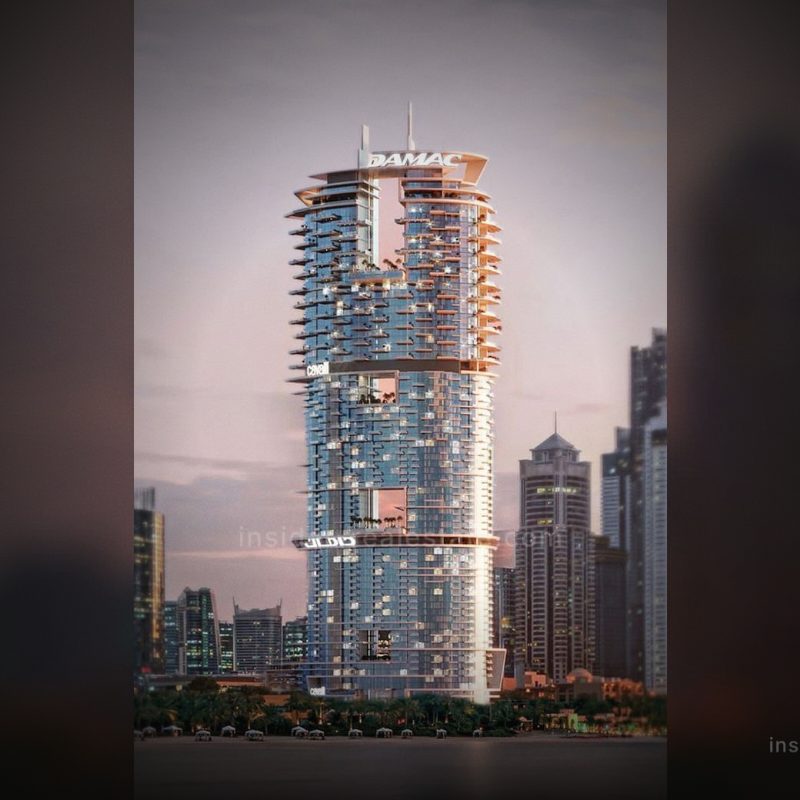
Damac and ADIB opened finance on projects 35% built once the buyer has paid 50% (March 2025). In 2026 Emirates NBD launched a scheme for Meraas, Nakheel and Dubai Properties from 30% completion, and ADCB a 12-month pre-approval from 3.49%.

City Walk apartments: Thyme at Central Park by Meraas, from a 2023 ballot to a finished building
Thyme is a low-rise Meraas building in Central Park at City Walk with one- to four-bedroom homes, sold by ballot in May 2023 from about AED 2.1–2.3m for a one-bedroom. Handover was set for Q3 2026; portals now list it as ready and sold out, like Celadon, Viridian, Erin and Castleton.

Dubai Islands: JW Marriott Residences by CG Developers, and Nakheel's AED 527m infrastructure contract
CG Developers is building Dubai's first JW Marriott residence, priced from AED 1.72 million with a Q1 2028 handover. In parallel, Nakheel has awarded a AED 527 million contract for Island B's core infrastructure — roads, water and sewage for a future 49 000 homes.

Dubai's top developers by 2025 sales, and the 648 projects launched in a single year
Emaar sold about AED 65.8bn in Dubai in 2025, DAMAC AED 35.9bn, Sobha about AED 30bn and Binghatti AED 26bn. Meanwhile 258 developers launched 648 projects with 167 000 units. What that mix of concentration and crowding means for buyers.

How a Dubai launch price list is built, and how to read one
A launch sells out in an afternoon, which is exactly the problem: the buyer has the least time to think at the moment the most is being decided. What the price list is actually telling you, and which columns matter.