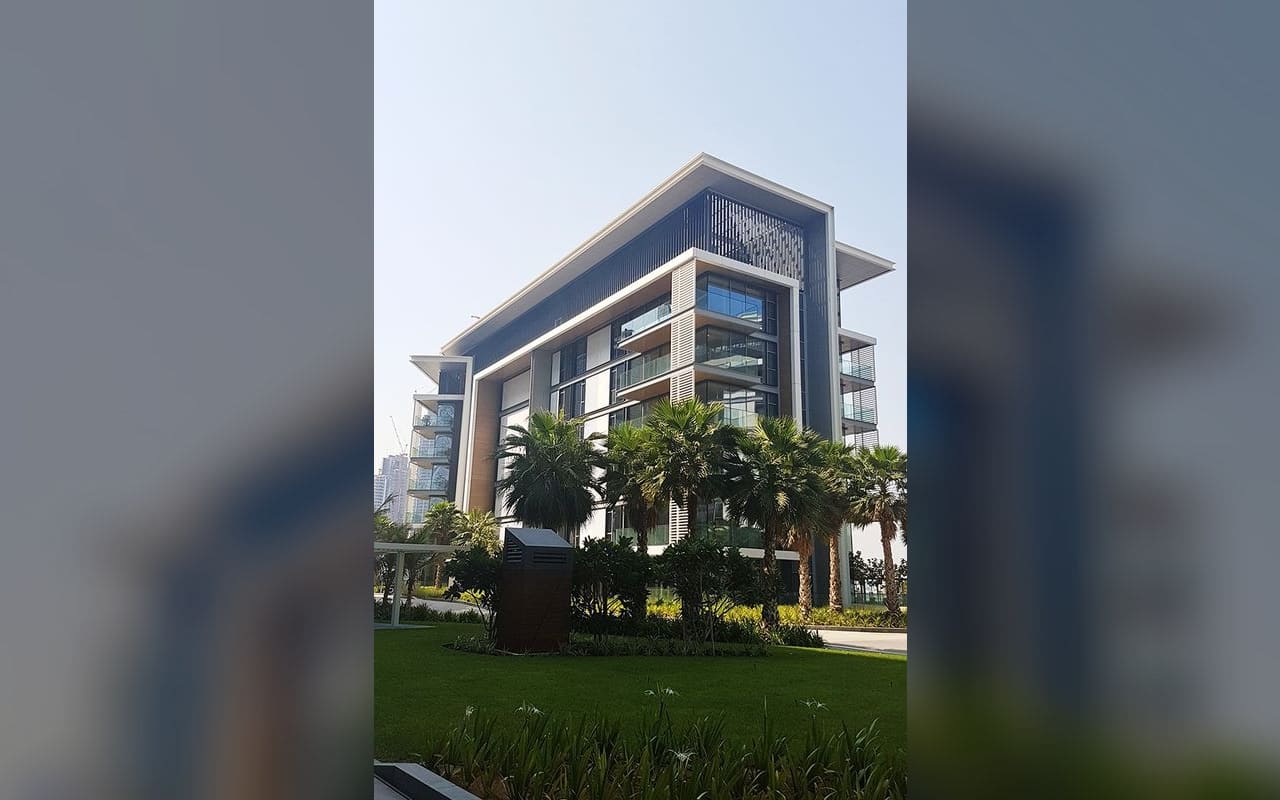
What Bluewaters is
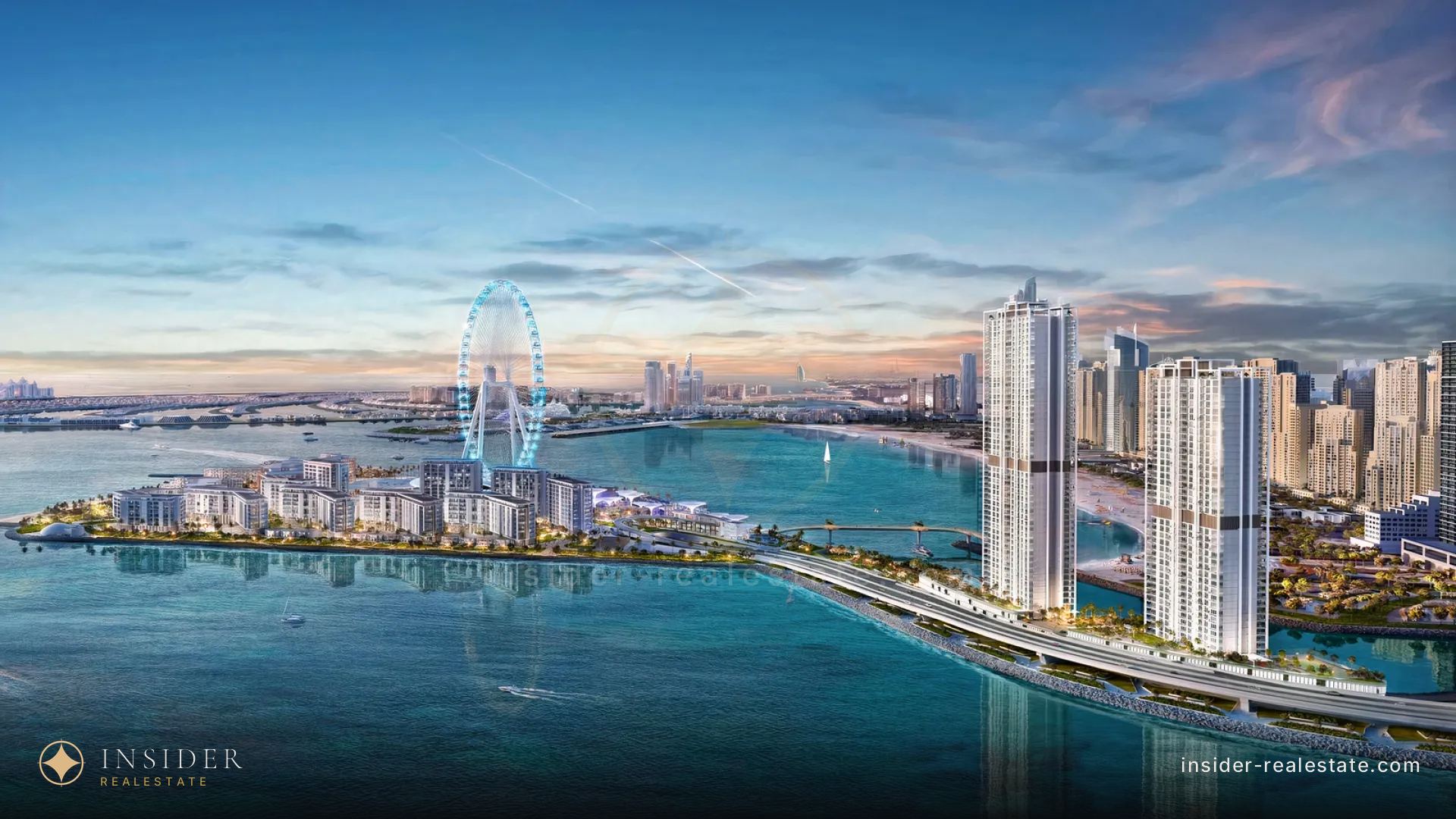
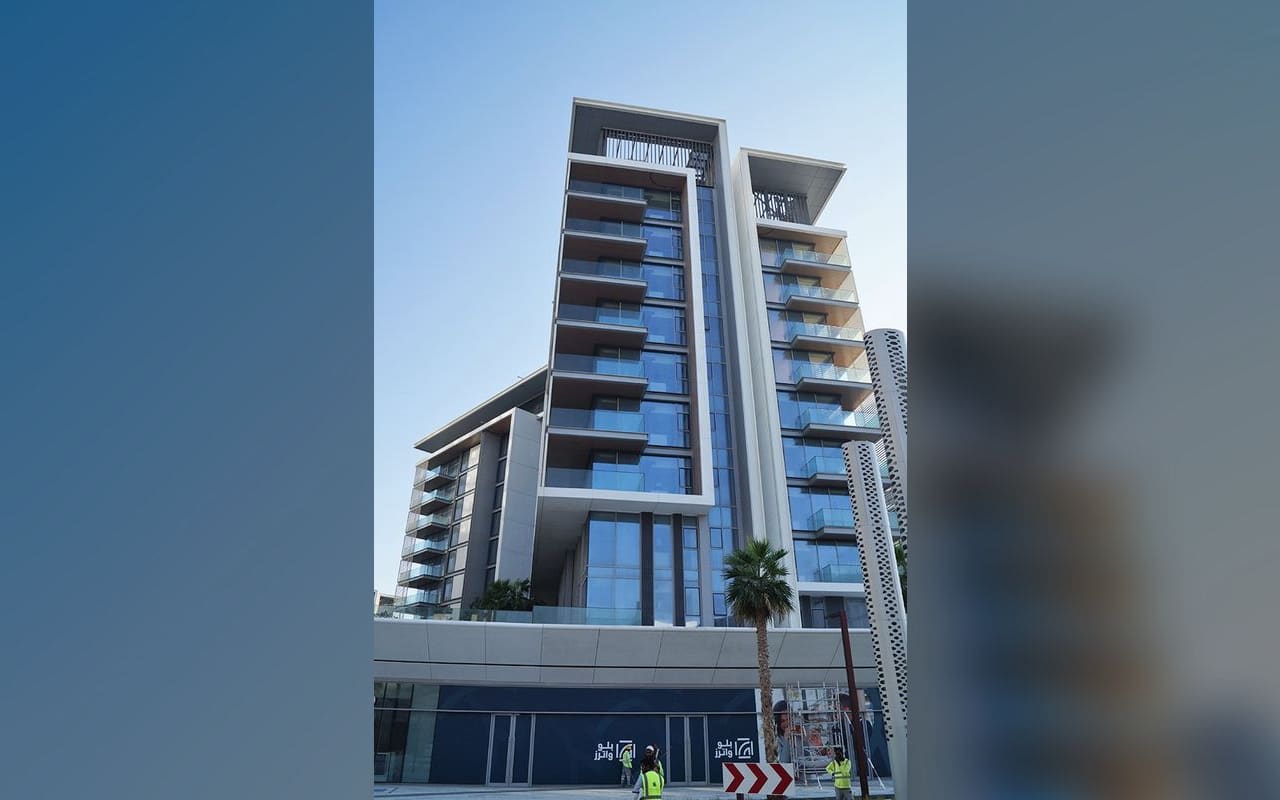
Bluewaters Island is a compact reclaimed island a few hundred metres off the JBR coastline, developed by Meraas and connected to the mainland by a road bridge and a pedestrian link. Ain Dubai, the observation wheel, sits at its centre.
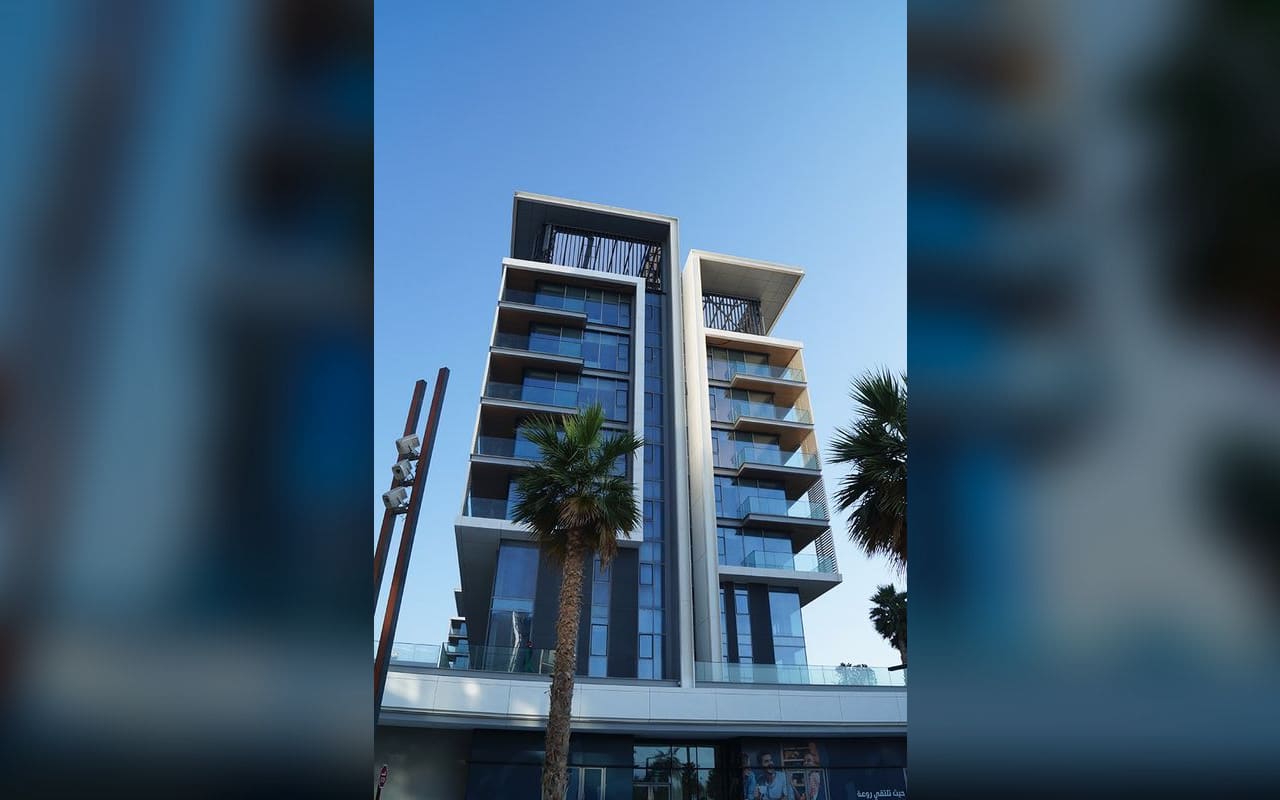
The residential component is small — a handful of mid-rise buildings and a set of penthouses and townhouses — surrounded by a retail and dining promenade and the Caesars hotel complex. Total unit count is a fraction of what a single Marina tower holds.
That scale is the entire proposition. Bluewaters is a low-density, high-specification island a five-minute walk from JBR beach and a short drive from Marina, in a city where almost everything is high-density.
Why low density matters here
The number of apartments on Bluewaters is fixed and small. There is no adjacent plot, no phase two, no possibility of the developer releasing another thousand units next year. In a market where supply is the main brake on price growth, that is a structurally different position from Marina or JVC.
It also changes daily life: no lift queues, no crowded pool deck, a promenade that is busy with visitors but calm at the residential end, and a genuine sense of separation from the density of Marina five minutes away.
The trade-off is liquidity. A small market means few comparable transactions, which makes pricing harder in both directions and means selling takes longer. You are buying scarcity, and scarcity cuts both ways.
The specification and the layouts
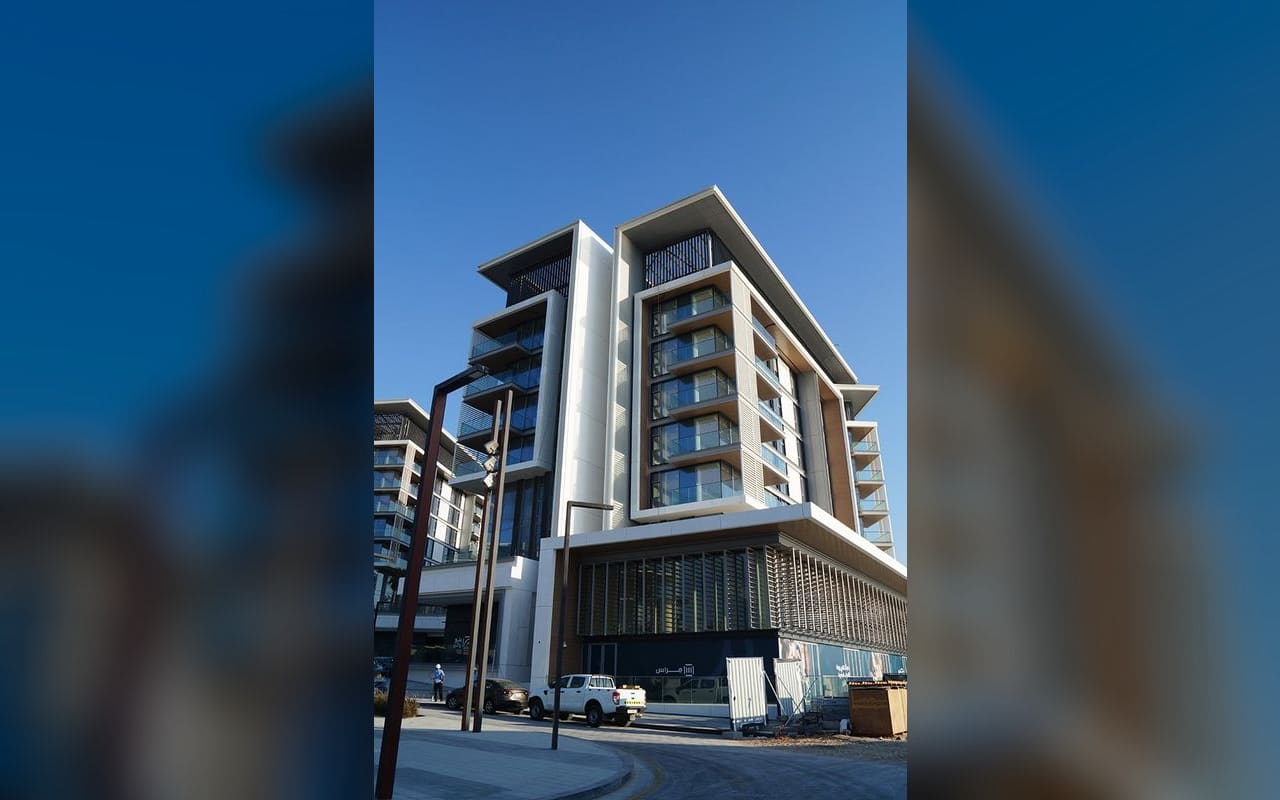
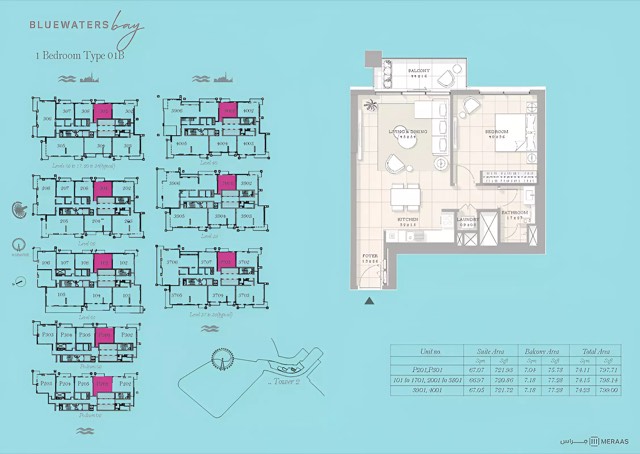
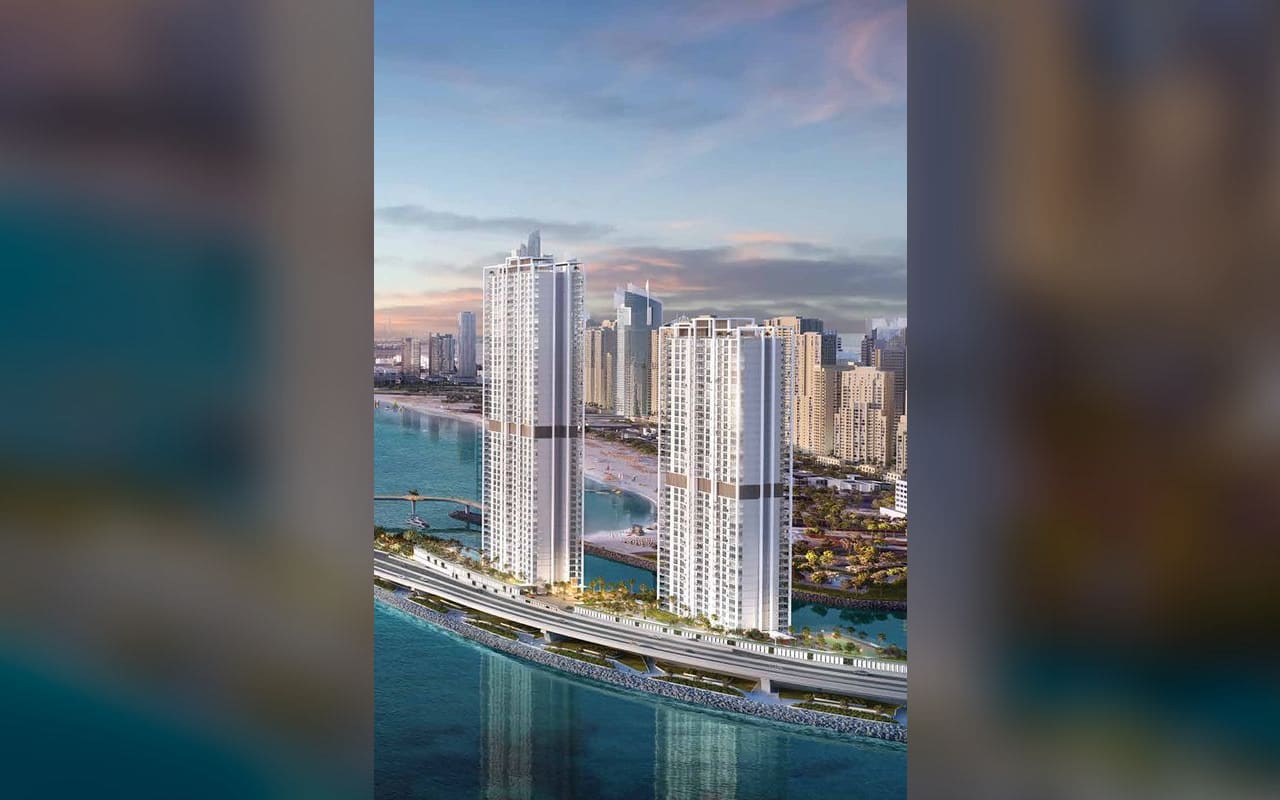
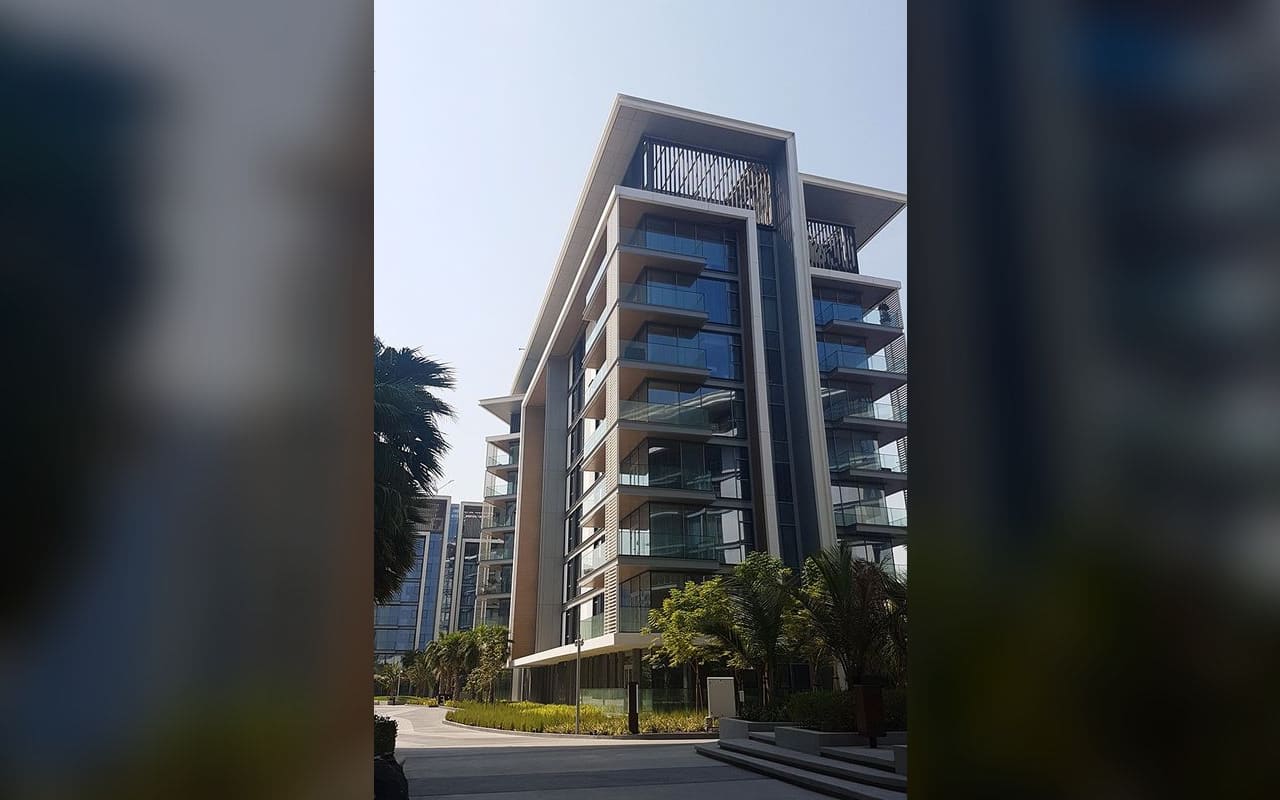
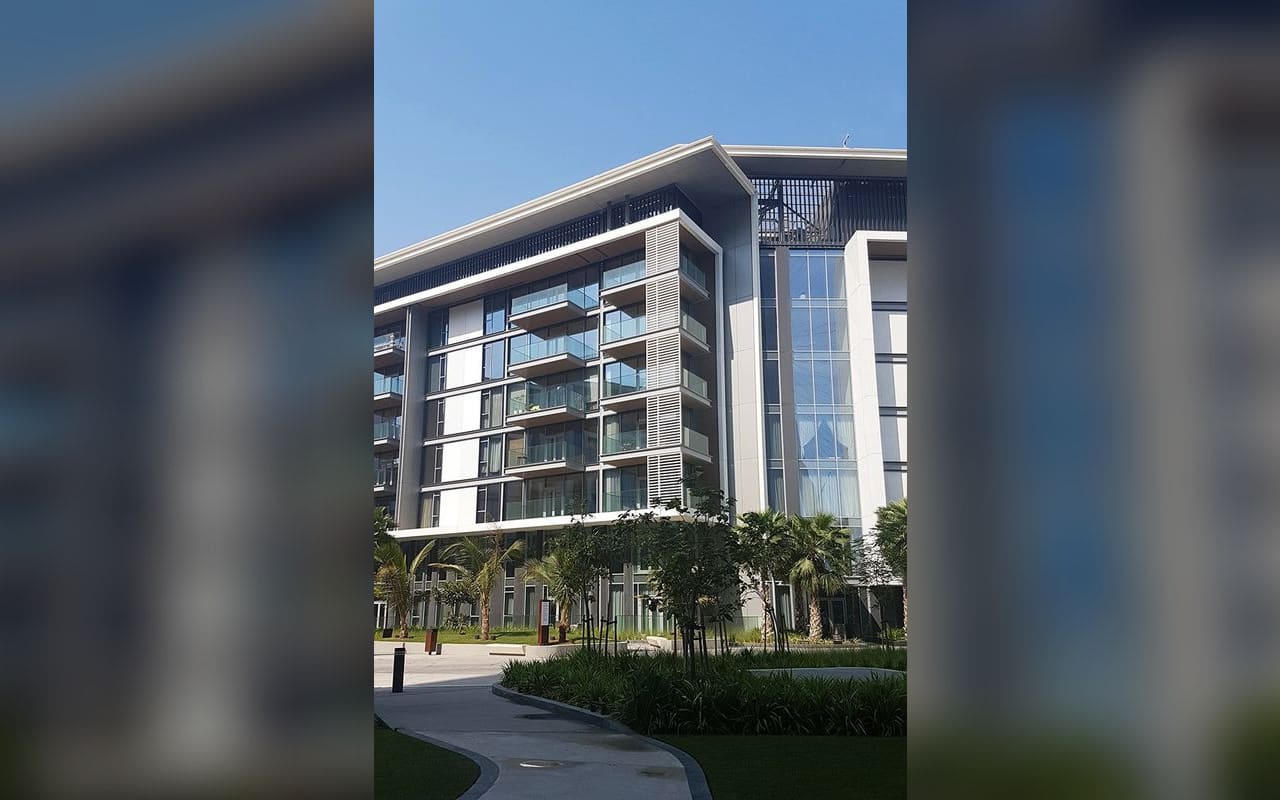
Meraas built to a high standard here, and it shows in the finishes, the common areas and the landscaping. Apartments are generously proportioned with large terraces, and the sea-facing units have some of the best outlooks available in Dubai — open water on one side, the Marina skyline on the other.
Orientation is decisive. Units facing the open sea and the sunset are the premium product; those facing back at the JBR wall are considerably cheaper and materially less special. Given that the view is most of what you are buying, this is not a detail.
The townhouses and penthouses are a separate, very thin market with few comparables and correspondingly unpredictable pricing.
Access and daily life
One bridge for cars, one pedestrian bridge to JBR. That is workable but it is a single point of congestion, and event traffic for Ain Dubai and the hotel adds to it.
Retail and dining on the island are good but limited in range and priced for visitors. For a supermarket shop most residents cross to JBR or Marina, which is a short trip but a trip nonetheless.
No schools on the island; the nearest are in Al Barsha and Media City. This is not a family district in practice, though the townhouses attract some families who value the security and the low density.
The investment case
Short-let performs well: the island is a recognisable destination, the specification photographs beautifully, and Ain Dubai plus the hotel bring footfall. Rates are high and the guest profile is upmarket.
Long-let yields are modest — the purchase price reflects the exclusivity more than the rent does, which is the standard pattern in low-density prime.
Capital preservation is the strongest argument. Fixed supply, a premium developer, an unrepeatable location and a specification that will age well. This is a hold, not a trade.
Service charges are high, as they always are where amenity is generous and unit count is low. Get the actual figure and model it as a permanent cost.
Who it suits
A buyer who wants prime waterfront with genuine exclusivity and is prepared to accept thinner liquidity in exchange. An owner-occupier who values calm and quality over convenience. A short-let investor targeting the upper end of the visitor market rather than volume.
It suits poorly anyone who needs to be able to sell quickly, anyone optimising for yield percentage, and anyone who will find a single access bridge frustrating.
The most useful comparison is against Emaar Beachfront: similar price band, similar waterfront proposition, more units and better liquidity, but higher density and less of the island feeling.
Ain Dubai and the visitor traffic
Ain Dubai, the observation wheel at the centre of the island, is the reason most visitors come here, and its operating status has varied since opening. That matters to a resident in a practical way: when it runs, the island is busy; when it does not, the promenade is quiet.
Either way the retail and dining strip draws people in the evenings and at weekends, concentrated at the northern end of the island around the wheel and the Caesars complex.
The residential buildings sit apart from that, and the difference between a unit facing the promenade and one facing the sea is substantial in noise terms as well as in outlook.
Check which end of the island the building is on and what it faces. On a site this compact, two hundred metres changes the experience completely.
The Meraas specification
Meraas built to a standard here that is visible in the things that are expensive to do well: the lobby materials, the landscaping, the common-area detailing and the size of the terraces.
Apartments are generously proportioned by current Dubai standards, with large outdoor space and floor-to-ceiling glazing on the water side, and the sea-facing units have among the best outlooks available anywhere in the emirate — open water on one side, the Marina skyline on the other.
The penthouses and townhouses are a separate, very thin market with almost no comparables, which makes them both harder to price and slower to sell.
Because the specification is consistent across the island, the price variation between units is almost entirely a function of orientation and floor rather than of build quality.
What the low unit count means for you
On the upside: no adjacent plot, no phase two, no possibility of another thousand units arriving next year. Supply is fixed permanently, which is a genuinely rare position in Dubai.
On the downside: few comparable transactions in any given year, so valuations are wide and each deal is negotiated rather than indexed. Selling takes longer than in a liquid tower district.
The practical consequence is that Bluewaters rewards patience in both directions. Buy when the right unit appears rather than when you decide to buy, and sell on your own timetable rather than to a deadline.
Model it as a long hold with a strong lifestyle and short-let case and modest running yield, and it is a sound asset. Model it as something you can exit quickly and it is not.