
 −28%
−28% JLT
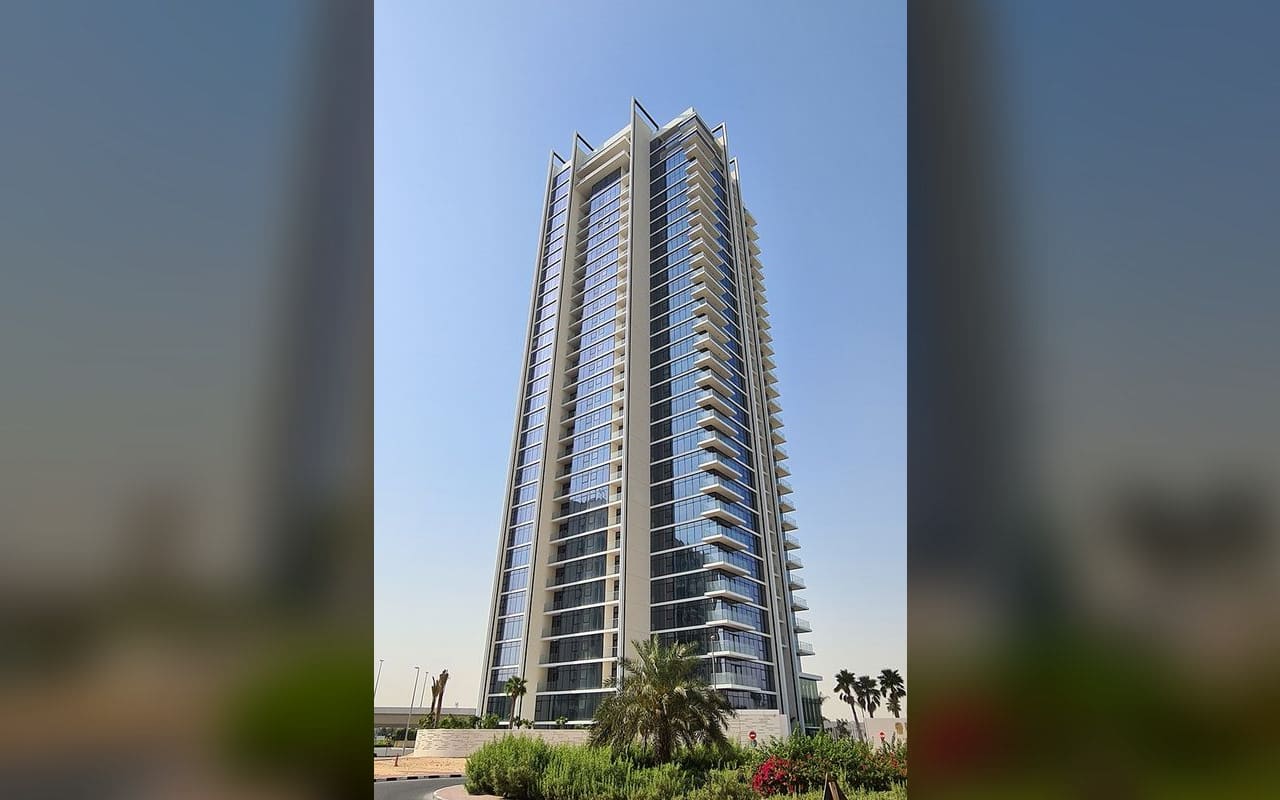
Jumeirah Lake Towers: the cluster grid across the highway from Marina — cheaper, calmer, and with a metro station at each end.
74 units in stock. 57 with a confirmed status: 14 ready, 43 under construction. 78th most expensive of 91 districts by median price.
- above-average yields
- metro access
- central location at lower cost
Median price $504K AED 1,850,000
Entry price $87K AED 320,000 — cheapest unit
Per square foot $533 AED 1,958 / sq ft, median
Ready stock 25% 33 units discounted, up to −28%
What is nearby, and what it does to the price
What this area is actually like
How JLT is organised
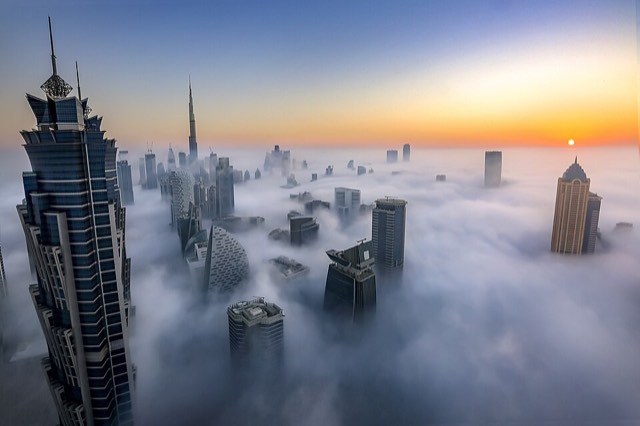
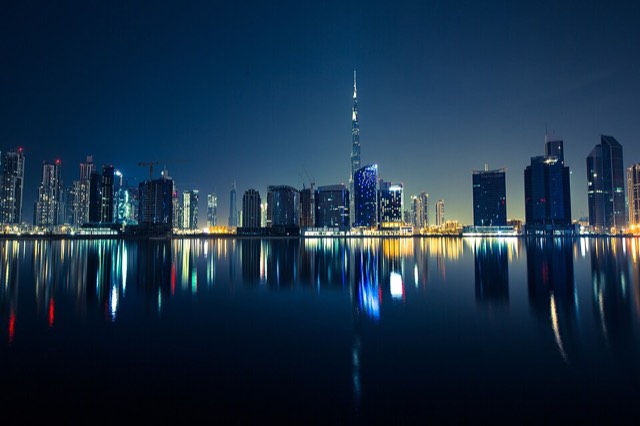
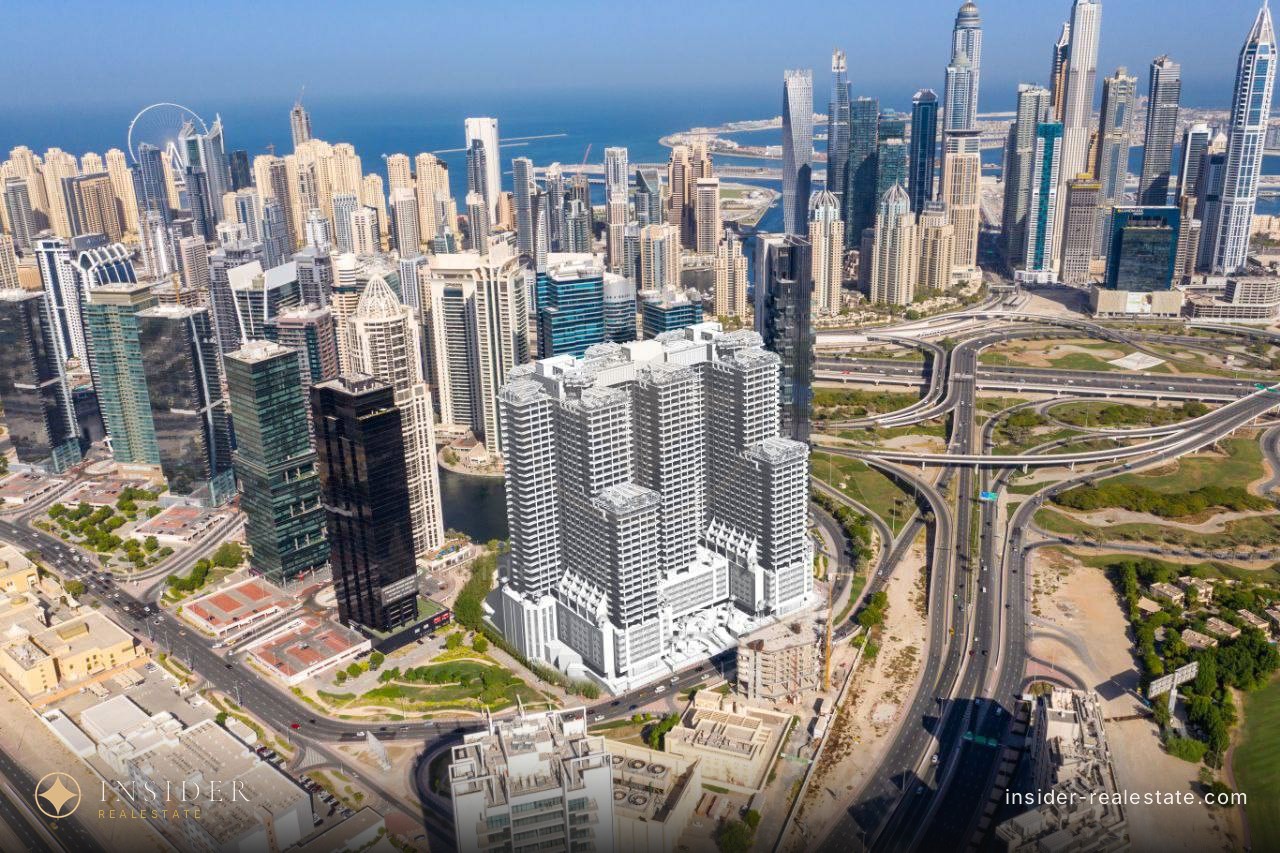
Jumeirah Lake Towers sits directly across Sheikh Zayed Road from Dubai Marina. It is laid out as twenty-six clusters lettered A to Z, each of three or four towers arranged around one of four artificial lakes. The grid is rigid and, once you understand it, extremely easy to navigate.
It was developed by DMCC as a free zone, which means a large share of the ground-floor and podium space is commercial: offices, small businesses, restaurants and shops. That mix gives JLT genuine street life, which most Dubai apartment districts lack.
Two metro stations serve it on the red line, at either end of the district, with a walkable core between them and a lakeside promenade running through it.
JLT versus Marina
This is the comparison that matters, because they are neighbours separated by a road. JLT is meaningfully cheaper for a comparable unit, materially less congested, and has a lower density of tourists and short-let traffic.
Marina has the water frontage, the promenade, beach proximity and the brand. JLT has the lakes, which are pleasant but are not the sea, and a slightly more residential, less transient character.
For an investor, JLT typically produces a better gross yield; for an owner-occupier, it produces a calmer daily life at a lower cost. For resale liquidity and international recognition, Marina wins.
The cluster lottery
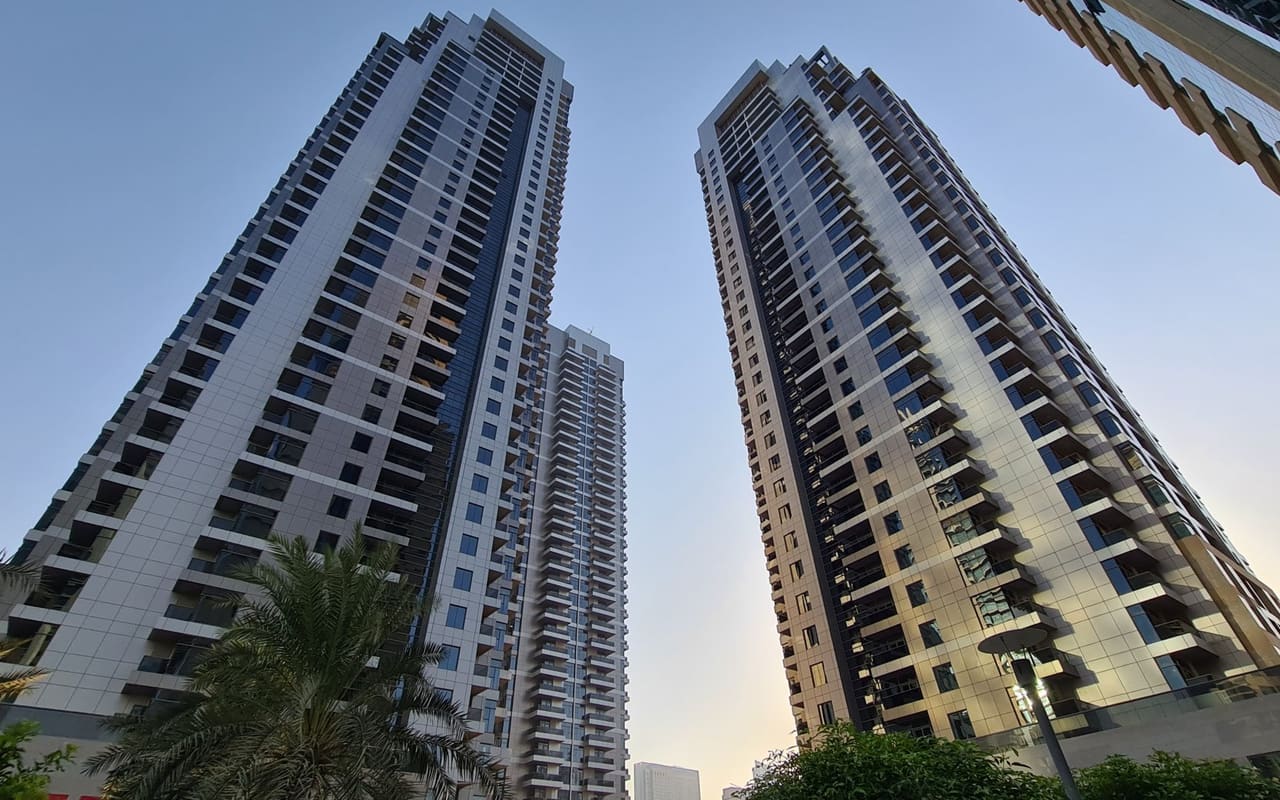
JLT’s towers were built by many different developers over roughly a decade, and the variance between them is wide. Some clusters are well maintained with competent owners associations; others have had persistent problems with service charges, maintenance and management.
The lakeside towers in the better clusters are genuinely good buildings with proper lake views and easy access to the promenade. The inner towers in weaker clusters can be dark, poorly maintained and hard to let.
There is no shortcut here other than looking. Visit the specific cluster, look at the lobby and the corridors, check where the tower sits relative to the lake and the metro, and pull the service charge history.
Living in JLT
The district works well for people who want central-west Dubai without Marina prices. Metro access is genuinely good, the lakeside walk is pleasant in winter, and the concentration of small restaurants and cafés at podium level gives it more character than newer, cleaner districts.
Parking is the recurring frustration. Many buildings allocate one bay, visitor parking is scarce, and the commercial occupancy in the podiums competes for the same spaces during the working day.
Traffic within the clusters can be poor at peak because the internal road network is narrow and shared with commercial deliveries.
There are no schools inside JLT; families drive to Al Barsha, Emirates Hills or Media City.
The investment case
JLT offers above-average gross yields for a central location with metro access, and a deep, stable tenant pool drawn from the free-zone businesses, Marina overflow and Media City workers.
Void risk is low. Rents are affordable relative to the surrounding districts, and there is consistent demand at every unit size.
Capital growth is moderate. The district is mature and fully built, so prices track the market. The upside comes from buying a well-run building in a good cluster at a price set by the district average rather than by the building’s quality.
Who it suits
Yield-focused investors who want a central location without paying Marina prices. Tenants and owner-occupiers who use the metro and want to be near the western business districts. Small business owners who like having a DMCC free-zone office in the same building as their apartment.
It suits poorly anyone who wants beach access on foot, anyone with two cars, and anyone who assumes all JLT towers are equivalent — they are not, and that assumption is the main way people lose money here.
The DMCC free zone underneath
JLT is administered by DMCC, the Dubai Multi Commodities Centre, which is one of the largest free zones in the world by company count. Tens of thousands of businesses are registered here, and many of them occupy space in the same towers as the apartments.
That is why the podium levels are full of small offices, trading companies, consultancies and the cafés that serve them, and why the district has street life on weekdays that a purely residential area lacks.
It also creates a specific tenant flow: people who set up a company in DMCC frequently rent in the same cluster, because the commute is a lift ride.
For an owner it is worth knowing whether your building is predominantly residential or genuinely mixed, because the mix affects lift traffic, parking pressure and the wear on common areas.
The lakes and the promenade
The four artificial lakes give JLT its name and its best public space: a landscaped promenade running around them, connecting the clusters, with cafés and restaurants along parts of it.
In the cooler months it is genuinely used — running, walking, evening crowds — and it is the district’s answer to Marina Walk across the highway.
Lake-facing units carry a real premium and hold it, both because of the outlook and because the water guarantees the view will not be built out.
Inner-cluster units facing another tower a short distance away are the cheap stock, and they are a legitimate yield buy provided you price the resale accordingly.
Choosing a cluster
The clusters closest to the two metro stations — at the northern and southern ends of the district — command the clearest rent premium, and the walk matters far more in July than the map suggests.
Beyond that, the variables are the building itself: which developer, what year, how the owners association has performed and what the service charge history looks like.
Some JLT towers have been well run for fifteen years; others have had persistent problems with chiller billing, maintenance backlogs and association disputes. Both types sit on the same lakeside.
Walk the specific tower on a normal weekday, look at a corridor on a random floor, wait for a lift at 8am, and ask for three years of charge history. In this district that hour determines your return more than the purchase price does.
More on JLT
Written breakdowns of subjects the English channel has not filmed.
- SO/ Uptown Tower: branded residences inside DMCC's new business cluster
A tower holding a hotel, offices and branded residences at the centre of a business district being built around it. What buying beside your own tenants means, and what to check in a mixed-use building.
The market, per the Land Department
Residential price index 167.33 Q4 2025
Quarter on quarter +3.32% QoQ
Year on year +8.9% YoY
Full year 2025 +9.81% index 162.51
This is the official index for the whole emirate, not for JLT: the Dubai Land Department does not publish a district breakdown publicly. Treat it as background — it tells you whether the market is rising or flat while you read the prices above. Transaction data for a specific building I pull separately, on request. Source: Dubai Land Department, read 15/08/2026.
The latest read: July 2026
The Land Department index above is quarterly and emirate-wide. The monthly price index splits villas from apartments — and in 2026 that matters: a single blended figure hides the fact that the two markets have pulled apart.
Villas and townhouses 292.5 flat YoY
Apartments 168.7 −4.2% YoY
All residential 219.2 −0.3% MoM
Price per sqft 2,039 villas · apartments 1,397 AED
The month split by completion status: 72.8% of deals were off-plan, 27.2% ready homes. Ready-home volume rose 11.4% on the month, while off-plan was the only segment down both on the month and on the year (−45.3%). The practical read: there is room to negotiate on apartments and on off-plan, far less on finished villas in established communities. Index base is January 2021 = 100 — a villa reading of 292.5 means growth of 192.5% from that mark, not a premium over a 2021 peak. Monthly ValuStrat market review for July 2026, checked 24/08/2026.
Questions about JLT
Is JLT better value than Dubai Marina?
On price and yield, generally yes — JLT is cheaper for a comparable unit and typically produces a better gross return, with metro access and less congestion. Marina wins on water frontage, beach proximity, international recognition and resale liquidity.
What are the JLT clusters?
JLT is laid out as twenty-six clusters lettered A to Z, each containing three or four towers around one of four artificial lakes. Quality, management and service charges vary considerably from cluster to cluster.
Other districts
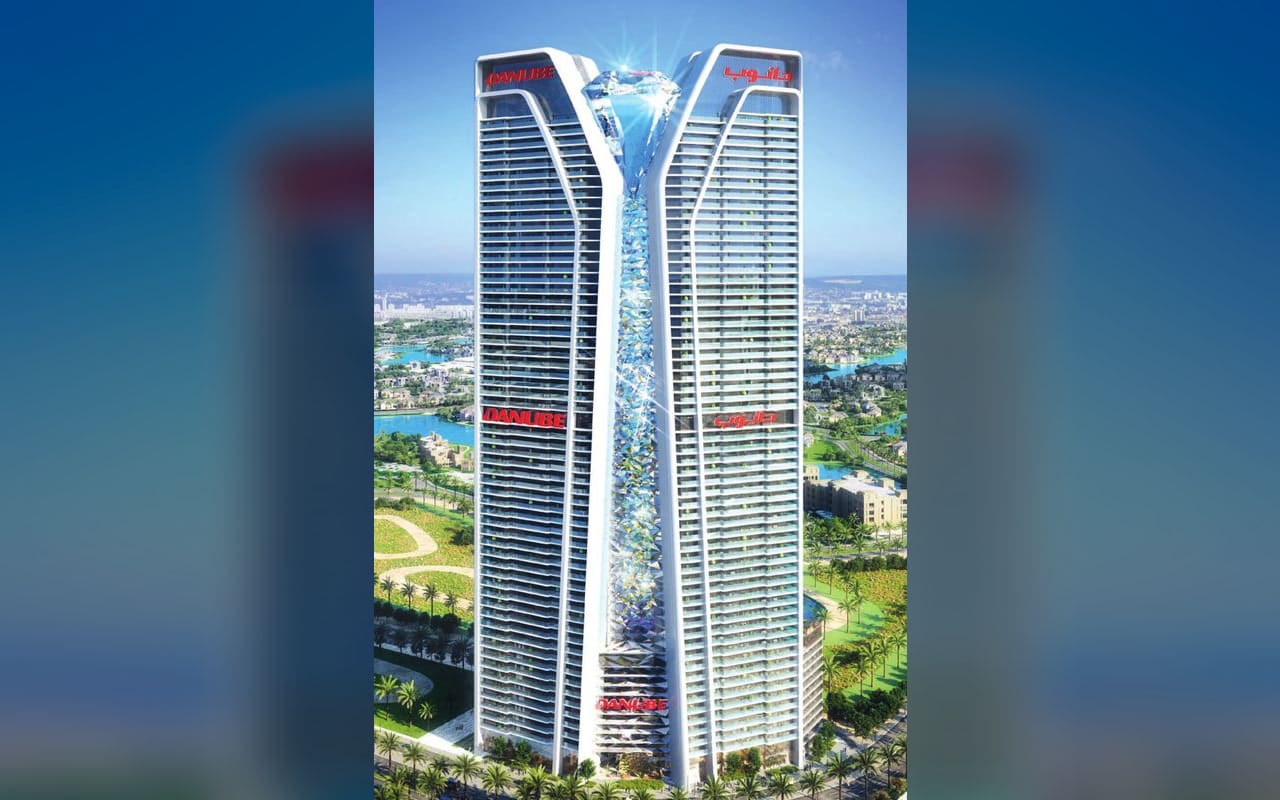
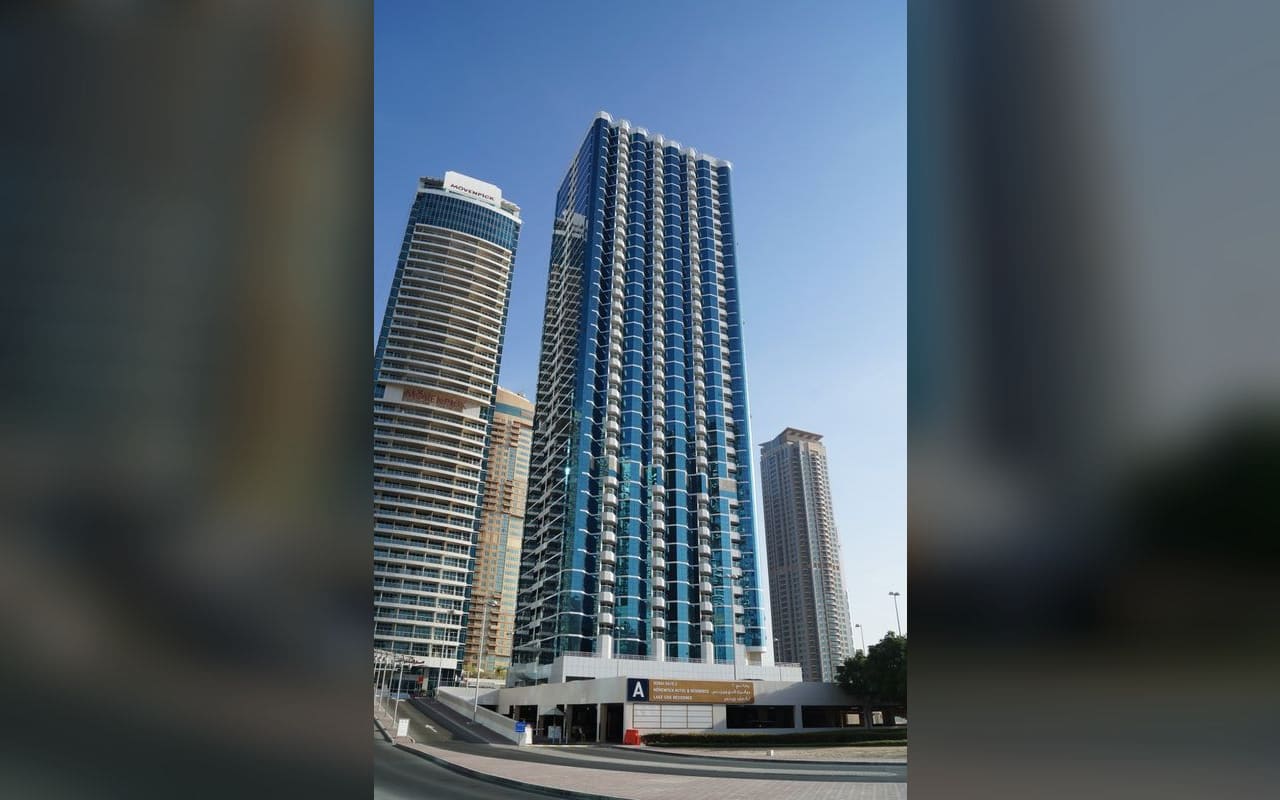
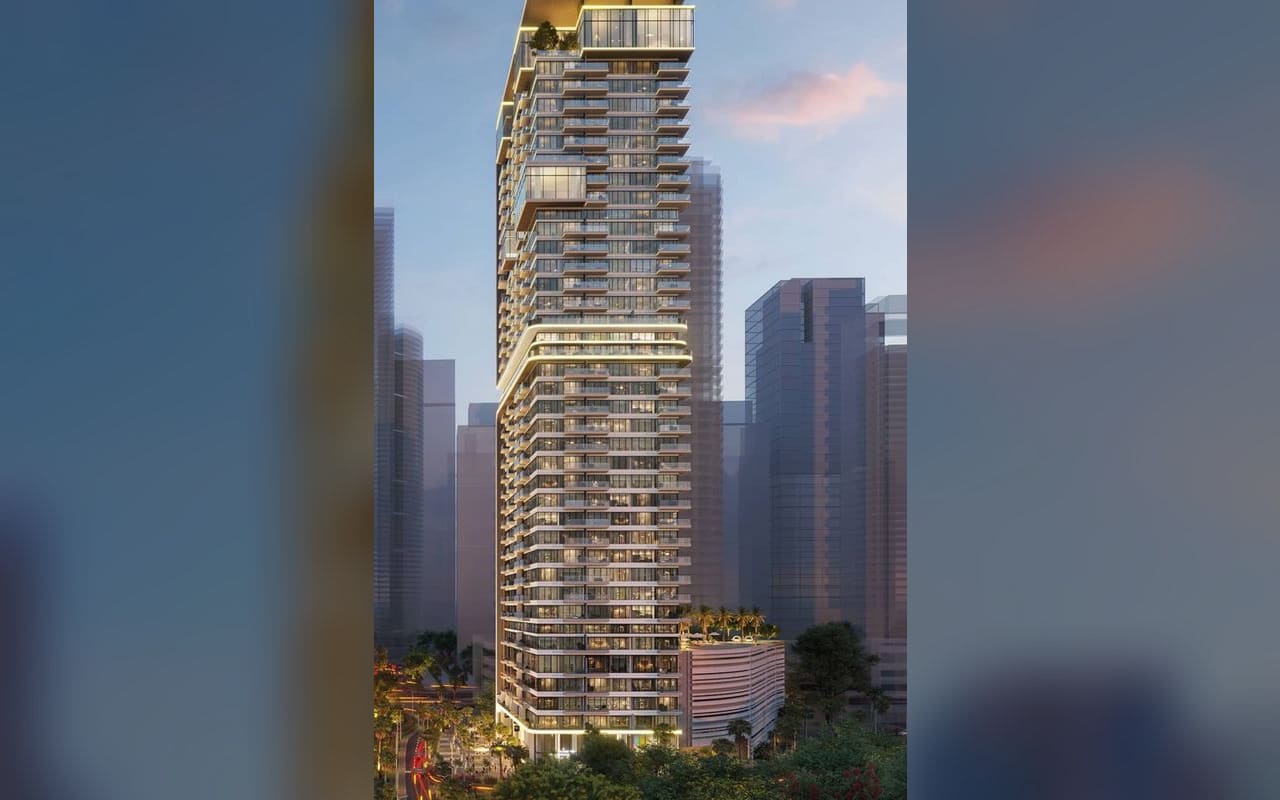
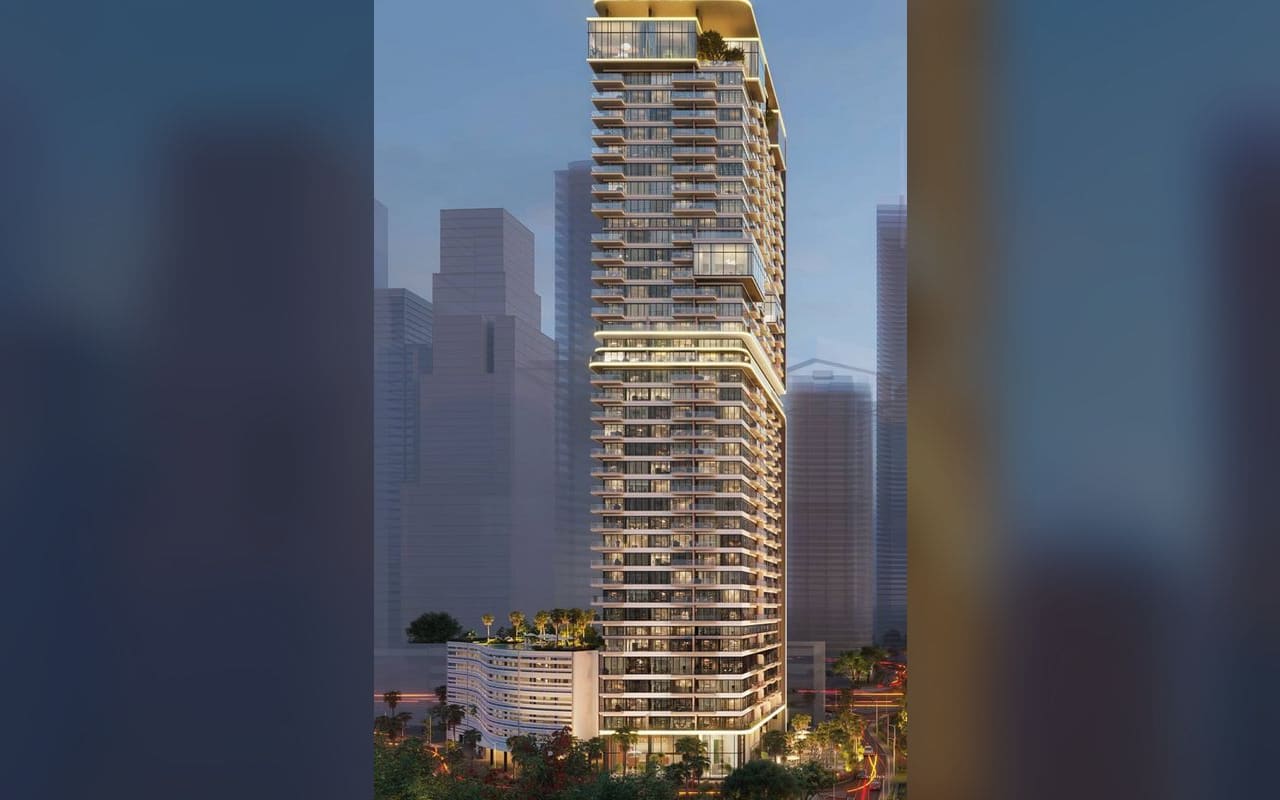
All districts →Projects in JLT
All projects in JLT →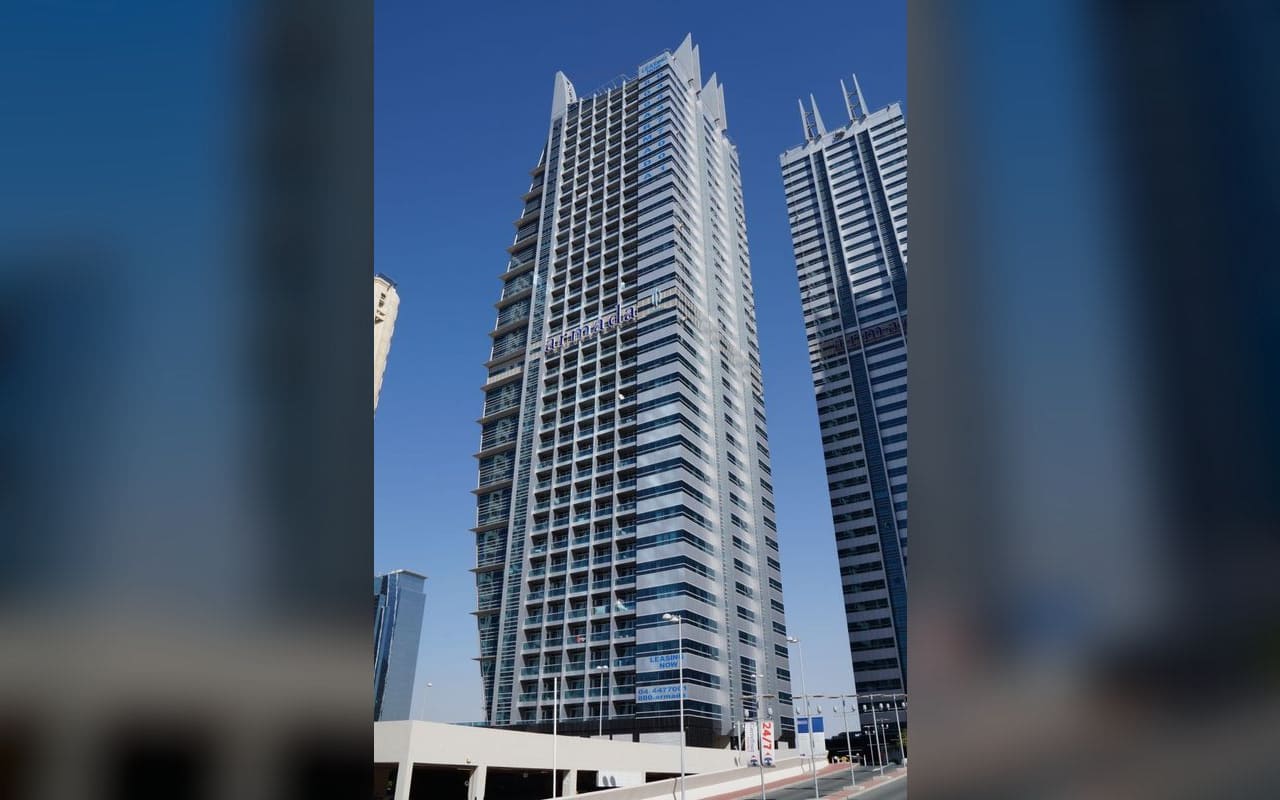
JLT in the news
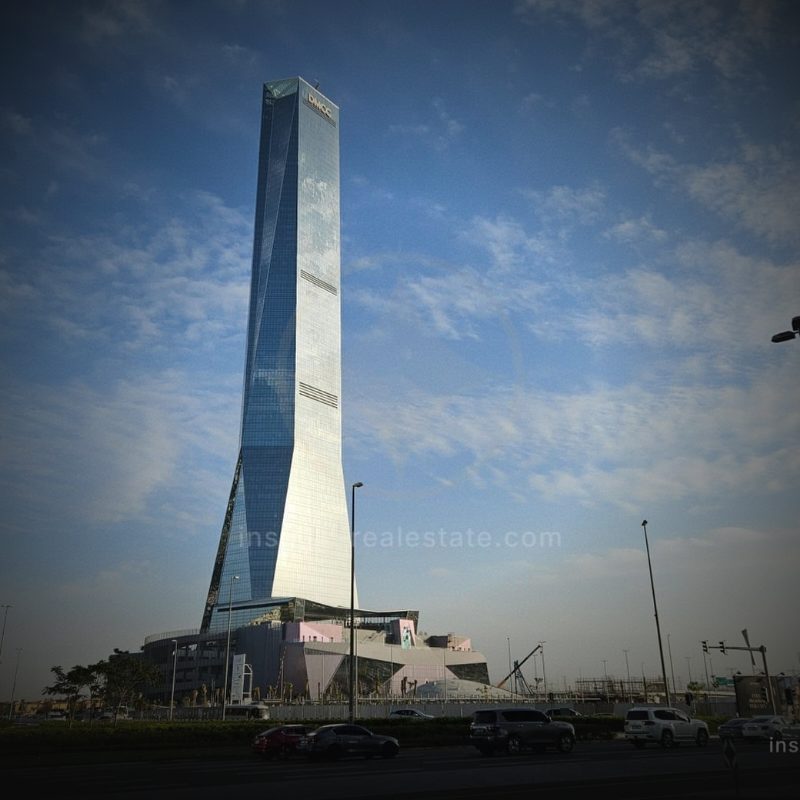
Grade A offices in Dubai: DMCC launches One Uptown Place and Two Uptown Place
DMCC is adding two office towers to Uptown Dubai — 21 and 15 storeys, more than 560,000 sq ft of Grade A space and 82,000 sq ft of retail. Leasing opens in the second half of 2026 and completion is due in Q1 2028, taking the district past 1m sq ft. What it means for nearby owners.
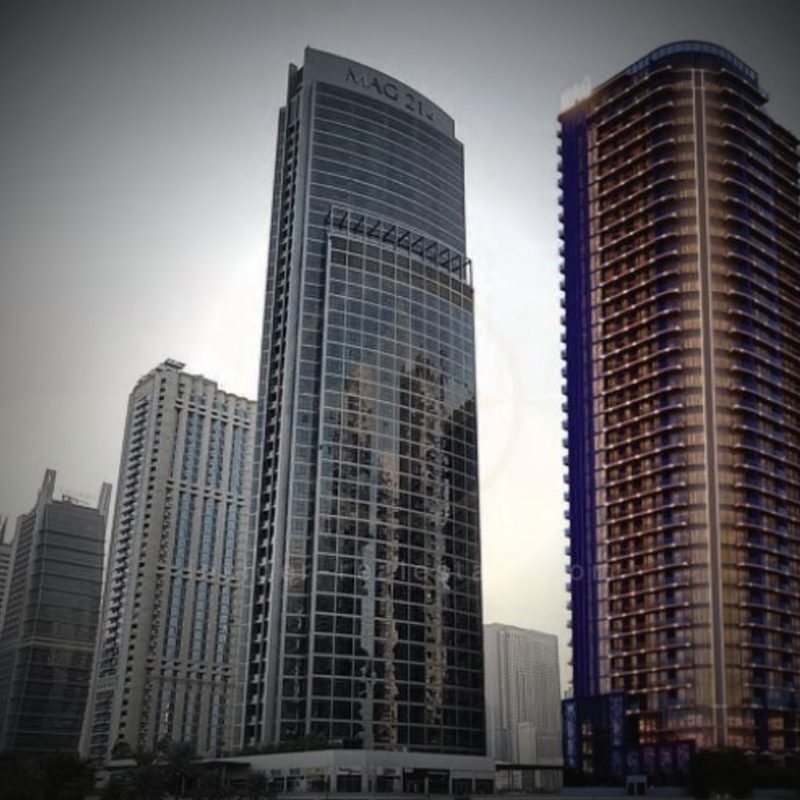
The unfinished Al Saqran tower in JLT sold at auction for AED 210m — and what replaced it
Started in 2009 and never finished, the Al Saqran tower in JLT went to auction in February 2024 at a AED 110m opening bid. Over four hours, more than 130 bidders pushed the price to AED 210m. MBL Signature is now under construction on the site.

Bonyan International Investment Group Holding: how to read a title deed
A developer with a JLT tower completed in 2018. The title deed is the only document that proves what you own, and most buyers glance at it once — here is what each line means.

Orra Real Estate Development: JLT or the Marina, two districts a road apart
A developer with buildings on both sides of Sheikh Zayed Road. The two districts look interchangeable on a map and behave differently — here is what the price gap actually buys.
Me Do Re Properties: building in JLT, a district with its own rules
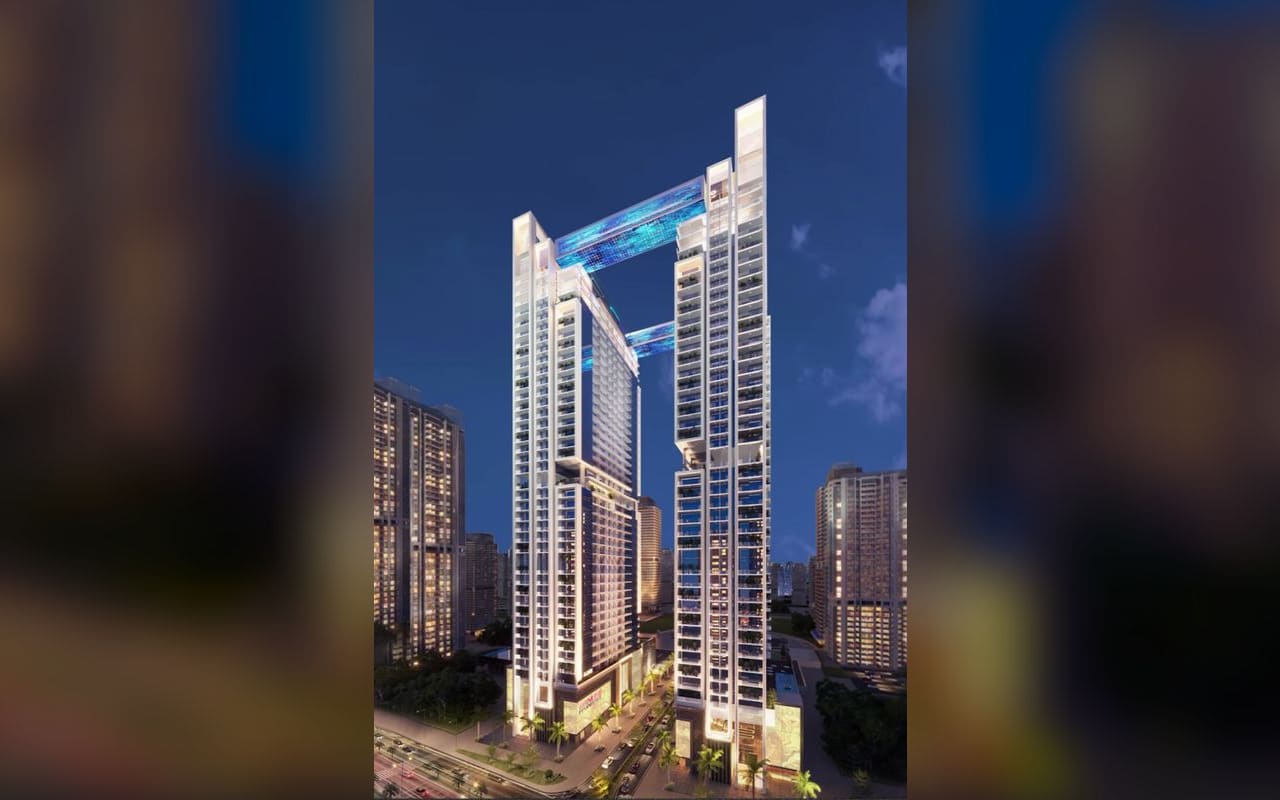
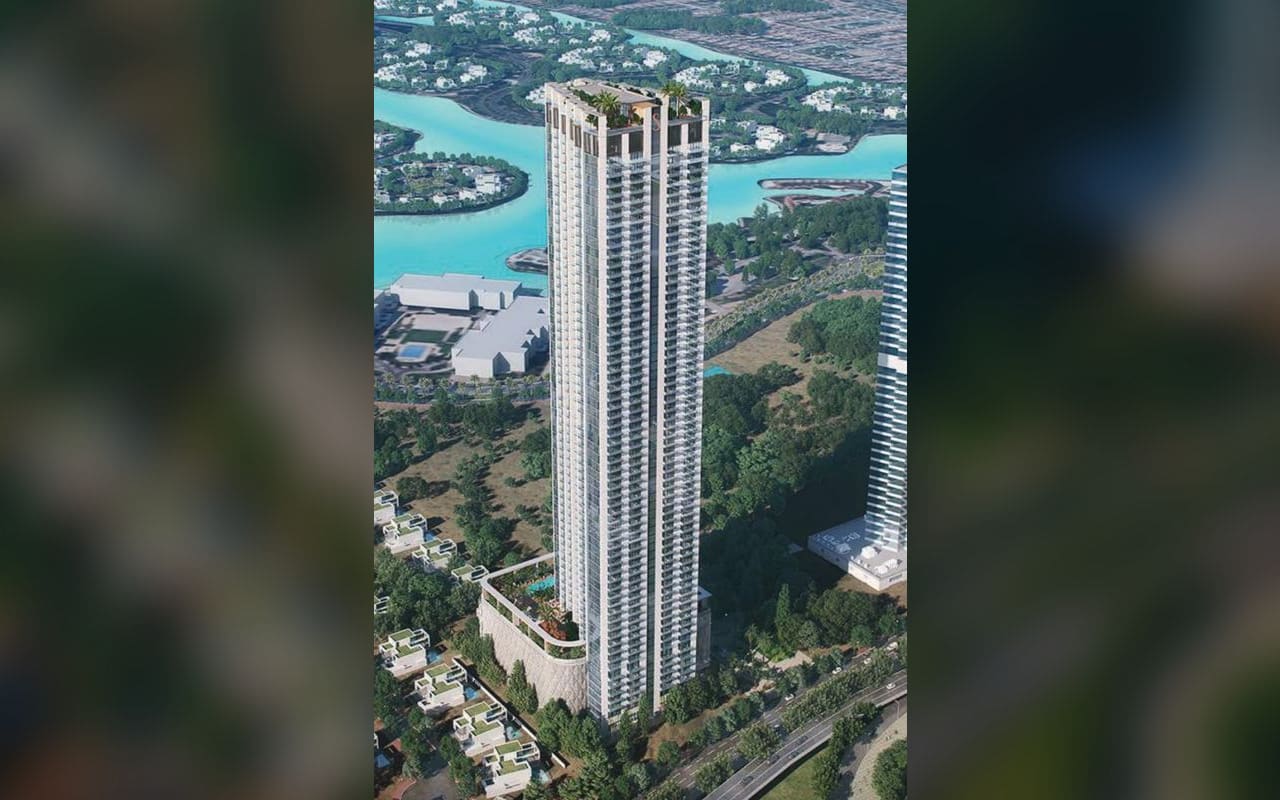
A developer with a tall tower under construction in Jumeirah Lake Towers. JLT is laid out and governed differently from the rest of Dubai, and that shapes what you own.
Looking at JLT specifically?
Send me the building or the unit and I will pull the registered transaction history, the current service charge and what comparable units actually let for — before you make an offer, not after.
Ask on WhatsAppAsk a question
Telegram is the fastest way — I answer personally.
Message on Telegram