
 −25%
−25% Arabian Ranches
Emaar’s original villa community: mature, established, and the benchmark every later family district is measured against.
67 units in stock. 62 with a confirmed status: 61 ready, 1 under construction. 32nd most expensive of 91 districts by median price.
- families with children
- mature landscaping
- stable long tenancies
Median price $1.71M AED 6,290,000
Entry price $762K AED 2,800,000 — cheapest unit
Per square foot $508 AED 1,866 / sq ft, median
Ready stock 98% 62 units discounted, up to −25%
What this area is actually like
What Arabian Ranches is
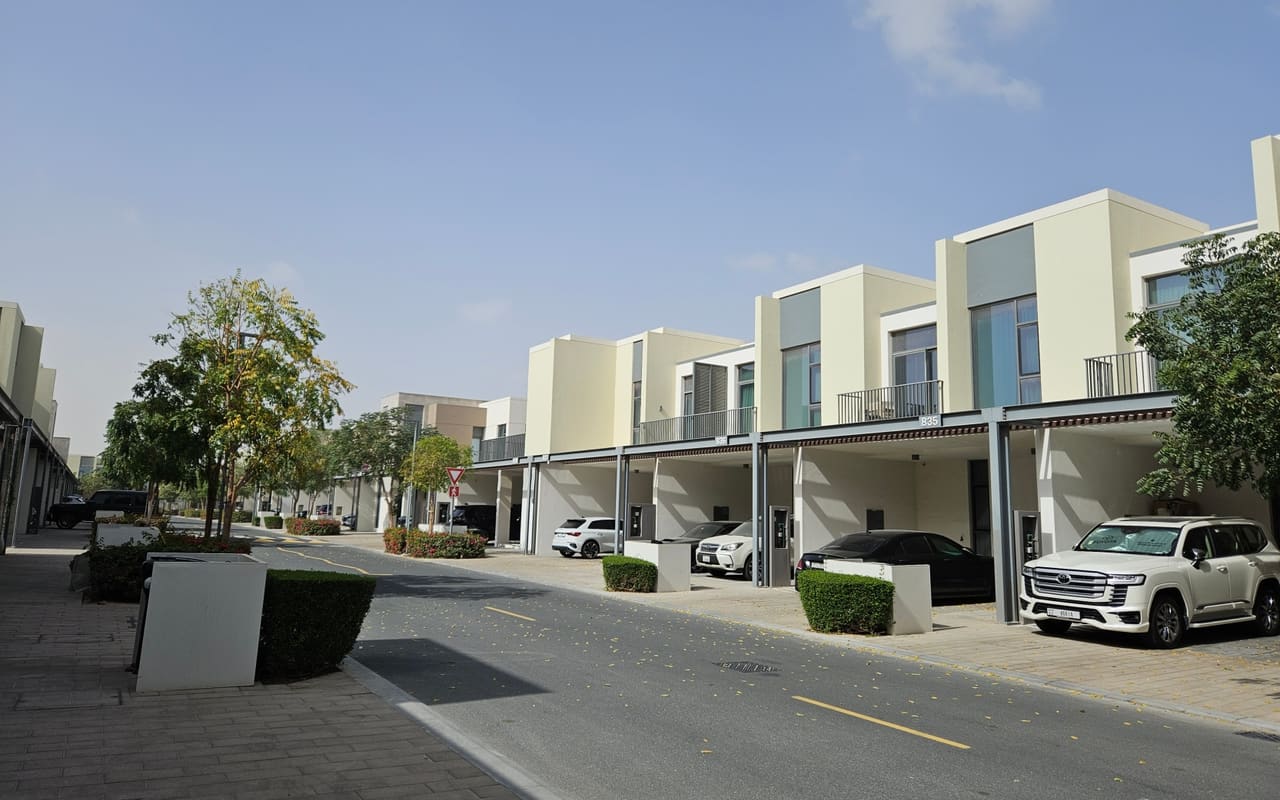
Arabian Ranches was Emaar’s first large villa community, launched in the early 2000s off Sheikh Mohammed Bin Zayed Road, and it defined the template every subsequent Dubai family district has followed: gated sub-communities, a golf course, a community centre, schools, and detached houses on real plots.
It has since grown into three phases — the original Ranches, Ranches II and Ranches III — spread across a large area, with the earlier phases now genuinely mature. Trees have grown, the landscaping has filled in, and the community has the settled feel that new masterplans cannot manufacture.
That maturity is the core of its appeal and it is also, in the original phases, the source of its main issue: the housing stock is now twenty years old.
The three phases are different products
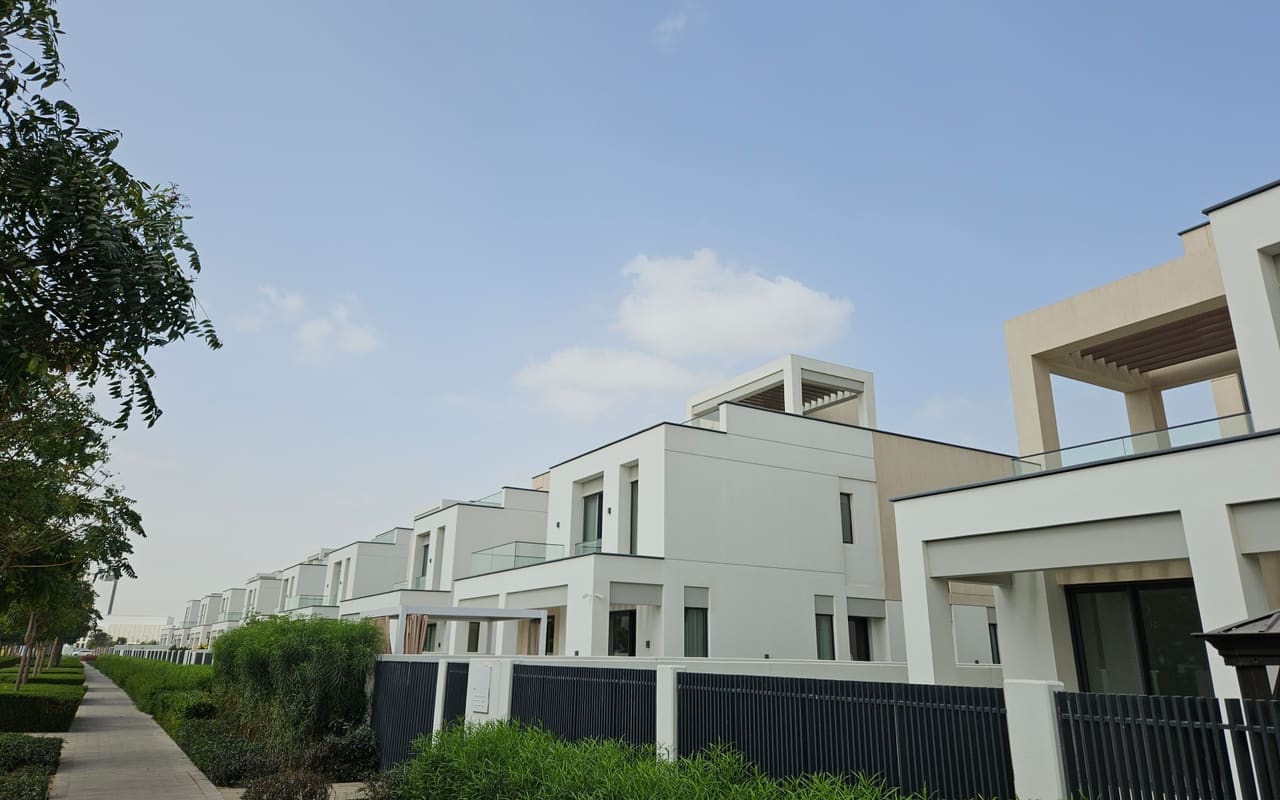
The original Arabian Ranches has the largest plots, the most mature landscaping, the golf course and the established community infrastructure. It also has the oldest houses, many of which need or have had substantial refurbishment.
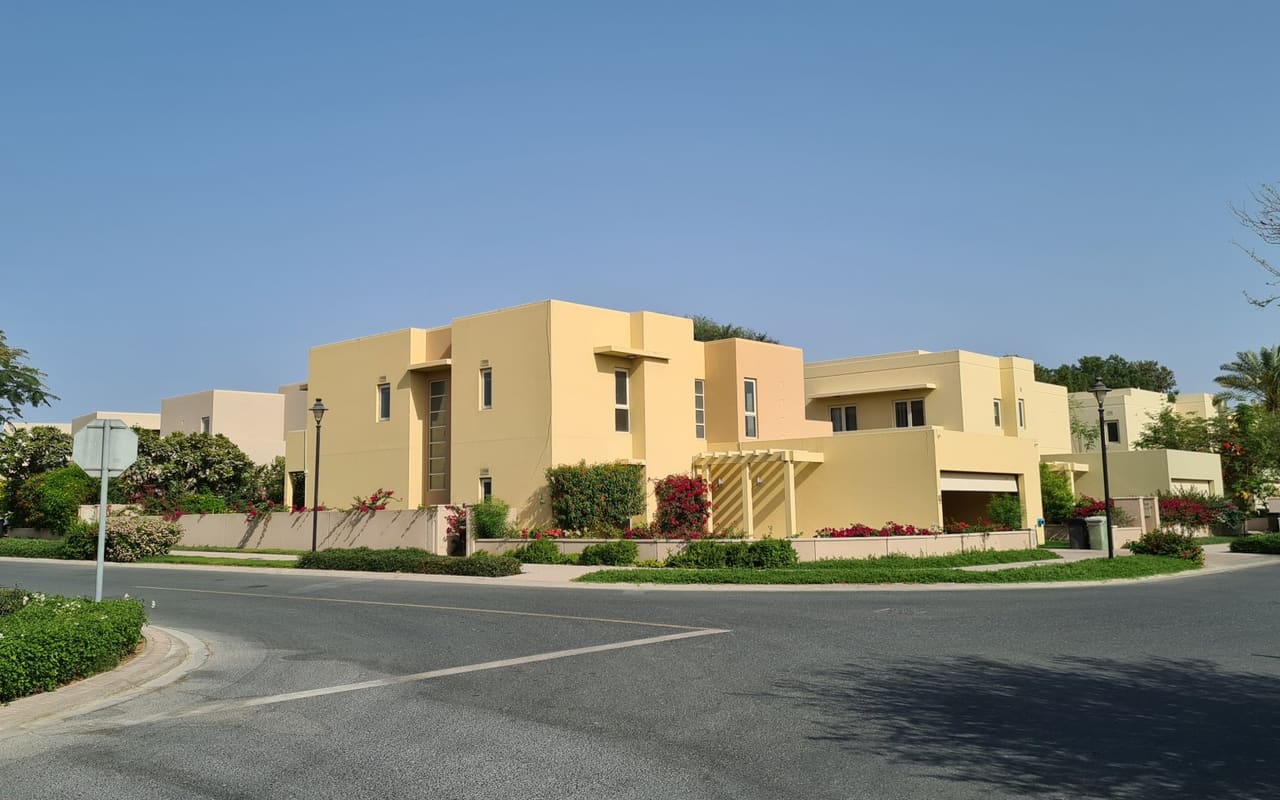
Ranches II is newer, denser, and built to a different specification. Plots are generally smaller and the layouts more contemporary.
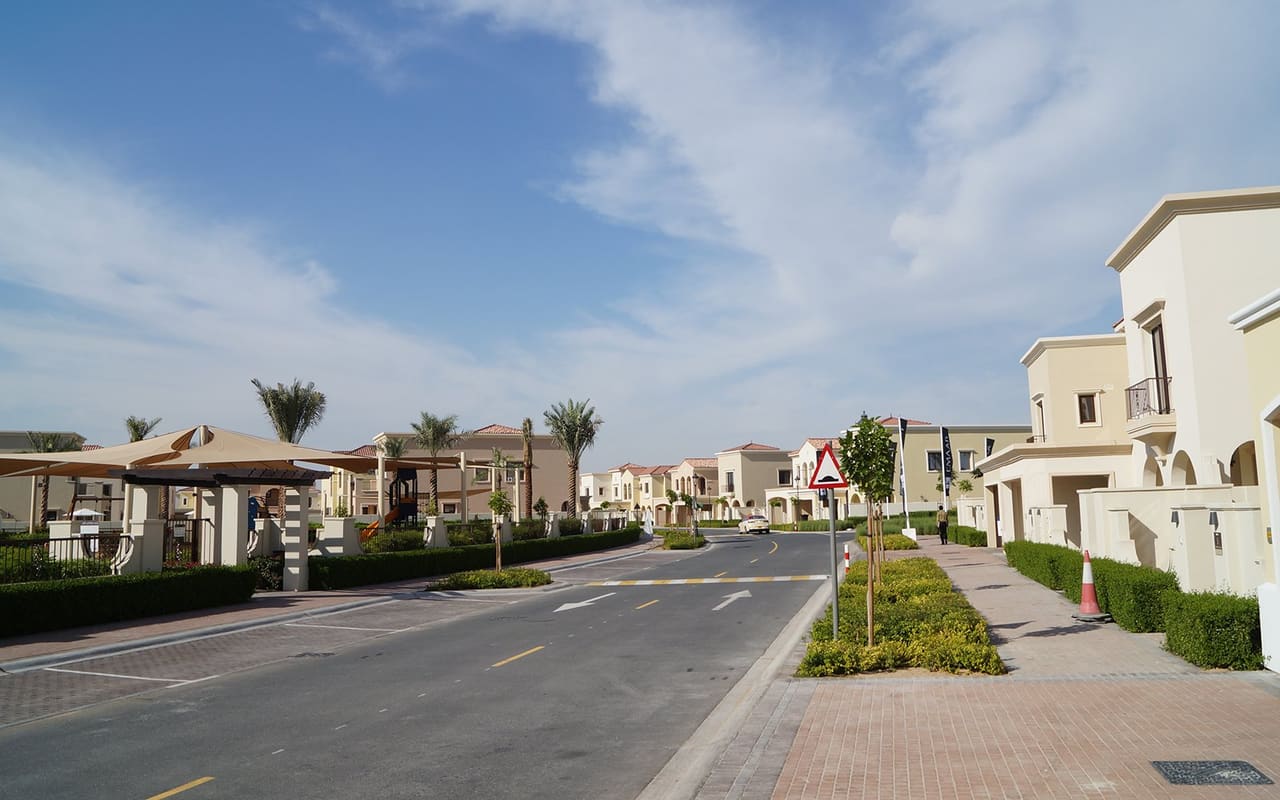
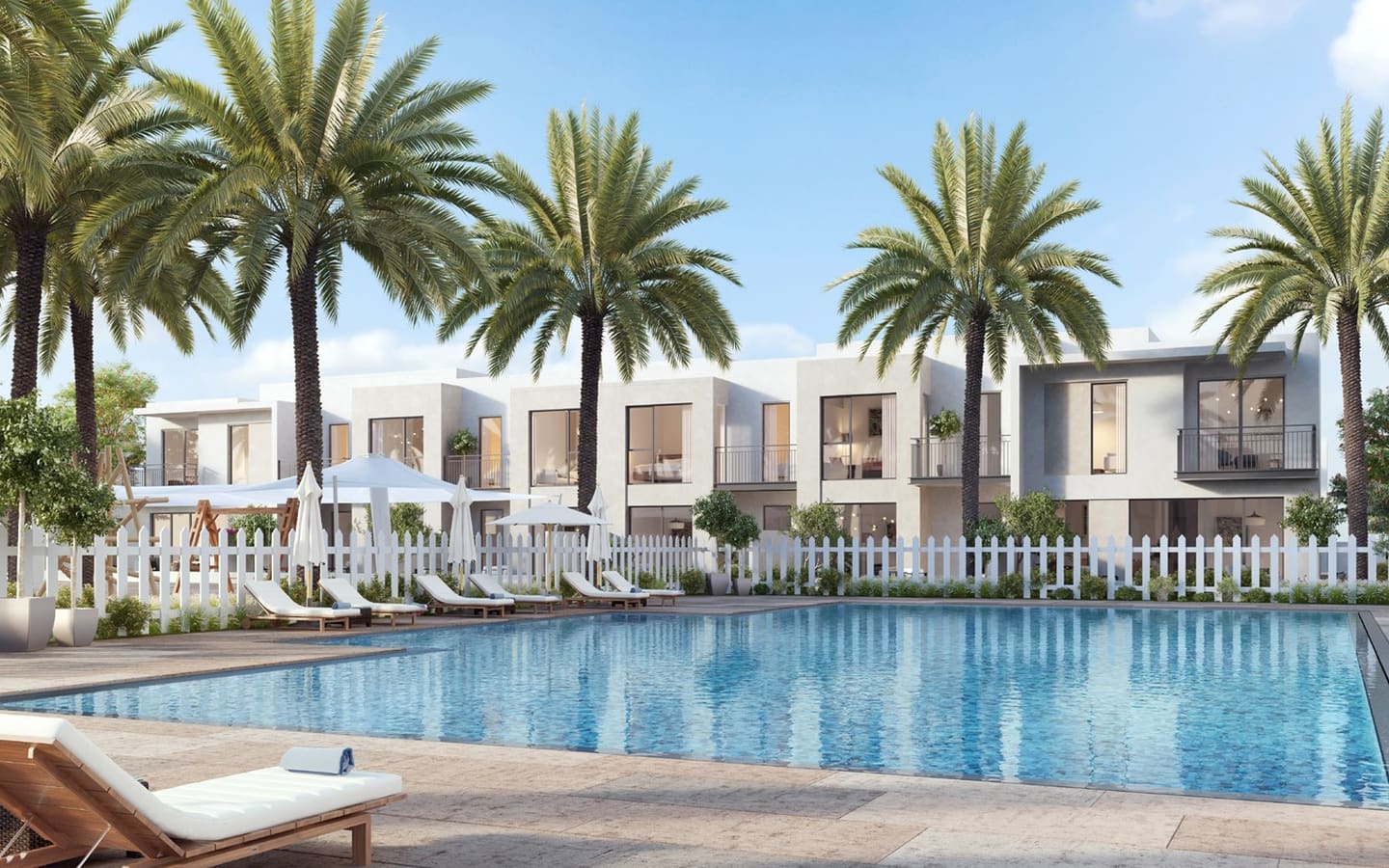
Ranches III is newer again and is predominantly townhouses rather than detached villas, aimed at a lower price point and a different buyer.
Comparing a price per square foot across the three tells you nothing useful. Establish which phase, which sub-community and which villa type before you compare anything.
Why families keep choosing it
Schools inside the community, a proper community centre with a supermarket and clinics, parks, the golf course, and a road layout designed for children rather than retrofitted.
Tenant stability is exceptional. Families move here for the schools and stay for the school cycle, which means multi-year tenancies and very low churn — a materially different proposition for a landlord than an apartment district.
The community management under Emaar is reliable, which over a twenty-year holding period is worth more than most buyers account for.
The refurbishment question
A twenty-year-old Dubai villa has usually needed work: air conditioning, plumbing, kitchens, bathrooms, sometimes the roof. Some have had it and some have not.
An unrefurbished original-phase villa trades at a substantial discount to a refurbished one, and the gap is often larger than the actual cost of the work — which is where the opportunity is, if you have the appetite and the contractor.
Get a proper survey. In this community more than most, the difference between two apparently identical houses on the same street is what is behind the walls.
Location and access
Off Sheikh Mohammed Bin Zayed Road, roughly twenty-five to thirty minutes to Downtown and a similar run to Marina off-peak, longer at peak. No metro, and none planned.
That commute is the trade. It was the standard Dubai villa bargain for two decades — space in exchange for driving — and it is exactly what Meydan and MBR City now compete against by offering houses fifteen minutes from the centre.
Everyday amenity within the community is good; for anything larger, residents drive to Mall of the Emirates, Dubai Hills Mall or Cityland.
The investment view
Arabian Ranches is a stable, liquid, family-driven market with reliable rental demand and moderate yields. It is not where capital growth is fastest — the community is mature and the newer competition is closer to the centre.
The value opportunity is in unrefurbished original-phase villas bought at a discount and brought up to standard.
It suits a family that will live here, and a long-term landlord who wants low churn and a good tenant. It suits poorly anyone chasing yield percentage or short-hold capital growth.
The sub-communities of the original phase
Arabian Ranches I is not one place but a dozen: Al Reem, Saheel, Mirador, Alvorada, Palmera, Savannah, Terra Nova, La Avenida and others, each a distinct cluster with its own house types, plot sizes and price band.
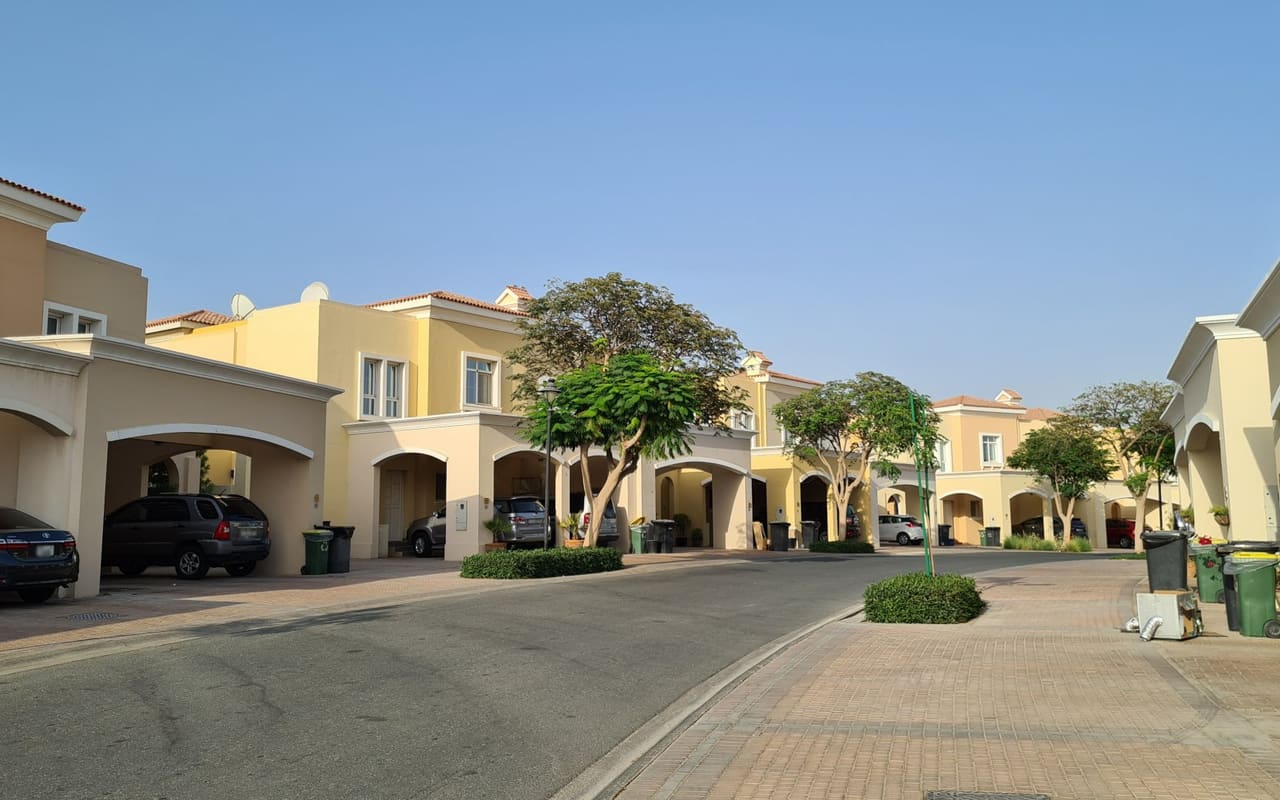
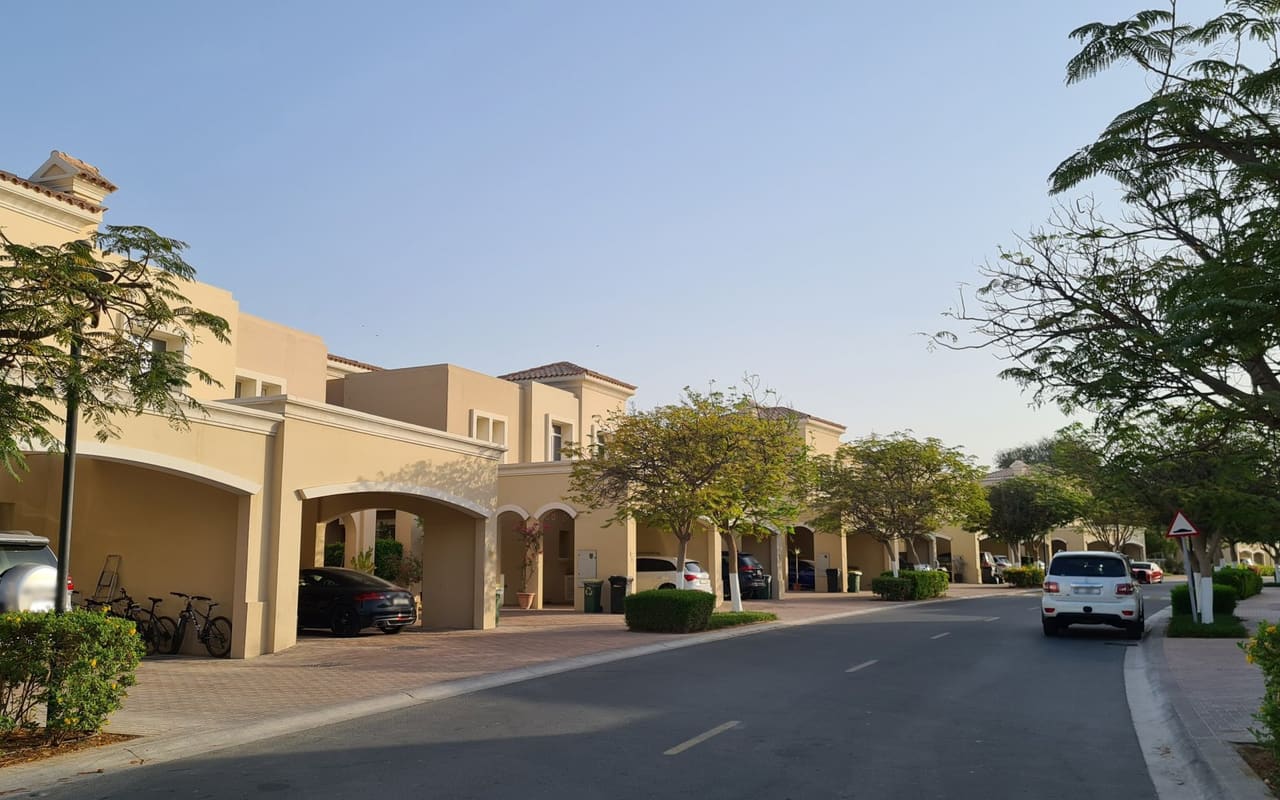
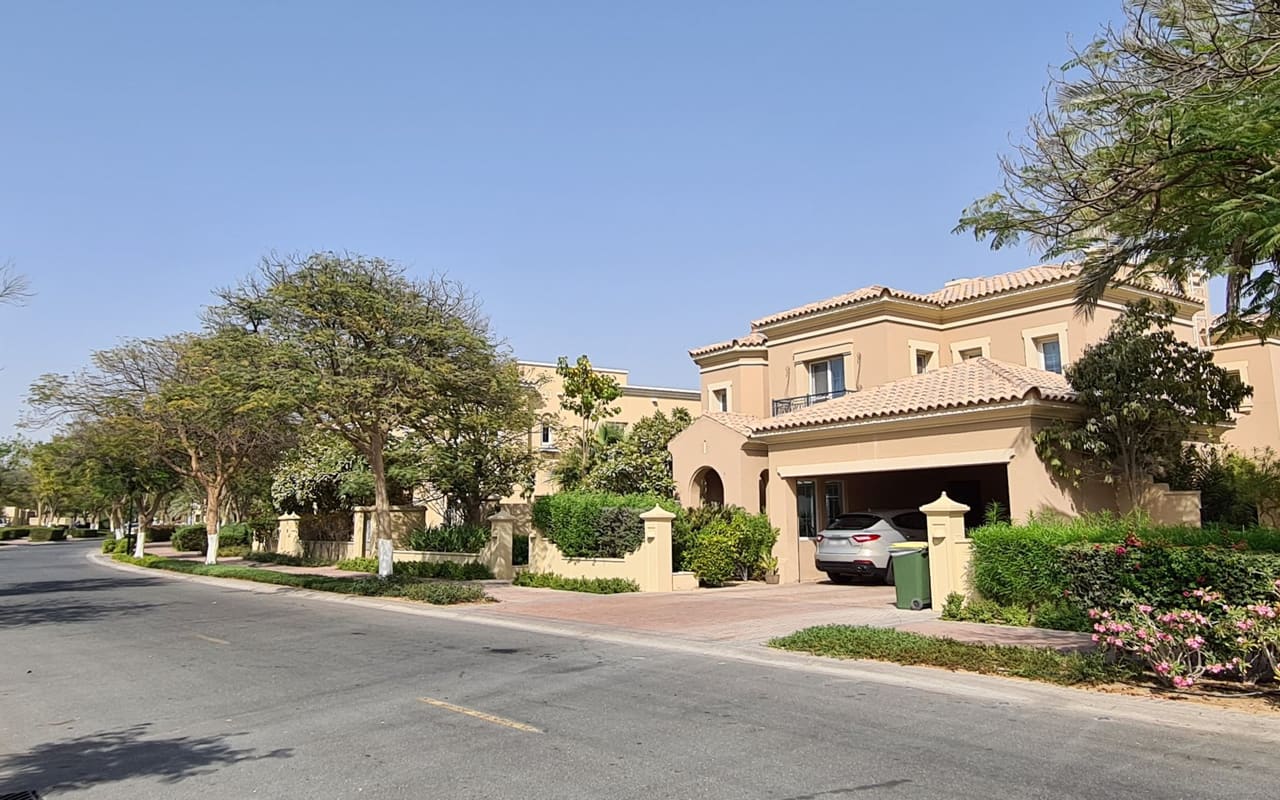
Al Reem and Palmera are the smaller, more affordable end — three-bedroom houses on modest plots, the volume product and the fastest to let. Saheel, Mirador and Alvorada sit at the top with large detached villas on generous plots, several backing onto the golf course.
Prices between them differ by a multiple, and a per-square-foot figure for "Arabian Ranches" blends all of it into a number that describes nothing.
When you see a listing, the sub-community is the first thing to establish and the plot is the second. The bedroom count is the least informative of the three.
The golf course and the community centre
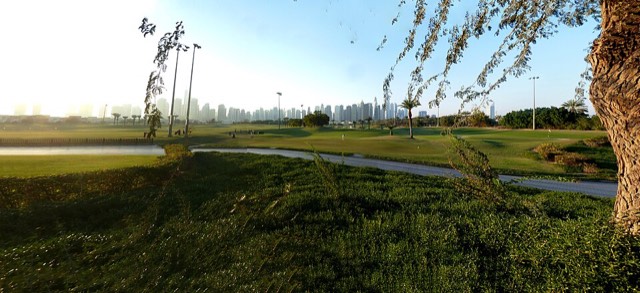
The Arabian Ranches Golf Club sits at the heart of the original phase, and plots backing onto it carry the community’s highest premiums. It is a full eighteen-hole course with a clubhouse rather than a decorative feature.
The community centre is arguably more important to daily life: a supermarket, clinics, restaurants, a pharmacy and the everyday retail that means residents do not drive to Mall of the Emirates for a loaf of bread.
Two schools sit inside or immediately adjacent, and that is the single strongest driver of the community’s tenant stability.
Between them, the golf, the schools and the centre are why Arabian Ranches has retained residents for twenty years while newer communities with better specifications have struggled to.
The competition it now faces
When Arabian Ranches launched, a house in Dubai meant a long drive, and this was the best version of that bargain. Two decades later Meydan, MBR City, Nad Al Sheba and Dubai Hills all offer houses considerably closer to the centre.
That has changed the community’s position: it competes now on maturity, plot size and price rather than on location.
It competes well on all three. Plots here are larger than in the newer communities at comparable prices, the landscaping is grown in, and the price per square metre of house is lower than in Dubai Hills.
What it will not do again is reprice the way it did in its first decade. Treat it as a stable, liquid, family-driven market with moderate yields — and look hardest at the unrefurbished houses, where the value still is.
More on Arabian Ranches
Written breakdowns of subjects the English channel has not filmed.
- Arabian Ranches: where the value is after twenty years
Emaar's first villa community and the template every later family district copied. Three phases that are three different markets, a dozen sub-communities inside the first one, and an unrefurbished-villa discount worth understanding.
The market, per the Land Department
Residential price index 167.33 Q4 2025
Quarter on quarter +3.32% QoQ
Year on year +8.9% YoY
Full year 2025 +9.81% index 162.51
This is the official index for the whole emirate, not for Arabian Ranches: the Dubai Land Department does not publish a district breakdown publicly. Treat it as background — it tells you whether the market is rising or flat while you read the prices above. Transaction data for a specific building I pull separately, on request. Source: Dubai Land Department, read 15/08/2026.
The latest read: July 2026
The Land Department index above is quarterly and emirate-wide. The monthly price index splits villas from apartments — and in 2026 that matters: a single blended figure hides the fact that the two markets have pulled apart.
Villas and townhouses 292.5 flat YoY
Apartments 168.7 −4.2% YoY
All residential 219.2 −0.3% MoM
Price per sqft 2,039 villas · apartments 1,397 AED
The month split by completion status: 72.8% of deals were off-plan, 27.2% ready homes. Ready-home volume rose 11.4% on the month, while off-plan was the only segment down both on the month and on the year (−45.3%). The practical read: there is room to negotiate on apartments and on off-plan, far less on finished villas in established communities. Index base is January 2021 = 100 — a villa reading of 292.5 means growth of 192.5% from that mark, not a premium over a 2021 peak. Monthly ValuStrat market review for July 2026, checked 24/08/2026.
Questions about Arabian Ranches
What is the difference between Arabian Ranches I, II and III?
Ranches I has the largest plots, the most mature landscaping, the golf course and the oldest houses. Ranches II is newer and denser with smaller plots. Ranches III is newer again and predominantly townhouses at a lower price point. They are three distinct markets.
How far is Arabian Ranches from Downtown?
Roughly twenty-five to thirty minutes off-peak via Sheikh Mohammed Bin Zayed Road, longer at peak, with no metro access. That commute is the standard trade-off for space in Dubai villa communities.
Other districts
All districts →Projects in Arabian Ranches
All projects in Arabian Ranches →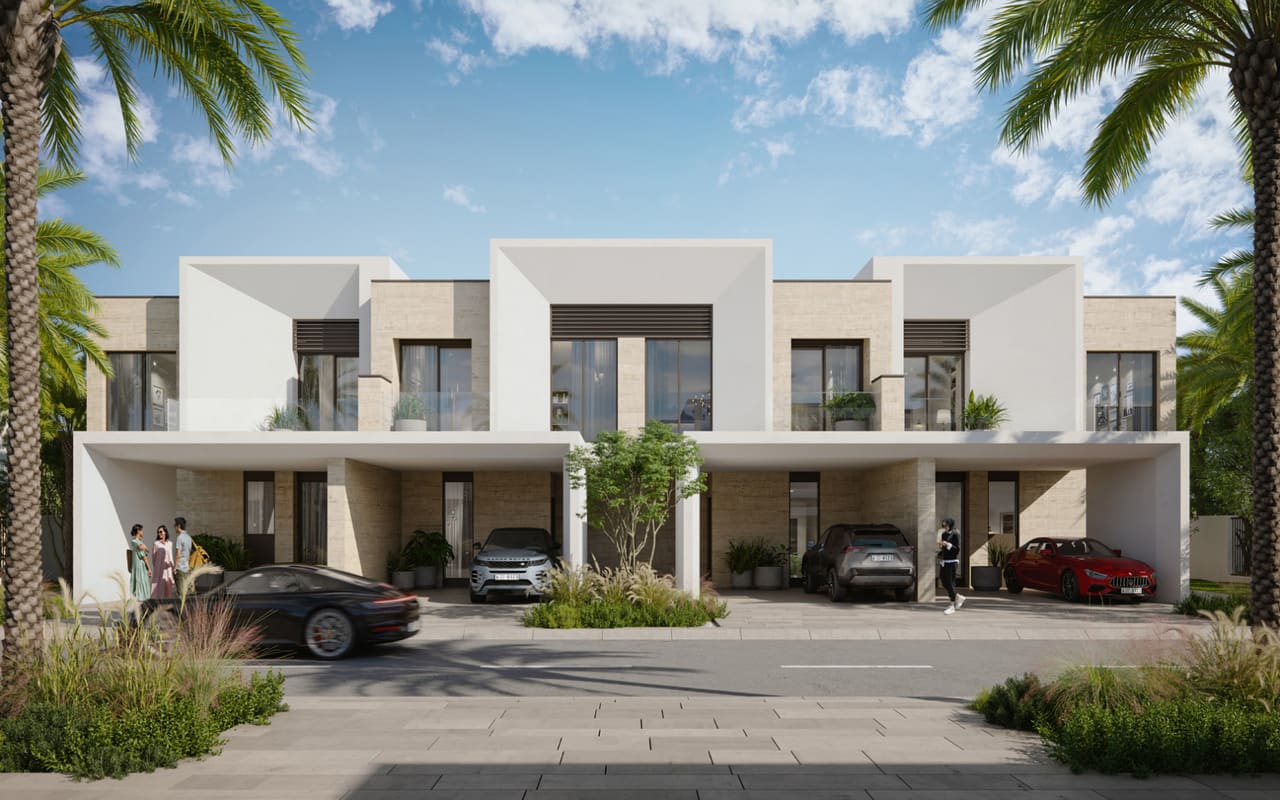
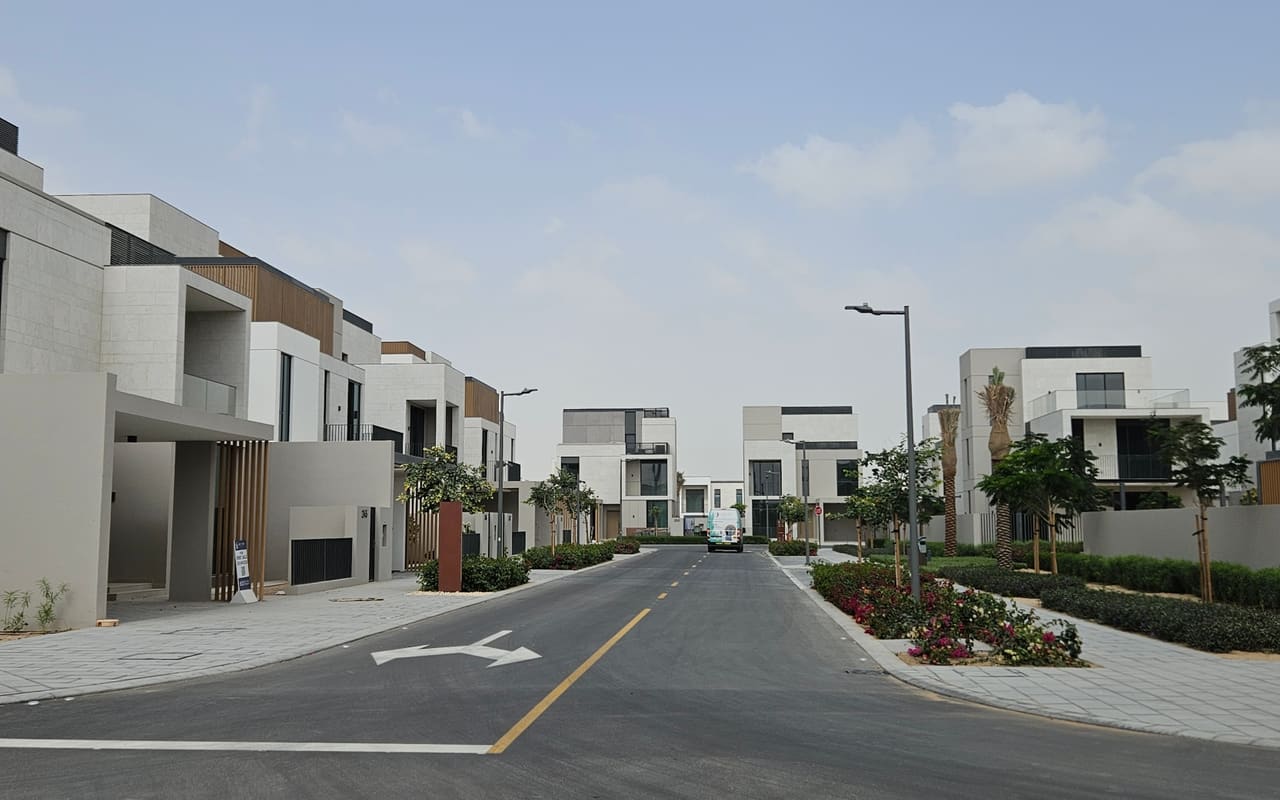
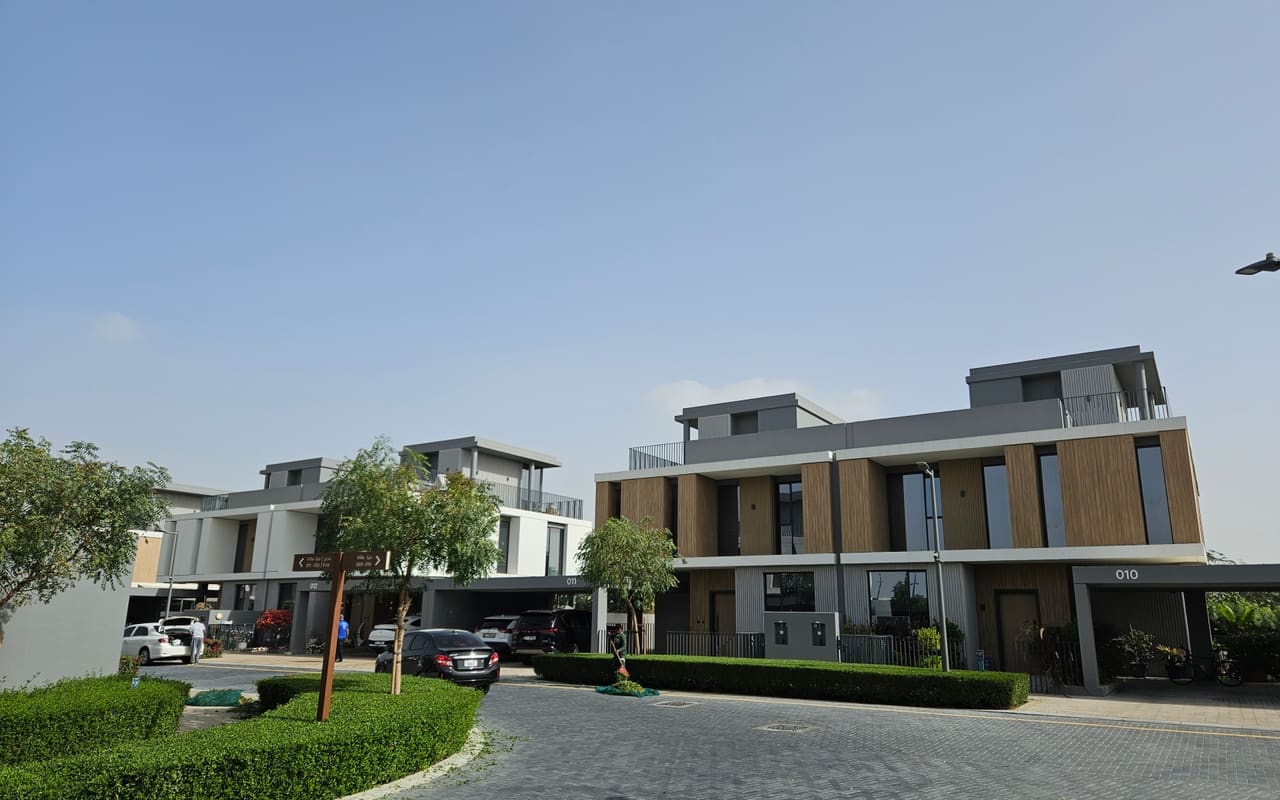
Arabian Ranches in the news

Renting in Dubai with a dog or cat in 2026: which districts and homes actually work for pet owners
Written landlord permission for a pet in Dubai is mandatory — a verbal agreement is not enough. Keeping a dog in Downtown or Business Bay is close to impossible, while a villa in Arabian Ranches or Al Furjan solves the walking problem by design.

Arabian Ranches: a villa community at twenty years old
One of Dubai’s first villa communities, long settled and traded entirely second-hand. A mature district is assessed differently — and that is its advantage.
Arabian Ranches villa renovation: how much to budget and in what order to spend it
A twenty-year-old house comes with a predictable list of works. The order matters as much as the total: some spending comes back when you let, some never does.
Looking at Arabian Ranches specifically?
Send me the building or the unit and I will pull the registered transaction history, the current service charge and what comparable units actually let for — before you make an offer, not after.
Ask on WhatsAppAsk a question
Telegram is the fastest way — I answer personally.
Message on Telegram