What MJL is
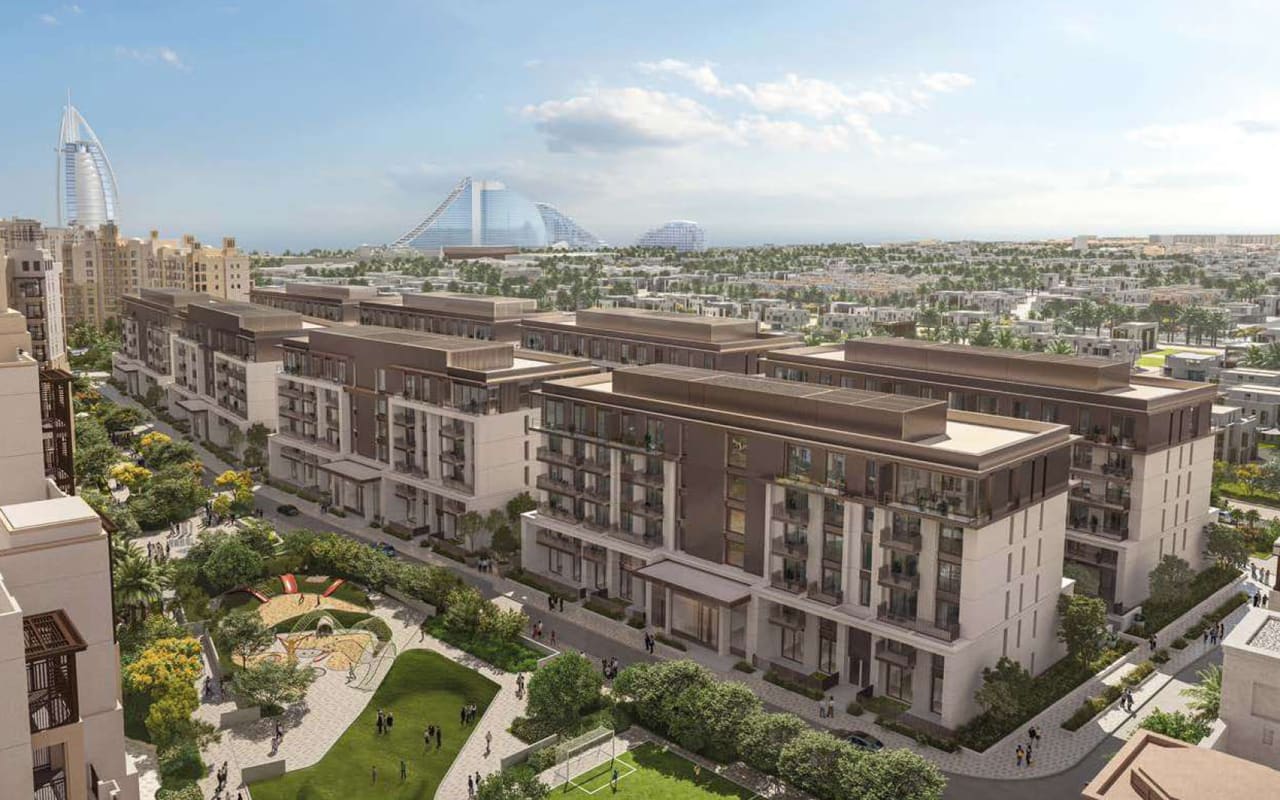
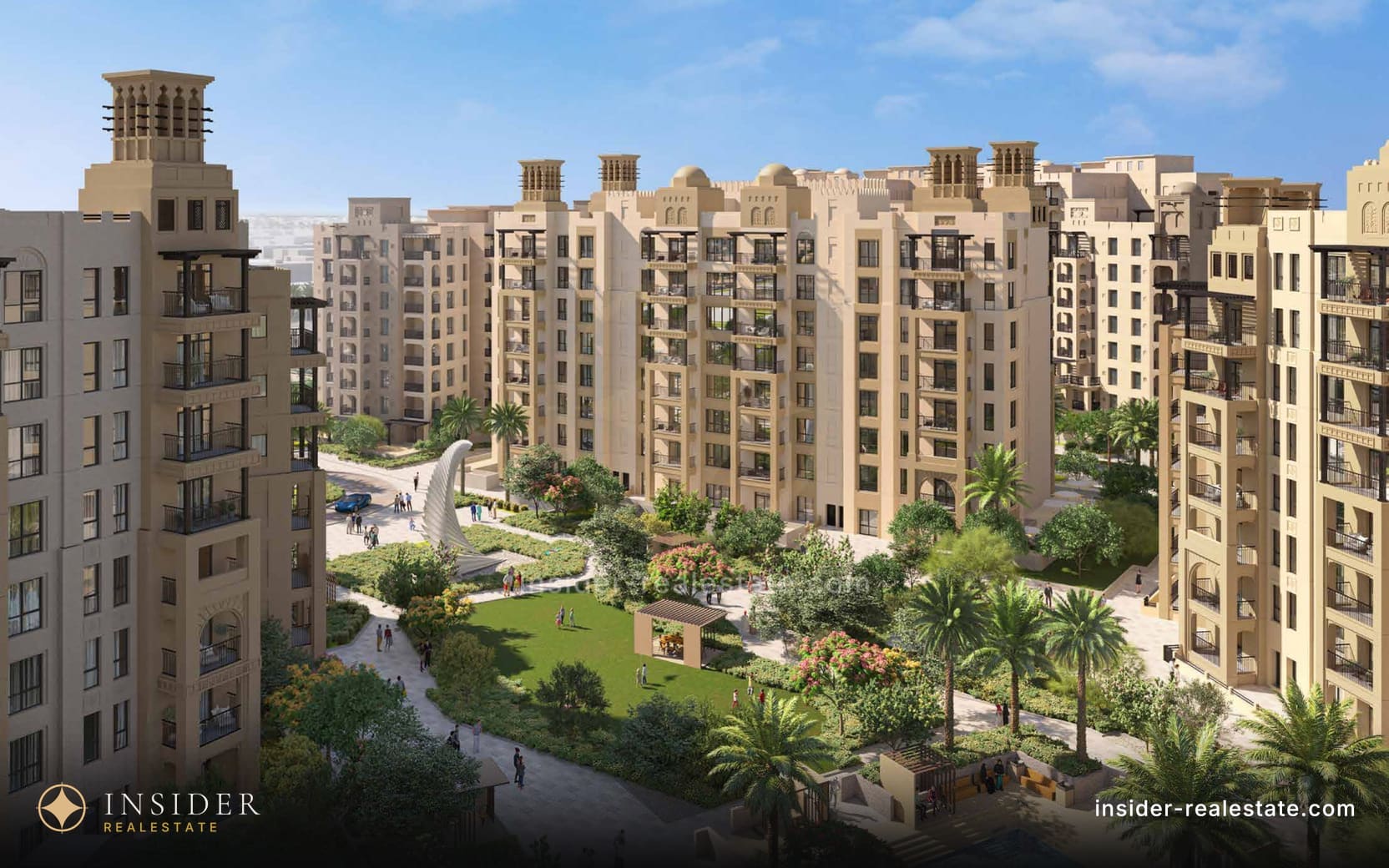
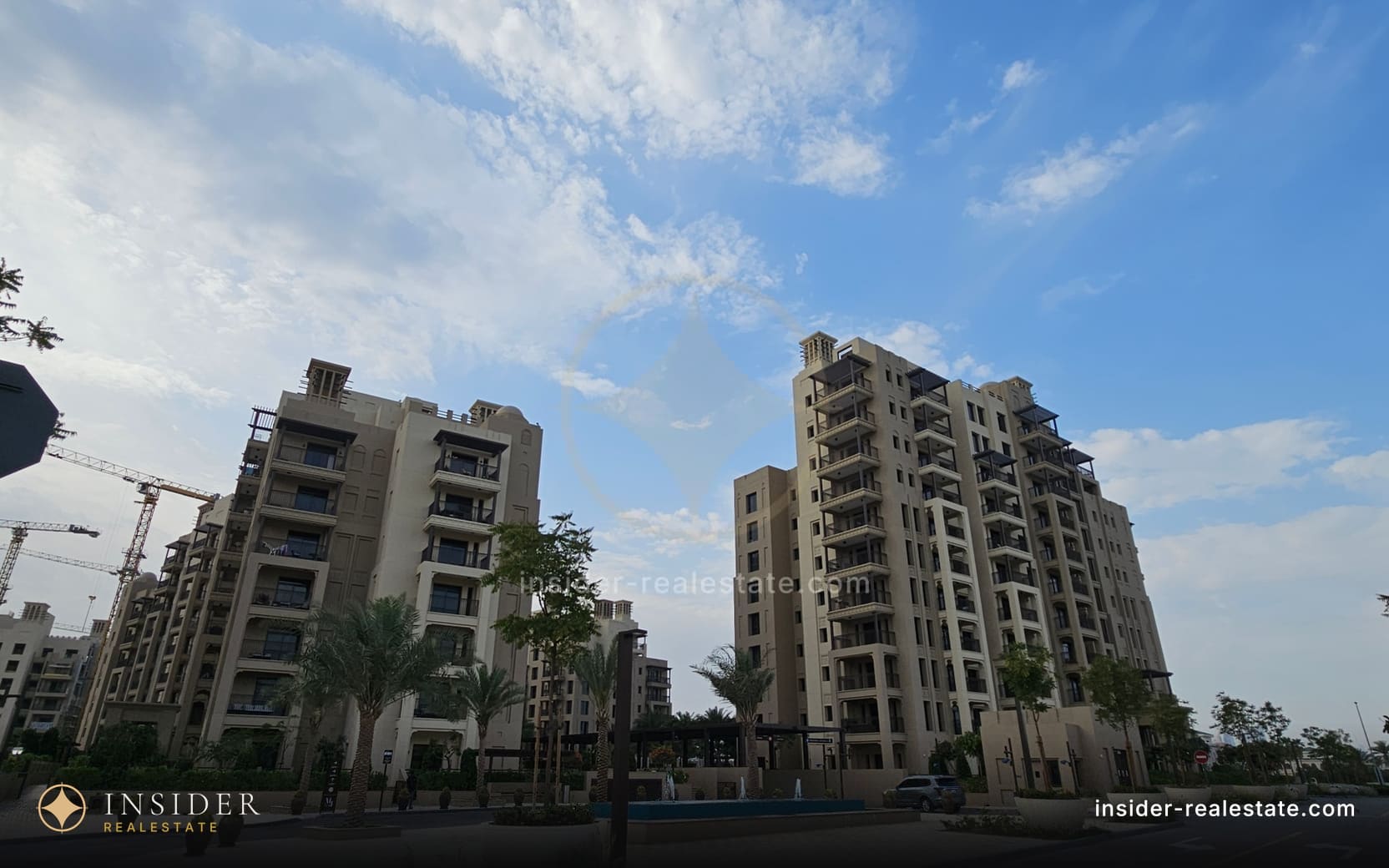
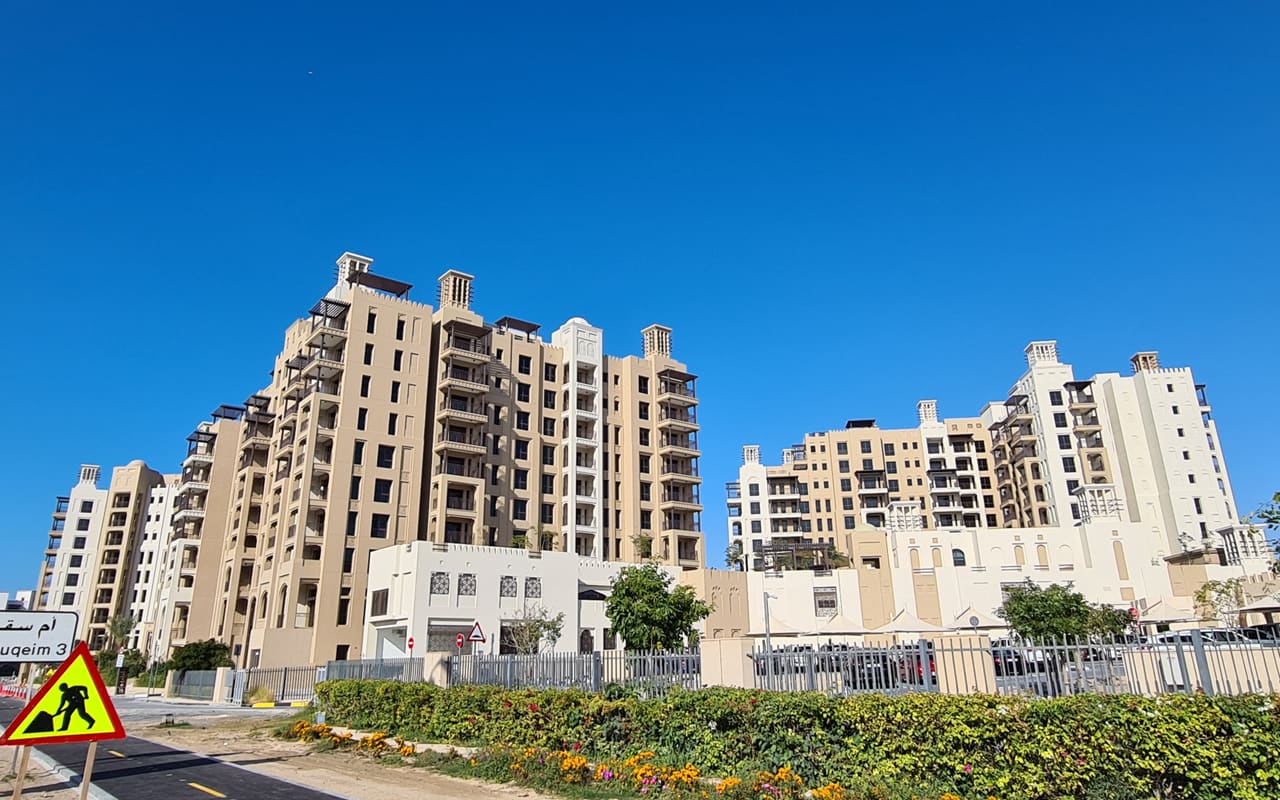
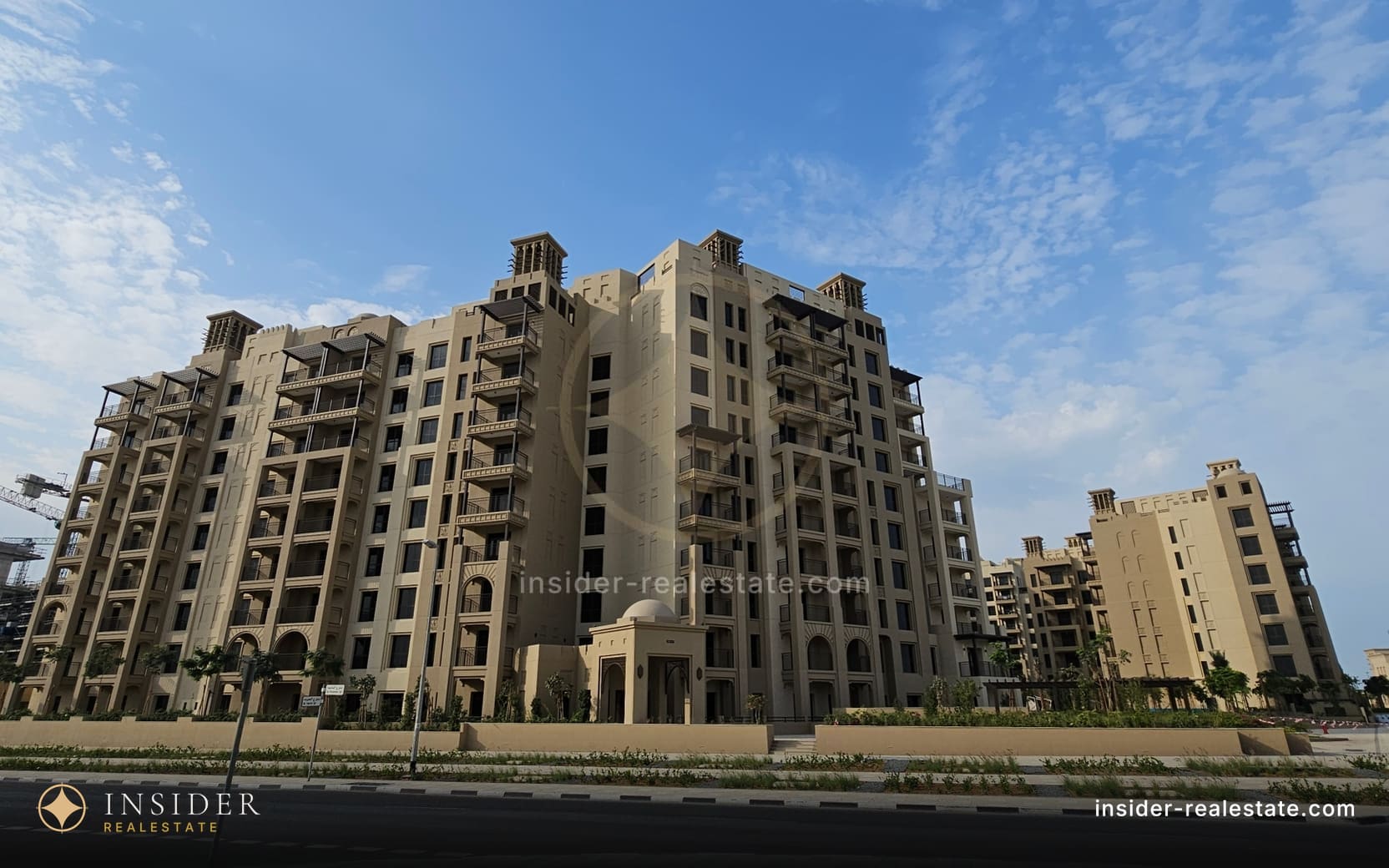
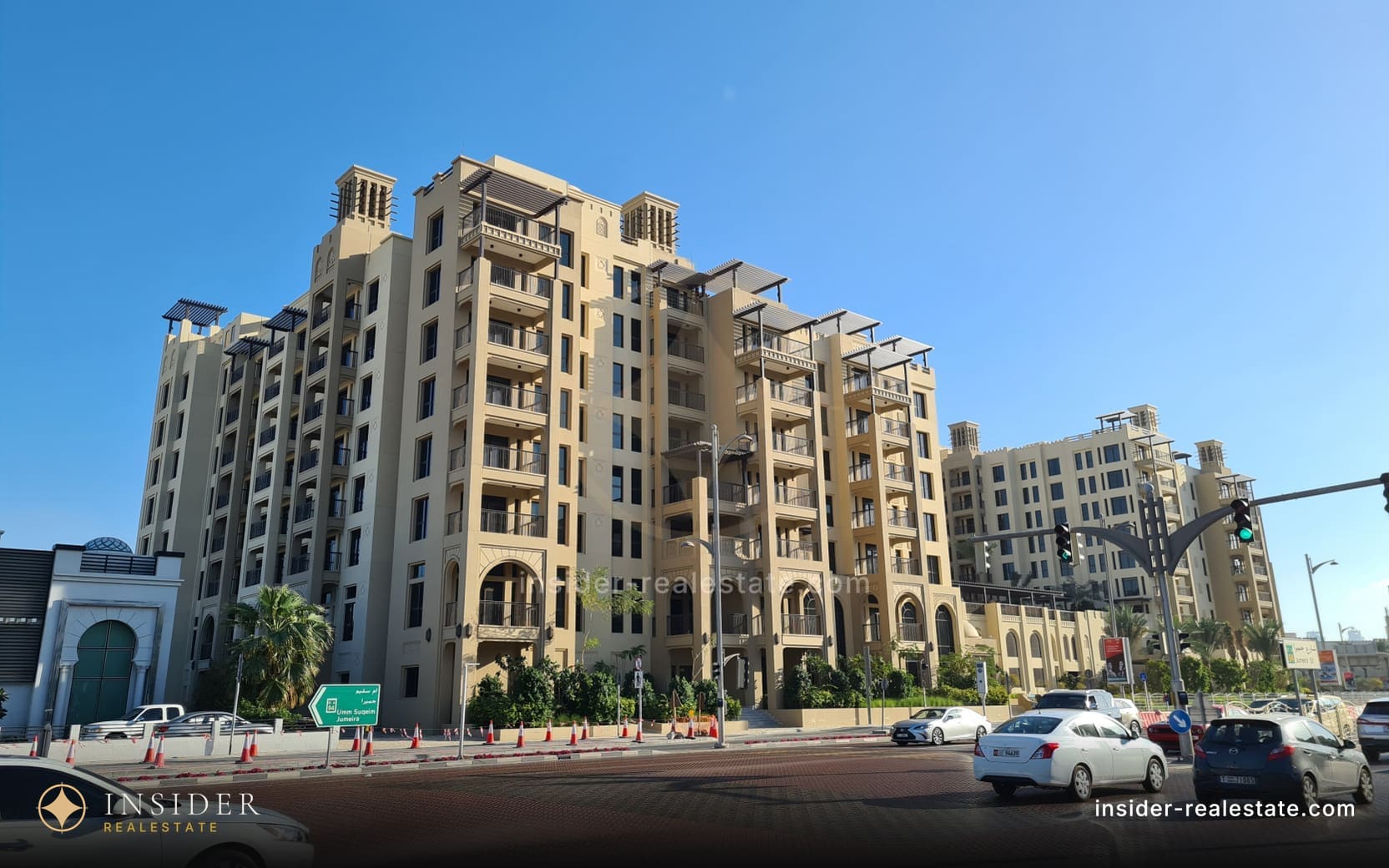
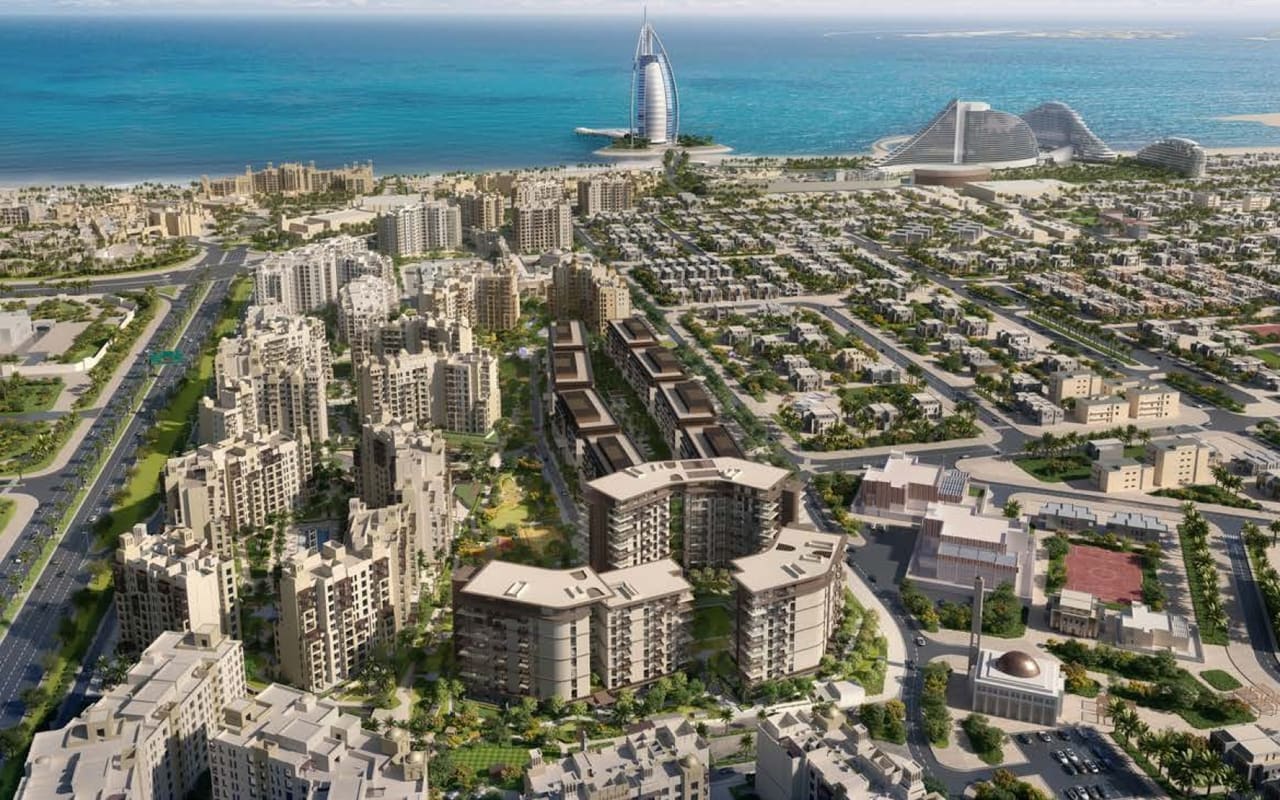
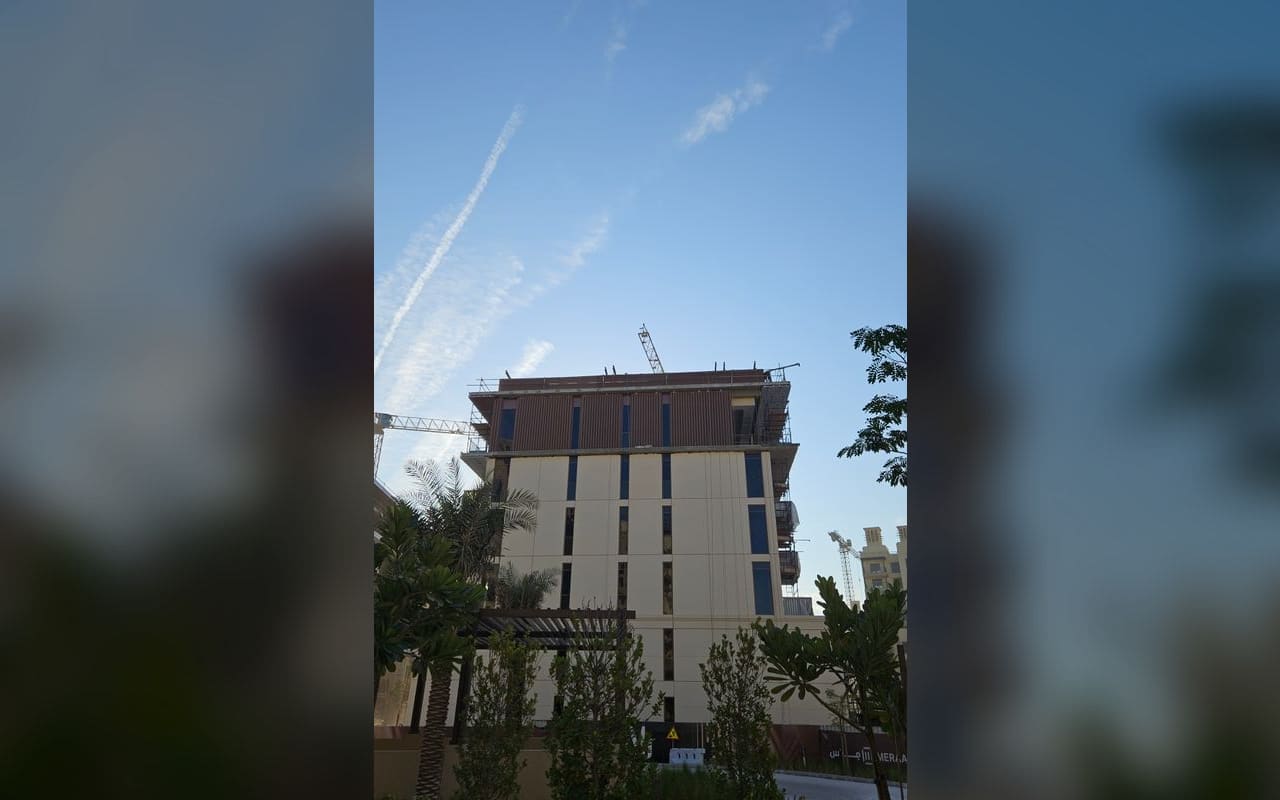
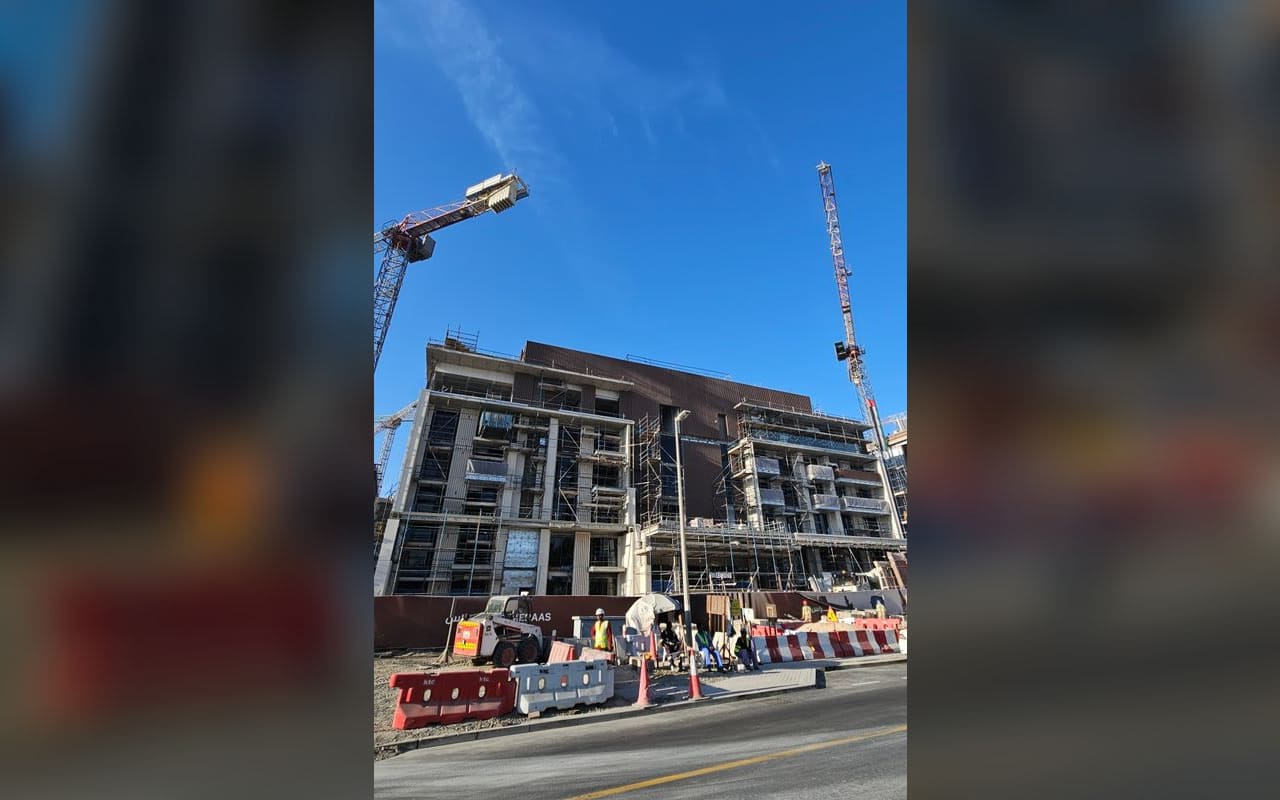
Madinat Jumeirah Living is a community of low-rise apartment buildings — typically six to eight storeys — arranged around landscaped courtyards, built by Meraas across Jumeirah Beach Road from the Madinat Jumeirah resort.
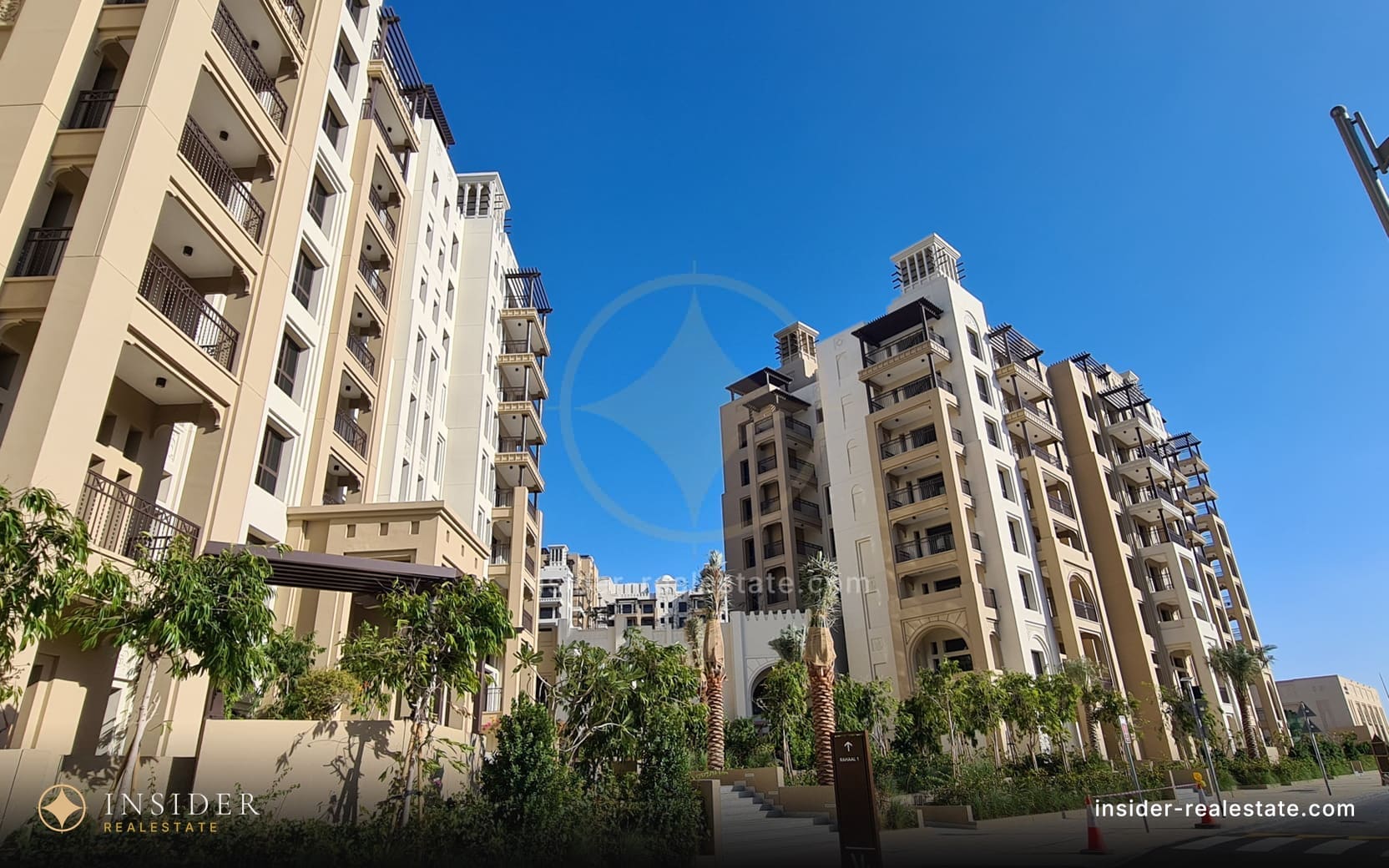
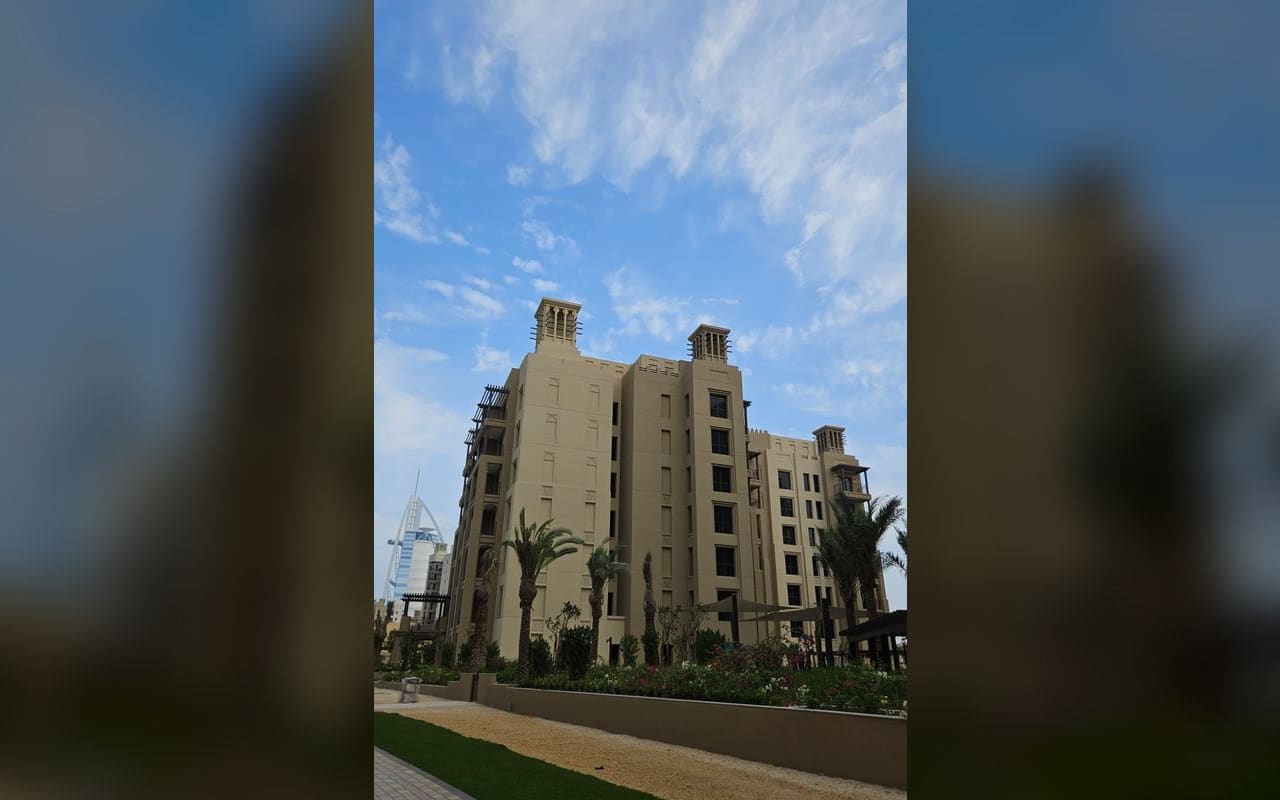
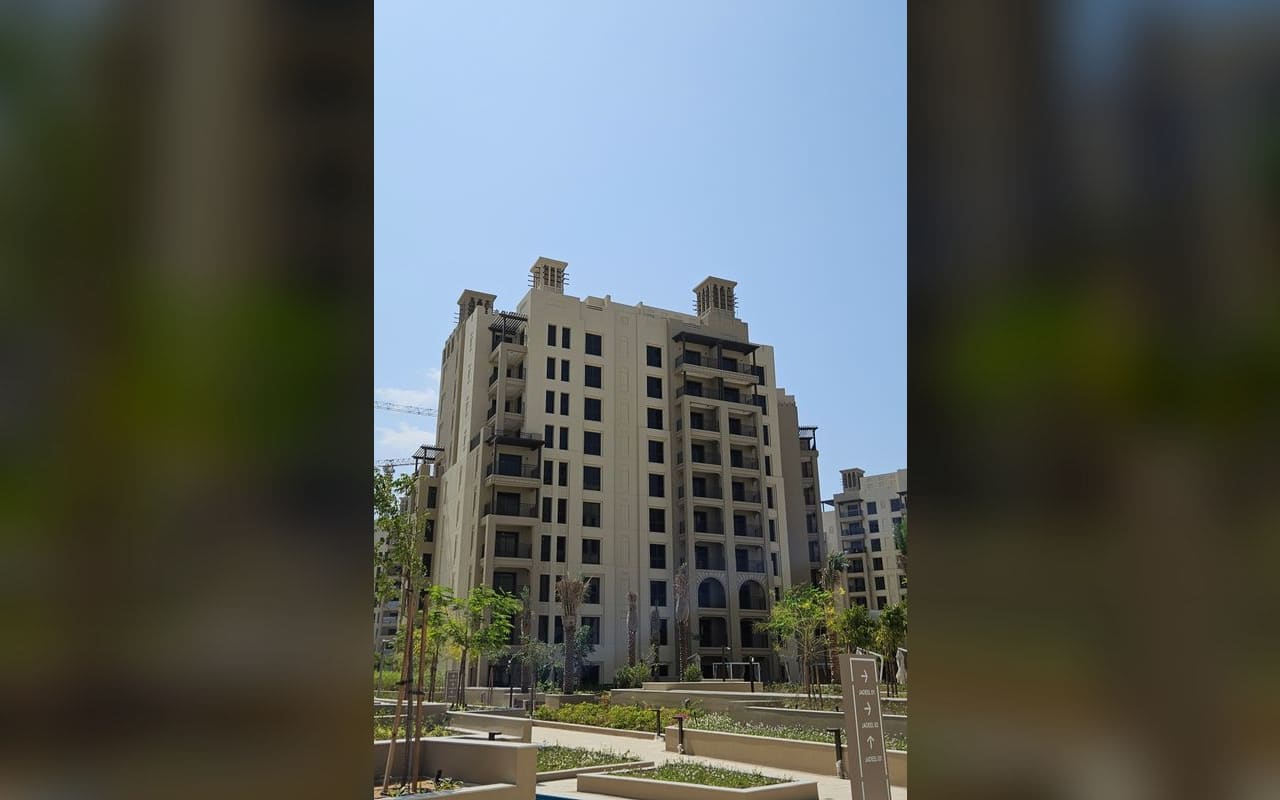
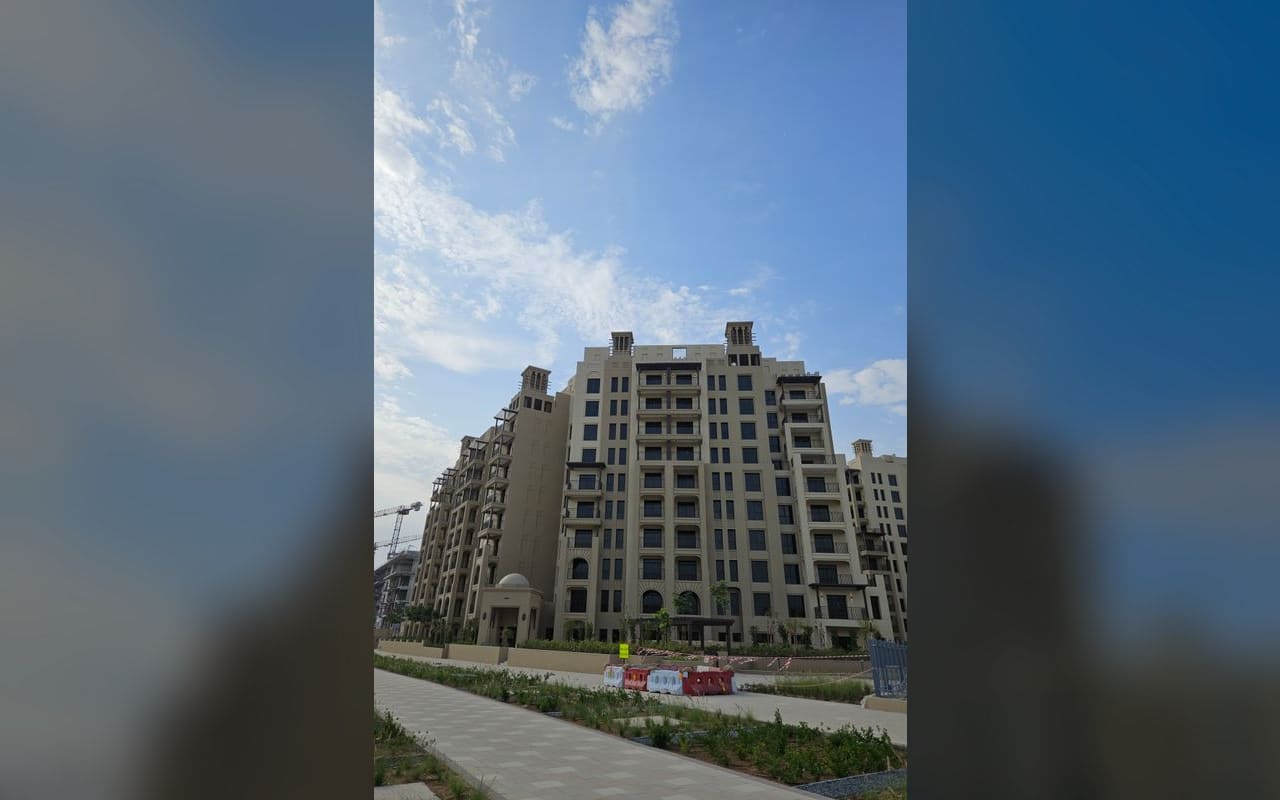
The architecture is deliberately Arabesque: wind towers, arched openings, sand-coloured render, and narrow shaded lanes between buildings. It is designed to be walked in, which in Dubai means shade was a primary design constraint rather than an afterthought.
A bridge connects the community to Madinat Jumeirah, giving residents access to the souk, the restaurants and the resort infrastructure.
Why the format is rare
Dubai builds towers because towers are the efficient way to monetise expensive land. A low-rise scheme on a prime Umm Suqeim plot means the developer deliberately left density on the table in exchange for a better product.
What that buys residents is concrete: fewer neighbours per building, no long lift waits, courtyards at human scale, and a sense of place that a tower podium cannot replicate.
What it means for owners is scarcity — a limited number of units in a format that cannot easily be repeated in that location.
The location
The Umm Suqeim and Al Sufouh corridor: near the beach, near Kite Beach, near the good schools, and on the Jumeirah side of Sheikh Zayed Road rather than the inland side.
This is where long-term Dubai residents live. It is not an investor district and it is not a tourist district; it is a residential one with clinics, independent restaurants and actual neighbourhood character.
Commuting works to Media City, Internet City, Marina and Downtown. Metro is not immediate, which matters less here because this demographic drives.
Who buys and rents
End users, disproportionately: families who want the schools and the beach, professionals who value walkability, and residents trading out of towers.
That end-user weighting matters for owners. The resale market is driven by people buying a home rather than by investors running spreadsheets, and home buyers pay for quality of life in a way investors do not.
Tenants are typically well-paid families on multi-year postings — long stays, good care of the property, and less price sensitivity than an investor district.
The numbers
Gross yields are middling by Dubai standards. The purchase price reflects the desirability of the location and the format, and rent does not scale proportionally.
Capital performance has been strong, driven by scarcity and location, and resale liquidity is good because the buyer pool includes end users.
Service charge is moderate — low-rise buildings with courtyard landscaping cost less to run than tall towers with high-level facade access.
What to check
Which courtyard the unit faces and how much direct sun it takes. In a low-rise scheme, orientation within the courtyard matters more than floor level.
The walking route from the specific building to the Madinat Jumeirah bridge.
The service charge and the community landscaping scope.
Registered transaction history for the specific cluster rather than for MJL as a whole.
The clusters and how they differ
MJL is built as a set of named clusters — Rahaal, Asayel, Lamtara, Jadeel, Lamaa and others — released in phases over several years. They share the architectural language but differ in age, layout and position within the community.
The earlier clusters sit closer to the bridge to Madinat Jumeirah and have the most mature planting. The later ones are newer inside but further from the connection that makes the community work.
Unit sizes and balcony provision vary between clusters too, and in a low-rise scheme where nobody is buying a skyline view, the terrace and the courtyard outlook are what people actually pay for.
When comparing listings, treat the cluster name as a material part of the address rather than as branding, and check the walk to the bridge from that specific building.
Why walkability is worth paying for here
Dubai is built for cars, and the small number of places where you can live without one command a premium that is easy to underestimate until you have lived in both.
In MJL the shade is designed in: the lanes between buildings are narrow, the buildings shade each other, and the courtyards are planted heavily enough to be usable in the shoulder seasons rather than only in January.
That means the community functions as a place people move around in on foot — to the pool, to the bridge, to the souk — which changes how residents relate to it and, in practice, how long they stay.
It also underpins the end-user demand that makes this market liquid. People buy here because they want to live here, and that is a deeper and less price-sensitive buyer pool than investors alone.
The Madinat Jumeirah connection
The bridge to the Madinat Jumeirah resort is the community’s defining amenity, giving residents access to the souk, the waterways, the restaurants and the hospitality infrastructure of a five-star resort complex.
It is worth confirming exactly what the entitlement is for your building, in writing, because arrangements have varied between clusters and can change — access to the souk and restaurants is not the same thing as beach club membership.
Even at its narrowest the connection is valuable: it puts a serious dining and retail environment within a walk of an apartment, which is rare anywhere in this city.
Combined with Kite Beach, the school cluster and the Umm Suqeim location, it is why MJL rents to families who stay for years and sells to buyers who intend to live in it.