
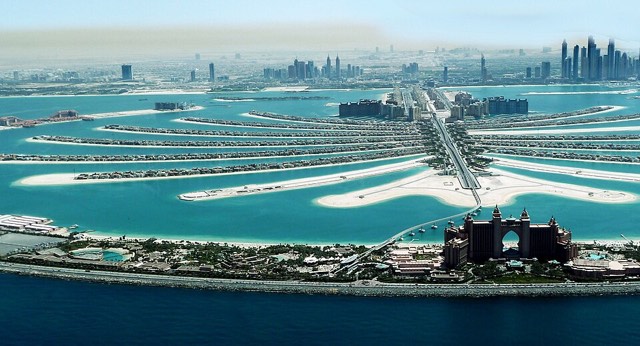
 −23% Illustrative photo
 Port de la Mer
A Mediterranean-styled quarter on a Jumeirah peninsula: a marina, a private beach and low-rise buildings fifteen minutes from the centre.
29 units in stock. 25 with a confirmed status: 14 ready, 11 under construction. 4th most expensive of 91 districts by median price.
- water without tower density
- short-term letting
- buying to live in
Median price $8.17M AED 30,000,000
Entry price $803K AED 2,950,000 — cheapest unit
Per square foot $1,776 AED 6,522 / sq ft, median
Ready stock 56% 14 units discounted, up to −23%
What this area is actually like
What the place is
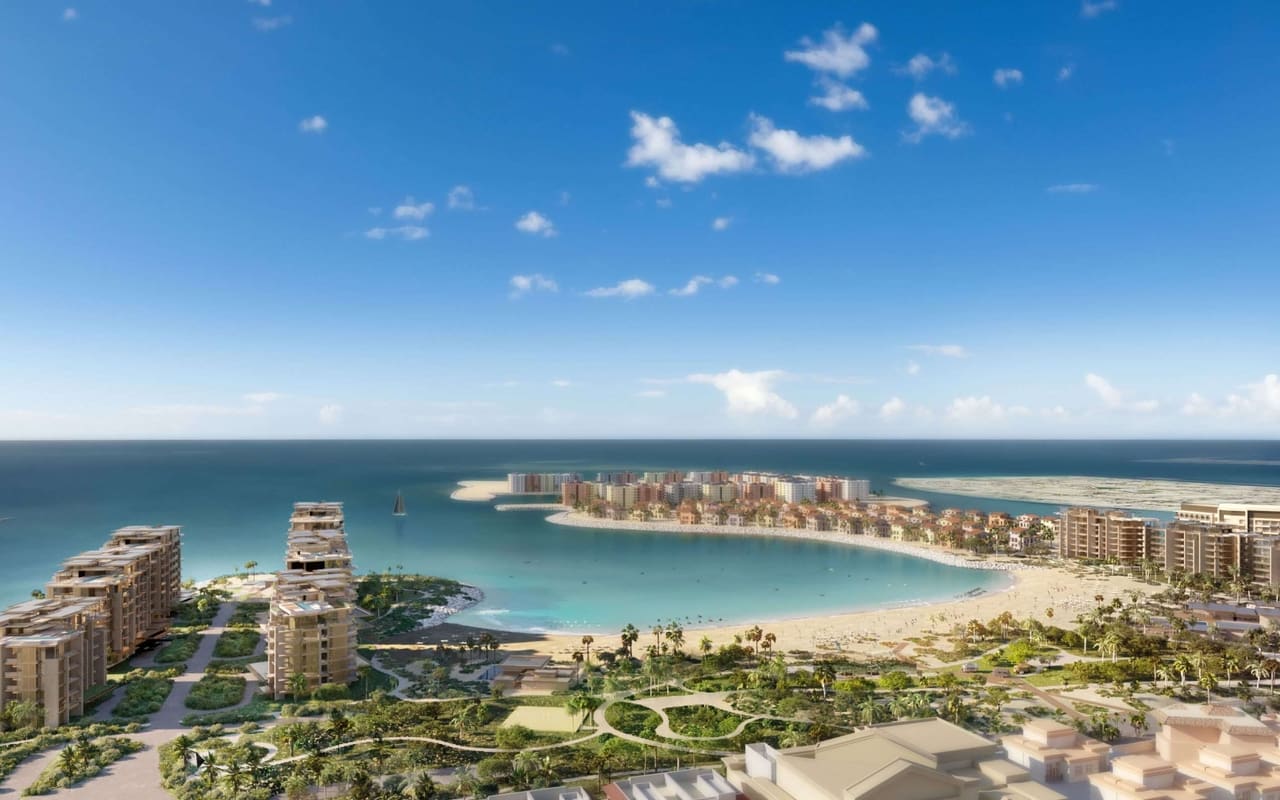
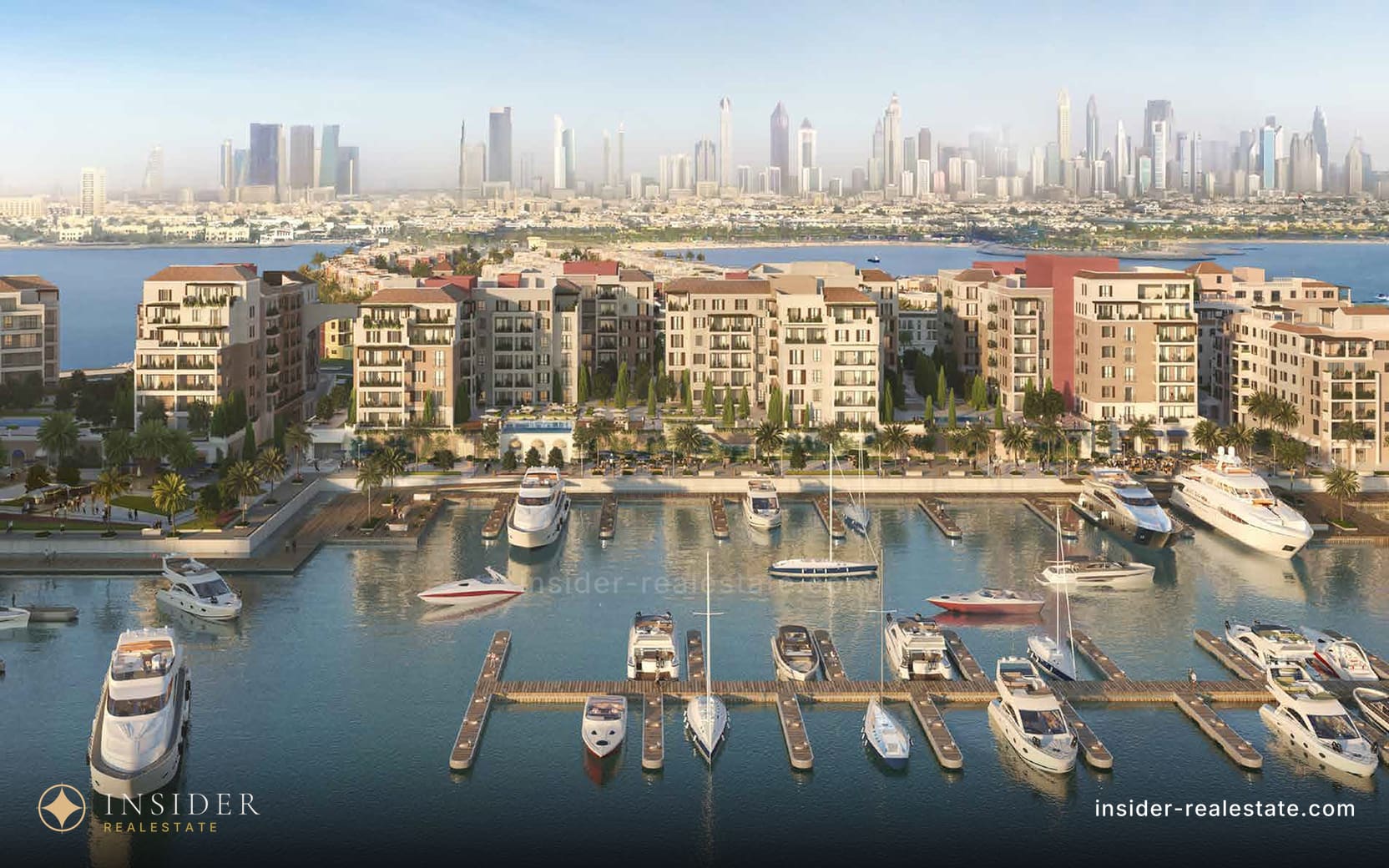
Port de la Mer was built by Meraas on a reclaimed peninsula off the Jumeirah coast, next door to La Mer. The architecture is deliberately Mediterranean: low sand-and-white blocks, internal courtyards, a lot of open sky.
Building heights are low by Dubai standards, and that is the point: the quarter was designed as a seaside town rather than another row of towers.
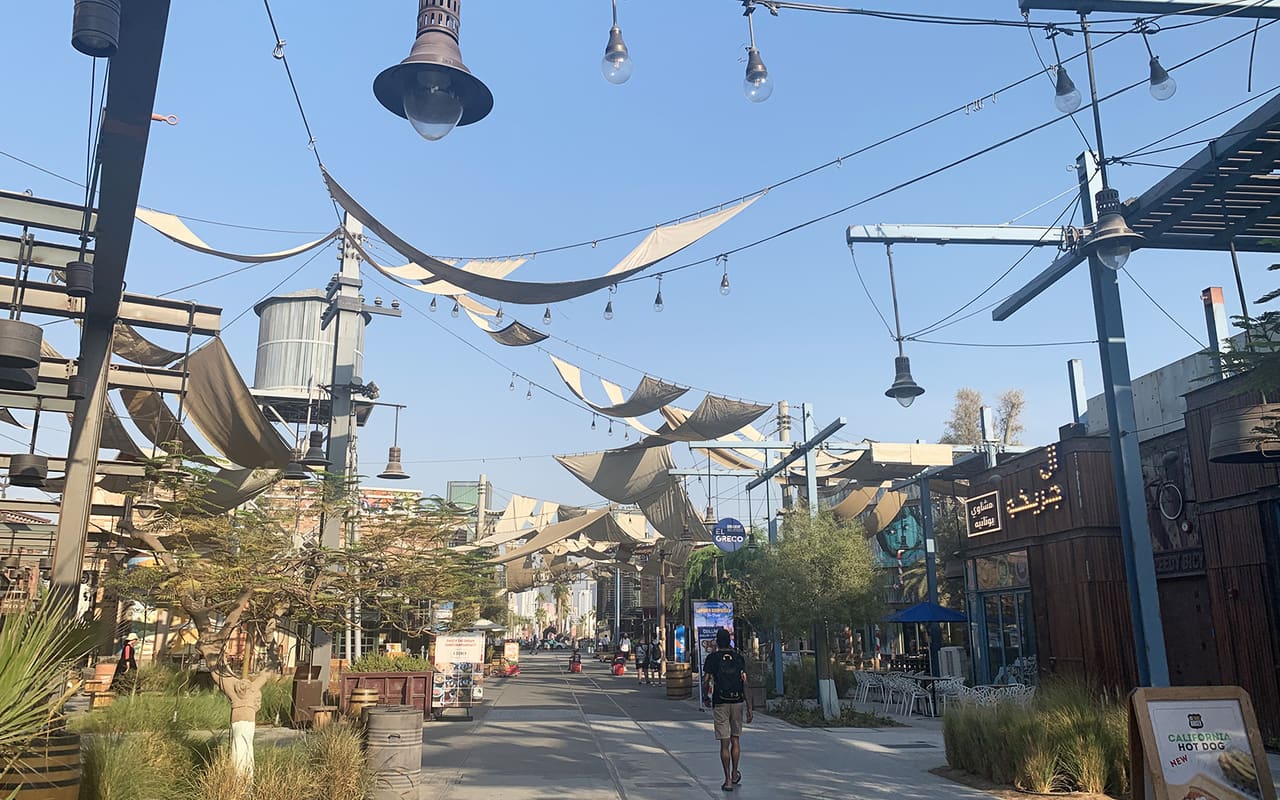
It includes a marina with several hundred berths, a promenade, a private beach, pools, cafés and a small retail strip along the water.
The location is central: Downtown is around fifteen minutes off-peak, the airport about twenty-five.
How it differs from the other waterfronts
From Marina and JBR, by height and density. Those are walls of towers with constant footfall; this is low-rise and markedly calmer.
From Palm Jumeirah, by access. The Palm hangs off a single road; from here the business core is closer and getting out is simpler.
From Emaar Beachfront and Dubai Harbour, by age and character: those are new high-rise sea frontage, this is resort-scale low-rise around a marina.
Its closest logical neighbour is La Mer across the road — the same stretch of coast and the same developer — except La Mer is primarily public realm and Port de la Mer is housing.
Who buys here
A large share of demand is owner-occupier: people who want water, a beach and the centre within a short drive, and who do not want to live in a tower.
The second layer is short-term letting. Beach, marina and proximity to the centre give the place a legible visitor logic, and holiday letting works here.
The third is the boating audience: a marina within walking distance of the apartment is an argument in itself for that group.
Long-term family letting is thinner. There are no schools inside the quarter, and families more often choose mainland Jumeirah.
What low-rise gives you
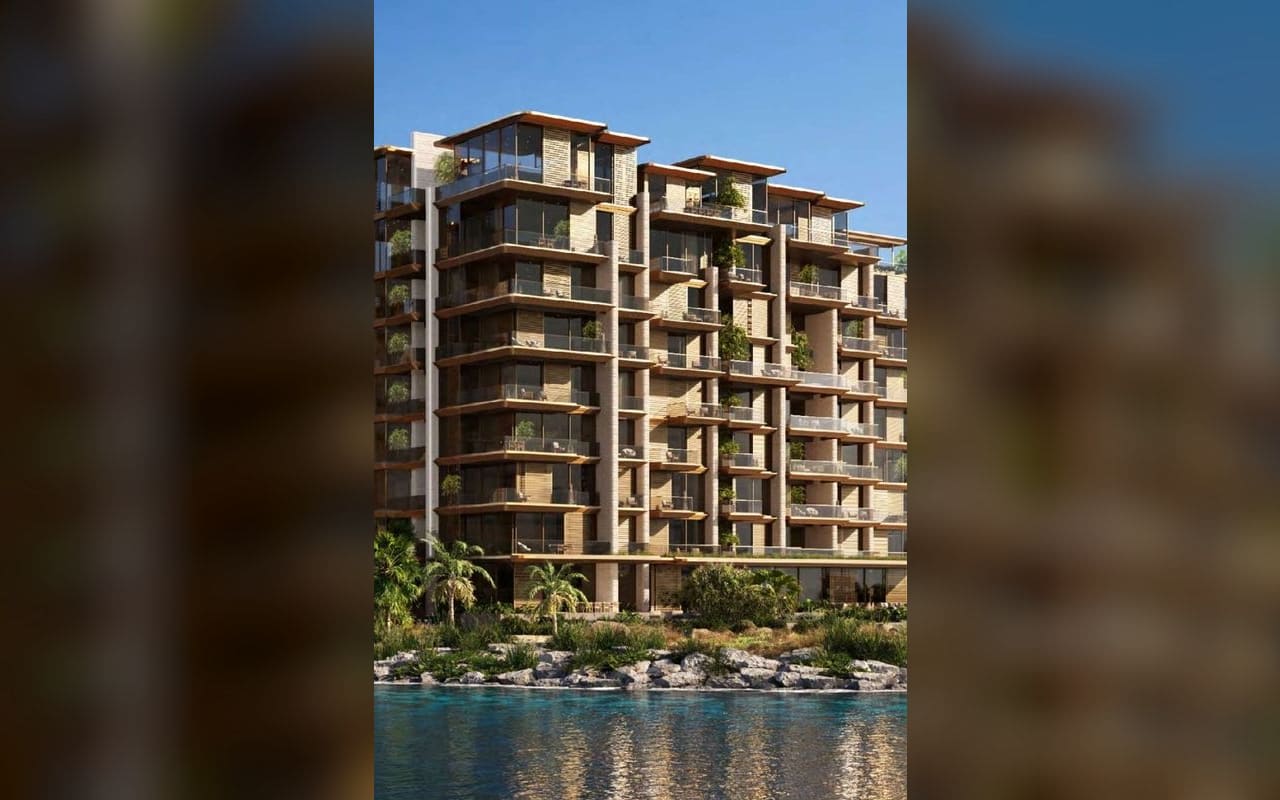
Privacy. A four-to-six-storey block has a fraction of the neighbours a tower does, and the shared areas are not overrun.
The view. It is horizontal here — water and promenade rather than a panorama from height. That is a different product and it does not suit everyone.
Maintenance. Low-rise development with a marina, a beach and landscaping is expensive to run, and the service charge reflects it.
Scarcity. The peninsula is finite and built out; no further phases of this format are coming to this stretch of coast. Constrained supply is rare in Dubai.
Water, and what it costs to keep
The private beach and the promenade are what you pay for and what has to be maintained. Sand, loungers, lighting, security and cleaning all sit inside the service charge.
The marina is a separate economy. A berth does not come with the apartment, and the terms are worth establishing in advance.
Sea air shortens the maintenance cycle on facades compared with inland buildings, and it shows quickly on any scheme that is managed badly.
The practical consequence: inspect the common areas and the managing agent, not only the apartment.
What to check before buying
Orientation. In a low-rise quarter the gap between water-facing, courtyard-facing and blank-wall-facing units is enormous in both price and rent, and a floor plan will not tell you which you are getting.
The service charge and its history. It sits above the city average here for legitimate reasons, and it is the decisive line in any yield calculation.
The rules on short letting. Community and building regulations may restrict it, and the entire investment case is often built on exactly that.
Noise. A promenade of cafés is an amenity by day and a factor at night; units above the public strip and units deeper into the quarter live differently.
Who it suits and who it does not
Suits: an owner-occupier who wants water and the centre without tower density; a short-let investor; anyone with a boat.
Does not suit: anyone optimising for percentage yield — the entry price reflects the address and the format; families needing schools within walking distance; anyone who wants a panorama from height.
Compare it realistically against JBR, which is cheaper, louder and denser, and against Palm Jumeirah, which offers more privacy and a harder exit by road.
Neighbouring districts with median prices and current stock composition are covered in the areas section.
What is nearby on the mainland
Across the road is Jumeirah: low-rise streets, private villas, schools, clinics and all the everyday infrastructure the quarter itself does not contain.
Next door is La Mer, a public beachfront of cafés and shops. For residents it works as an extension of their own amenity — and as a source of weekend footfall.
Downtown, DIFC and Business Bay are a short drive along Jumeirah Road or Sheikh Zayed Road, and that is what separates Port de la Mer from most of the city's resort addresses.
There is no metro here and none will arrive within walking distance: this is a district for people who drive, or who live inside it and rarely leave.
More on Port de la Mer
Written breakdowns of subjects the English channel has not filmed.
- Sur La Mer at Port de la Mer: townhouses with a beach, ten minutes from Downtown
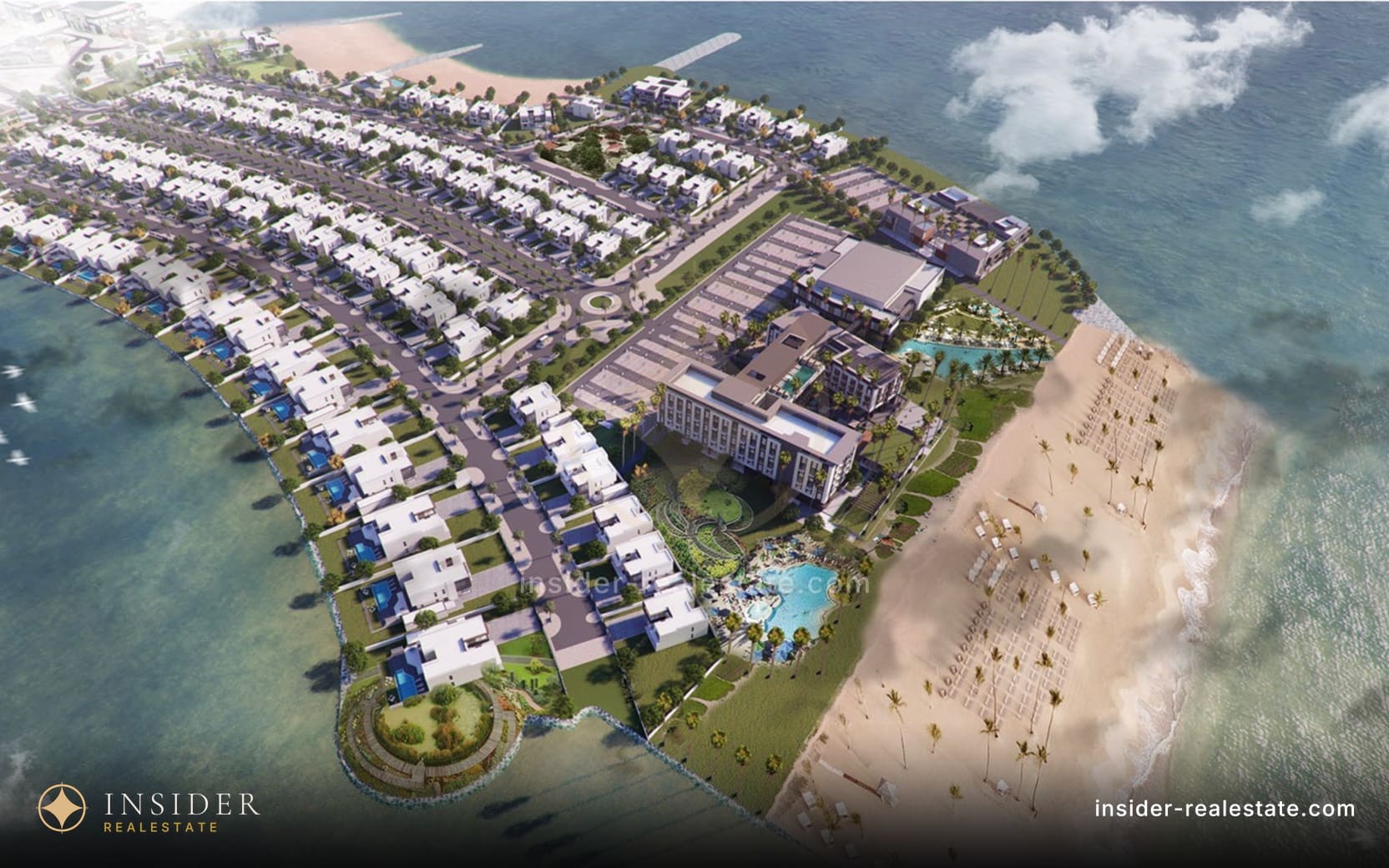
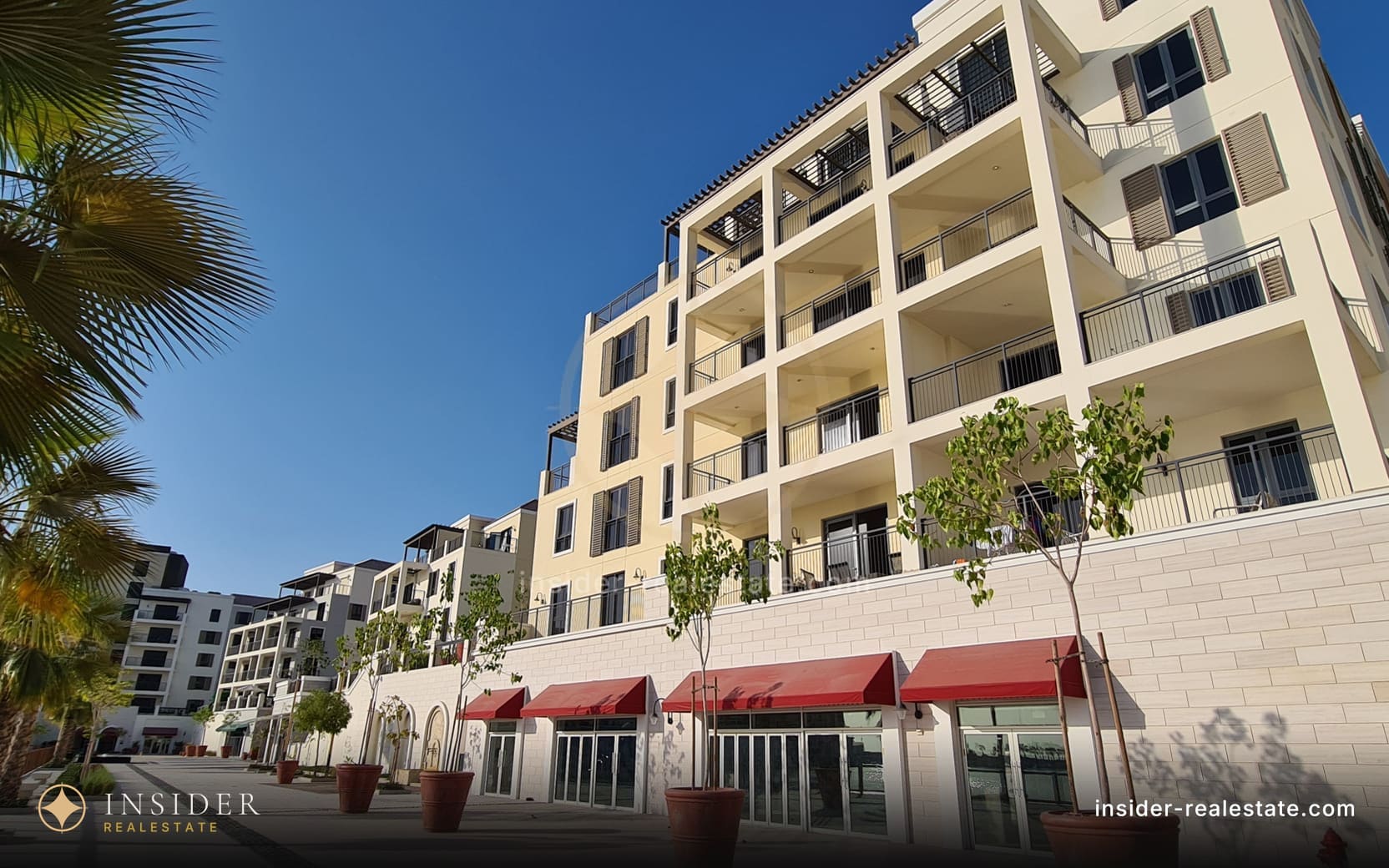
Beachfront townhouses inside a Mediterranean-style marina district on the Jumeirah coast. A format Dubai has very little of, and the specific things to check before buying into it.
The market, per the Land Department
Residential price index 167.33 Q4 2025
Quarter on quarter +3.32% QoQ
Year on year +8.9% YoY
Full year 2025 +9.81% index 162.51
These are official DLD readings for the entire emirate; a district split, Port de la Mer included, is not made public. Use them as context for the prices on this page — registered sales for the building you pick I pull on request. Source: Dubai Land Department, read 15/08/2026.
The latest read: July 2026
The Land Department index above is quarterly and emirate-wide. The monthly price index splits villas from apartments — and in 2026 that matters: a single blended figure hides the fact that the two markets have pulled apart.
Villas and townhouses 292.5 flat YoY
Apartments 168.7 −4.2% YoY
All residential 219.2 −0.3% MoM
Price per sqft 2,039 villas · apartments 1,397 AED
By completion status the month broke down as 72.8% off-plan and 27.2% ready. Ready-home deals grew 11.4% month on month; off-plan was the one segment lower against both the previous month and the previous year (−45.3%). In practice: apartments and off-plan leave room to bargain, finished villas in settled communities far less. Index base is January 2021 = 100 — a villa reading of 292.5 means growth of 192.5% from that mark, not a premium over a 2021 peak. Monthly ValuStrat market review for July 2026, checked 24/08/2026.
Other districts
All districts →Projects in Port de la Mer
All projects in Port de la Mer →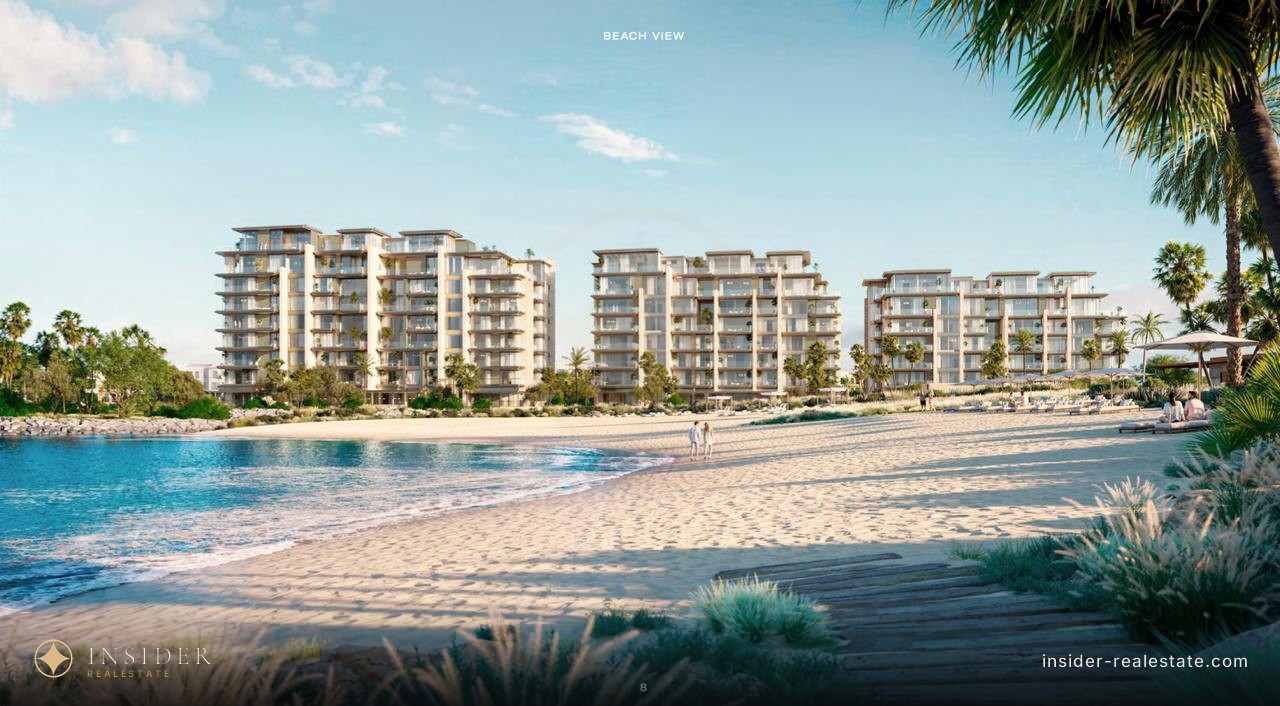
Port de la Mer in the news

Port de la Mer: low-rise by a marina, and the berth question
Low buildings around a yacht marina on the Jumeirah coast. The marina is part of the price — and it is worth establishing which part of it is yours.
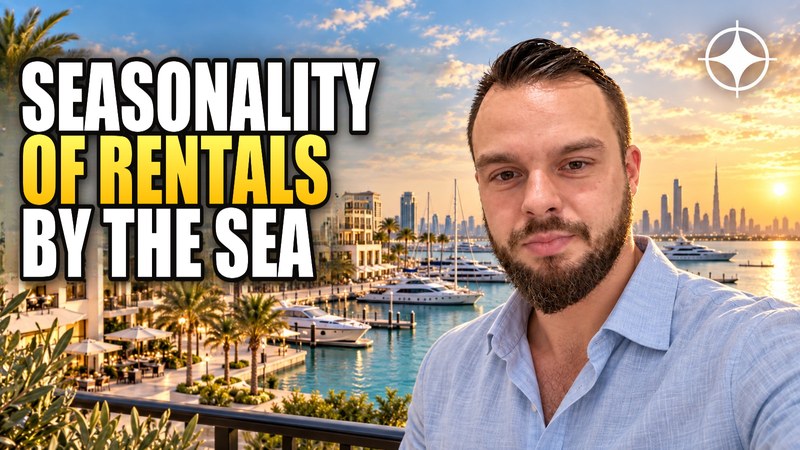
Port de la Mer rentals: seasonality of seaside income and how to model it month by month
Income from beachfront property is spread unevenly across the year. It has to be modelled month by month, or the annual figure misleads.
Looking at Port de la Mer specifically?
Send me the building or the unit and I will pull the registered transaction history, the current service charge and what comparable units actually let for — before you make an offer, not after.
Ask on WhatsAppAsk a question
Telegram is the fastest way — I answer personally.
Message on Telegram