
 −13%
−13% Ras Al Khor
Wetland sanctuary on one side, industrial and warehousing on the other — a district defined by what cannot be built on it.
11 units in stock. 11 with a confirmed status: 0 ready, 11 under construction. 82nd most expensive of 91 districts by median price.
- protected wetland views
- industrial and warehouse investment
- value near the centre
Median price $415K AED 1,525,000
Entry price $321K AED 1,180,000 — cheapest unit
Per square foot $655 AED 2,405 / sq ft, median
Ready stock 0% 2 units discounted, up to −13%
What is nearby, and what it does to the price
What this area is actually like
The two Ras Al Khors
Ras Al Khor means two quite different things depending on which part you are looking at. One is the Ras Al Khor Wildlife Sanctuary — protected wetland at the head of Dubai Creek, home to flamingos and a genuine conservation area that will never be developed.
The other is Ras Al Khor Industrial, a large area of warehousing, workshops, the Dubai gold and diamond trade infrastructure, and commercial premises. It is a working district, not a residential one.
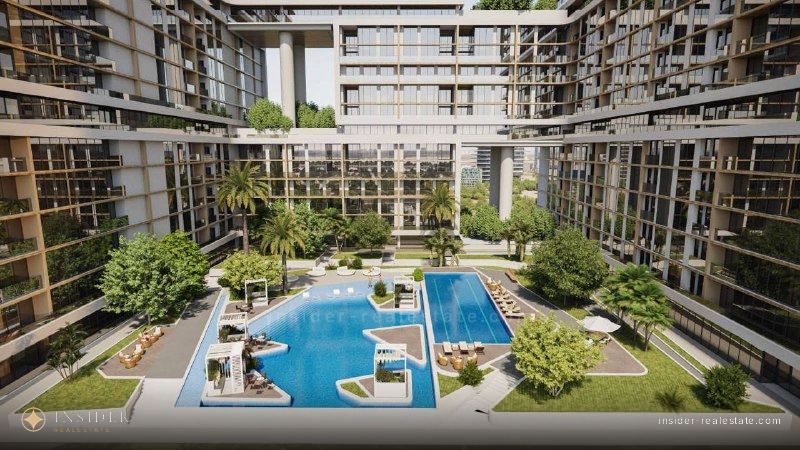
Residential development here is limited and sits mostly on the edges, in schemes that take their value from the sanctuary outlook rather than from the industrial neighbours.
Why the sanctuary matters to buyers
Protected land is the most reliable form of view protection there is. A unit facing the sanctuary has an outlook that no developer can take away, in a city where losing your view to a new tower is a routine experience.
It is also genuinely attractive — open water, wetland, birds, and an absence of buildings that is rare this close to the centre.
The premium for a sanctuary-facing unit in the adjacent developments is real and it holds, for exactly this reason.
The industrial reality
The other boundary is warehousing and light industry, with the traffic, the working hours and the visual character that implies. This is not a hypothetical — it is a large, active industrial zone.
For a buyer that means orientation determines almost everything about the experience of living here. Sanctuary-facing and industrial-facing units in the same building are different products.
It also means residential amenity is minimal. There is no meaningful retail, dining or schooling within the district; residents use Nad Al Sheba, Al Jaddaf, Business Bay or Mirdif.
Commercial and industrial property
For an investor willing to look beyond apartments, Ras Al Khor Industrial is one of the main warehousing and light-industrial markets in Dubai, with genuine tenant demand from trading, logistics and workshop businesses.
That market behaves quite differently from residential: longer leases, tenants who fit out the space, lower churn, and yields that have generally been attractive.
It is also far less liquid, more specialised, and requires understanding of permitted use, power supply, loading access and the specific requirements of industrial tenants.
What to check
Orientation, before anything else. Sanctuary or industrial — and verify from the actual unit.
The permitted use of the plot and the surrounding plots.
Access routes and how they interact with industrial traffic at working hours.
For industrial property: power capacity, ceiling height, loading access and the permitted activities under the licence.
Who it suits
A buyer who wants a protected wetland outlook at a price well below the equivalent view elsewhere, and does not need amenity on the doorstep.
A commercial investor looking at warehousing and light industrial with a genuine understanding of that market.
It suits poorly families, anyone wanting walkable amenity, and anyone buying residential without first checking which way the windows face.
What the sanctuary actually is
Ras Al Khor Wildlife Sanctuary is a protected wetland reserve at the head of Dubai Creek: mudflats, mangroves, lagoons and salt flats covering several square kilometres in the middle of a city of four million people.
It is a Ramsar site and it supports tens of thousands of migratory birds each winter, including the flamingo population that has become one of the more photographed things in Dubai. There are public hides on the perimeter and the reserve is genuinely managed rather than nominally designated.
That status is what makes it permanent. This is not open land awaiting a masterplan; it is legally protected conservation land, and the protection has held through two decades of development pressure on every side.
For a property owner facing it, that is the strongest form of view protection available anywhere in the emirate.
The industrial market in practice
Ras Al Khor Industrial is one of Dubai’s main light-industrial and trading zones, and it houses a specific cluster: the gold and diamond trade infrastructure, vehicle workshops, furniture manufacture, building materials and general warehousing.
Tenant demand is steady and driven by businesses that need central logistics rather than a prestige address. Leases run longer than residential, tenants fit out their own space, and churn is low.
The variables that determine whether a unit lets are unglamorous and non-negotiable: permitted activity, power capacity, clear ceiling height, loading access and turning space for the vehicles the tenant uses.
Get all five confirmed before purchase. A warehouse that cannot serve the tenant type in that area is not cheap, it is unlettable.
The location advantage
Ras Al Khor sits at the junction of Al Khail Road, Ras Al Khor Road and the Dubai–Al Ain corridor, which makes it one of the best-connected industrial locations in the emirate for distribution across the city.
Downtown and Business Bay are ten to fifteen minutes away, the airport slightly more, and Jebel Ali is reachable on Al Khail without touching Sheikh Zayed Road.
For a business that serves customers across Dubai rather than exporting through the port, that central position is worth more than the cheaper space further out — and it is why rents here hold up against Al Quoz and Jebel Ali.
It is also why the residential pockets on the sanctuary edge are viable at all: they are genuinely central, in a way that their price does not suggest.
More on Ras Al Khor
Written breakdowns of subjects the English channel has not filmed.
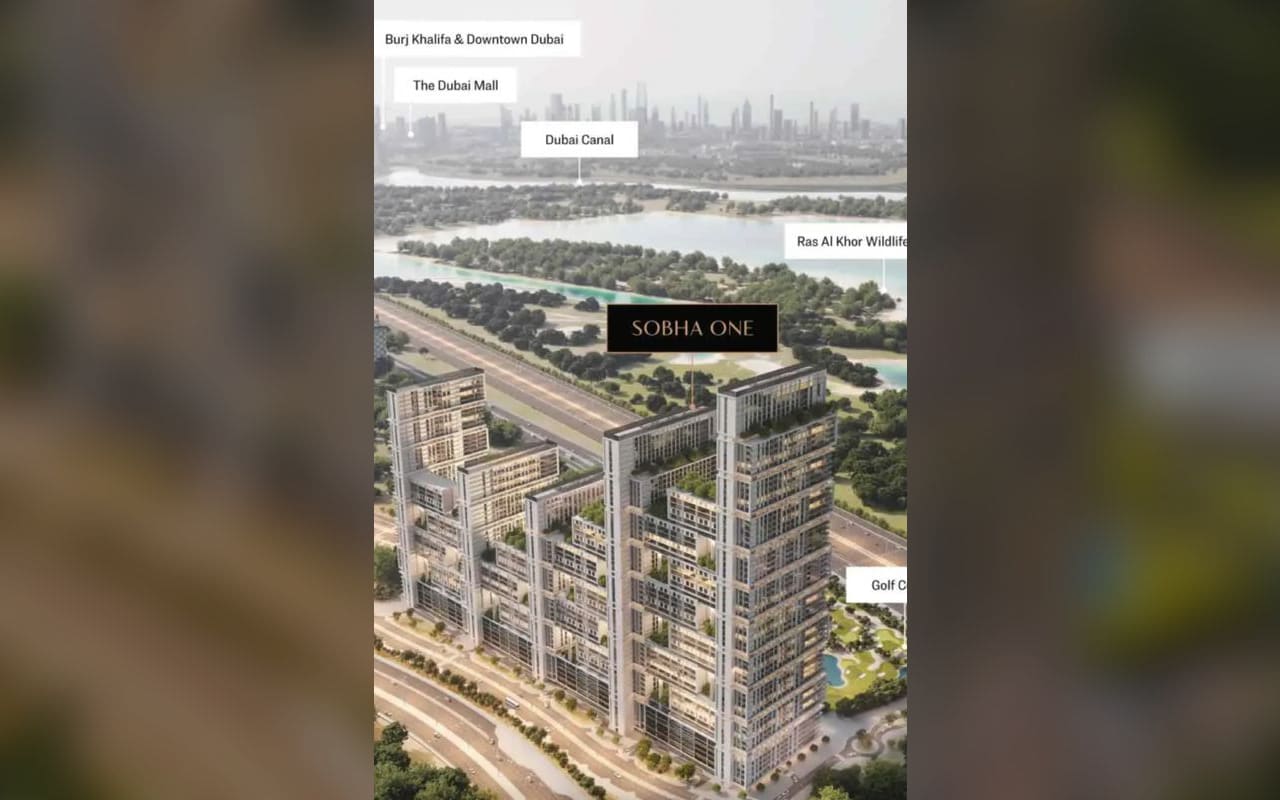
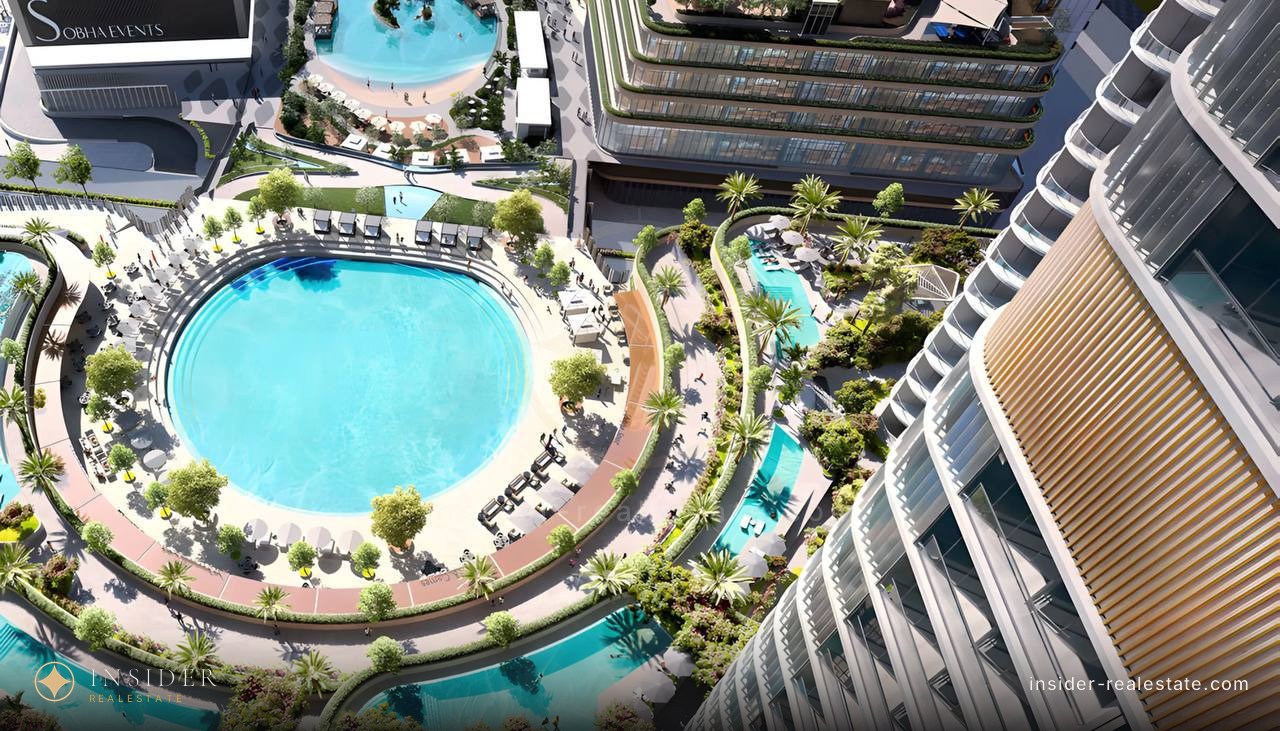
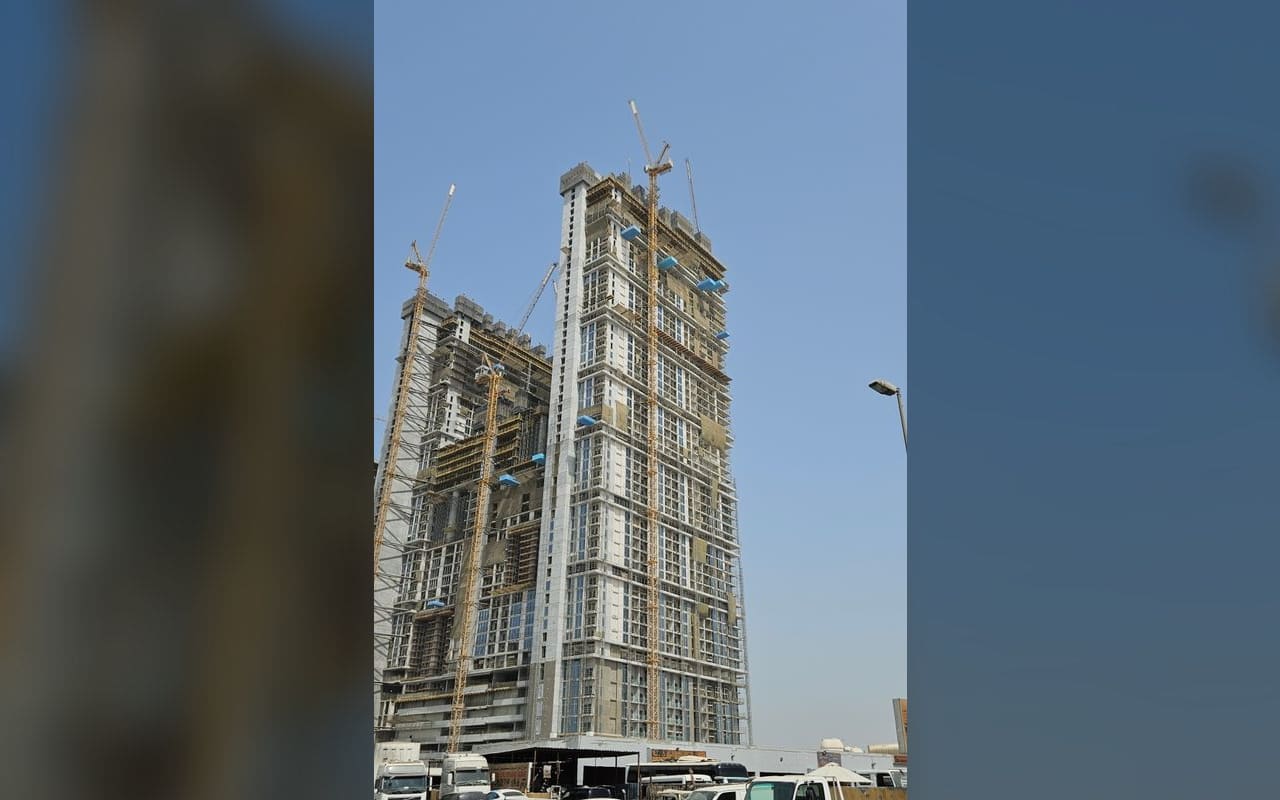
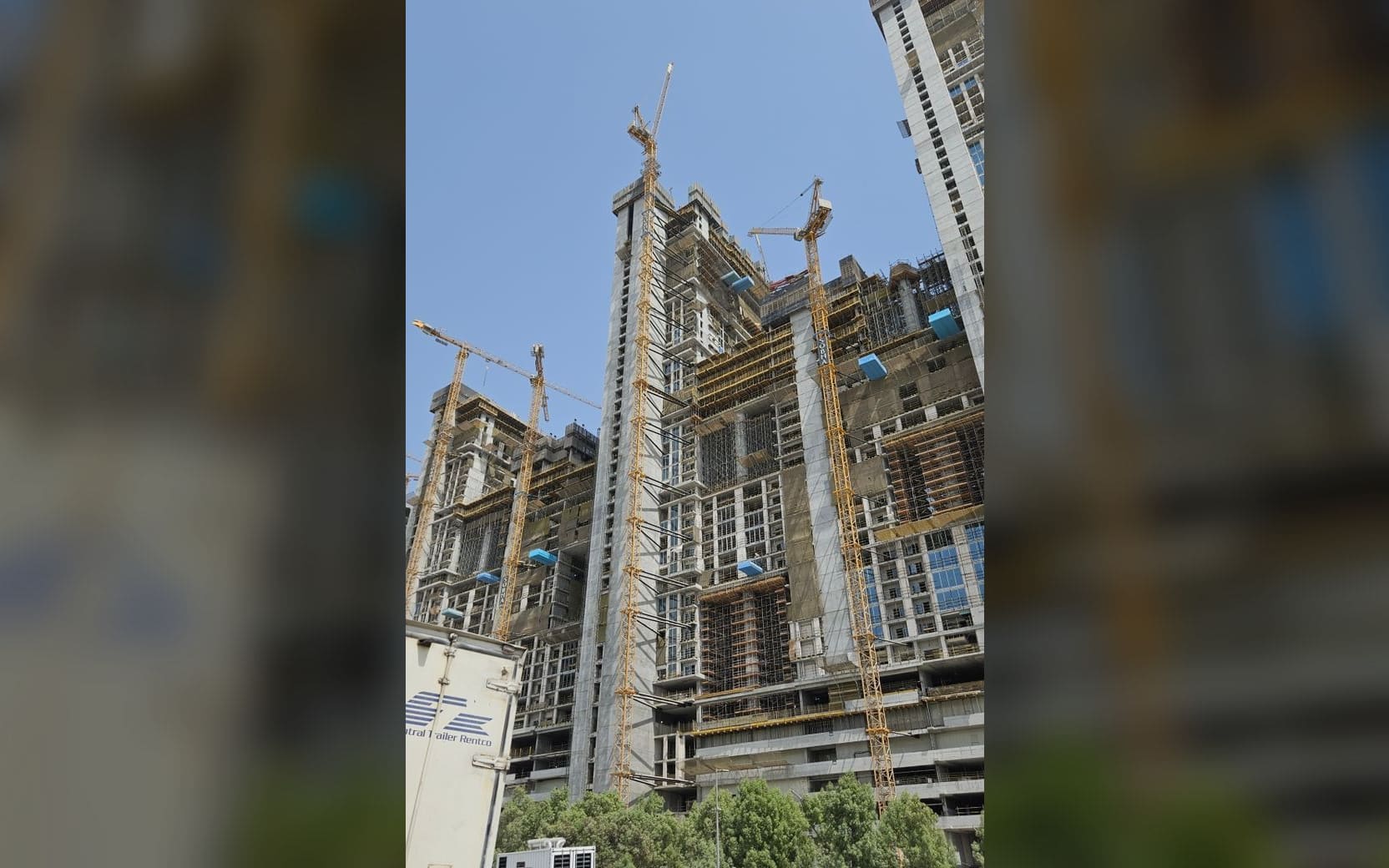
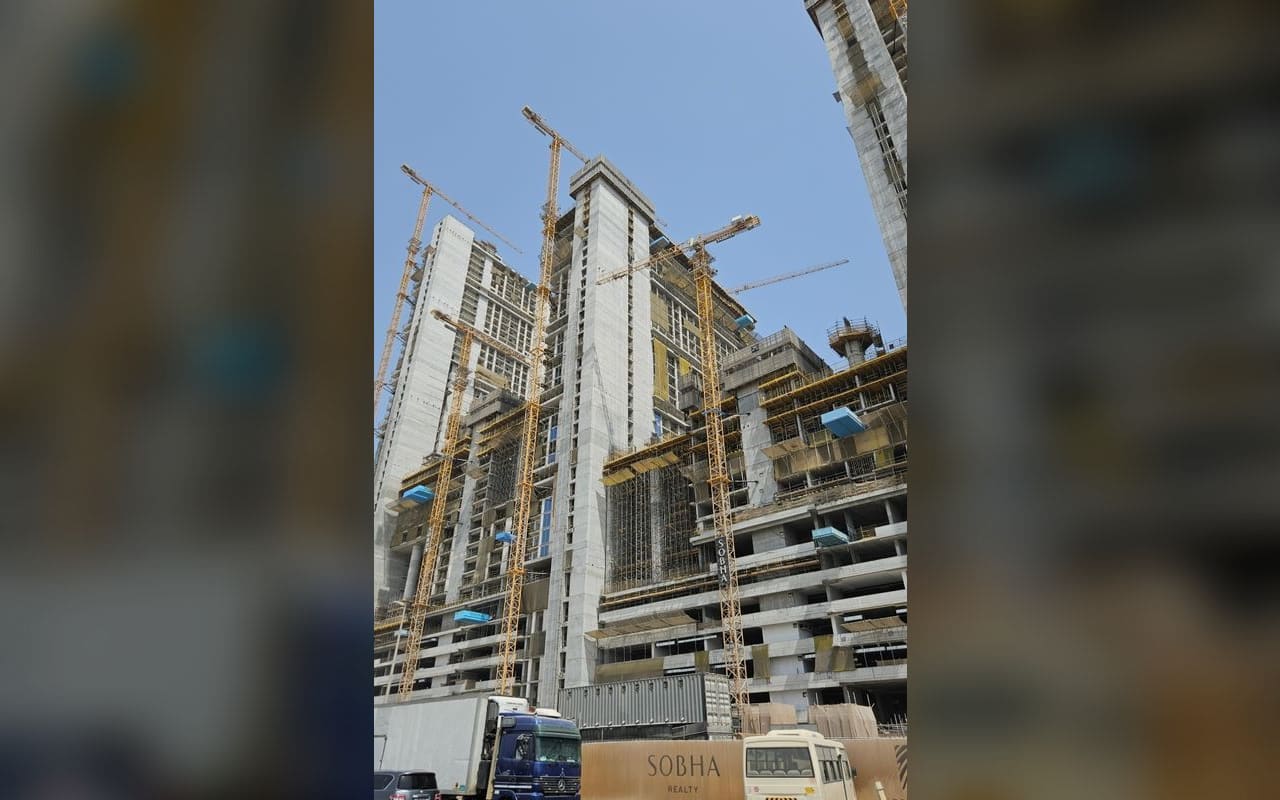
- Sobha One: sixty-six storeys on the edge of land that can never be built on
A sixty-six-storey Sobha complex on the Ras Al Khor edge, where a protected wetland sits on one side and a working industrial zone on the other. Orientation is not a preference here; it is the purchase.
The market, per the Land Department
Residential price index 167.33 Q4 2025
Quarter on quarter +3.32% QoQ
Year on year +8.9% YoY
Full year 2025 +9.81% index 162.51
This is the official index for the whole emirate, not for Ras Al Khor: the Dubai Land Department does not publish a district breakdown publicly. Treat it as background — it tells you whether the market is rising or flat while you read the prices above. Transaction data for a specific building I pull separately, on request. Source: Dubai Land Department, read 15/08/2026.
The latest read: July 2026
The Land Department index above is quarterly and emirate-wide. The monthly price index splits villas from apartments — and in 2026 that matters: a single blended figure hides the fact that the two markets have pulled apart.
Villas and townhouses 292.5 flat YoY
Apartments 168.7 −4.2% YoY
All residential 219.2 −0.3% MoM
Price per sqft 2,039 villas · apartments 1,397 AED
The month split by completion status: 72.8% of deals were off-plan, 27.2% ready homes. Ready-home volume rose 11.4% on the month, while off-plan was the only segment down both on the month and on the year (−45.3%). The practical read: there is room to negotiate on apartments and on off-plan, far less on finished villas in established communities. Index base is January 2021 = 100 — a villa reading of 292.5 means growth of 192.5% from that mark, not a premium over a 2021 peak. Monthly ValuStrat market review for July 2026, checked 24/08/2026.
Questions about Ras Al Khor
Is Ras Al Khor residential?
Only partly. It contains a protected wetland sanctuary and a large working industrial and warehousing zone, with limited residential development on the edges — mostly schemes that take their value from the sanctuary outlook.
Can the Ras Al Khor sanctuary view be built out?
No. It is a protected conservation area, which makes it one of the most reliable forms of view protection available in Dubai and is the reason sanctuary-facing units carry a durable premium.
Other districts
All districts →Projects in Ras Al Khor
All projects in Ras Al Khor →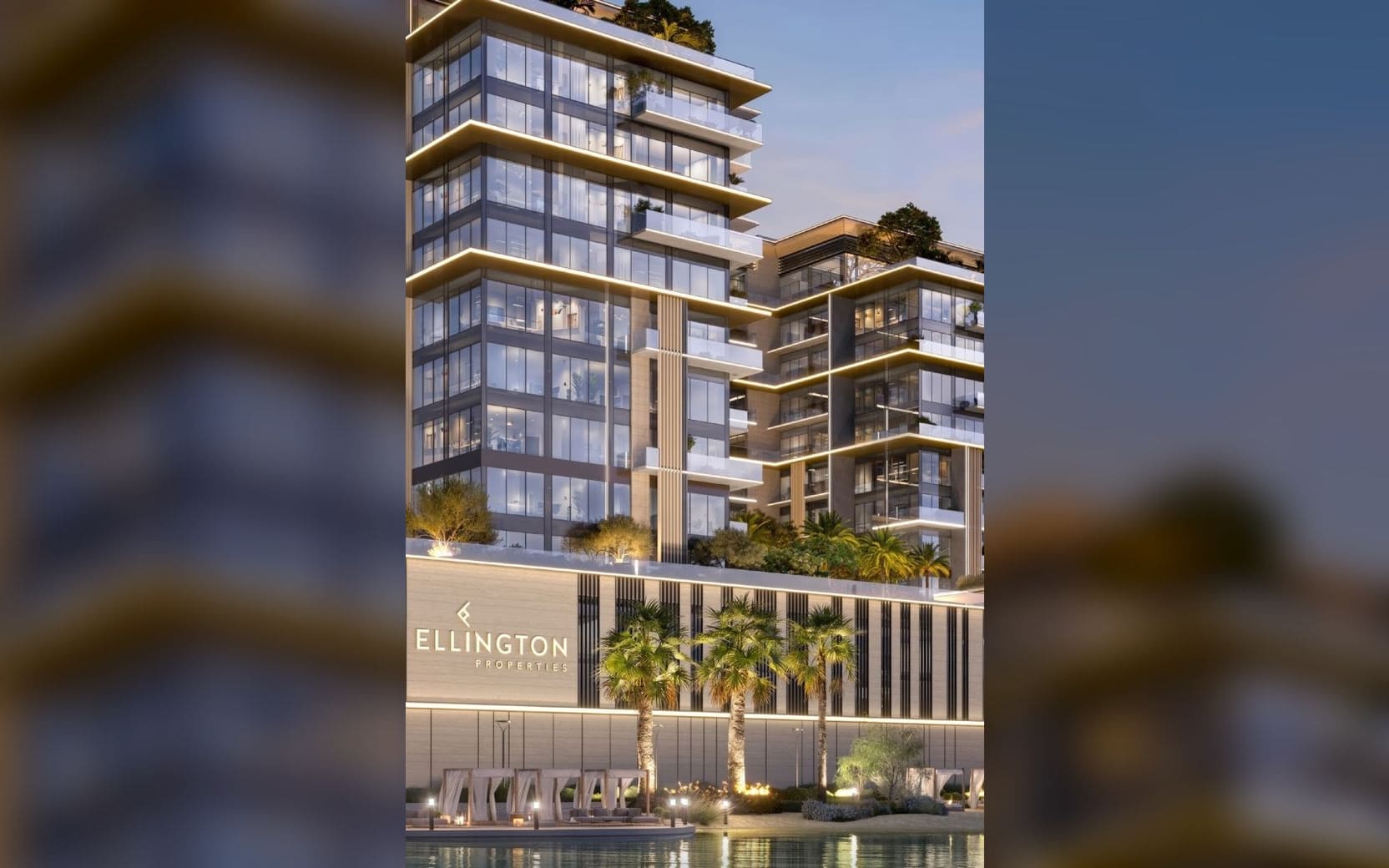
Ras Al Khor in the news
Emaar’s AED 200bn masterplan for 150,000 residents: what buyers know so far
Emaar has announced its largest masterplan ever: AED 200bn, 4.5 million m² of floor area, about 150,000 residents, five zones and a promised metro link. The name and site are still not official. Separately, it bought land in Ras Al Khor for AED 2.9bn. What it means for buyers.
Ras Al Khor: a nature reserve and an industrial belt under one name
One address covers protected lagoons with flamingos and one of the city’s largest industrial areas. The distance between the two halves is measured in kilometres.
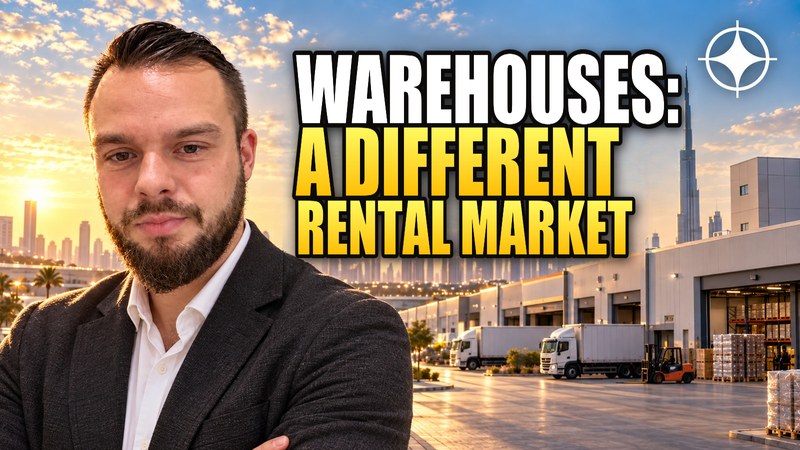
Ras Al Khor warehouses and workshops: how the industrial rental market works
The industrial part of Ras Al Khor is a separate rental market with its own logic. It is more stable than residential, and it calls for a different approach.
Looking at Ras Al Khor specifically?
Send me the building or the unit and I will pull the registered transaction history, the current service charge and what comparable units actually let for — before you make an offer, not after.
Ask on WhatsAppAsk a question
Telegram is the fastest way — I answer personally.
Message on Telegram