
Sobha One: sixty-six storeys on the edge of land that can never be built on
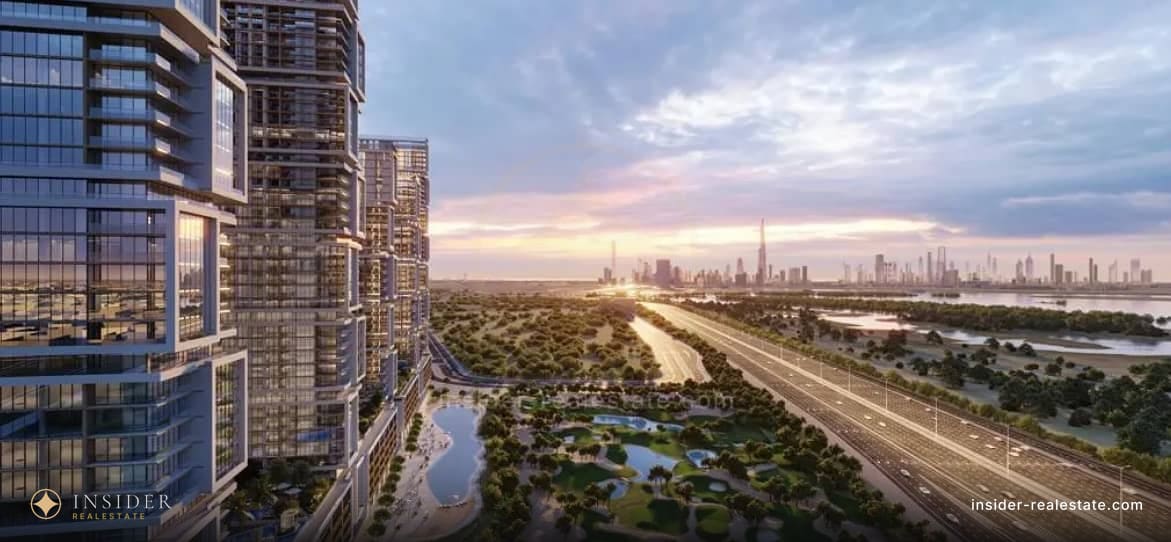
Most Dubai towers sell a view that a future neighbour can take away. This one stands beside a Ramsar-listed wetland that has held its protection through two decades of development pressure on every side — and beside a working industrial zone that is equally permanent. Which of the two your windows face is the entire decision.
What the passport records
Sobha One is a multi-building complex rising to sixty-six storeys, developed by Sobha Realty and still under development, with PNC Architects as architect of record. The passport places it in Ras Al Khor Industrial Area 1.
Sixty-six storeys is a serious height for this part of the city, and it is the reason the project exists where it does: altitude is what converts a plot on an industrial fringe into apartments with a wetland and a skyline in the window.
Sobha is a developer with a specific reputation for build quality in this market, and the complex is delivered as a cluster rather than as a single tower — which means the relationship between the buildings matters as much as the relationship with what is outside them.
Talk to a licensed broker: WhatsApp +971 50 120 32 64 · Telegram
The passport says nothing about unit count, and this piece does not guess at one.
The two Ras Al Khors
Ras Al Khor means two quite different things depending on which way you look. One is the Ras Al Khor Wildlife Sanctuary — protected wetland at the head of Dubai Creek, mudflats, mangroves and lagoons, a Ramsar site supporting tens of thousands of migratory birds each winter, including the flamingos that have become one of the most photographed things in the city.
The other is Ras Al Khor Industrial: warehousing, workshops, the gold and diamond trade infrastructure, vehicle and furniture trades. It is a working district with the traffic and the working hours that implies, and it is not going anywhere either.
Residential development here is limited and sits on the edges, in schemes that take their value from the sanctuary outlook rather than from the industrial neighbours. This complex is one of them.
So the same building contains two different products. A sanctuary-facing apartment and an industrial-facing apartment on the same floor are not variations on a theme; they are separate purchases at separate prices, and the listing rarely says which is which.
Why protected land is worth paying for
Protected land is the most reliable form of view protection that exists. In a city where losing an outlook to a tower that was not there at purchase is a routine experience, a conservation area is not a masterplan promise — it is legally protected land, and the protection has already survived twenty years of pressure from every direction.
It is also genuinely attractive in its own right: open water, wetland, birds, and an absence of buildings that is rare this close to the centre.
The premium on a sanctuary-facing unit in the adjacent developments is real and it holds, for exactly that reason. It is one of the few view premiums in Dubai that can be underwritten rather than hoped for.
The corollary is that paying that premium for a unit facing the other way is the most expensive mistake available in this district, and it is made by people who looked at the building rather than out of it.
What the district does not give you
Residential amenity here is minimal. There is no meaningful retail, dining or schooling inside the district; residents use Nad Al Sheba, Al Jaddaf, Business Bay or Mirdif for all of it.
A tower of sixty-six storeys provides its own internal amenity, and in a district like this that is not a luxury but the mechanism by which the building works at all. Establish exactly what is inside the complex and what is contracted rather than rendered.
For a tenant, the calculation is a trade: newer stock and a protected outlook, against a drive for the ordinary things that districts with shops on the corner provide on foot.
That trade prices in. It is also why the buyer profile here skews toward people who value the view and the space over walkable amenity, and why a family with school-age children is usually the wrong tenant to underwrite.
The location argument
Ras Al Khor sits at the junction of Al Khail Road, Ras Al Khor Road and the Dubai–Al Ain corridor, which makes it one of the best-connected positions in the emirate for moving around the city rather than through it.
Downtown and Business Bay are ten to fifteen minutes away, the airport slightly more, and Jebel Ali is reachable on Al Khail without touching Sheikh Zayed Road at all.
That centrality is the reason residential pockets on the sanctuary edge are viable in the first place: they are genuinely central in a way their price does not suggest, because the address carries an industrial name.
For an investor that gap between perception and position is the thesis. For a resident it is a daily convenience. Both depend on the same thing, which is that the roads around this junction work — so drive them at the hour you would actually be driving them.
The checks that matter here
Orientation, before anything else, verified from inside the actual unit rather than from a floor plan with a compass rose on it. Sanctuary or industrial: it is the difference between two products.
The permitted use of the surrounding plots. The sanctuary side is settled; the other side is a live industrial zone whose activities are governed by licence, and what is next door today may be a different trade next year.
Access routes and how they interact with industrial traffic during working hours, which is a different question from how they look on a map at nine in the evening.
And the standard off-plan discipline: escrow, payment schedule, the specification appendix, and the handover window stated as precisely as the developer will state it.
Frequently asked
How tall is Sobha One?
The project passport records a multi-building complex rising to sixty-six storeys, developed by Sobha Realty with PNC Architects as architect, in Ras Al Khor Industrial Area 1. It remains under development.
Can the Ras Al Khor sanctuary view be built out?
No. It is a protected conservation area at the head of Dubai Creek, which makes it one of the most reliable forms of view protection available in Dubai and is why sanctuary-facing units carry a premium that holds.
Is Ras Al Khor a residential district?
Only partly. It contains a protected wetland sanctuary and a large working industrial and warehousing zone, with limited residential development on the edges. There is no meaningful retail or schooling inside the district — residents use Nad Al Sheba, Al Jaddaf, Business Bay or Mirdif.
✍️ Message me on WhatsApp for a free consultation — off-market stock, payment plans and honest numbers on any of the projects covered here.
✅ Subscribe on YouTube — investment, property, business and relocation in the UAE and beyond.


Below market in Ras Al Khor right now
From the daily off-market feed. Availability and price are confirmed on request.
All below-market listings →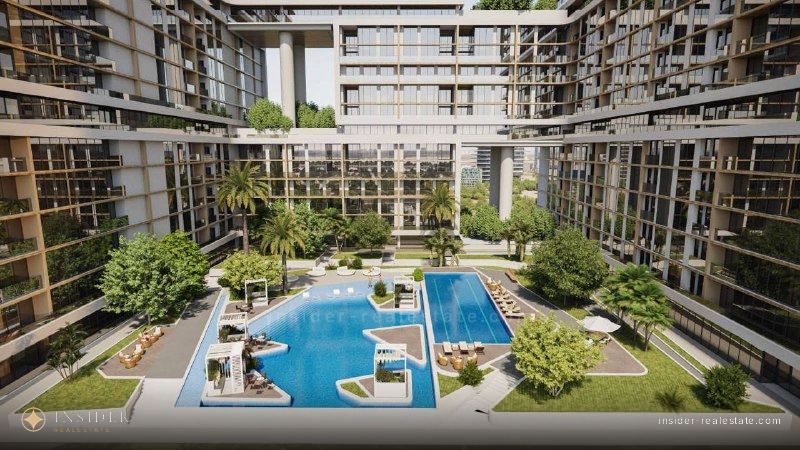
In the news
The same subject in writing — analysis and news related to this video.
Ras Al Khor: a nature reserve and an industrial belt under one name
One address covers protected lagoons with flamingos and one of the city’s largest industrial areas. The distance between the two halves is measured in kilometres.
Select Group: waterfront towers and what a marina address really costs
A developer built around Dubai Marina and the harbour districts. Why the water is the whole thesis, what a waterfront service charge looks like, and where the resale market for these units sits.
Why the payment schedule matters more than the price: 40% against 80% halves the return
Attention goes to renders, location and the headline price. For an investor a different line comes first — and the arithmetic on it is unforgiving.