
Burj Khalifa: how the world’s riskiest skyscraper became a success story
Construction began at the top of the market and finished in a crisis; at the 2010 opening some apartments stood empty and nearby rents had fallen almost 40%. Today Downtown is one of the priciest districts in the Middle East. What an investor should take from it.
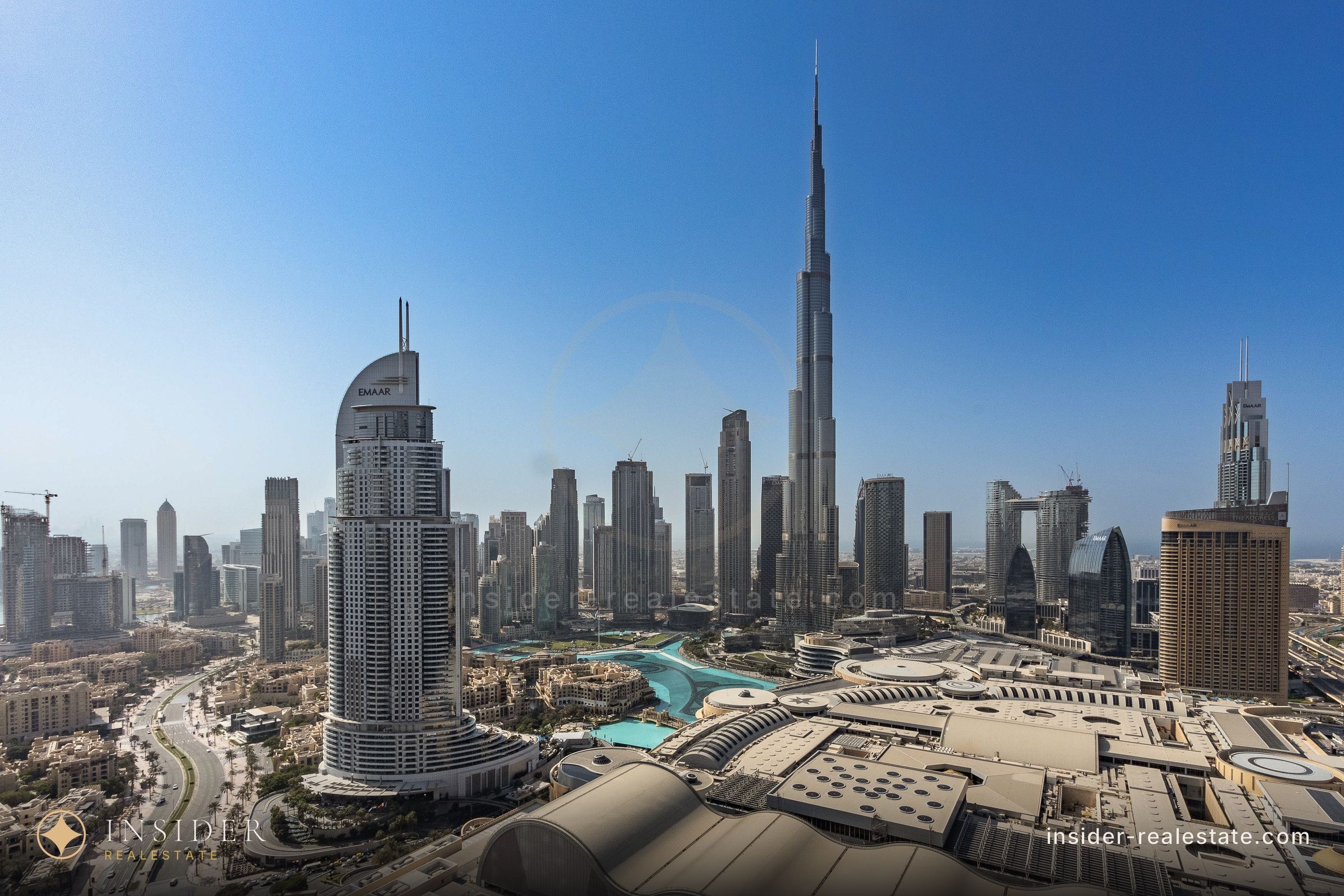
When construction of the Burj Khalifa began, Dubai's property market was at its peak: prices were climbing fast, dozens of projects were launching, and many spoke of overheating. Sceptics held that the tower would become the symbol of a bubble and of a city's overreach.
How it looked at the time
While the tower was still going up, the global financial crisis arrived in 2008. Dubai's property market fell sharply, prices dropped and some projects halted. By the 2010 opening the situation was difficult: some apartments stood empty, and rents in the first months had fallen by almost 40%.
In other words, at the moment of completion the project looked exactly as the sceptics had predicted.
Talk to a licensed broker: 📲 +971 50 120 32 64 on WhatsApp, @dubai_oleg on Telegram
What turned out to matter more
Emaar's intent was wider than one tower. What was being built was not a skyscraper but the centre of gravity of a new district — Downtown Dubai. Status as the world's tallest building turned the object into a global brand: millions travel to Dubai to see it, the observation decks receive around two million visitors a year, and the building houses restaurants, offices and a hotel.
Construction of the tower itself cost around $1.5 billion. But that is not the number to count: developing the whole Downtown district cost many times more, and it is the district, not the tower, that became the asset. Today Downtown is among the most expensive addresses in the Middle East.
Three conclusions that still hold
- Entry timing decides less than it seems. Someone who bought in Downtown at the 2008 peak endured hard years but came out ahead over fifteen. Someone who bought into a project with no anchor and no district never got that chance — and that difference, not the purchase date, is the point.
- The anchor creates the district, not the reverse. When assessing a new location, "what will be the centre of gravity here" matters more than "what does a square metre cost".
- Empty apartments at handover are not a verdict. A new district fills over years; a weak first year says little about the tenth.
And one caveat
It is easy to draw the wrong lesson from the Burj Khalifa: that any ambitious project eventually pays off. It does not. Dubai also knows projects frozen in that same crisis and unfinished to this day. The difference between them was not ambition but whether the developer behind the project could survive until the market recovered. That question — not height, not renders — is the one to ask when buying off-plan.
Based on the history of the Burj Khalifa project and the development of Downtown Dubai.
Video on this topic
The same subject on the English channel — each clip has a written version of its own.
 5:41Vida Residence Downtown: ready apartments beside the Burj14 June 2024
 8:54Address Sky View: the twin towers with the bridge, reviewed properly31 May 2024
 19:59Imperial Avenue: a profitable resale in Downtown Dubai13 January 2024
 15:01DIFC Living: apartments inside Dubai's financial centre17 September 2023


In the news
Other write-ups on the site about the same thing.
Downtown Dubai vs Business Bay: where to live and where to buy to let
Downtown is Dubai's tourist and status core, around AED 2 433/sqft on our own data. Business Bay is the business district next door, home to 17 000+ companies, around AED 1 871/sqft. We compare lifestyle, rental economics and who should pick which.
Moscow vs Dubai: where does a square metre cost more than $1 million a hundred over?
By mid-2026, new-build homes above 1 million rubles per square metre are selling in 14 Moscow districts — four more than a year earlier. In Dubai that same price level remains the preserve of just four addresses: Jumeirah Bay Island, Palm Jumeirah, Emirates Hills and Downtown Dubai.
Credo Investments: what a view is worth, and how to keep it
A developer with a small Downtown Dubai building from 2017. View premiums are large, real and frequently temporary — and whether yours survives is a matter of public record.
An apartment in the Burj Khalifa: what it costs and whether it works as income
The most recognisable building on earth and one of Dubai\u2019s most argued-over assets. What is actually sold inside it, how the price per foot compares with the rest of Downtown, and why investors so often buy the tower across the road instead.
Air taxi in Dubai: airport — Downtown — Marina — Palm
Four passengers and a pilot, electric, between the four locations with the heaviest ground traffic and the most expensive property. What it does to prices, and what to treat with caution.
Triplanet Range Group: a small flat in a prime district, or a big one in a cheap district
A developer with buildings in both Downtown Dubai and Dubai Sports City. The oldest question in property investment, answered with the numbers that actually decide it.