
DEWA raises the bar: 36% clean energy in Dubai by 2030, up from 25%
Dubai Electricity and Water Authority has revised its target — clean energy will reach 36% of the mix by 2030 instead of the planned 25%. The backbone is the Mohammed bin Rashid solar park, a green hydrogen plant and the Hatta pumped-storage station.
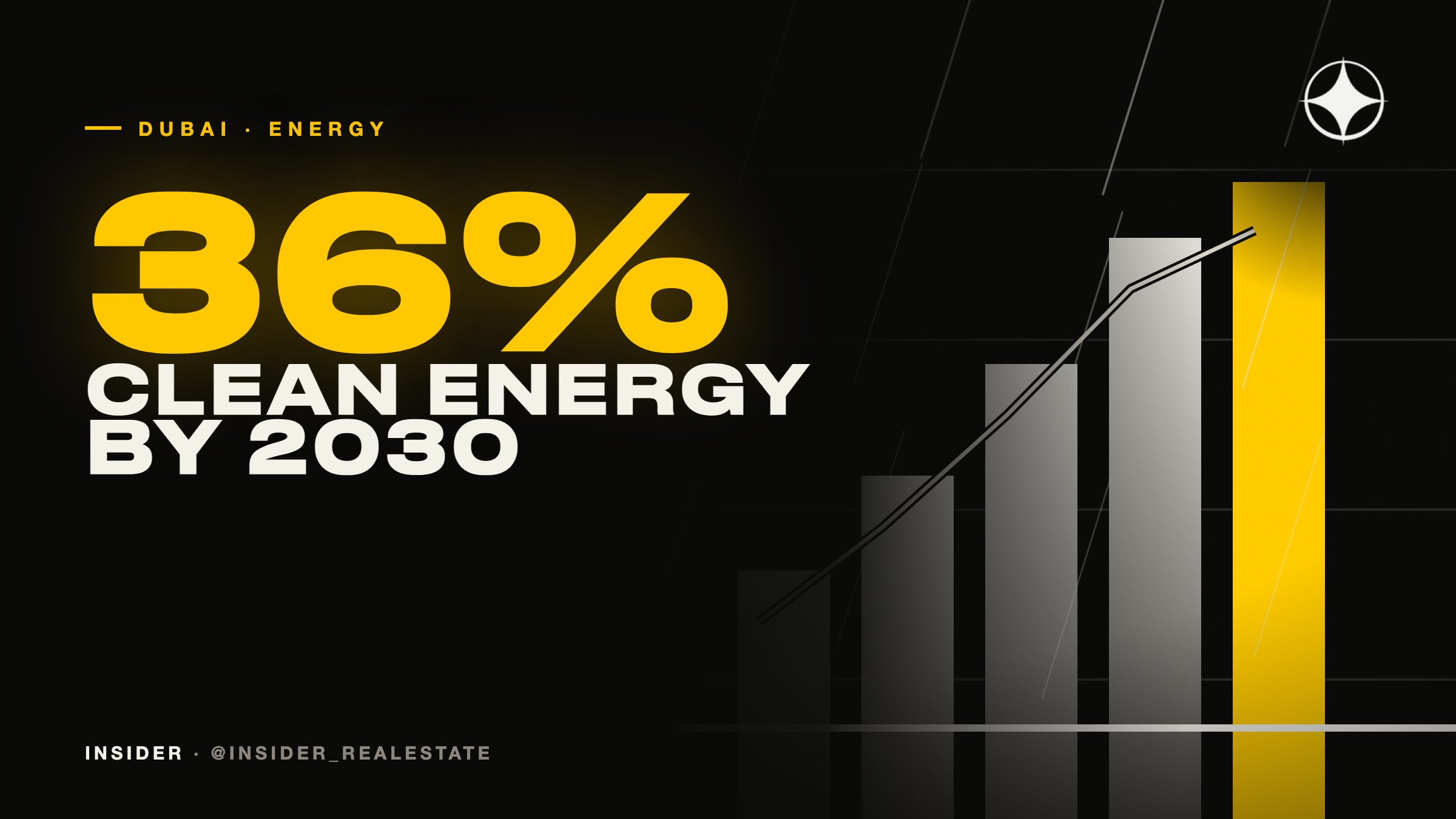
Dubai Electricity and Water Authority (DEWA) has revised its environmental strategy upwards: by 2030 the share of clean energy in the emirate's mix should reach 36% rather than the 25% originally planned. The end goal is unchanged — 100% clean energy by mid-century under the Dubai Clean Energy Strategy 2050 and the carbon neutrality strategy.
What the plan rests on
- The Mohammed bin Rashid Al Maktoum Solar Park — the world's largest single-site solar generation project, developed on an independent power producer model.
- A green hydrogen complex — the first industrial plant in the Middle East and North Africa producing hydrogen purely from solar power.
- A pumped-storage hydroelectric station in Hatta — unique in the Gulf, designed to balance peak loads on the grid.
- The Green Charger network — EV charging infrastructure launched back in 2014 and now at peak deployment.
- The Sail Building headquarters — the world's tallest and largest government building with a positive energy balance: it generates more than it consumes.
Why this reaches an owner's utility bills
Air conditioning is the dominant electricity load in Dubai, and it is not going anywhere: the climate does not change with the generation source. What changes is the cost structure of a kilowatt. Solar generation in a region with this level of irradiance has long been cheaper than fossil, and pumped storage in Hatta solves its central problem — the mismatch between generation peak and the evening consumption peak.
For a property owner the effect is slow but tangible: tariff stability. A grid half-independent of fuel prices is less sensitive to oil swings — and utilities in a hot climate are a meaningful share of the cost of ownership.
Talk to a licensed broker: 📲 +971 50 120 32 64 on WhatsApp, @dubai_oleg on Telegram
The second effect — building standards
A push towards clean energy usually arrives with tighter energy-efficiency requirements for new buildings: insulation, glazing, cooling systems. For a buyer that creates a market split worth noticing early: a new building constructed to current standards and a twenty-year-old one differ more in electricity bills than in price per square metre.
Based on official DEWA announcements and Dubai Clean Energy Strategy 2050 materials.
Video on this topic
The same subject on the English channel — each clip has a written version of its own.
 0:59
0:59 Dubai's Quality of Life Strategy 2033: The Walkable Districts
Two kilometres of air-conditioned, glazed elevated walkways around Emirates Towers, plus a new waterfront district in Deira — this is what Dubai's Quality of Life Strategy 2033 is actually building.
WatchIn the news
Other write-ups on the site about the same thing.
UAE Mangroves: Halfway to 100 Million Trees
The UAE has planted 51% of its target 100 million mangrove trees by 2030. The program protects the coastline from erosion — and it's the one environmental initiative that directly affects owners of waterfront property.
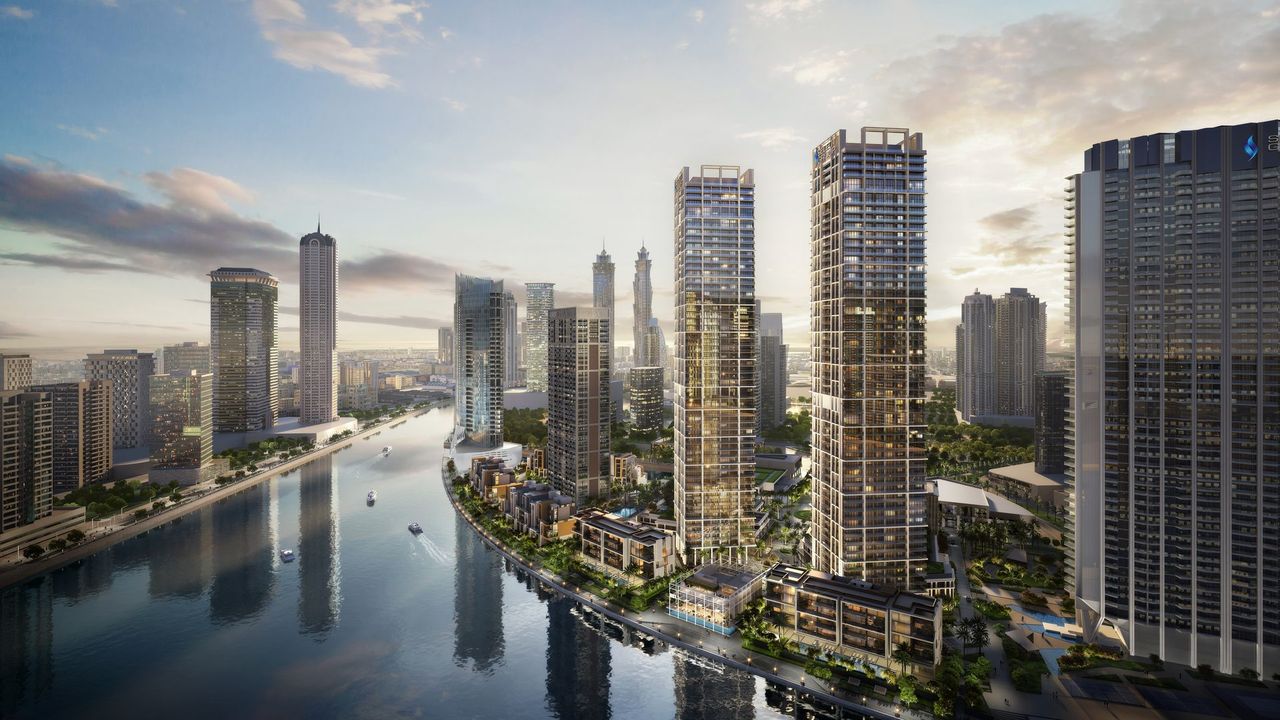
Dubai’s largest budget ever: AED 302.7bn, with almost half going to infrastructure
Dubai approved a AED 302.7bn budget for 2026–2028, with AED 99.5bn for 2026 alone. 48% of the annual budget goes to infrastructure — roads, metro, tunnels, parks and promenades. How public capital spending reaches apartment prices.
The UAE and Jordan are building a $2.3bn railway
The project is designed to move up to 16 million tonnes of freight a year to the port of Aqaba, as part of a broader regional logistics strategy. Why overland corridors matter to the UAE property market.
Is almost everyone in Dubai a construction worker? 2025 data: construction is 18.7% of the workforce
Dubai Statistics Center data for 2025: construction employs 879,000 people, or 18.7% of the workforce. Trade is the largest employer with 892,000. The rest work in services, logistics, manufacturing, tech and finance. What that means for housing demand.
Dubai's Blue Line Metro: 14 Stations From the Airport to Academic City
Dubai's third metro line will link the international airport, Al Jaddaf and Academic City, with a bridge over the creek connecting Dubai Creek Harbour to the network. A new station typically shows up in nearby property prices.
Expo City Dubai: the city’s international exhibitions are moving here, and the south is growing around them
The world exposition site is being built out for up to 300 000 residents, and every international exhibition in Dubai is being moved onto it. Together with the new airport and the second palm archipelago, that shifts development southwards.