
ELPD Developers: when a developer’s new project is far bigger than anything it has built
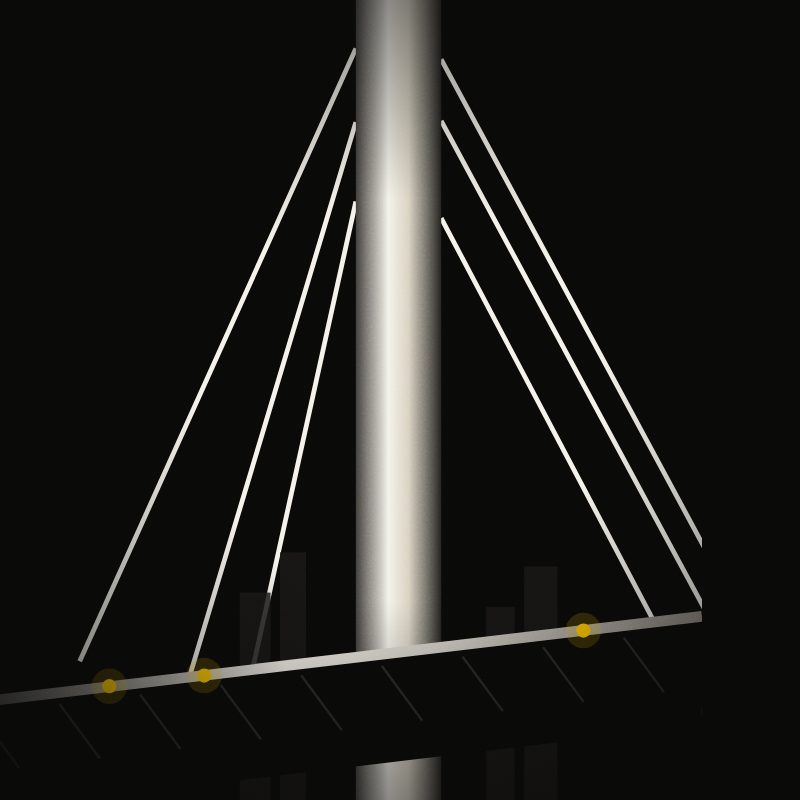
A developer with a tall tower under construction in Meydan. A large jump in scale is a specific risk, distinct from being new — and it is assessed differently.

A developer moving from small buildings to a tall tower is not the same as a developer with no record at all. It is a different risk, and it is worth separating because the checks that address it are different.
Why scale is its own risk
- Tall buildings are a different discipline. Deep foundations, high-rise structural design, lift engineering, pressurised water systems, facade access and life-safety strategy have no equivalent in a six-storey block.
- The capital requirement steps up sharply, and with it the consequences of a sales shortfall or a cost overrun.
- The timeline lengthens, which extends the period over which anything can go wrong.
- The contractor becomes decisive. A developer's own experience matters less here than whether it has hired a builder who has done this before.
What to check specifically
- Who is the main contractor, and what have they built at this height? This is the single most informative question about a scale-jump project, and the answer is checkable.
- Who is the structural engineer and the supervising consultant? On a tall building these are named parties with records of their own.
- Is the land owned outright? It says something real about how the project is funded.
- How is the payment schedule weighted? Progress-linked, not front-loaded — with a long build, this matters more than usual.
- What has the developer actually completed, with real handover dates against announced ones?
- Escrow account and project registration, by number, before paying anything.
What the finished building will cost to run
Worth thinking about at purchase, because it is permanent: a tall tower's service charge per square foot is materially above a low-rise building's — lifts, pumping, facade access, cooling and life-safety systems all scale with height. Ask for the projected charge and compare it against delivered tall buildings rather than against the district's low-rise stock, which will understate it.
Ask also how many lifts serve how many units. It is a checkable number and it decides what every morning is like for the building's life.
Talk to a licensed broker: 📲 +971 50 120 32 64 on WhatsApp, @dubai_oleg on Telegram
The district note
Meydan is a master-planned district where the master developer and the building developer are usually different companies. Your contract is with the second, and the community charge comes from the first — establish both, and check what is approved on the plots around you, since in a district still filling in your outlook is decided by land you do not own.
Who it suits
- Buyers attracted by launch pricing who have verified the contractor rather than the developer.
- Somebody who will monitor a long build through to handover.
- Not a buyer who needs a dependable date, and not one who assumes experience with small buildings transfers to a tower.
Based on the Dubai Land Department registration and escrow framework.
Video on this topic
The same subject on the English channel — each clip has a written version of its own.
 55:13Land plots and joint ventures in Dubai: how investors and developers split the profit9 October 2026
 51:14AI in Dubai real estate: what changes for brokers, investors and developers3 October 2026
 19:45Oceano on Al Marjan Island: the Luxe Developers project and the island being built around it14 August 2026

In the news
Other write-ups on the site about the same thing.

Imtiaz Developments: how to assess a developer that scaled fast
A mid-market company that went from a handful of projects to a large pipeline in a few years. What rapid growth does to risk, and the specific evidence that separates a good scaler from a stretched one.
Trident International Holdings: buying a Marina tower that is already fifteen years old
A developer whose Dubai Marina buildings now trade almost entirely second-hand. What an older tower offers that a launch cannot, and the checks that replace construction risk.

How to choose a developer and a broker in Thailand: a market where agents need no licence
Estate agency in Thailand is unlicensed: someone who arrived a year ago can sell flats. How to spot a broker who knows the market, and the four signs by which to vet a developer.

Title deeds in Thailand: why the ownership document takes from 3 months to 5 years
Until the building is handed over, a buyer in Thailand holds the unit only under a contract with the developer. The title deed is issued after handover — in 3–8 months, or up to 5 years if the documents are pledged to a bank.

Thailand has no escrow accounts: what happens if a developer goes bankrupt and how to check the land
There are no escrow accounts for off-plan purchases in Thailand. If a developer goes bankrupt, contractors and suppliers are paid first. Checking the land in the registry and avoiding pre-sales reduce the risk.

Cash in Dubai property deals: the AED 55 000 limit and what gets checked
In May 2024 two of Dubai’s biggest master developers, with 30–40% of sales by value, capped cash at AED 55 000 per deal — the rest by bank transfer. The same threshold triggers mandatory broker reports on cash and crypto-funded deals.