Motor City area profile: living next to a working racetrack, and when it actually gets loud
Residential neighbourhoods around a race circuit and an automotive business park. The event noise runs to a schedule — and the schedule is published.
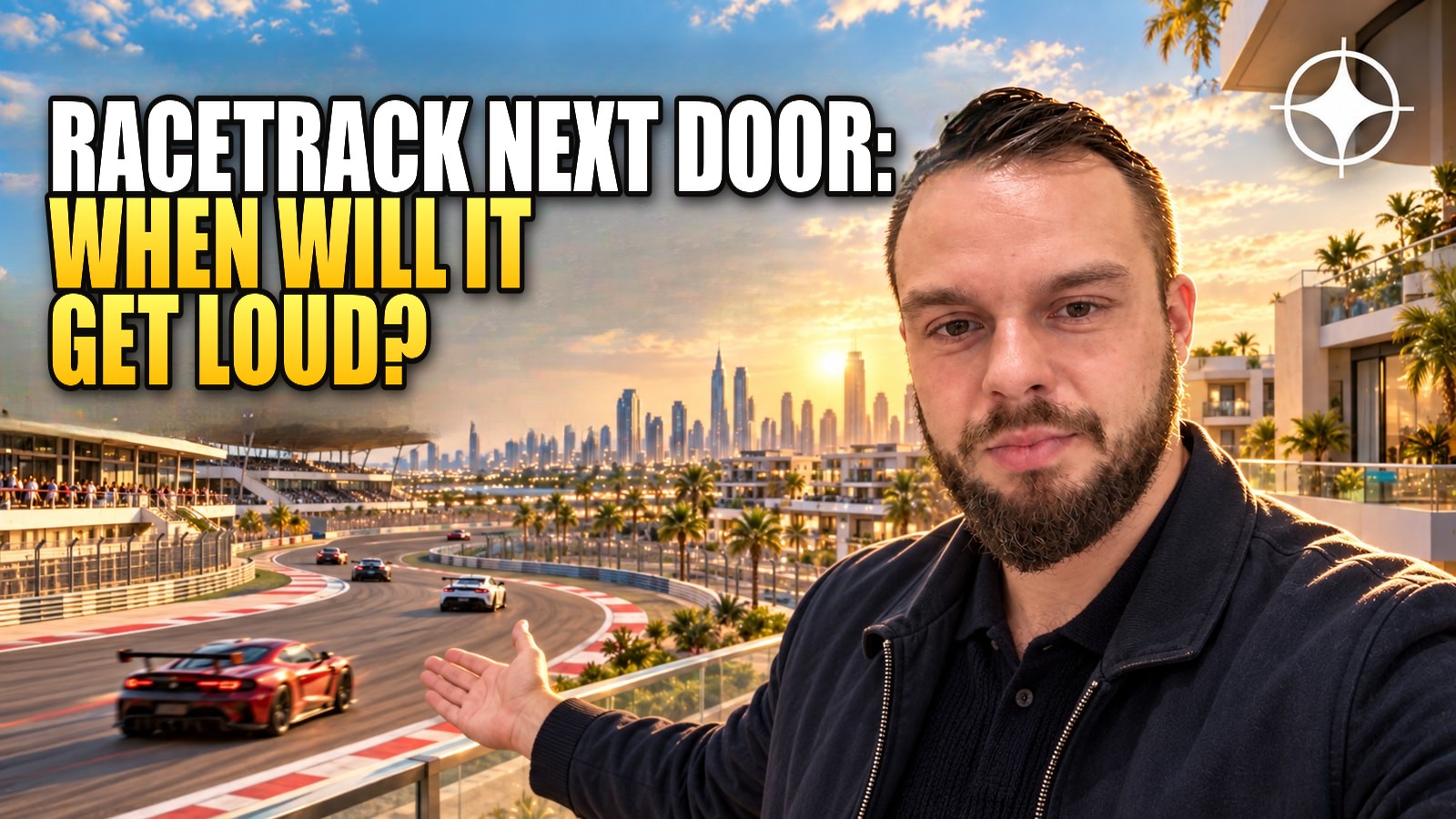
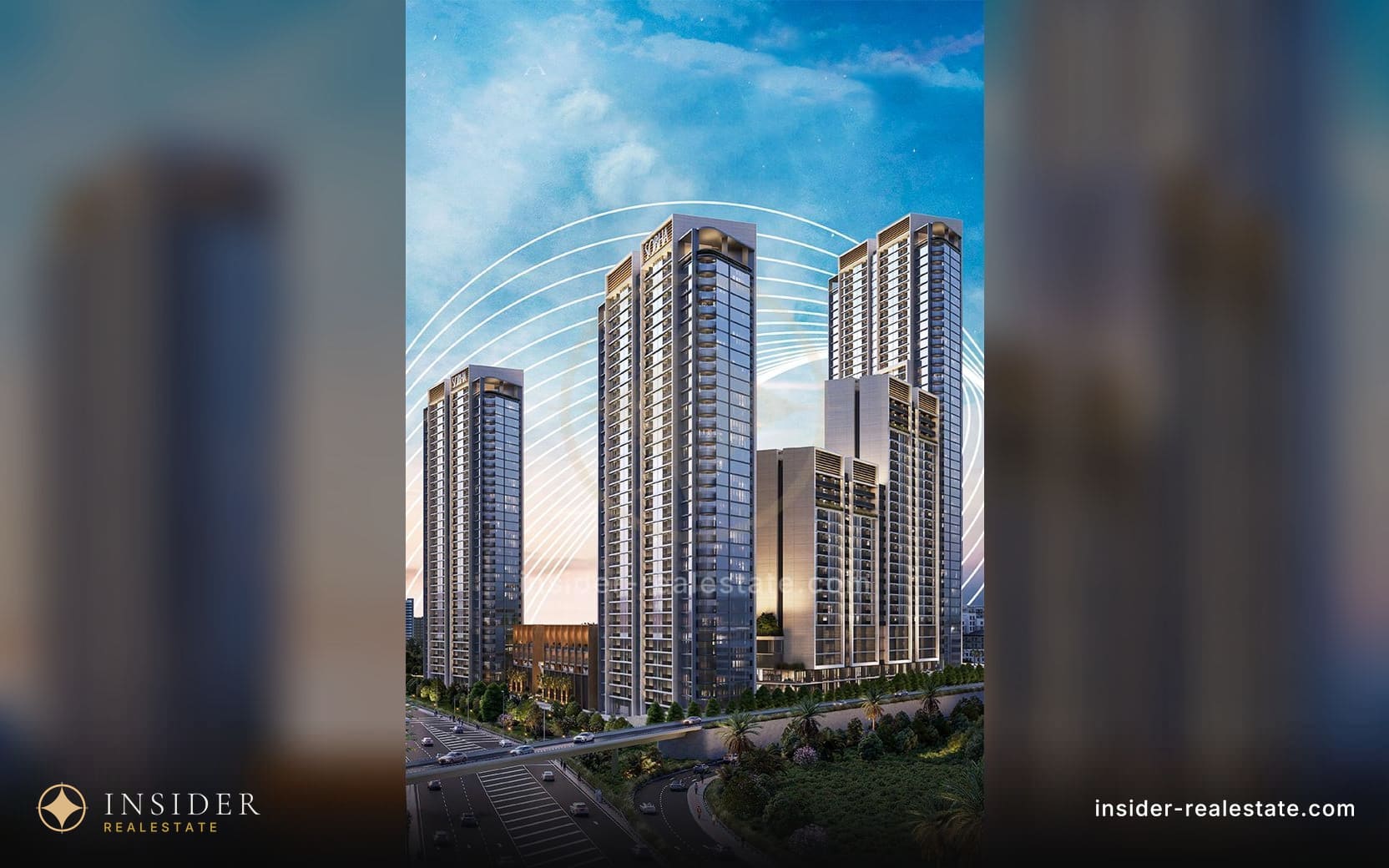
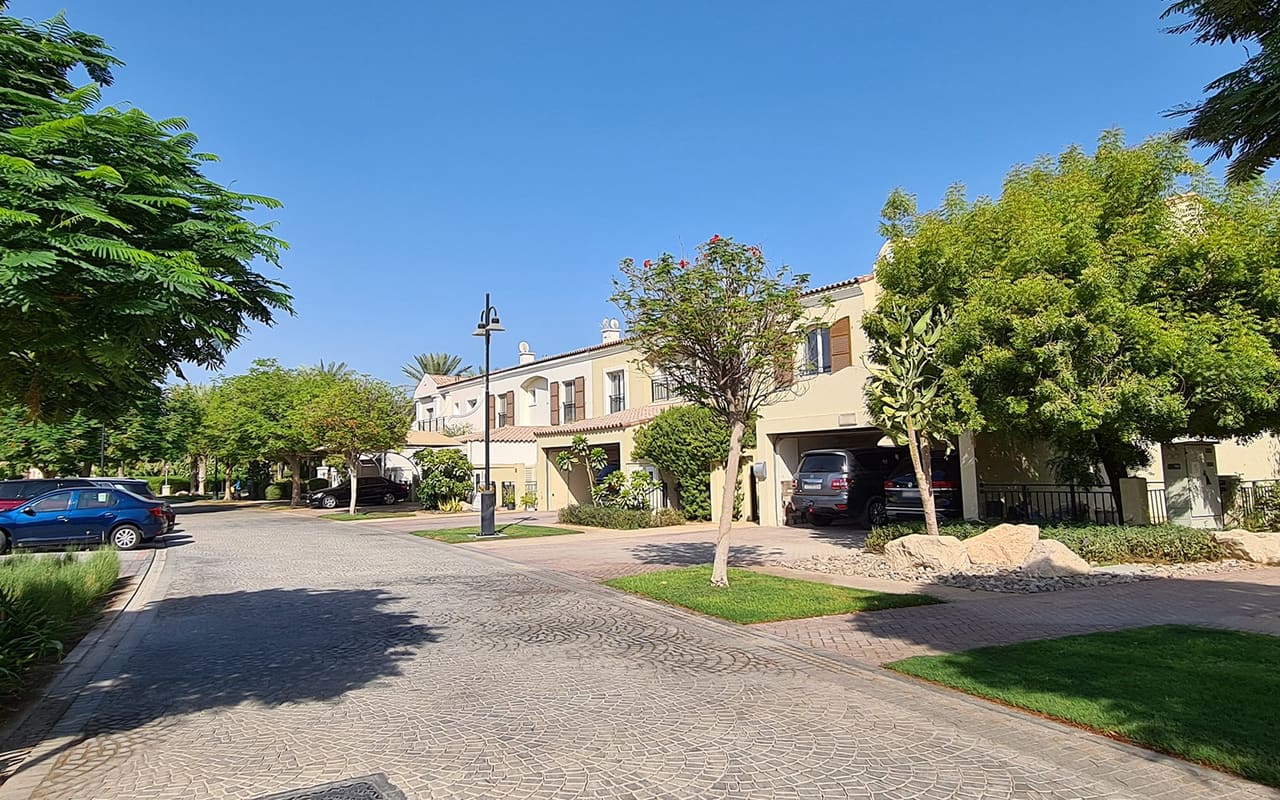
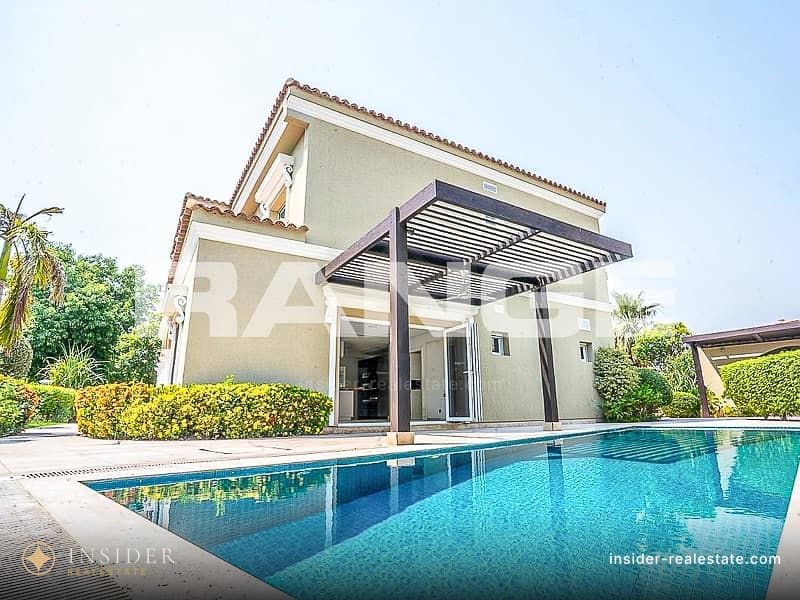
Motor City is a set of residential neighbourhoods around a race circuit and an automotive business park: low-rise blocks, townhouses, its own shops and schools. The theme is not decorative — there is a working racetrack next door.
What living by the track means
- The noise runs to a schedule, not all the time. Races, testing and events have dates, and the calendar is published in advance. That is fundamentally different from highway noise, which is round the clock.
- Distance and orientation decide it. How much you hear varies noticeably between neighbourhoods within the district; find out for the specific address, not the area.
- Event days add traffic and parking pressure. Ask how many such days there are in a year and what they look like.
- Testing it is easy: come on a race day. It is the only honest test, and it is free.
What the district offers
- Low-rise buildings and greenery between them, at prices below the centre.
- Its own amenities: shops, schools, clinics and sports facilities within the perimeter.
- A family tenant profile, with long leases and low turnover.
- A low service charge compared with tower clusters. Low-rise buildings are cheaper to run, and that is a noticeable part of net income.
- A straightforward commute along the highways south and into the centre.
What to check
- The events calendar, and what it means for your street.
- The service charge, its history and the collection rate in the specific building.
- Actual rents and void periods in the district, from live listings.
- The rush-hour commute and the number of exits.
- What else is being built nearby, and what has been approved on vacant plots.
- Parking and guest rules on event days.
Who it suits
- Families and long-let investors who can live with a few loud days a year.
- Those who value low-rise living and a low service charge.
- It does not suit anyone who has not checked the noise on site.
Based on the Dubai Land Department register and live listings for the district.
Talk to a licensed broker: 📲 +971 50 120 32 64 on WhatsApp, @dubai_oleg on Telegram
In the news
Other write-ups on the site about the same thing.

Dubai Industrial City apartments: what to check when you live next to industry
Noise, smell and dust in an industrial zone are not abstractions but checkable facts. The list is short, and checking it takes two visits.

Living on Sheikh Zayed Road: floor and aspect decide almost everything
A corridor of towers along a twelve-lane highway. The address could not be more central, and almost everything here comes down to the floor and the side of the building.

Most expensive areas in Dubai: price per square foot and rents in 2026
On sales registered with the Dubai Land Department in the year to July 2026, Jumeirah 2 leads at about AED 7,560 per sq ft, followed by Trade Center 2, DIFC, Dubai Harbour and La Mer. The city median is about AED 1,716. How prices compare with rents, and when a costly square foot pays off.
The World Islands: pricing an asset with no comparables
Almost every property decision rests on what similar things sold for. Here there is no "similar" — so the method has to change, and so does the price.

Al Warsan: percentage yield versus money
The cheapest segment shows the highest yield percentages in Dubai. Fixed costs do not shrink with the price, and they take a much larger bite.

Mirdif: the arithmetic of a long tenancy
Tenants here stay for years. That is worth more than a high headline rent — and it comes with one cost landlords discover late.
Below market in Motor City right now
From the daily off-market feed. Availability and price are confirmed on request.
All below-market listings →