
 −18%
−18% City Walk
Meraas’s low-rise urban district off Al Wasl Road: shopfronts at street level, apartments above, and pavements people actually use.
71 units in stock. 40 with a confirmed status: 23 ready, 17 under construction. 54th most expensive of 91 districts by median price.
- walkable urban living
- central location
- end-user resale demand
Median price $1.18M AED 4,350,000
Entry price $599K AED 2,200,000 — cheapest unit
Per square foot $884 AED 3,248 / sq ft, median
Ready stock 57% 30 units discounted, up to −18%
What is nearby, and what it does to the price
What this area is actually like
What City Walk is
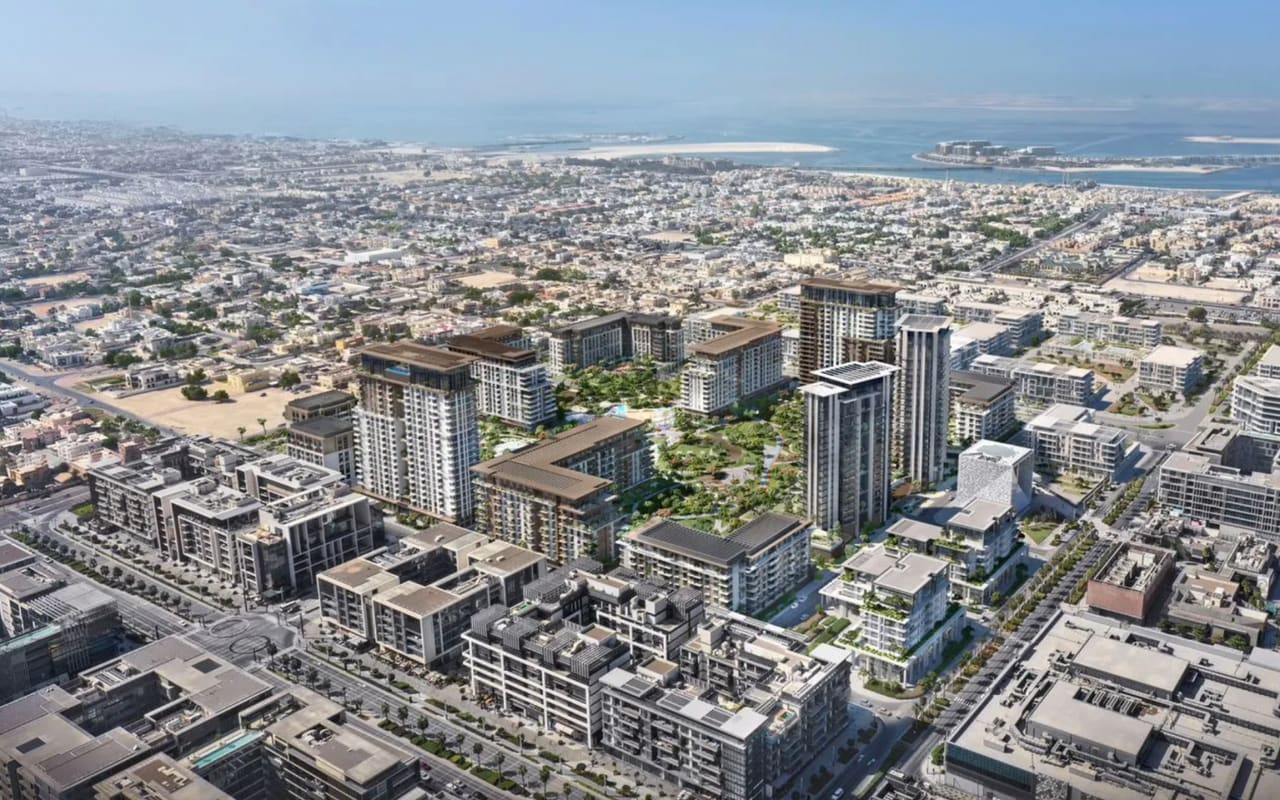
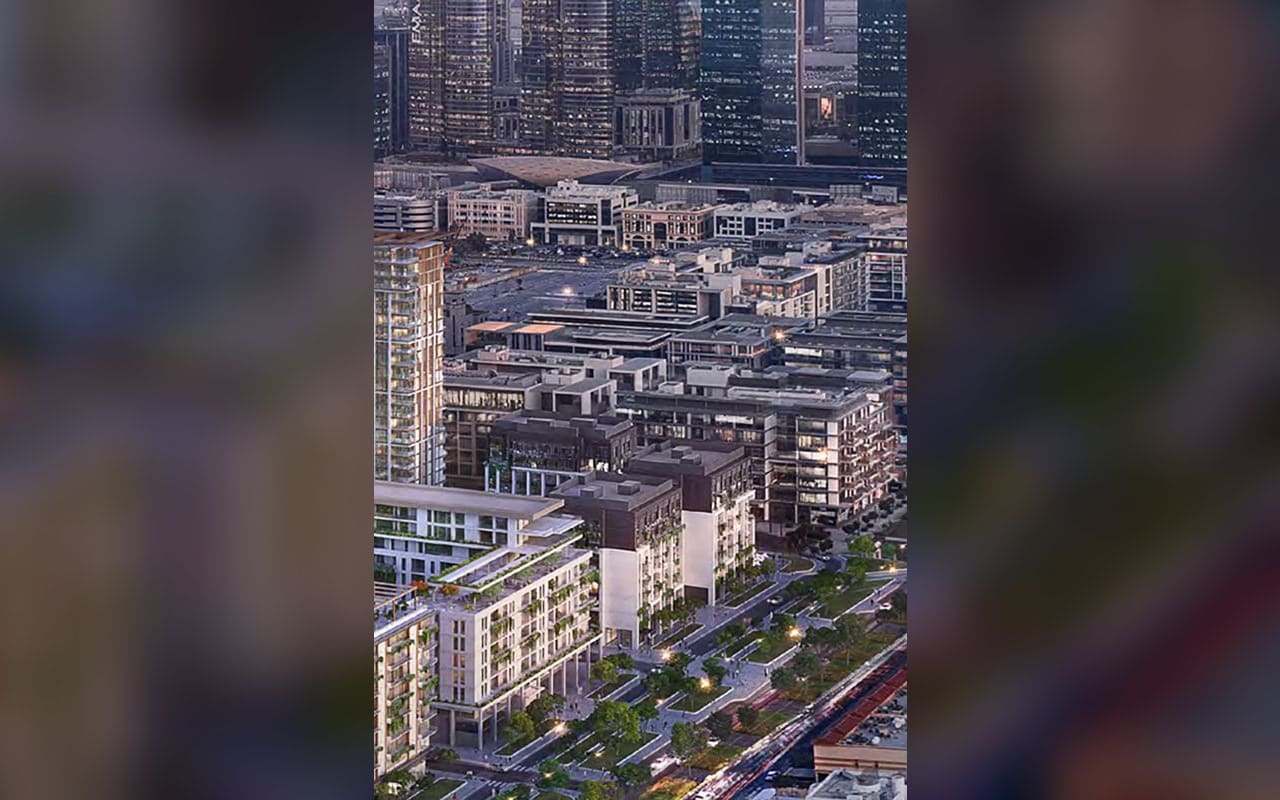
City Walk is a low- and mid-rise mixed-use district developed by Meraas between Al Wasl Road and Sheikh Zayed Road, close to Jumeirah and a few minutes from Downtown. It combines retail, dining and entertainment at street level with residential above.
The design intent was European: buildings addressing the street rather than sitting behind car parks, wide pavements, ground-floor shopfronts, and public space at human scale. It is one of the very few places in Dubai where that was actually achieved.
The result is a district you can walk around, which is rarer and more valuable in this city than the phrase suggests.
The retail and the crowds
The retail component is substantial and busy: international brands, a large cinema, restaurants, and event programming through the winter season. It draws visitors from across the city.
For residents that is a double-edged asset. Everything is downstairs, which is genuinely convenient. It is also busy at weekends and through the whole cooler half of the year, with the traffic and parking pressure that follows.
Which side of that trade you land on depends heavily on the specific building and its position within the district — the residential blocks further from the main retail spine are considerably calmer.
The apartments
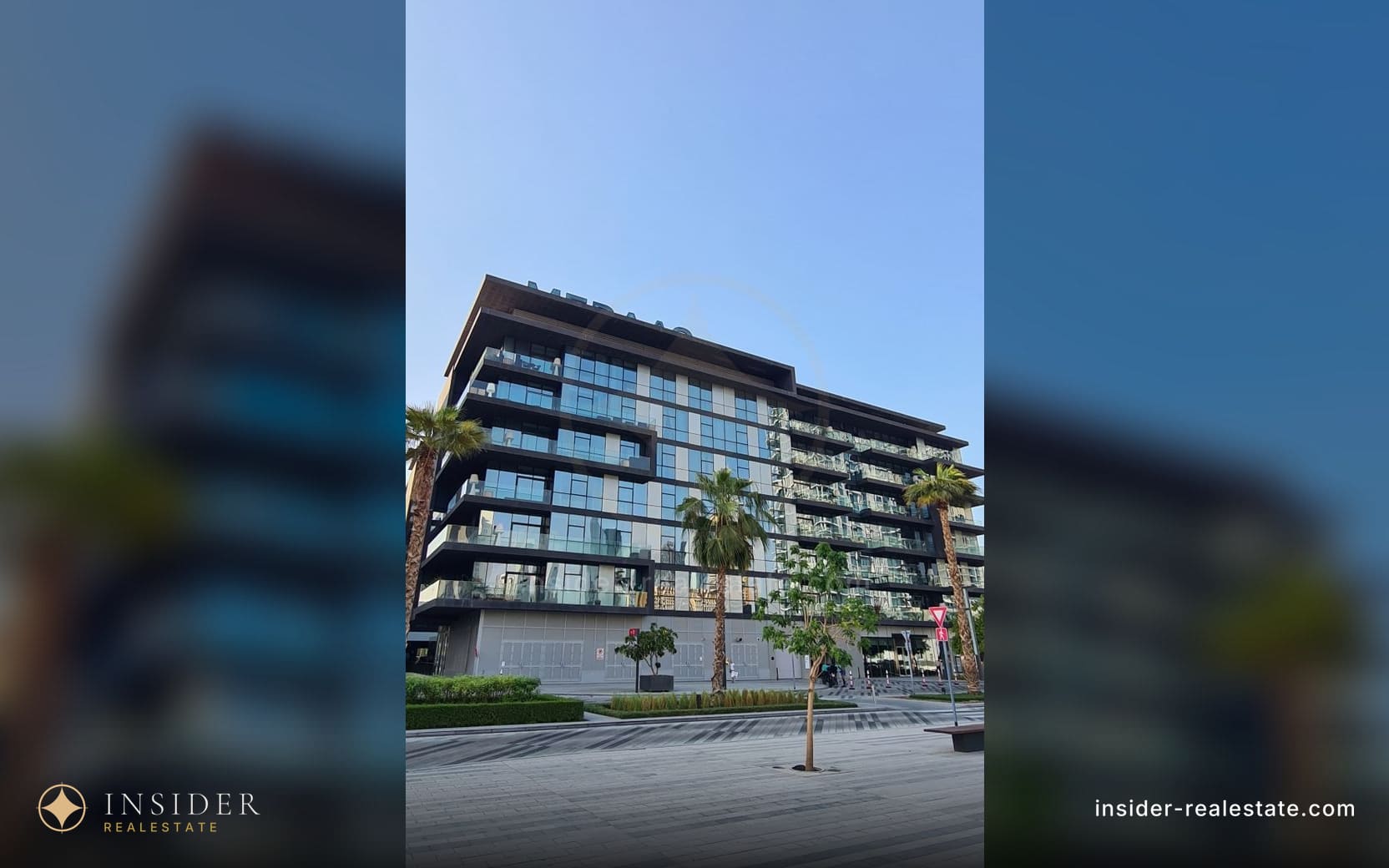
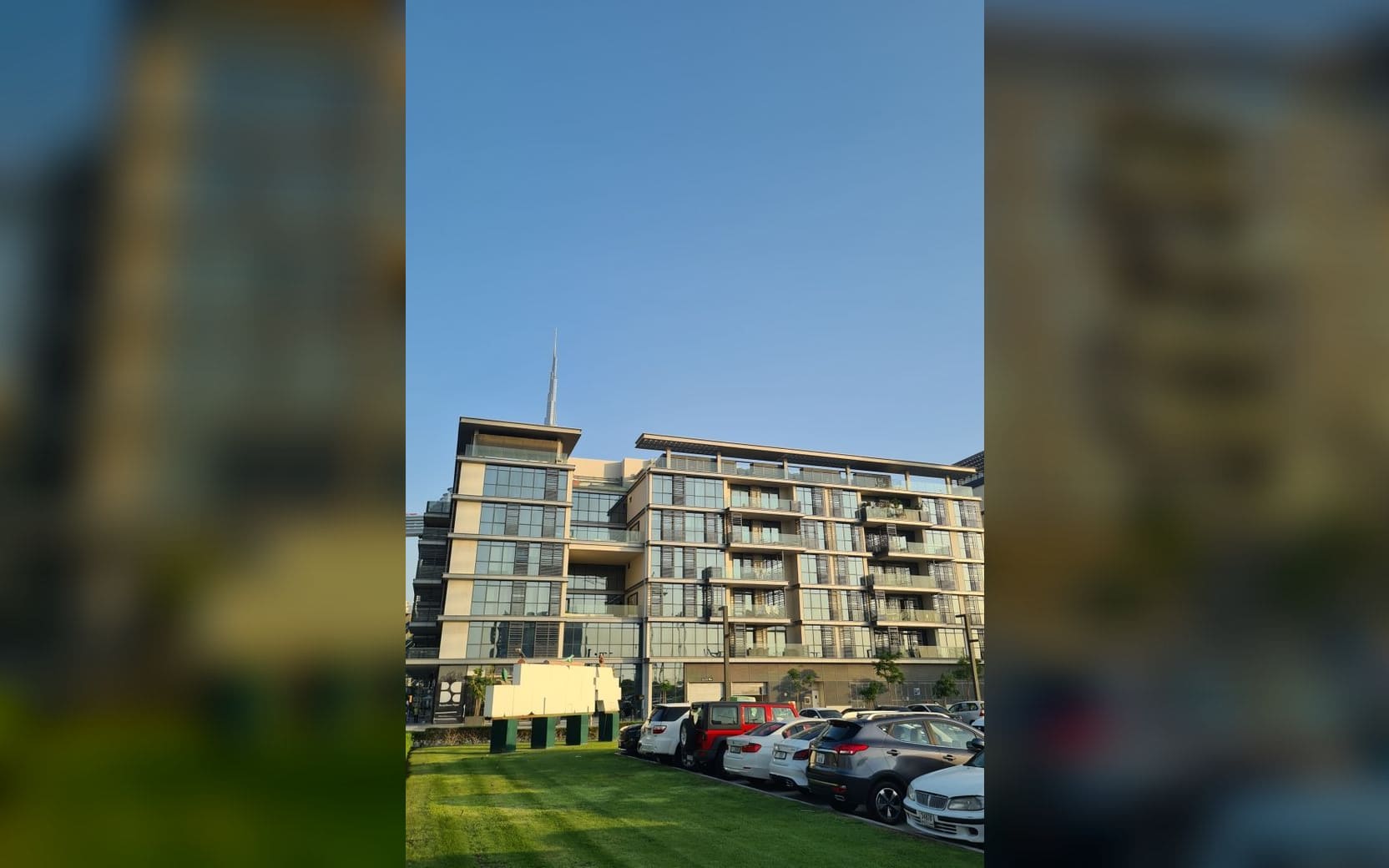
Meraas-built, contemporary, generally well specified, and low-rise by Dubai standards — most buildings are a handful of storeys rather than towers, which keeps the density and the lift waits down.
Layouts are urban: efficient rather than generous, with the space concentrated where it is used. Terraces and balconies overlook either the internal courtyards or the street.
Service charges are on the higher side, reflecting the amenity level, the landscaping and the mixed-use management burden.
Who lives here
Professionals and couples who want an urban lifestyle and are happy to trade square metres for being able to walk to dinner. A significant proportion of residents are long-term Dubai people who have deliberately moved out of the tower districts.
Some families, drawn by proximity to the Jumeirah schools and by the low-rise environment, though the apartments are not large and there is no dedicated family amenity.
A meaningful short-let population, since the location and the retail make it easy to sell to a visitor who wants to be central without being in a hotel district.
What to check
The specific position within the district. Facing the main retail spine means noise and footfall; facing an internal courtyard means calm. The price difference is smaller than the lifestyle difference.
The service charge and what the mixed-use component contributes to it.
Parking allocation and visitor parking, which is under real pressure from retail traffic at weekends.
Whether the building permits short lets, if that is the plan.
The investment case
City Walk is a lifestyle asset with a genuine scarcity argument: Dubai has almost no other successful low-rise walkable urban district, and Meraas is unlikely to build another in this location.
Yields are moderate — the price reflects the desirability more than the rent does — and the buyer pool on resale includes end users, which deepens liquidity relative to a pure investor district.
It suits a buyer who wants urban Dubai and will actually use the walkability. It suits poorly a yield-maximiser and anyone who wants space per dirham.
The buildings and the layouts
City Walk is deliberately low-rise — most buildings run to a handful of storeys rather than towers — with apartments arranged around internal courtyards above ground-floor retail.
The layouts are urban rather than generous: efficient plans with the space concentrated in the living area and the window line, high specification, and terraces that overlook either the courtyard or the street.
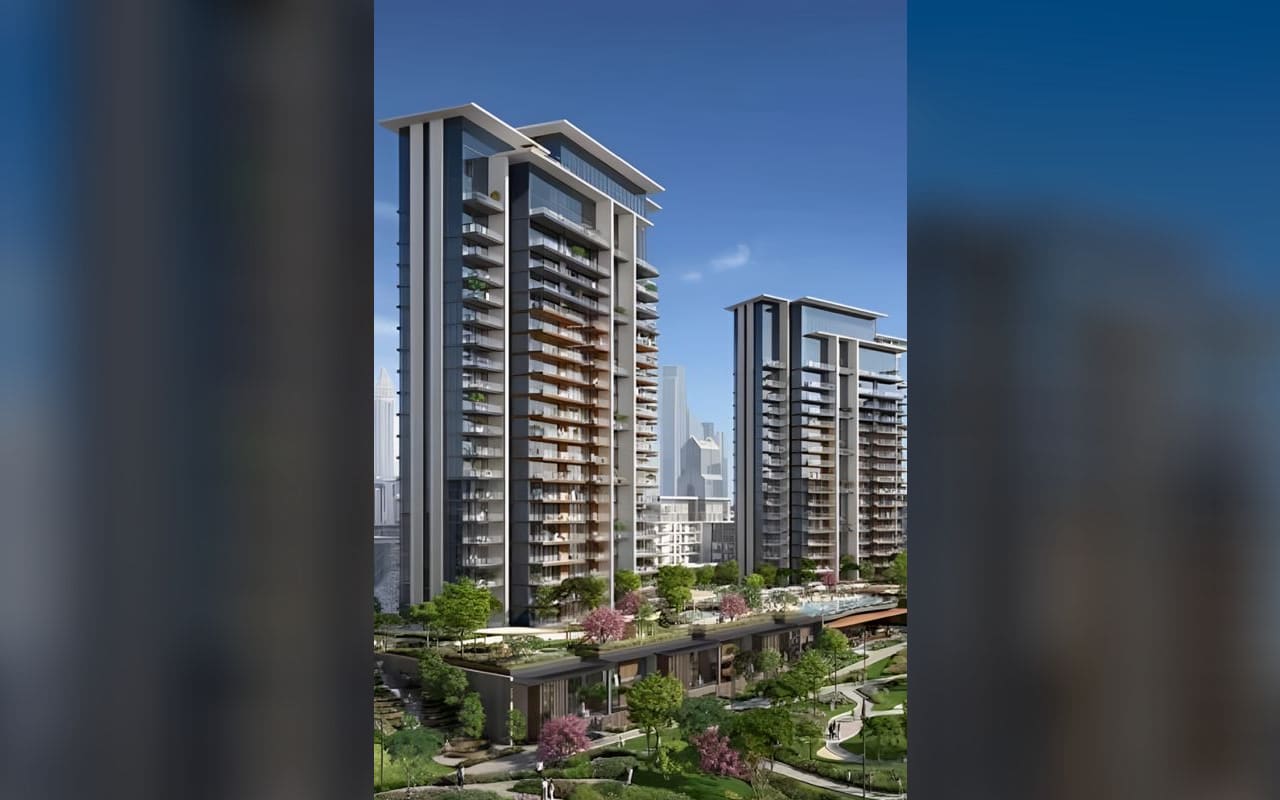
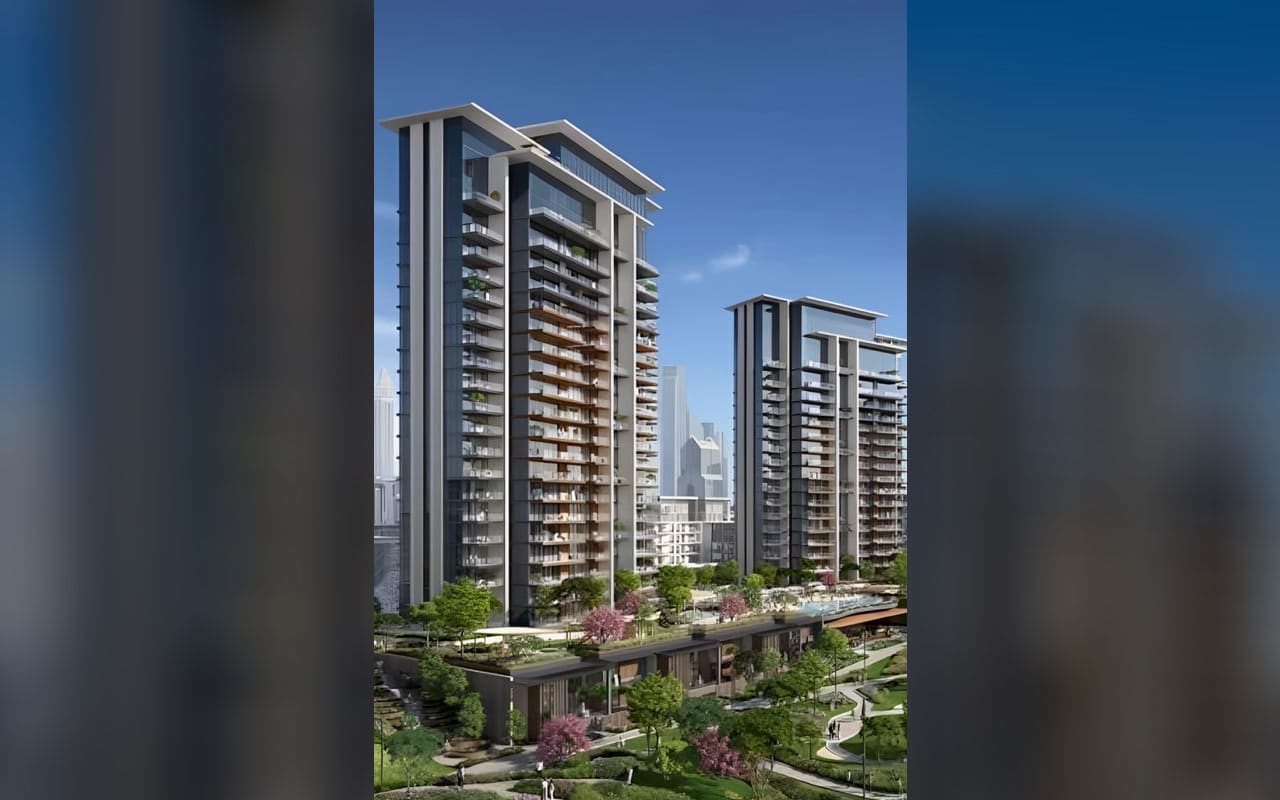
Later phases, including the taller residential buildings on the district’s edges, offer larger units and a different price point, so the community now spans a wider range than its original release did.
The low-rise format has a practical benefit residents notice immediately: no lift queues, no thirty-second wait on the fortieth floor, and a building you can walk out of quickly.
Where the district sits
City Walk occupies the block between Al Wasl Road and Sheikh Zayed Road, which places it inside old Dubai rather than in a new masterplan: Jumeirah and the beach on one side, Downtown a few minutes on the other, Safa Park adjacent.
That is one of the most convenient positions in the city and it is why the district works. Residents can reach the beach, Downtown, DIFC and the Jumeirah schools in minutes without joining a highway.
It also sits beside Coca-Cola Arena and the wider Al Wasl entertainment cluster, which brings event traffic on certain nights and is worth knowing about if you are choosing between buildings.
There is no metro station inside the district; the nearest are a short drive, and most residents use taxis or drive.
The investment view
City Walk is an end-user market first. People buy here because they want to live in the one part of Dubai that feels like a European city district, and that produces a deeper and less price-sensitive buyer pool than an investor district has.
Yields are moderate: the price reflects the desirability and the rent does not scale with it proportionally. Short-let performs well for the same reasons the location appeals to residents.
Service charges are on the higher side, reflecting the amenity, the landscaping and the mixed-use management burden of a district with a working retail component.
The scarcity argument is genuine. Meraas is unlikely to build another low-rise walkable district on a plot like this, and Dubai has produced very few of them in twenty years.
The district by the numbers
City Walk occupies around 900,000 square metres developed entirely by Meraas, with Dewan Architects & Engineers behind the masterplan. The project was announced in 2011 and has been built out by a single developer since — which is why it holds together architecturally in a way that plot-by-plot districts do not.
It sits at the northern edge of Jumeirah, on the junction of Al Safa Road and Al Wasl Road, which puts the Dubai Fountain about four minutes away, the Burj Khalifa five and Jumeirah Beach ten.
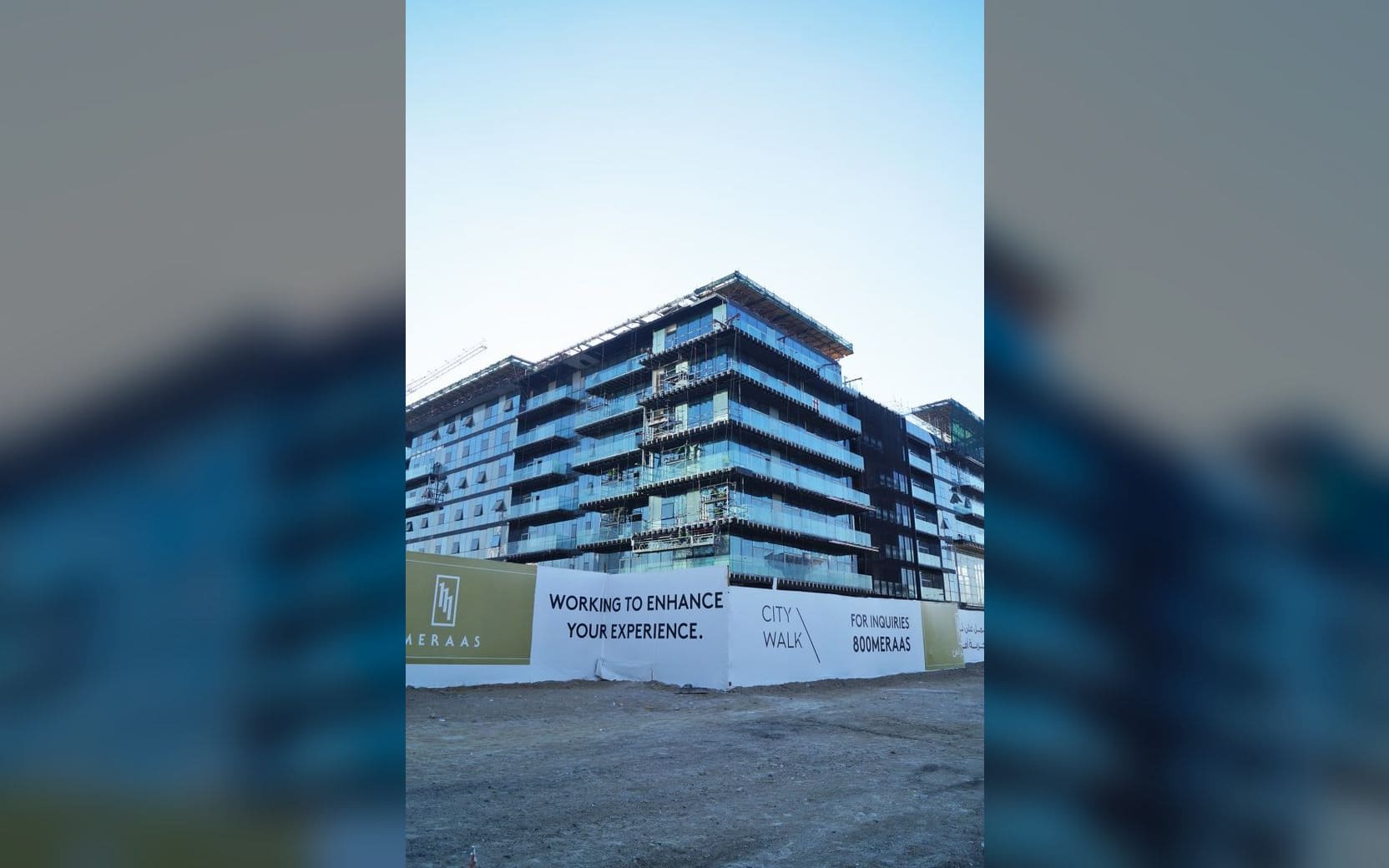
The residential component runs to 34 buildings with one to four-bedroom apartments from roughly 85 to 549 square metres. Most of it is seven to nine storeys, with a small number of taller towers up to 37 floors announced. Tenure is freehold throughout.
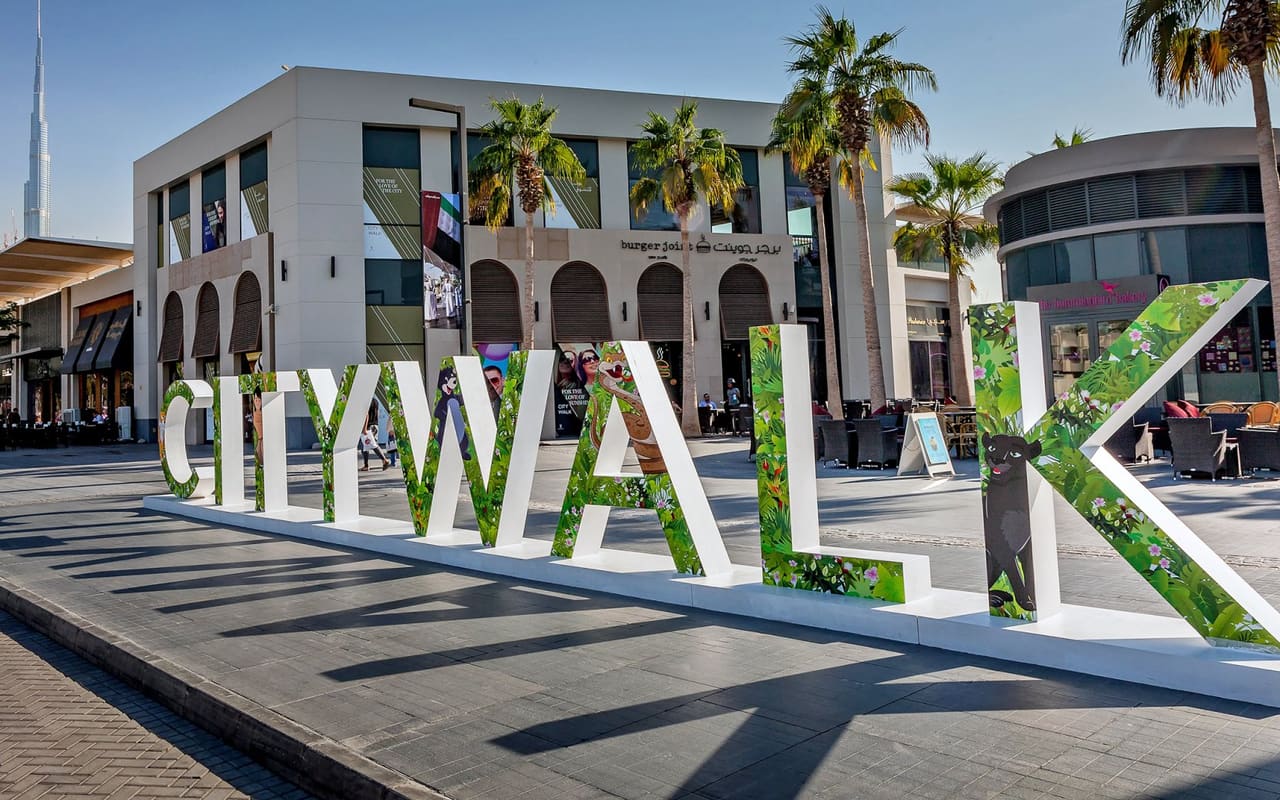
Meraas commissioned ten international street artists to give the district its visual identity, and the mirrored facades that light up after dark are part of the same deliberate design programme.
Programming is a real part of how the place works: concerts, carnivals, night screenings and seasonal events run through the cooler months, and the retail mix leans towards brand boutiques rather than everyday shopping.
More on City Walk
Written breakdowns of subjects the English channel has not filmed.
- Central Park at City Walk: a park in the middle of one of Dubai's few walkable districts
City Walk is one of the very few places in Dubai built to be walked rather than driven. What Central Park adds to that, who rents there, and why the pricing sometimes sits below what the location suggests.
The market, per the Land Department
Residential price index 167.33 Q4 2025
Quarter on quarter +3.32% QoQ
Year on year +8.9% YoY
Full year 2025 +9.81% index 162.51
This is the official index for the whole emirate, not for City Walk: the Dubai Land Department does not publish a district breakdown publicly. Treat it as background — it tells you whether the market is rising or flat while you read the prices above. Transaction data for a specific building I pull separately, on request. Source: Dubai Land Department, read 15/08/2026.
The latest read: July 2026
The Land Department index above is quarterly and emirate-wide. The monthly price index splits villas from apartments — and in 2026 that matters: a single blended figure hides the fact that the two markets have pulled apart.
Villas and townhouses 292.5 flat YoY
Apartments 168.7 −4.2% YoY
All residential 219.2 −0.3% MoM
Price per sqft 2,039 villas · apartments 1,397 AED
The month split by completion status: 72.8% of deals were off-plan, 27.2% ready homes. Ready-home volume rose 11.4% on the month, while off-plan was the only segment down both on the month and on the year (−45.3%). The practical read: there is room to negotiate on apartments and on off-plan, far less on finished villas in established communities. Index base is January 2021 = 100 — a villa reading of 292.5 means growth of 192.5% from that mark, not a premium over a 2021 peak. Monthly ValuStrat market review for July 2026, checked 24/08/2026.
Questions about City Walk
Is City Walk good for families?
Partly. The low-rise, walkable environment and proximity to Jumeirah schools appeal, but apartments are compact and there is no dedicated family amenity. It suits couples and professionals better than larger households.
Who developed City Walk?
Meraas, the Dubai developer behind La Mer, Bluewaters, Port de la Mer and Madinat Jumeirah Living — known for design-led, lower-density projects rather than high-rise volume.
Other districts
All districts →Projects in City Walk
All projects in City Walk →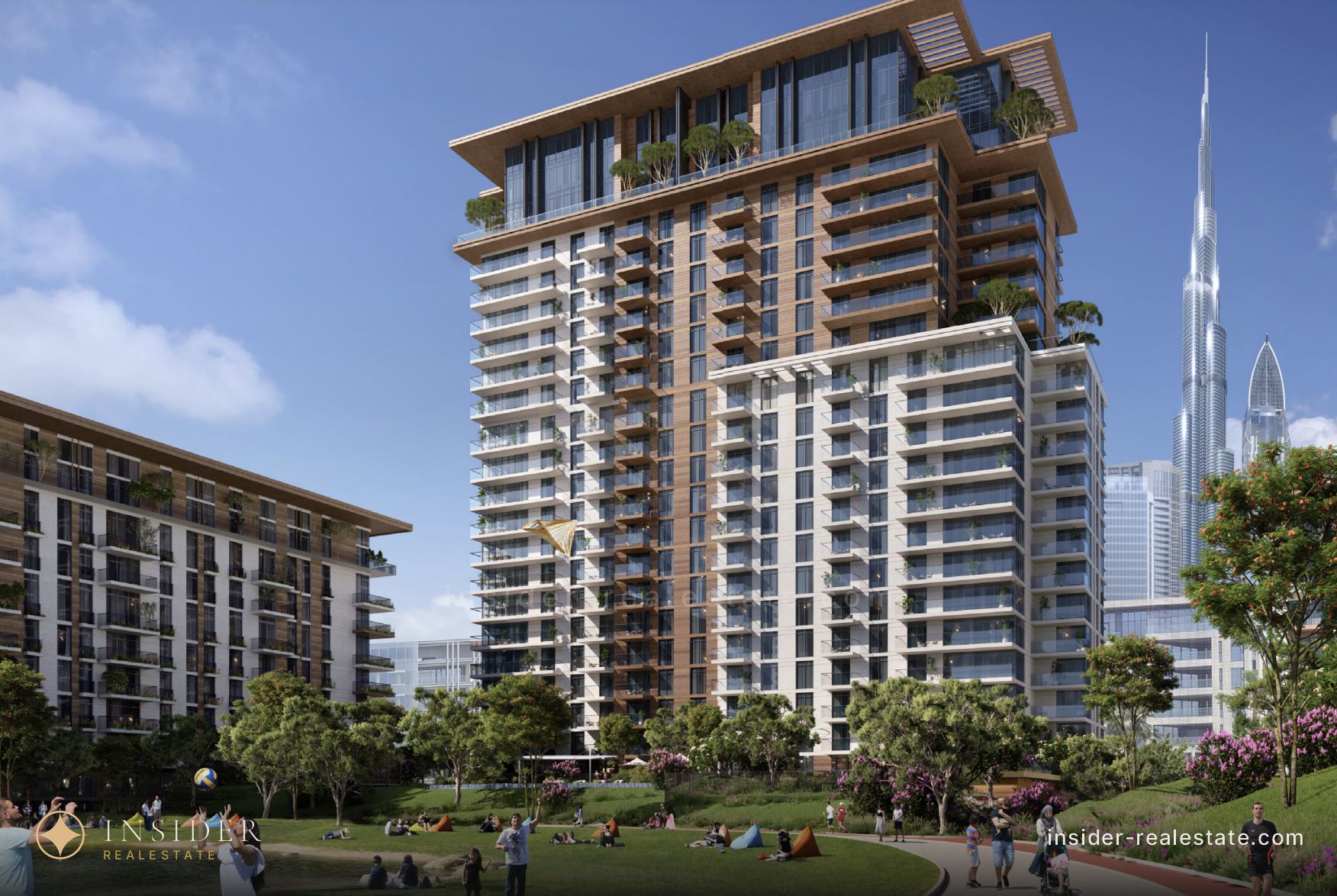
City Walk in the news

City Walk apartments: Thyme at Central Park by Meraas, from a 2023 ballot to a finished building
Thyme is a low-rise Meraas building in Central Park at City Walk with one- to four-bedroom homes, sold by ballot in May 2023 from about AED 2.1–2.3m for a one-bedroom. Handover was set for Q3 2026; portals now list it as ready and sold out, like Celadon, Viridian, Erin and Castleton.
City Walk area profile: a Dubai neighbourhood designed as a street, and what walkability costs
A pedestrian quarter in the centre, with shops at street level and homes above. Walkability is rare in Dubai — and it comes with a price tag worth understanding.
Meraas: the developer that builds the neighbourhood first
Part of Dubai Holding, responsible for City Walk, Bluewaters and La Mer. The approach — public space first, housing into it — and what it means for rents, resale and the annual cost of holding.
Looking at City Walk specifically?
Send me the building or the unit and I will pull the registered transaction history, the current service charge and what comparable units actually let for — before you make an offer, not after.
Ask on WhatsAppAsk a question
Telegram is the fastest way — I answer personally.
Message on Telegram