
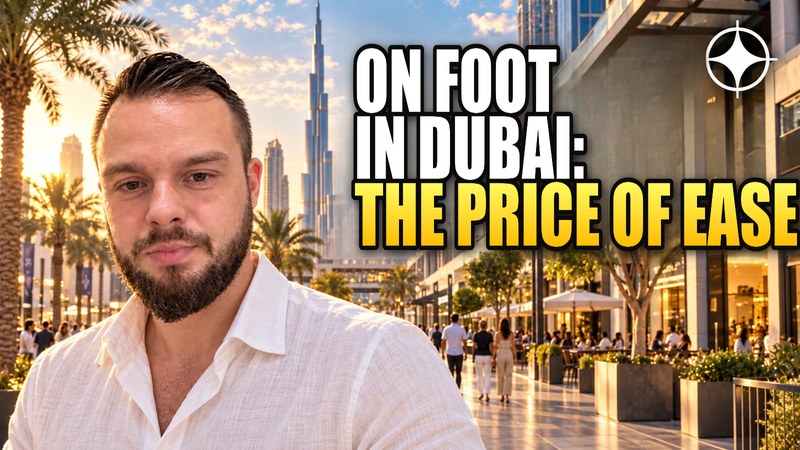
Central Park at City Walk: a park in the middle of one of Dubai's few walkable districts
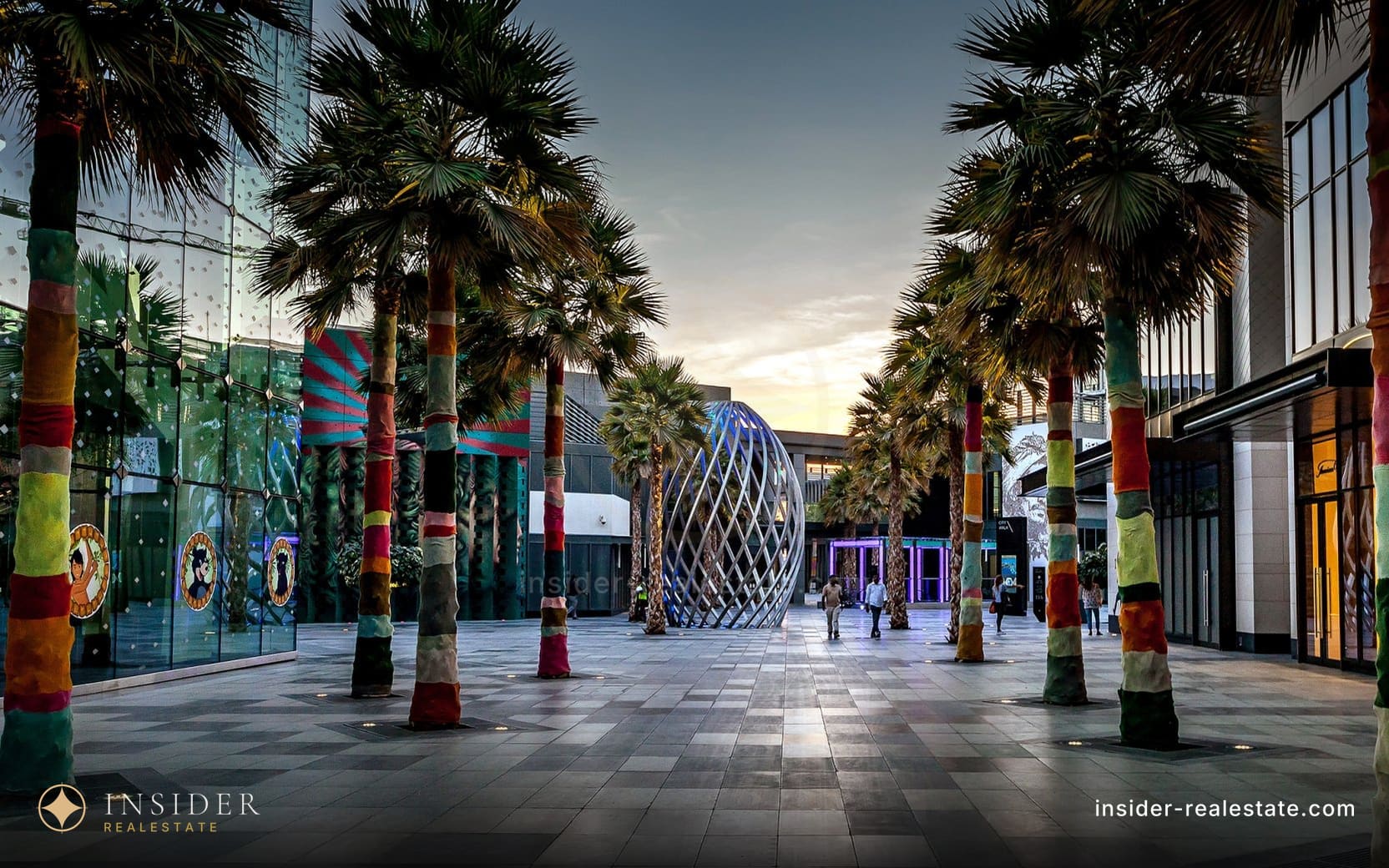
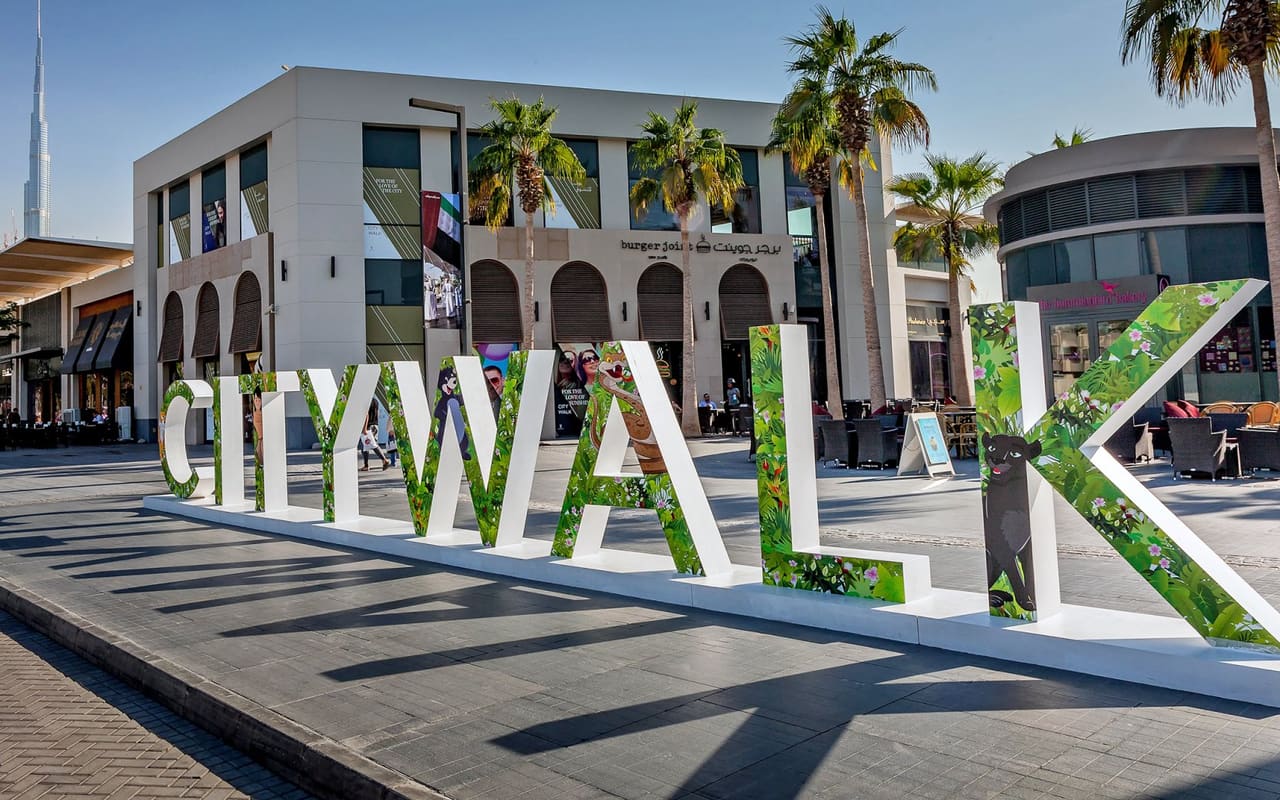
Dubai has perhaps five genuinely walkable districts, and City Walk is one of them — low-rise, street-facing, with shops and restaurants at ground level instead of inside a mall. Central Park is Meraas's residential quarter within it, arranged around exactly what the name says.
Why walkability is the asset
In a city organised around cars, a district where daily life happens on foot is structurally scarce. That scarcity shows up as tenant demand: people who have lived somewhere walkable rarely go back voluntarily, and they pay to stay.
The location compounds it. City Walk sits between Downtown, Jumeirah and the coast, so residents are minutes from the business districts and from the beach at La Mer without being inside either. That middle position is very hard to replicate — the land is gone.
The park itself does the second job every good district needs: an evening destination that is not retail. Communities that lack one turn into places people sleep, and their rents behave accordingly.
Talk to a licensed broker: WhatsApp +971 50 120 32 64 · Telegram
The tenant, and what they actually pay for
Professionals and couples working in Downtown, DIFC or Jumeirah, and long-stay visitors who want a neighbourhood rather than a tower. Family demand exists but is smaller — the schools that anchor a family are elsewhere.
What they pay for is the ground floor, not the amenity deck: the walk to a café, the street being pleasant, the park being real. A unit facing the park in a building with a good street frontage is a different product from one on the district's edge, at the same price per square foot.
Short letting has genuine demand here for the same reason tourists like La Mer and Downtown — but building and community rules decide whether it is permitted at all, and that is a specific check rather than an assumption.
Reading the price
Pricing in City Walk has at times sat below what the location alone would suggest, and the reason is usually structural rather than a bargain: buyers shop by famous district name, and City Walk does not have Downtown's recognition abroad even though it is a few minutes away.
That gap is exactly the kind worth buying, provided the fundamentals check out: what the service charge is and what it has done, what the building's letting history looks like, and what is planned on the surrounding plots in a district that is still being completed.
The exit is the one honest caveat. A district with less international name recognition has a smaller pool of remote buyers, so resale leans more on people who have actually been there. In practice that means marketing to residents of Dubai rather than to a brochure audience.
Frequently asked
What makes City Walk different from other Dubai districts?
It is built to be walked — low-rise, street-level retail and restaurants, a park in the middle — rather than organised around a mall and a car park. In Dubai that is genuinely scarce, and scarcity is what supports rent.
Who rents in City Walk?
Mostly professionals and couples working in Downtown, DIFC or Jumeirah, plus long-stay visitors who want a neighbourhood rather than a tower. Family demand is thinner because the anchoring schools are elsewhere.
Why can prices here sit below comparable central districts?
Largely recognition: international buyers shop by district name and City Walk is less known abroad than Downtown a few minutes away. That gap can be an opportunity, with the trade-off that resale leans on buyers who know Dubai first-hand.
✍️ Message me on WhatsApp for a free consultation — off-market stock, payment plans and honest numbers on any of the projects covered here.
✅ Subscribe on YouTube — investment, property, business and relocation in the UAE and beyond.


Below market in City Walk right now
From the daily off-market feed. Availability and price are confirmed on request.
All below-market listings →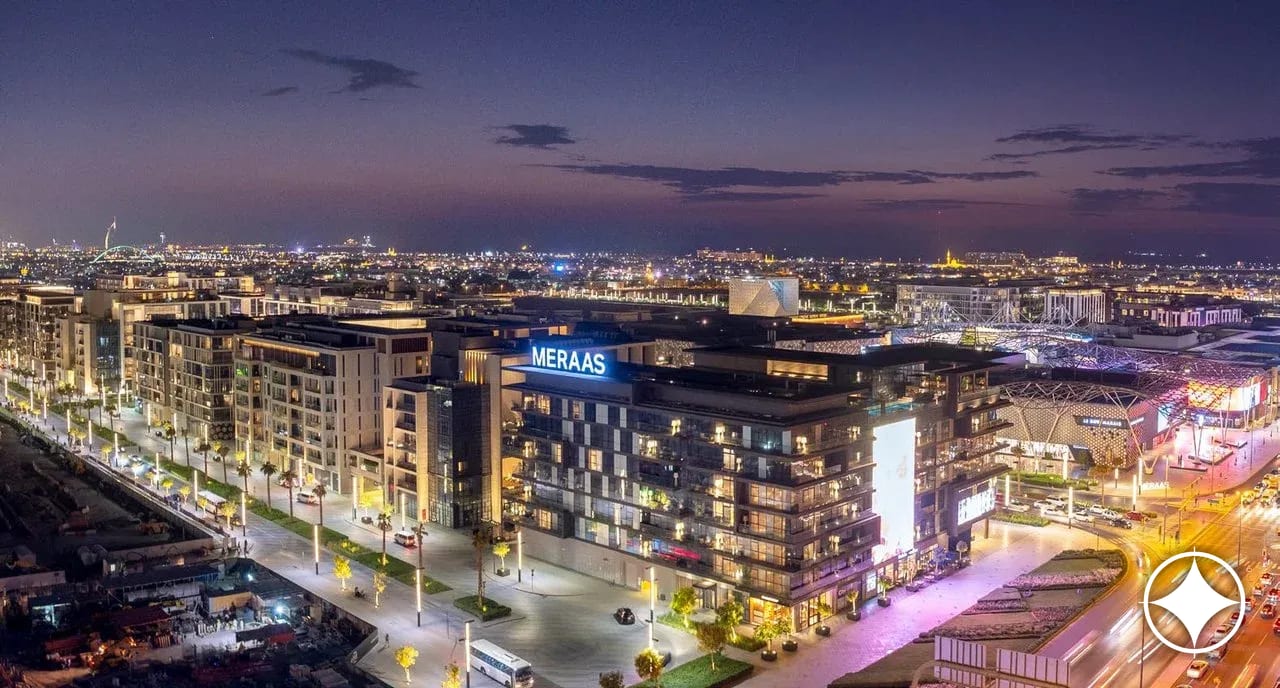
In the news
The same subject in writing — analysis and news related to this video.

City Walk apartments: Thyme at Central Park by Meraas, from a 2023 ballot to a finished building
Thyme is a low-rise Meraas building in Central Park at City Walk with one- to four-bedroom homes, sold by ballot in May 2023 from about AED 2.1–2.3m for a one-bedroom. Handover was set for Q3 2026; portals now list it as ready and sold out, like Celadon, Viridian, Erin and Castleton.
City Walk area profile: a Dubai neighbourhood designed as a street, and what walkability costs
A pedestrian quarter in the centre, with shops at street level and homes above. Walkability is rare in Dubai — and it comes with a price tag worth understanding.

Meraas: the developer that builds the neighbourhood first
Part of Dubai Holding, responsible for City Walk, Bluewaters and La Mer. The approach — public space first, housing into it — and what it means for rents, resale and the annual cost of holding.

Where you actually shop in Dubai, and why it belongs in the property decision
Every Dubai district claims good amenity. The difference that shows up in daily life is not how much retail there is but whether you reach it on foot — and that difference is set by the masterplan, not by the listing.

Moscow vs Dubai mortgages in 2026: the rate, the payment and the total cost
Market mortgage rates in Russia sit near 18.7% in September 2026; a non-resident in Dubai can borrow from 5%. On a comparable loan the total cost over 25 years differs several times over. We run the numbers and explain who can actually access the Dubai rate.

A new Dubai district or an established one: what five years actually changes
A district that is being built and a district that is finished are not the same purchase at different prices. One is priced on what exists, the other on what is drawn — and the gap between them closes slowly, unevenly, and sometimes not at all.