The masterplan
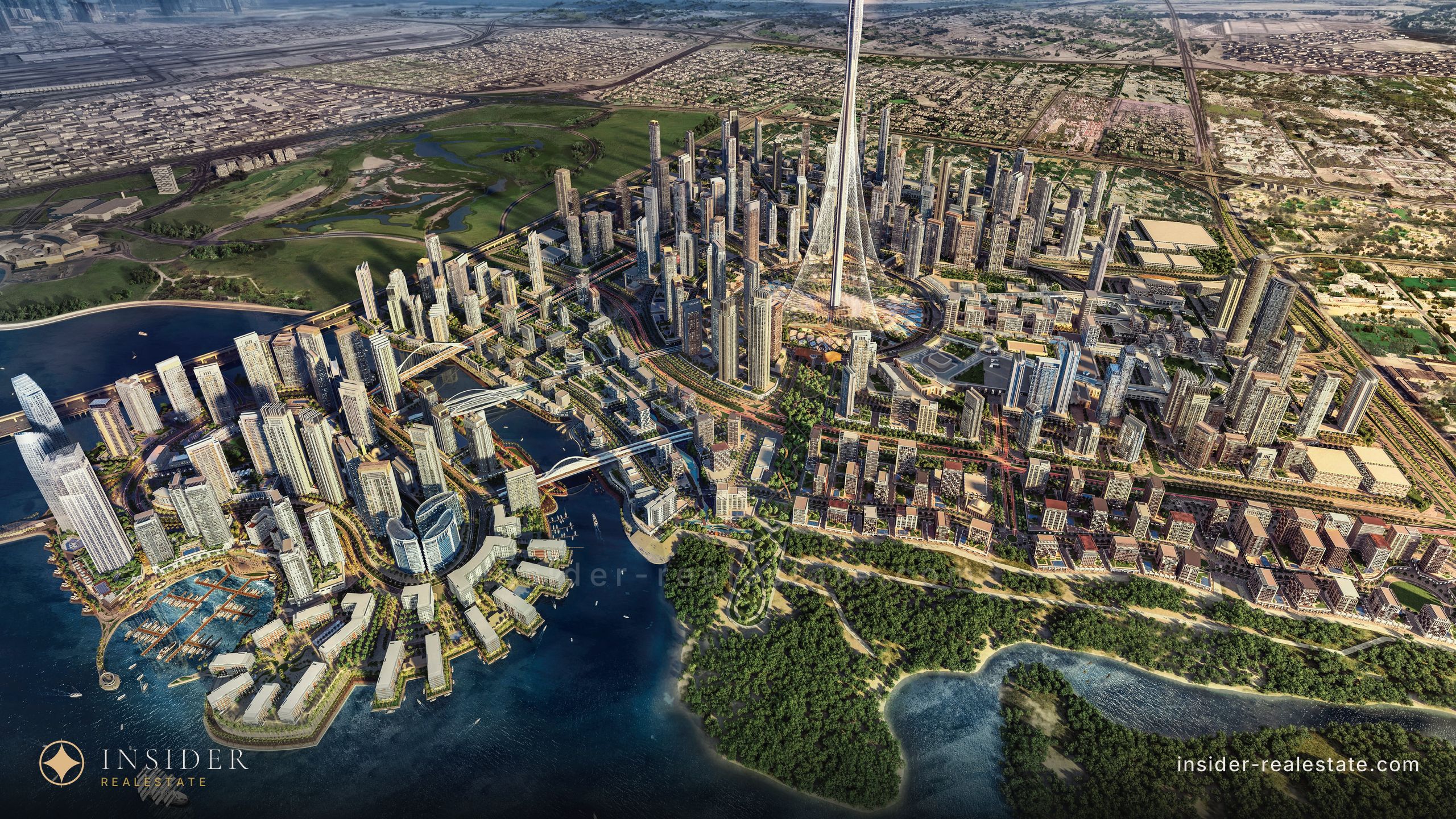
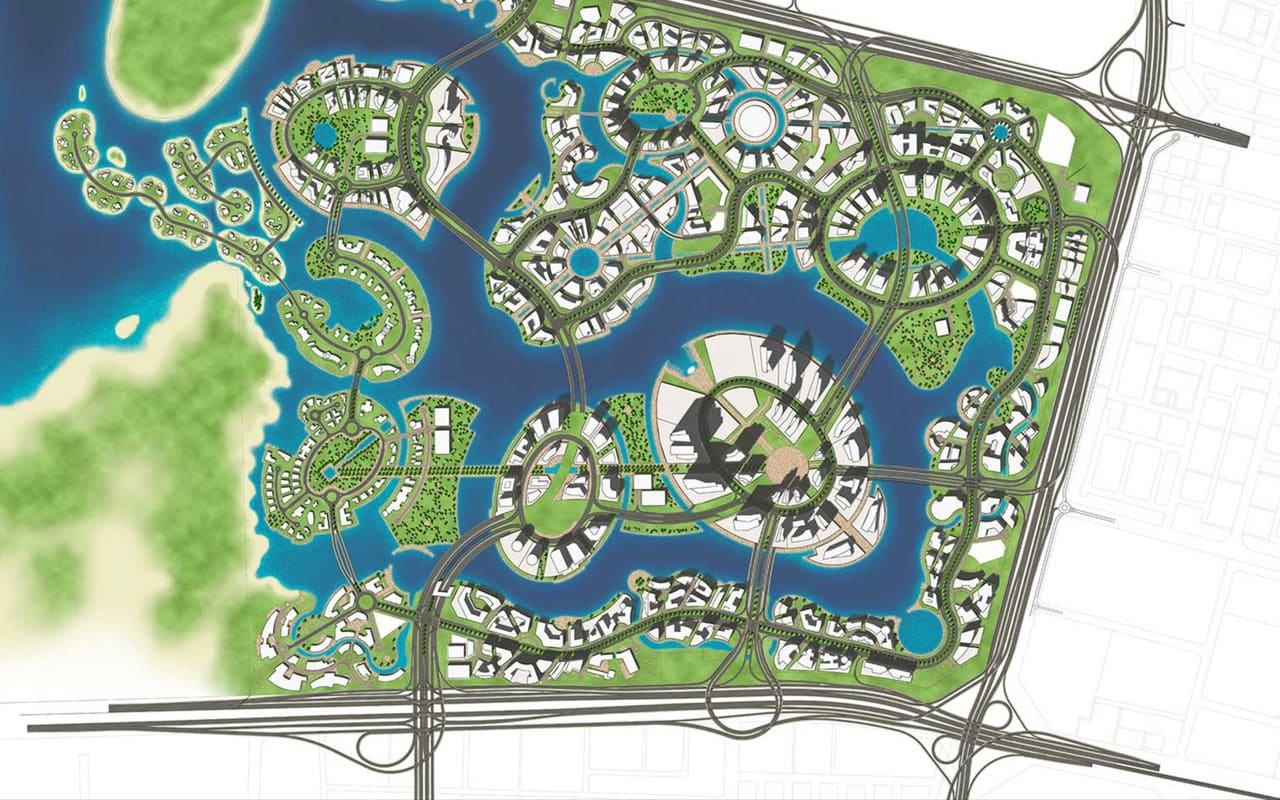
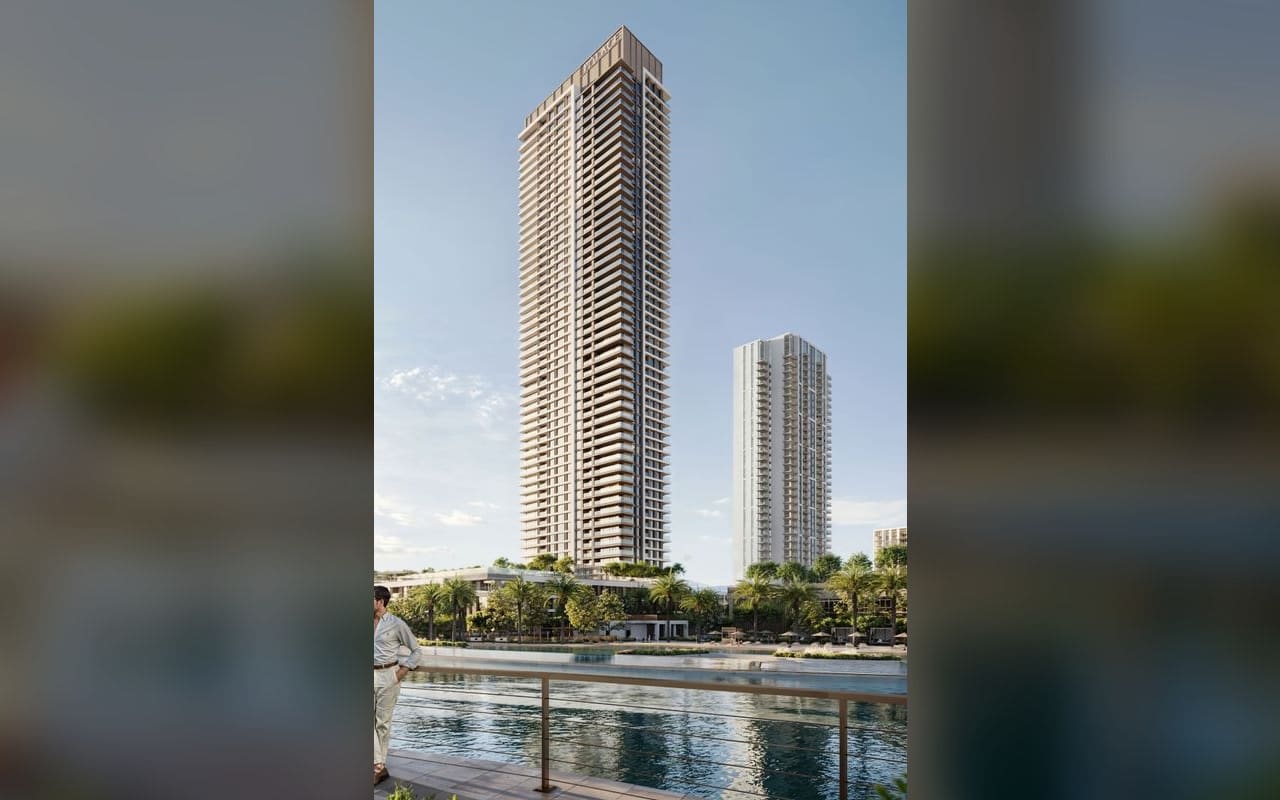
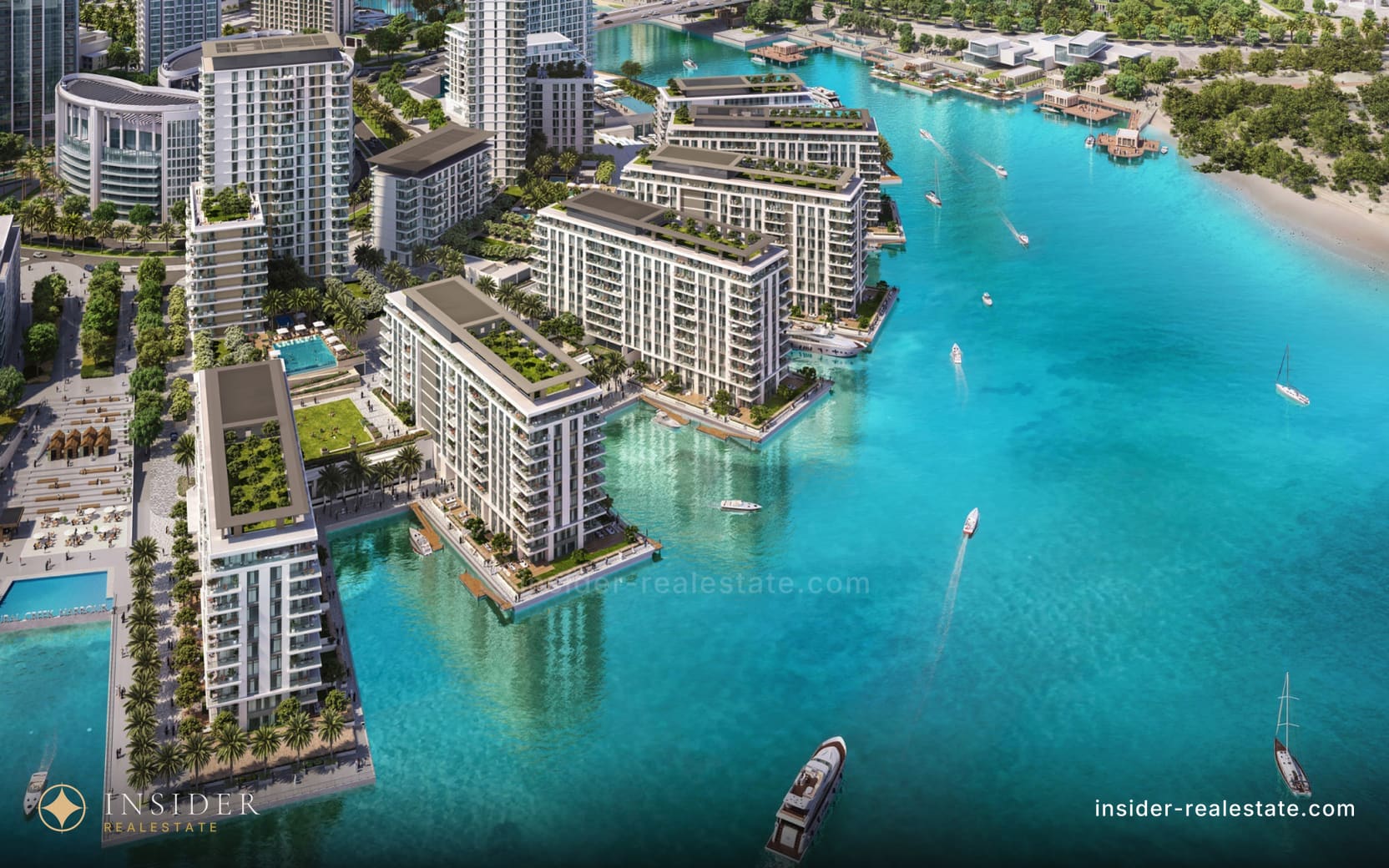
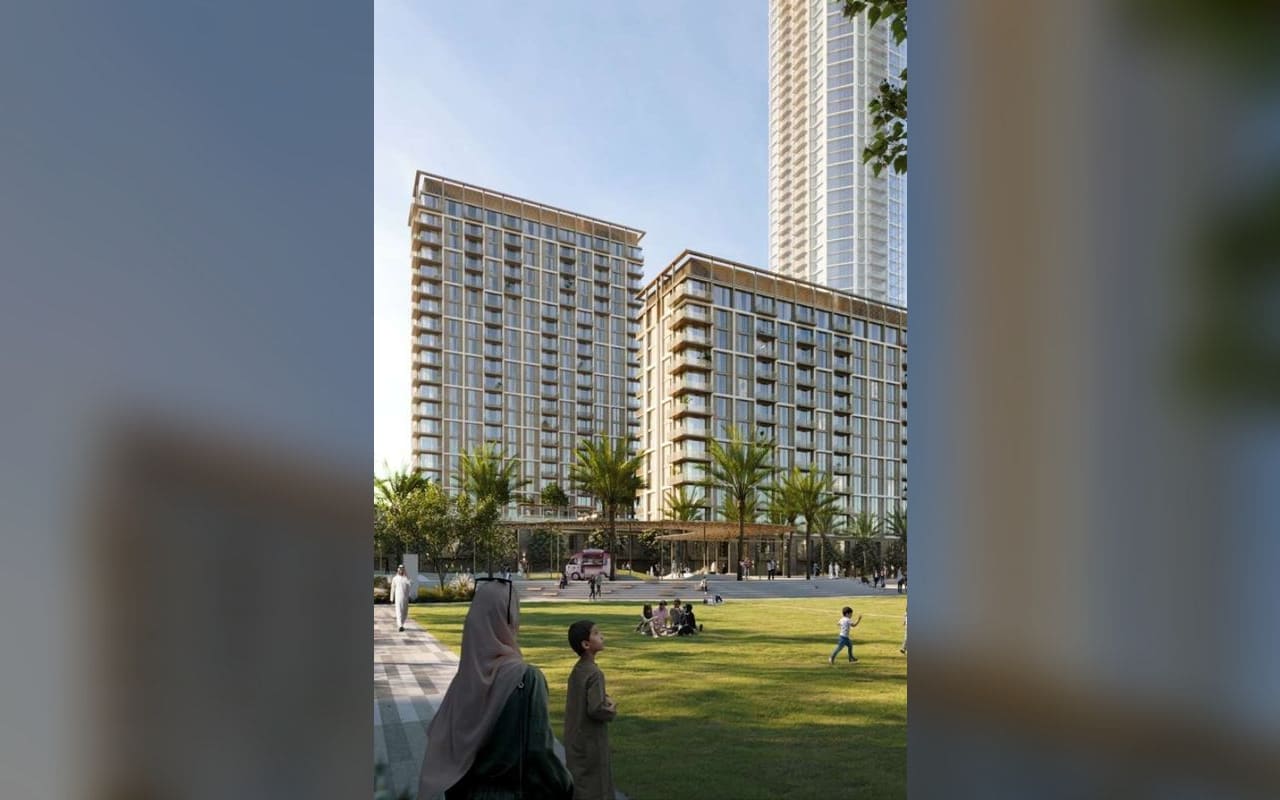
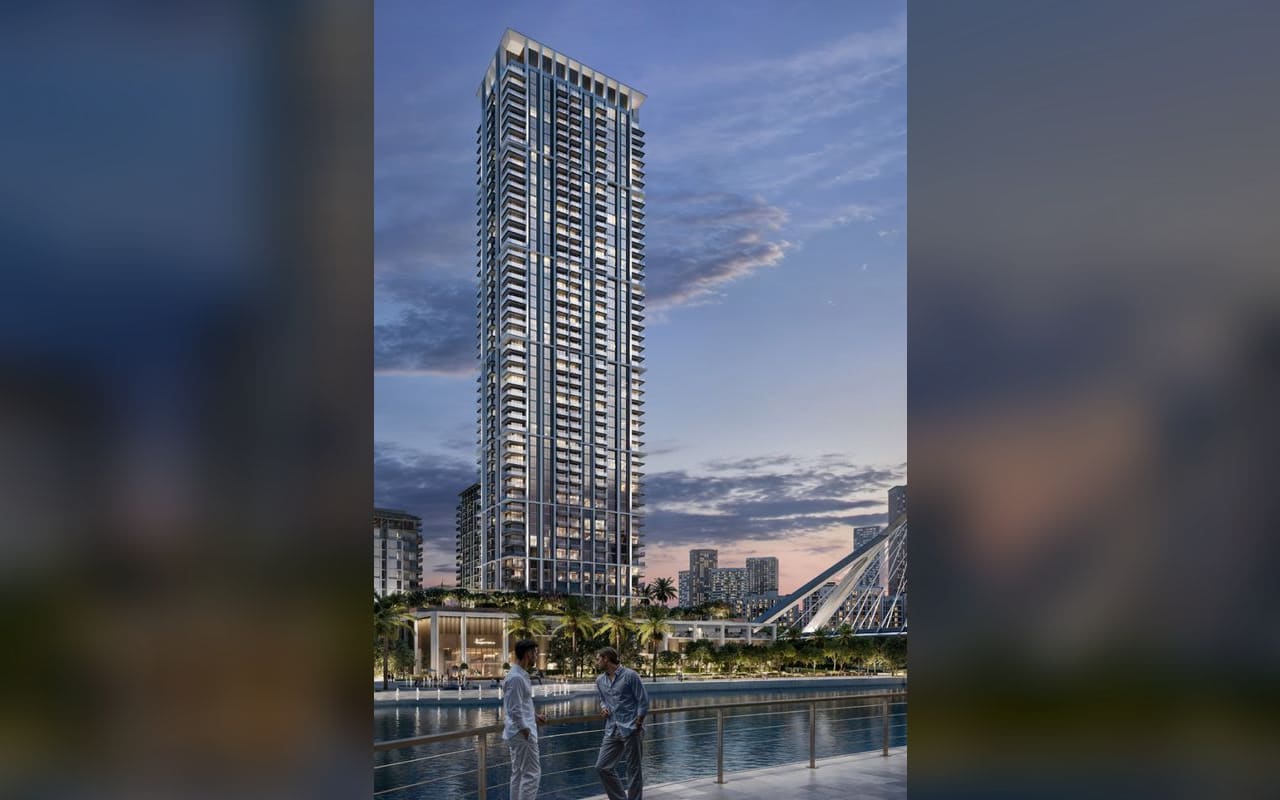
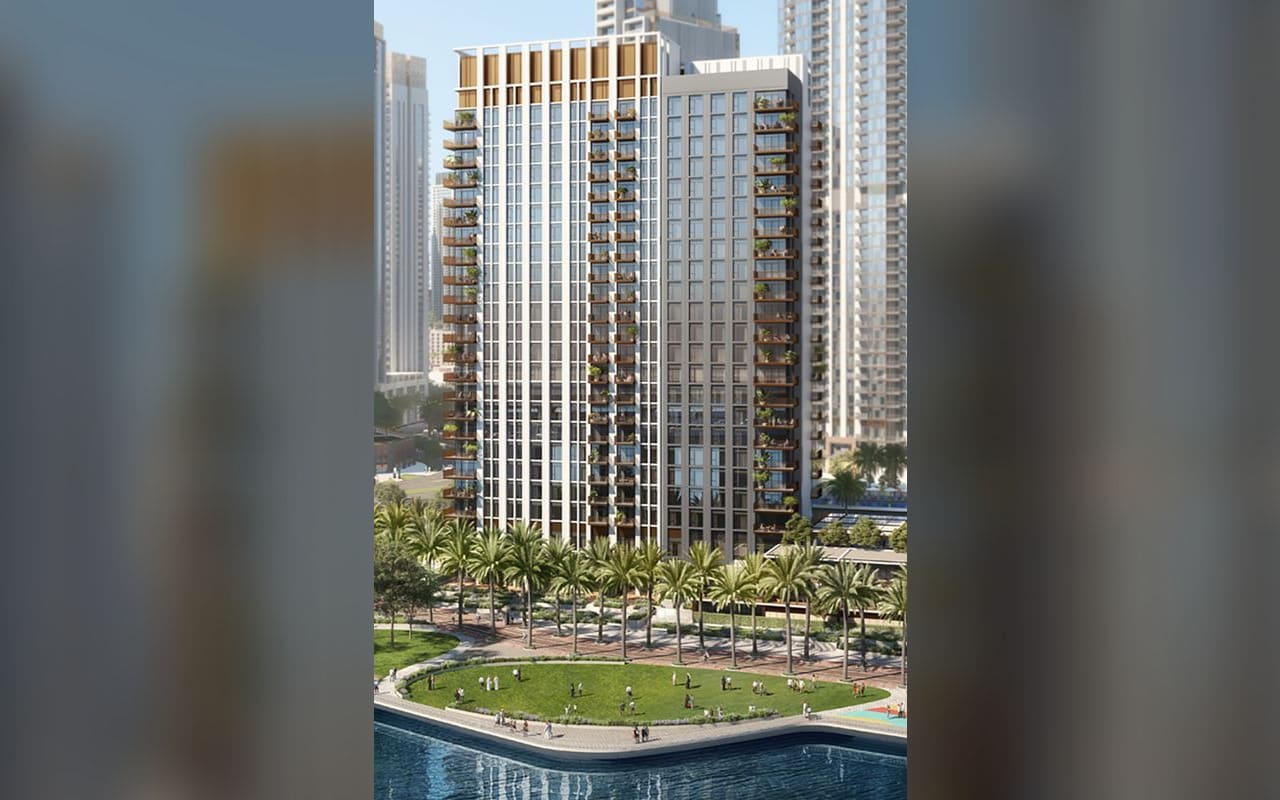
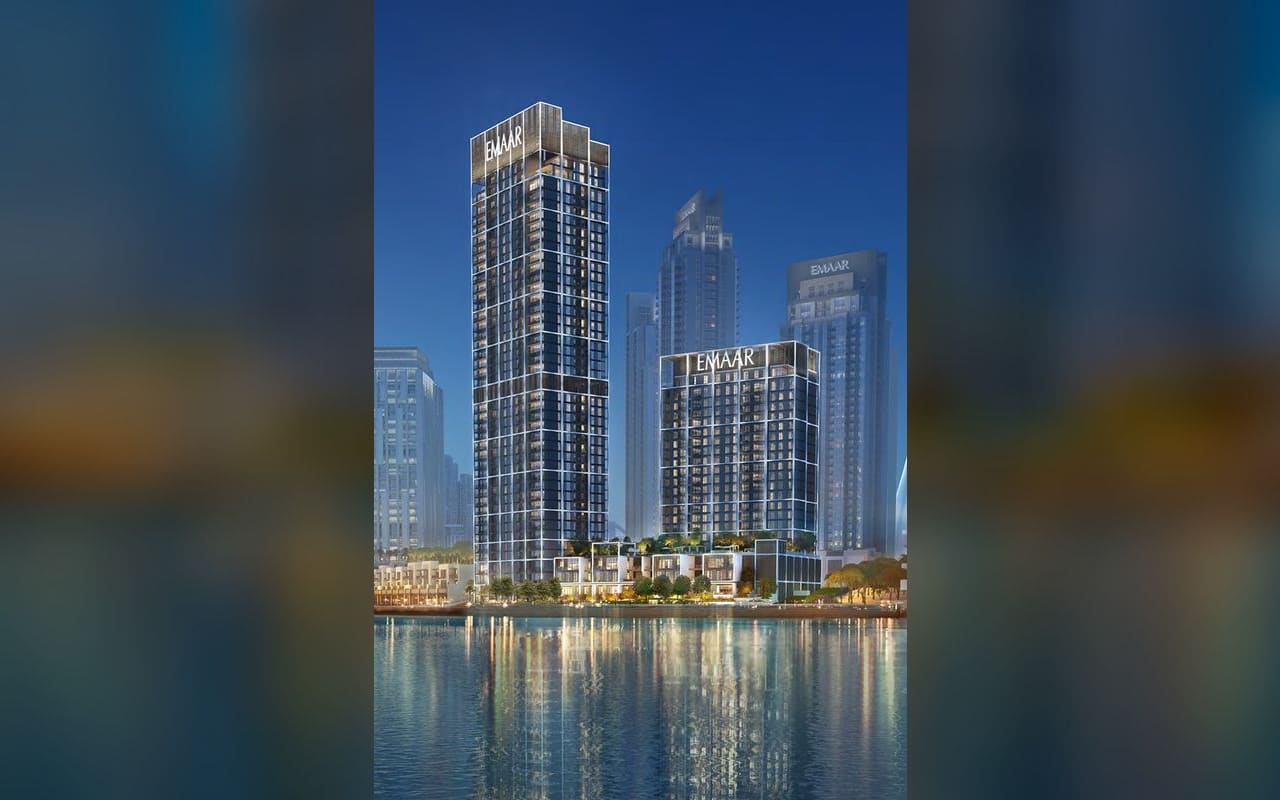
Dubai Creek Harbour is a new waterfront district being built by Emaar on the creek east of the historic centre, planned over a horizon measured in decades. When complete it will include a marina, a central park, retail districts, schools and a landmark tower.
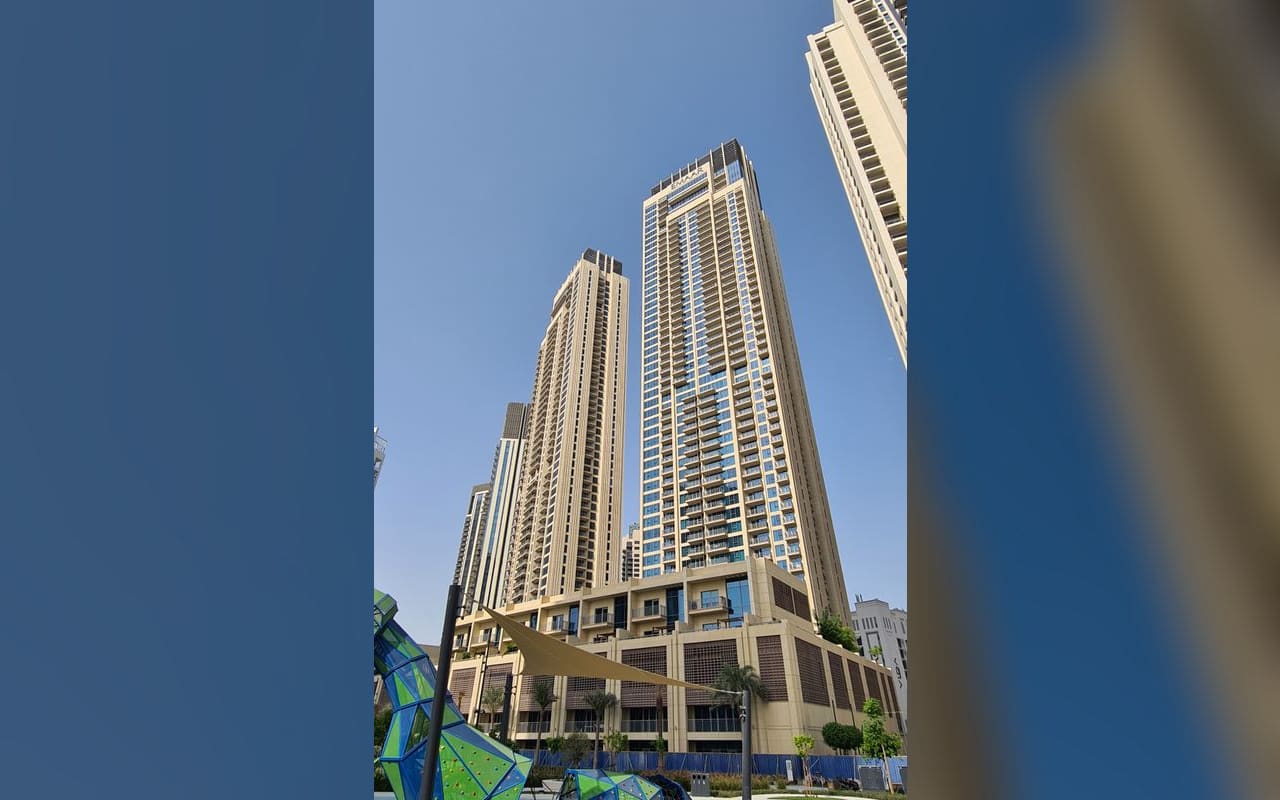
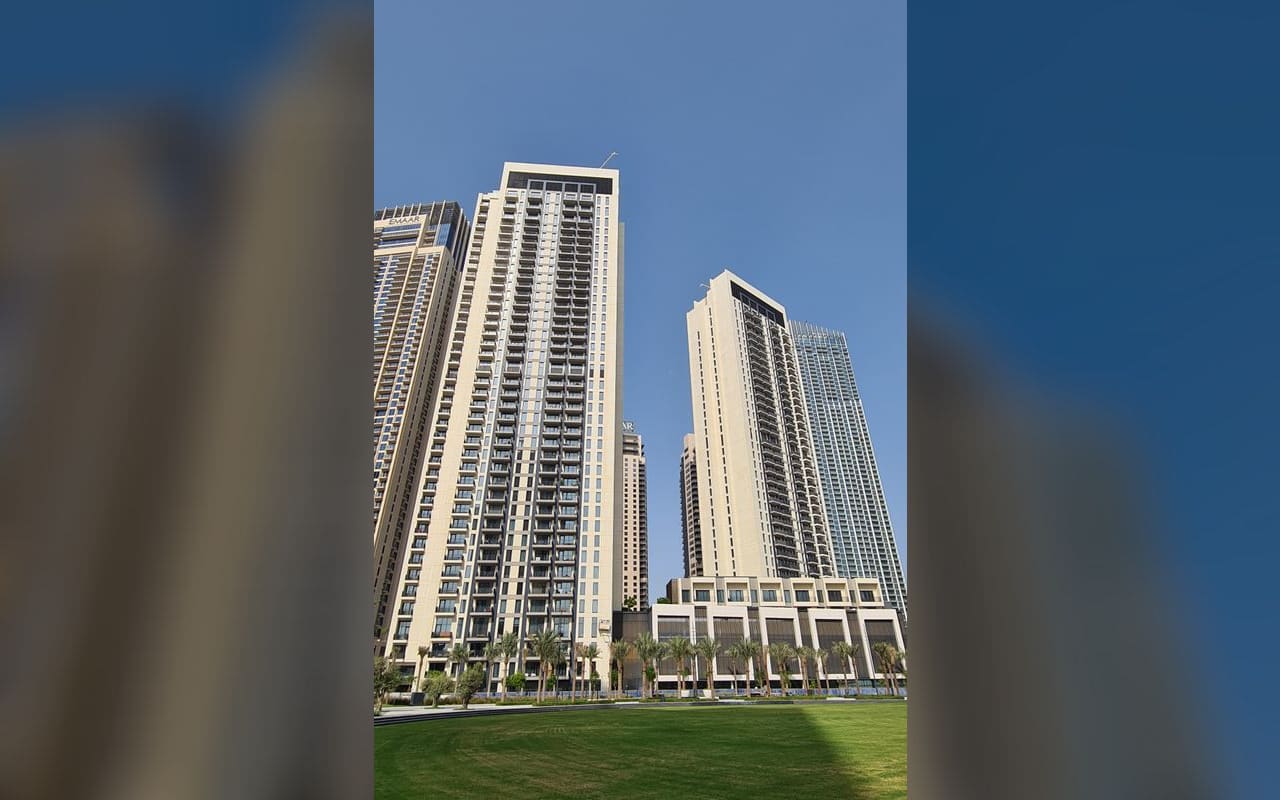
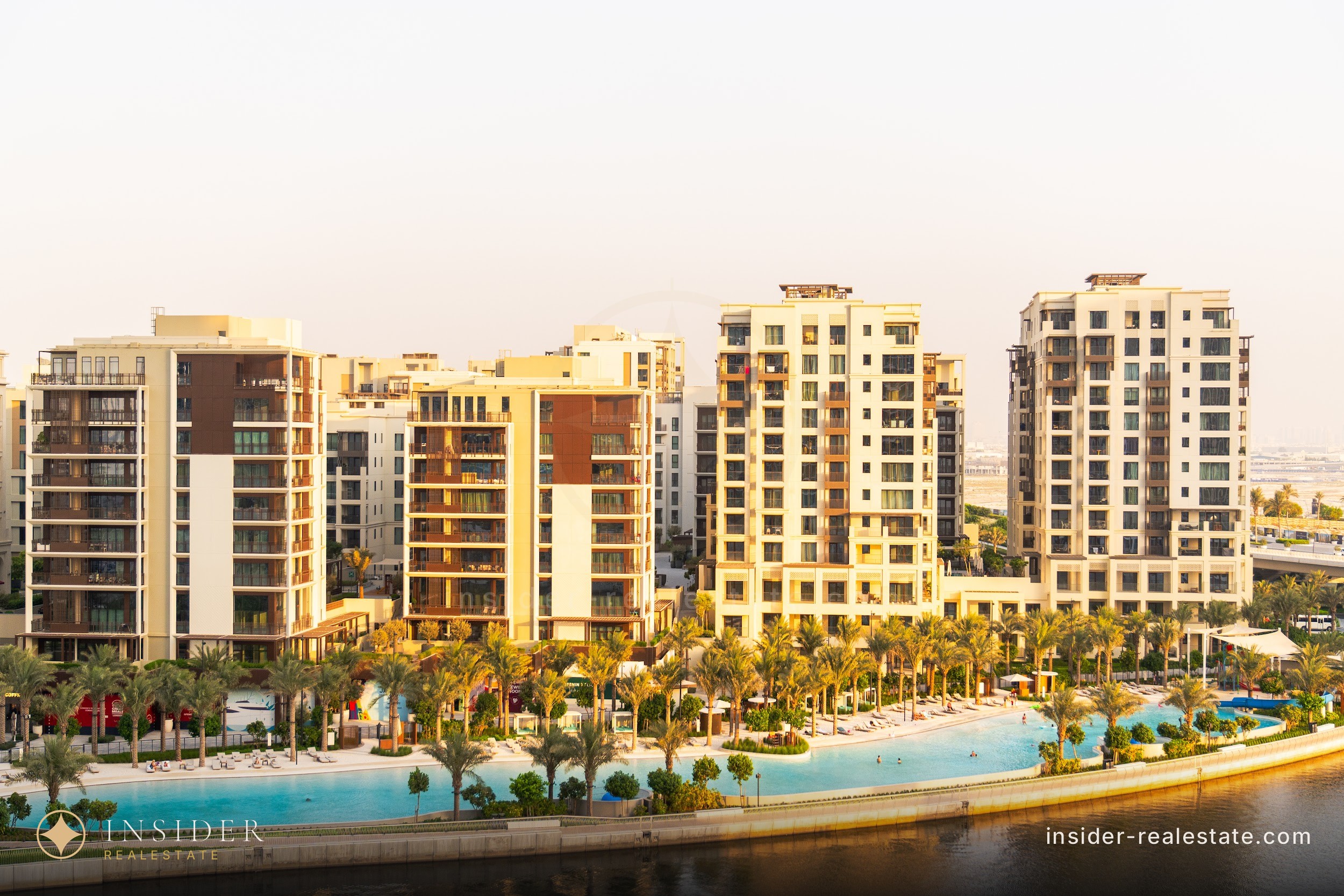
The delivered sections — Creek Beach, the promenade, several residential clusters and the marina — are genuinely well executed. Emaar’s masterplanning is the best in the emirate and the finished parts look and function like the renderings, which is not universal here.
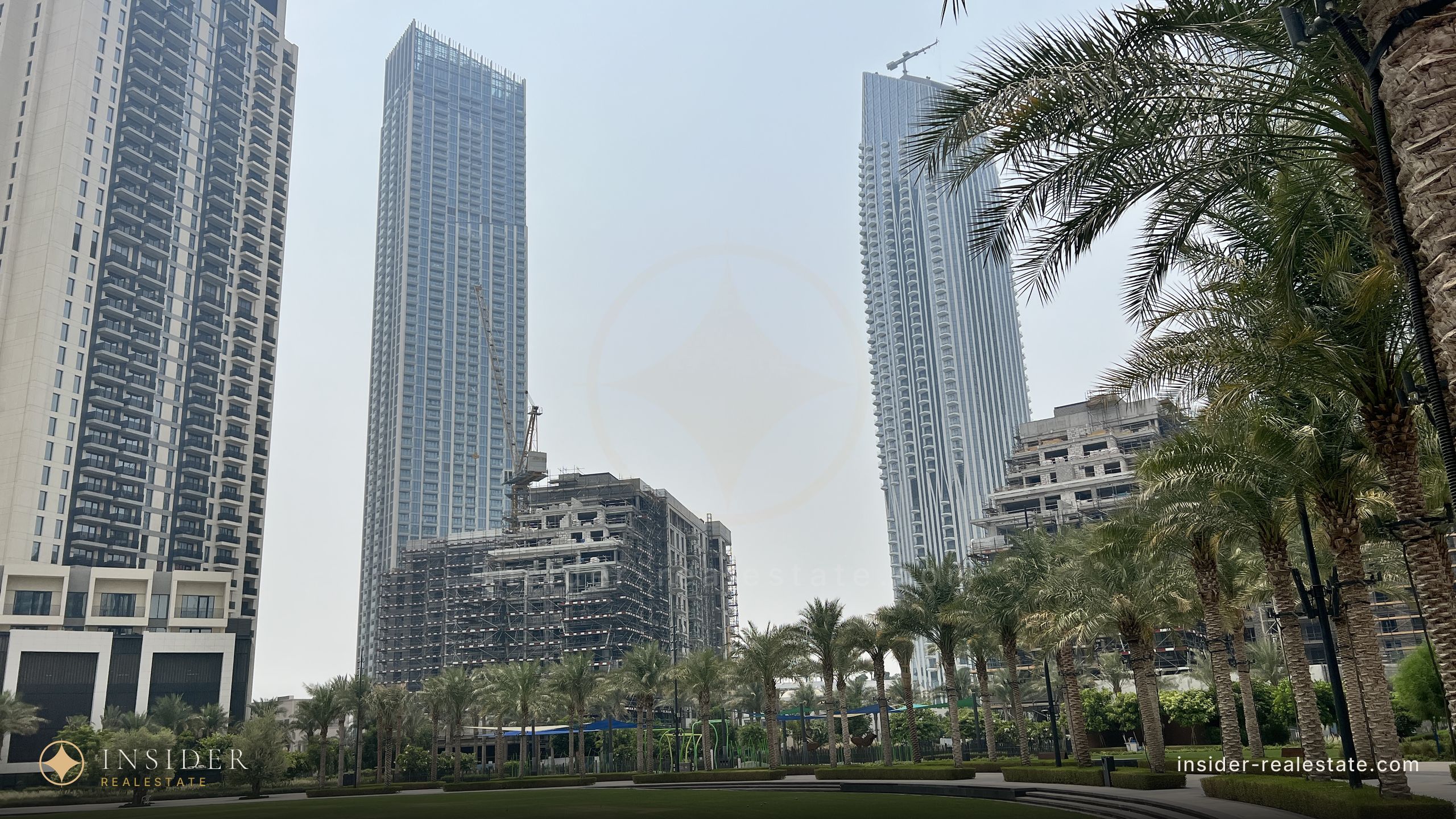
The undelivered sections are large. Substantial areas remain open land and the anchor attractions are years out.
What you get today
A waterfront promenade with restaurants and cafés, a swimmable beach on the creek, a marina, and residential clusters that are complete and occupied with proper community management.
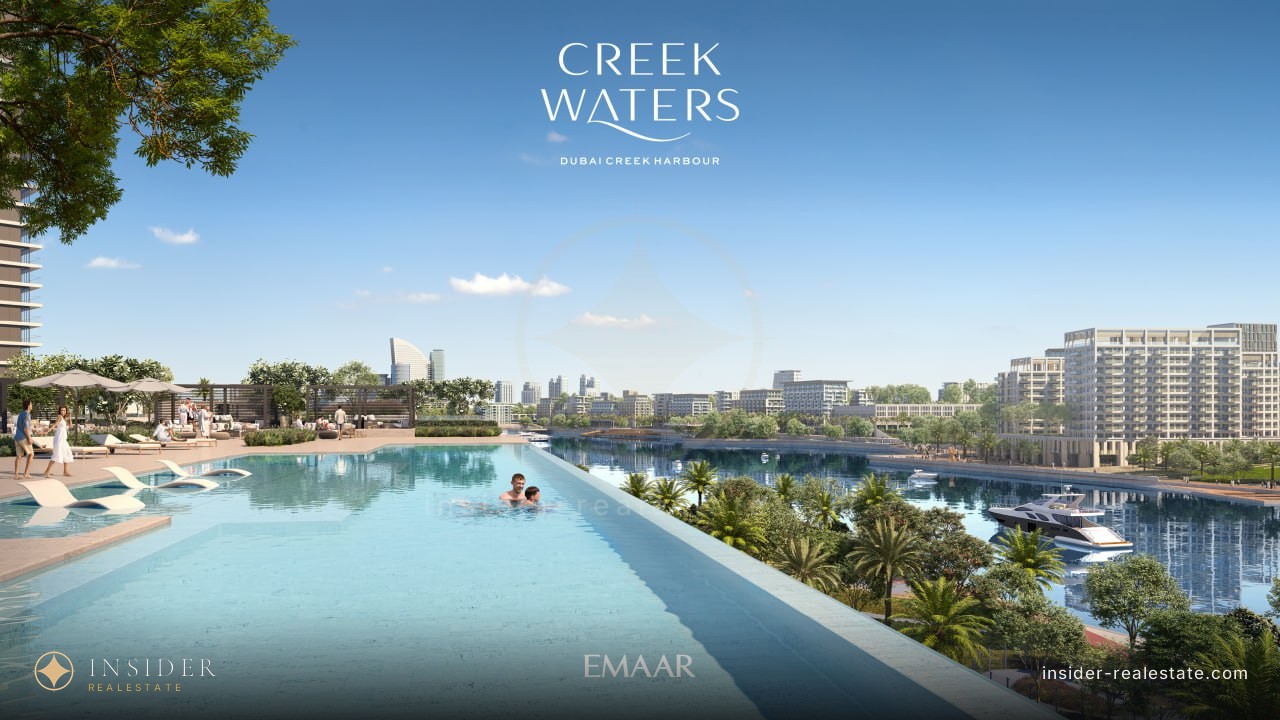
The view is the signature: from the correct orientation you look across the water at the Downtown skyline and the Burj Khalifa, and that outlook is protected by the creek itself.
Road access is via Ras Al Khor Road and the Dubai–Al Ain corridor, with Downtown about fifteen minutes off-peak. There is no metro connection yet; a link has long been part of the area plan, and it should be treated as upside rather than as a given.
The two risks of buying into a long masterplan
The first is time. Living in a partly built district means construction noise, incomplete retail, limited dining and amenities that are promised rather than present. Early buyers in Dubai Hills and in Creek Harbour itself have lived through exactly this for several years, and their tenants discounted the rent accordingly.
The second is that masterplans change. Phases get resequenced, densities revised, and features that were central to the pitch quietly dropped. This has happened repeatedly in Dubai across all developers, including the good ones. What you can rely on is the phase that is contracted and under construction.
Neither is a reason to avoid the district. Both are reasons to value the purchase on what exists plus what is genuinely being built, and to treat the rest as upside you have not paid for.
The rental picture
Creek Harbour attracts professionals and young families who want new, well-managed waterfront living and will accept a district that is still filling in. Rents are solid rather than spectacular relative to purchase price, so gross yields sit around the Dubai average.
Short-let works reasonably — the creek views and the promenade appeal to visitors — but this is not a Palm or Downtown-level destination market, and occupancy is correspondingly lower.
The medium-term rental case improves as the district completes: more retail, more dining, better schools and eventual transport links all support rent. That is the appreciation thesis expressed as income.
What to verify
Which phases are under construction on the plots adjacent to yours and what they are. A park view today can be a tower view in four years, and the masterplan will tell you.
The handover date and the specification schedule, in writing.
Both charges — the building service charge and the Emaar community charge.
School provision and the realistic timeline for it, if family tenants are the plan.
The current published status of any transport connection rather than an older announcement.
How to frame the decision
Creek Harbour is a genuine long-term hold. It will very likely be a considerably better district in ten years than today, and buying into an Emaar masterplan early has historically worked — Dubai Marina, Downtown and Dubai Hills all went through this phase.
It is a poor short-horizon investment. Exiting within three years means selling into an incomplete district while the developer is still releasing new phases, which is a weak position.
Buy in a delivered location within a completed phase, hold it, and let the masterplan mature around you.
The districts within the masterplan
Creek Harbour is divided into named districts, and they are at very different stages. Creek Beach and the Island District are the most delivered — occupied buildings, the promenade, the beach, operating retail. Harbour Views and Creek Gate sit alongside them. The Creek Island and Central Park districts are further behind.
A listing that says "Dubai Creek Harbour" without naming the district tells you almost nothing about what you would actually be living in.
The delivered districts are functioning communities with the amenity that makes them work; the undelivered ones are plots with hoardings and a completion date.
Buy in the former unless you specifically want the entry pricing of the latter and have a horizon long enough to wait for it.
The skyline view and how protected it is
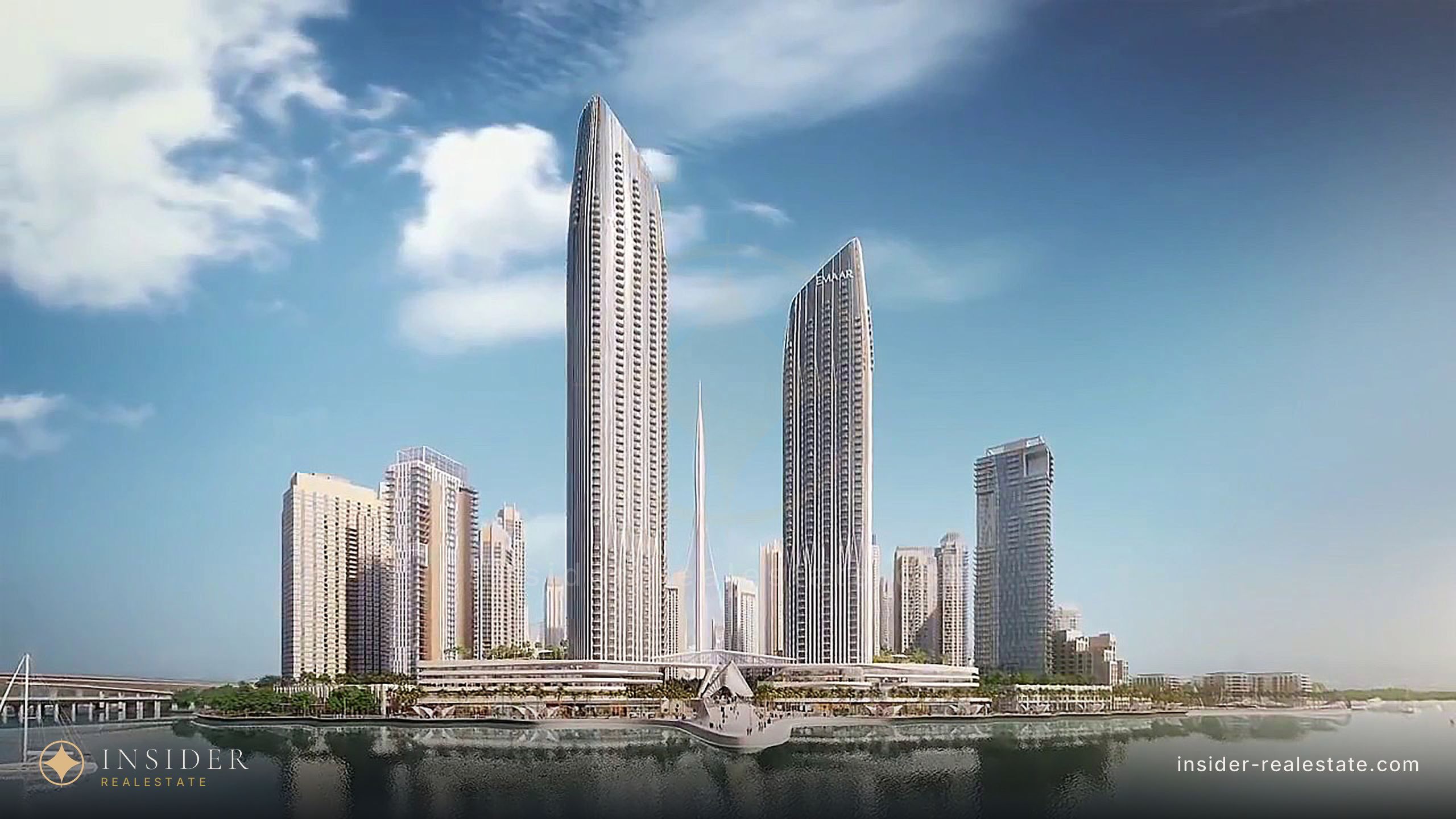
The signature of this district is the outlook across the creek to the Downtown skyline and the Burj Khalifa, and on the correct orientation it is spectacular and permanent — the water cannot be built on.
What can be built on is everything else. Within the masterplan, later phases will rise between some existing buildings and the water, and a view that is open today closes when the plot in front completes.
The masterplan and the current permits will tell you which units are genuinely protected. Ask for the plot numbers between your building and the water, and what height is permitted on them.
This is the single most consequential check on a Creek Harbour purchase, because the view premium here is large and it is the thing being sold.
The tower that was announced
The masterplan has long included a landmark observation tower intended to exceed the Burj Khalifa, and it has featured heavily in marketing for the district over the years.
Its status has changed more than once. Anyone buying here should check the current published position rather than relying on renders, and should treat the tower as upside rather than as a component of the price they pay.
The district works without it: the waterfront, the promenade, the beach, the marina and Emaar’s community management are real and delivered, and they are what supports rent today.
That is the right way to frame the whole purchase — value what exists and is contracted, treat everything else as an option, and let a masterplan that has historically matured well do so at its own pace.
The masterplan by the numbers
Dubai Creek Harbour covers about five square kilometres with eight million square metres of planned residential space and a current population above thirty thousand. Construction began in 2008 as a joint venture between Emaar and Dubai Holding; Emaar became sole owner of the project in 2022.
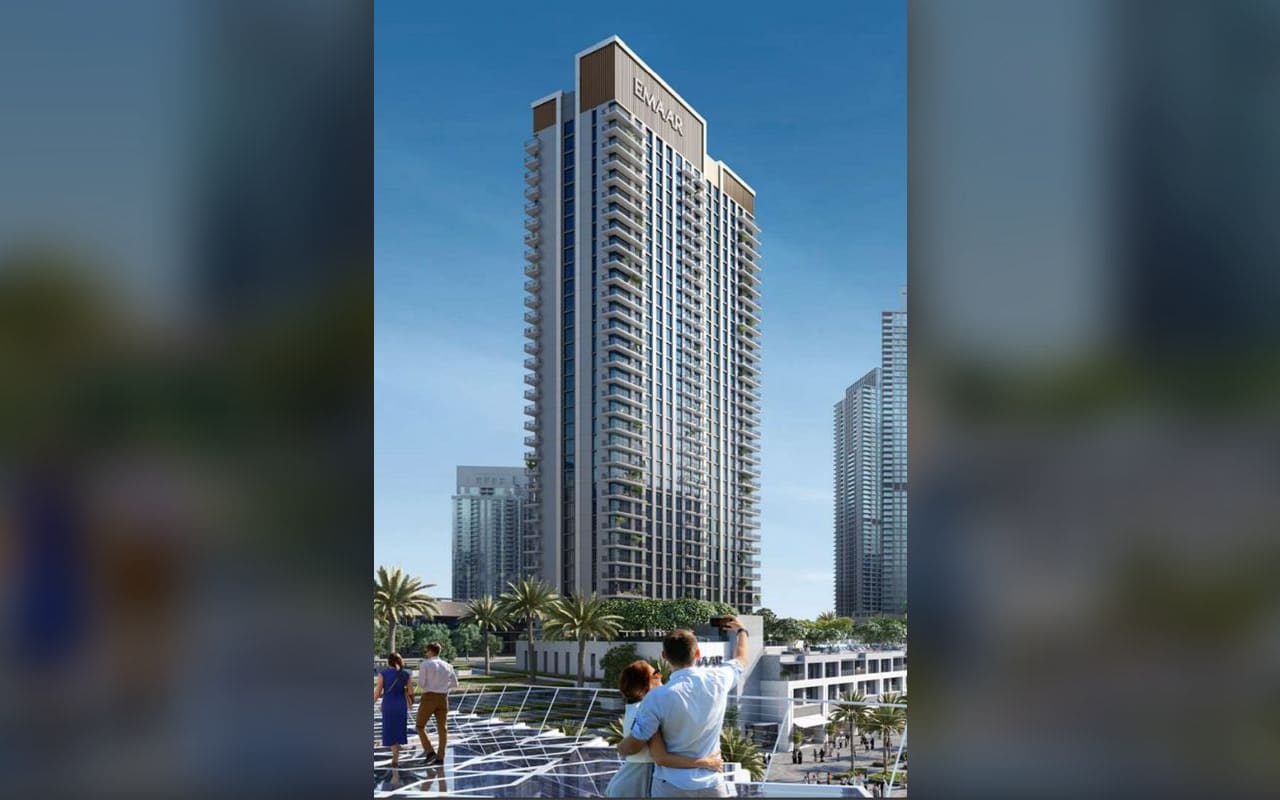
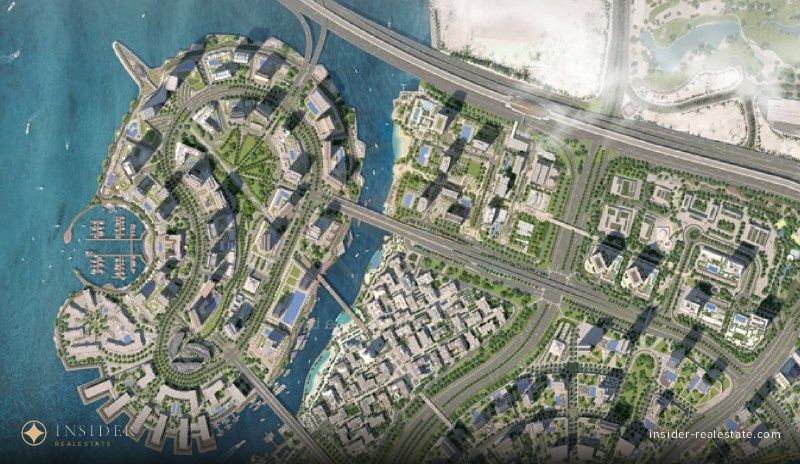
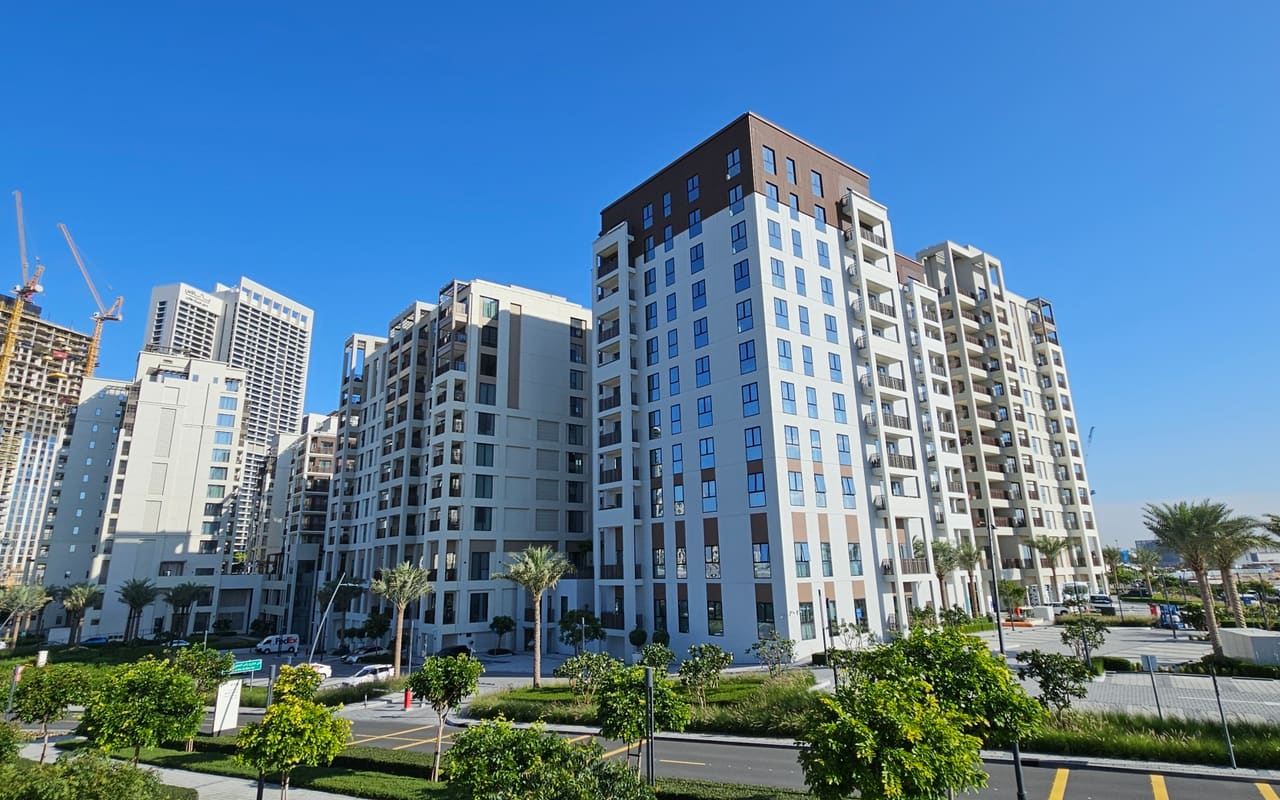
The district splits into two halves. Creek Island is the vertical cluster — buildings of thirty to fifty-five storeys, four kilometres of waterfront, a yacht club, Central Park and The Viewing Point. Creek Beach is the low-rise half, mostly ten-storey buildings in a contemporary Arabic idiom, with a 700-metre beach on a crystal lagoon.
The full plan includes roughly 900,000 square metres of retail, 300,000 of offices, 65,000 of cultural space and twenty hotels, alongside 500,000 square metres of parkland.
It sits between the creek and Ras Al Khor Road, bordering the flamingo sanctuary, with about five minutes to Festival City, ten to Dubai International and fifteen to the Burj Khalifa.
Transport today is road, bus and water taxi. A blue-line metro station is planned for 2029, which is the single change most likely to reprice the district — and, as with any announced line, worth treating as upside rather than as something you have paid for.